Luang Prabang
UNESCO Jewel Where Temples Meet Mekong Magic
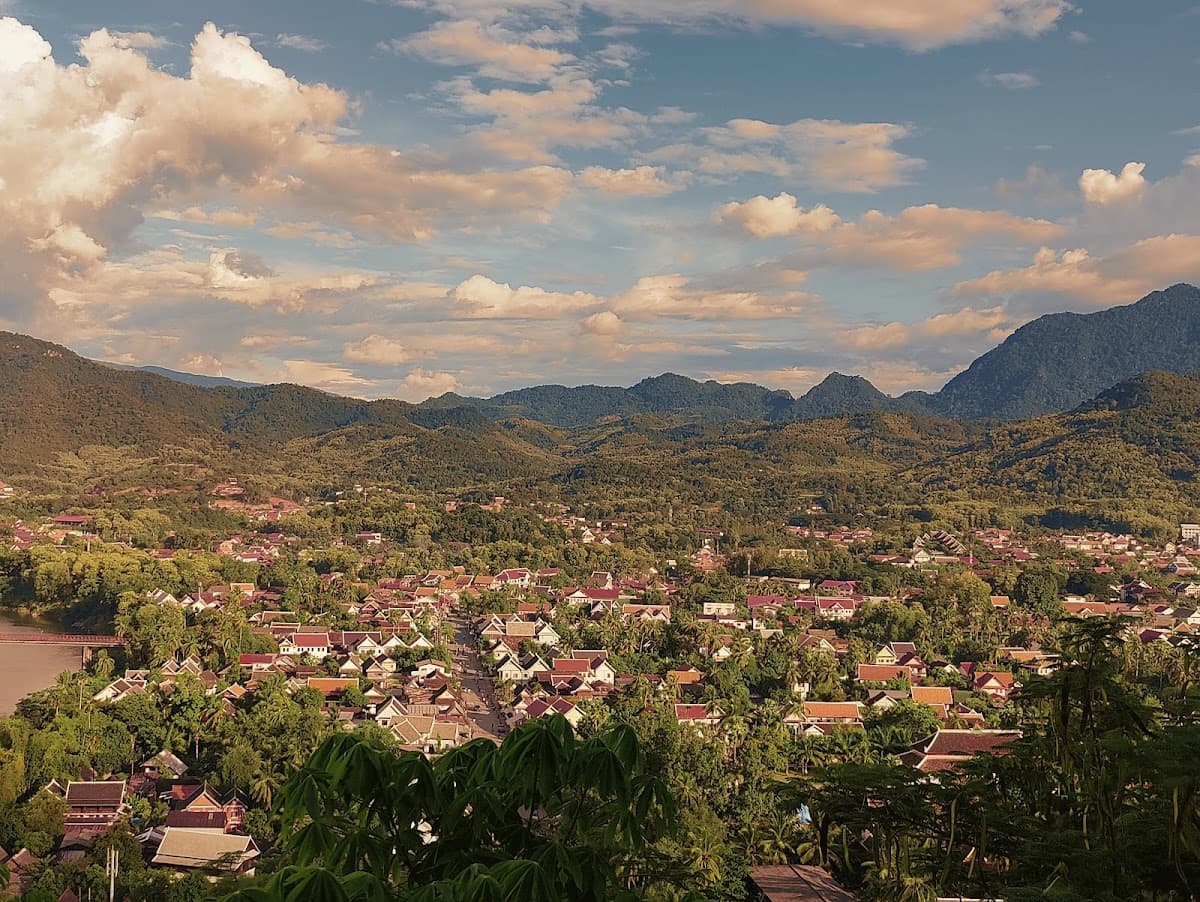
Luang Prabang sits at the confluence of the Mekong and Nam Khan rivers like a living museum that forgot to install velvet ropes. This former royal capital of Laos moves at the speed of saffron-robed monks collecting alms at dawn and French colonial shutters creaking in the afternoon heat.
The entire old town earned UNESCO World Heritage status in 1995, and you'll see why within your first hour. Gilded temple roofs catch the morning light while baguette vendors set up shop in buildings that housed French administrators a century ago. But here's what makes Luang Prabang special: it hasn't been theme-parked to death.
Sure, there are tourist cafes serving banana pancakes and guesthouses with "authentic Lao experience" in their marketing copy. But step off Sisavangvong Road and you'll find monks debating Buddhist philosophy in temple courtyards and families eating sticky rice with their hands on bamboo mats.
Best Months
JAN · FEB · MAR · NOV · DEC
~30°C · high crowds
Culture & Context
BUDDHIST FIRST, TOURISTS SECOND
Luang Prabang is a Buddhist city first and a tourist destination second. That order matters. There are over 30 active temples on this small peninsula, and monks actually live and study in them — they're not museum pieces.
The city's name translates roughly to 'Royal Buddha Image,' referencing the sacred Prabang gold statue that still sits in the National Museum (and comes out during Pi Mai). The French colonial layer is real and visible: you'll eat croissants next to Lao papaya salad, and the architecture reflects a century of overlapping influences. But look, the French left in 1954 and Laos went through the Vietnam War era as the most heavily bombed country per capita in history.
The UXO Laos Visitor Centre on the peninsula tells that story clearly and is worth an hour of your time. The 'bor pen nyang' (no worries) philosophy isn't a marketing slogan — it reflects a genuine cultural preference for calm over conflict. Raising your voice or showing frustration in public is deeply uncomfortable for locals and will rarely get you what you want.
Slow down, smile more than you think you need to, and things move smoothly.
Local Customs
SHOES OFF, HANDS BOTH
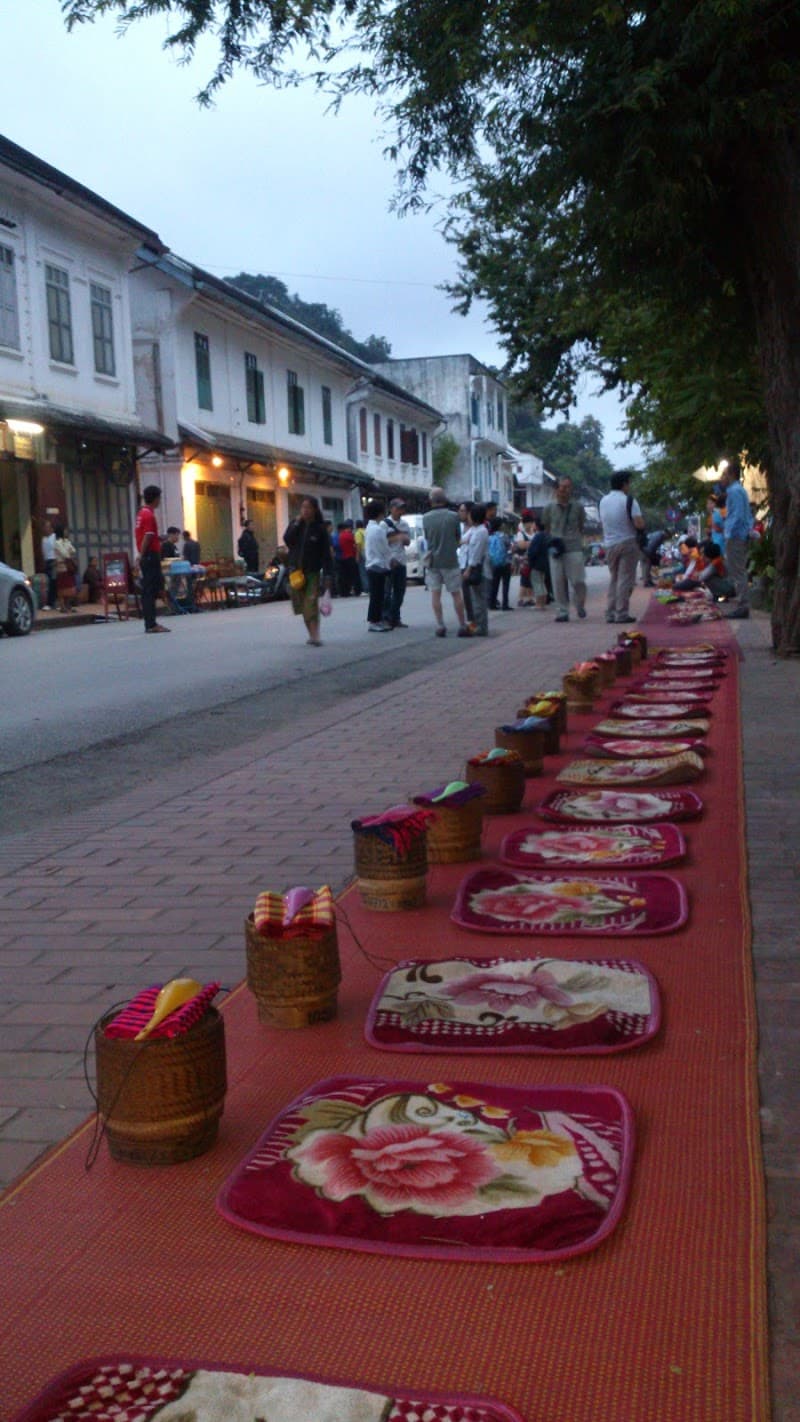
Remove shoes before entering any temple, guesthouse, or private home — look for the pile of sandals at the door, that's your cue.. The Tak Bat (morning alms giving) starts around 5:30–6am along the main streets of Old Town. If you want to observe, do it quietly.
Sit on a low stool, dress modestly (shoulders and knees covered), keep distance from the monks, and absolutely no flash photography. Buying alms from children hustling sticky rice kits is a known tourist trap — buy from proper vendors if you want to participate.. Never touch anyone's head.
In Lao culture the head is sacred. Don't pat children, don't ruffle anyone's hair.. Point with your whole open hand, not one finger.
Pointing a single finger at a person or sacred object is considered rude.. Offer and receive items with both hands — it shows respect. Handing over cash, gifts, or food one-handed reads as careless..
Eat sticky rice with your right hand. It's the staple food here, eaten by rolling a small ball and dipping it in dishes. Don't leave food on your plate; it's considered disrespectful..
UNESCO rules are real: Old Town shops and bars close by 11pm. Don't expect a late-night scene here — it doesn't exist, by design.. Always negotiate tuk-tuk prices before you get in.
Not after, not halfway. Before. Agreeing to a vague 'cheap price' and then disputing it at the destination creates friction for everyone..
Dress modestly for temples: shoulders and knees covered. Sarongs are often available to borrow at the entrance but bringing your own lightweight scarf is smarter and more considerate.. During festival season — especially Pi Mai — keep your electronics in waterproof bags.
The water fights don't care about your phone.
Safety
GENERALLY SAFE, WATCH SCAMS
Luang Prabang is genuinely safe by any regional measure. Low crime, friendly locals, relaxed atmosphere. That said: petty theft does happen in crowded markets, so keep bags zipped and phones in front pockets.
The Tak Bat alms-giving ceremony has an active scam scene — children sell overpriced alms kits and tourist agencies stage fake 'authentic' participation for photos. The US State Department flags Luang Prabang Province at Level 2 (Exercise Increased Caution) specifically due to unexploded ordnance (UXO) left from the Indochina War. In practice, this affects rural areas and off-trail hiking more than the city itself — stick to established paths and never touch unknown metal objects in the ground if you venture into the countryside.
Kuang Si Falls looks serene but the rocks are genuinely slippery, drownings do occur, and you should only swim in designated areas. Traffic is the other practical hazard: motorbikes move fast and unpredictably. Cross streets deliberately, make eye contact with drivers, and don't rent a scooter without real experience — mountain roads outside the city require skill.
Medical facilities in Luang Prabang are limited. Travel insurance with emergency evacuation coverage is strongly recommended.
Getting Around
WALK OR BICYCLE
The Old Town peninsula is tiny — 2km by 1km. Walk it, or rent a bicycle for around $1/day for anything slightly further afield. Tuk-tuks cost $1–4 for short trips around town, but always negotiate the price before you get in.
For Kuang Si Falls (29km south), a shared songthaew (truck-taxi) runs about $2.77 per person versus $15+ for a private car — ask at your guesthouse to find the shared departure point. The airport (LPQ) is 4km northeast of the Old Town.
Flat-rate taxis run about $2.29 for the 15-minute ride. Note: tuk-tuks are not permitted for airport pickups.
Flights connect to Bangkok (2 hours, $62–155), Hanoi (1 hour), Vientiane (45 minutes), and Siem Reap. The Laos-China high-speed railway is genuinely a game-changer. The Luang Prabang to Vientiane journey that used to take 10–12 grueling hours by bus now takes under 2 hours by train for $20–35.
Tickets sell out fast, especially around festivals, so book ahead. The slow boat from the Thailand border at Huay Xai is a 2-day Mekong journey costing $40–62 — scenic, slow, and worth it if you have the time. Long-tail boats also cross the Mekong to the south bank and go upriver to the Pak Ou caves.
Motorbike rentals ($5–10/day) work fine in town but mountain roads outside the city require real experience and cost you dearly in fines if caught without a license.
Useful Phrases
Luang Prabang Itineraries
View all
7 Days of Jungle-Wild Luang Prabang Highlights and Riverside Calm
Week · $$$
Three Lush Days in Luang Prabang’s Jungle Calm
Weekend · $$$
Jungle Cascades & Lantern Streets: Luang Prabang in 3 Days
Day Trip · $$$
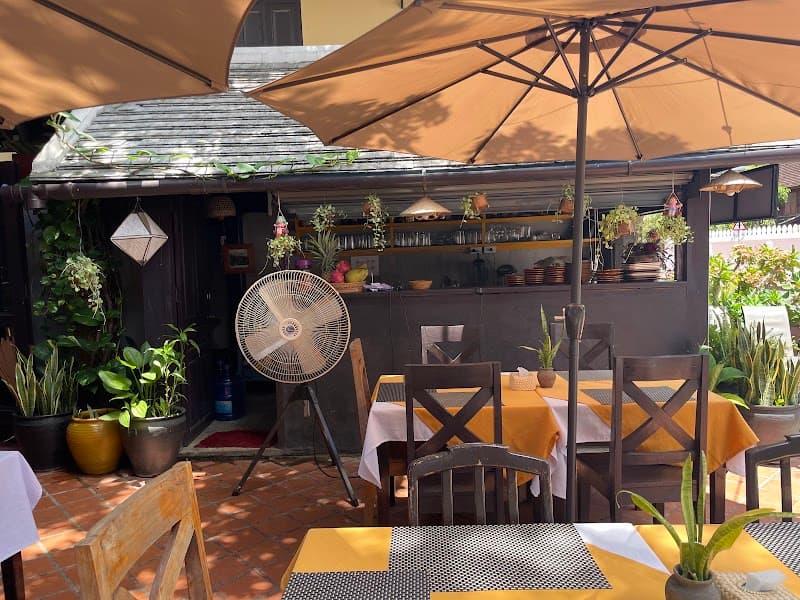
Seven Wild Green Days in Luang Prabang
Week · $$$
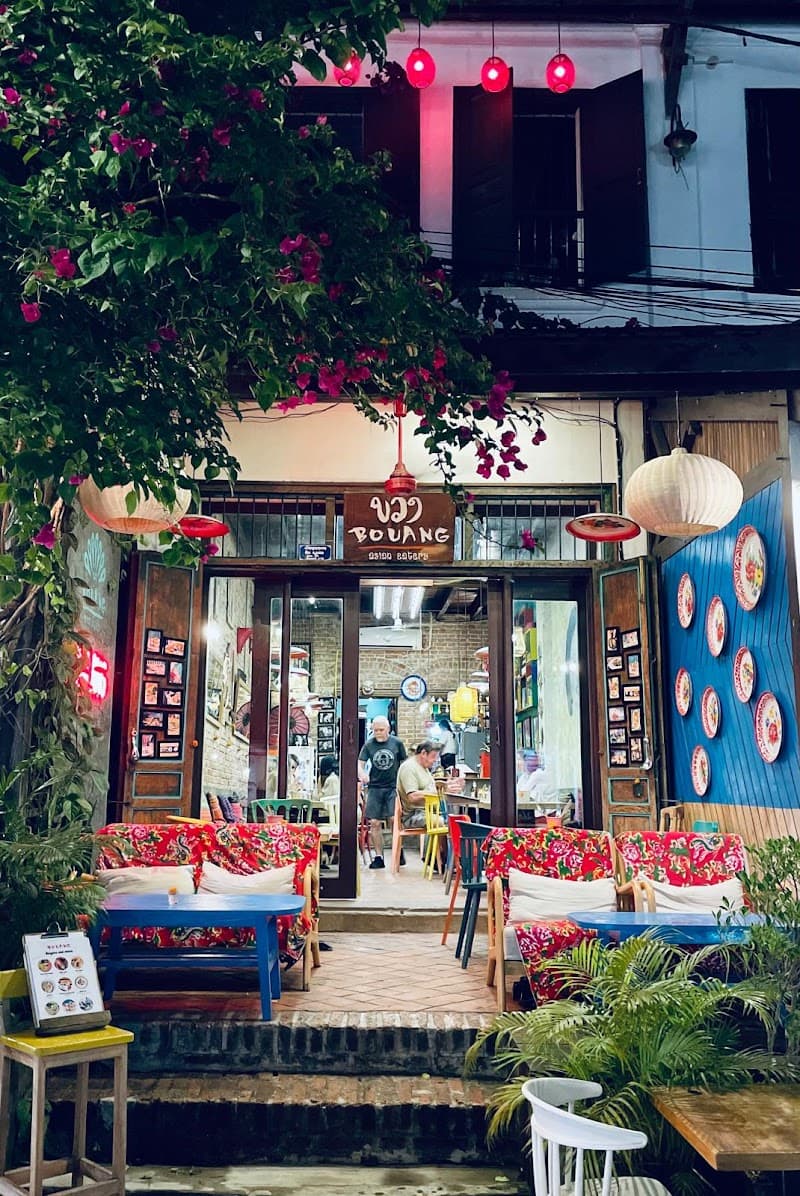
Luang Prabang Jungle Romance: Temples, Waterfalls, and Riverside Calm
Weekend · $$$
Luang Prabang Jungle Romance: Slow Temples, Waterfalls, Sunset
Day Trip · $$$
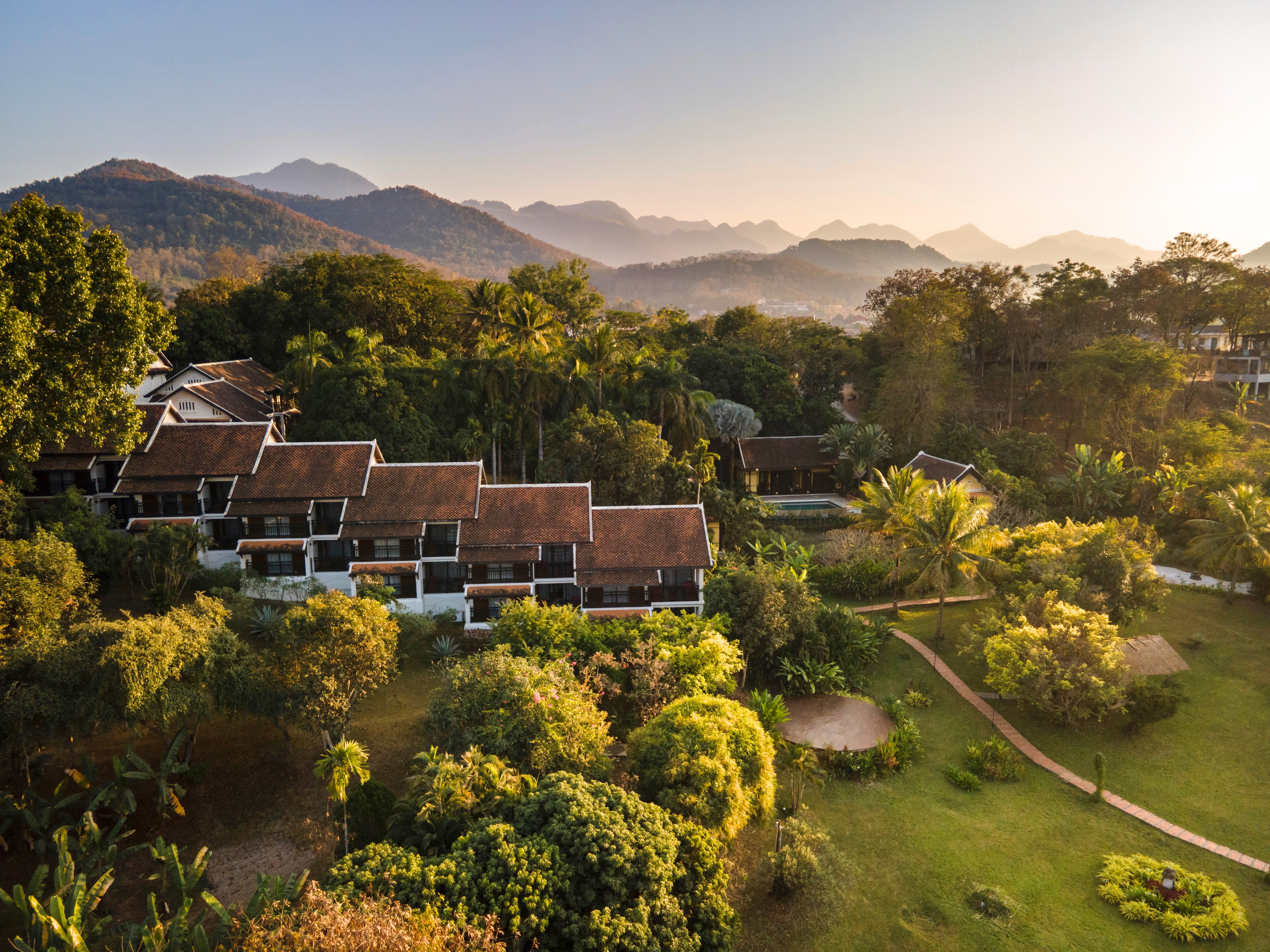
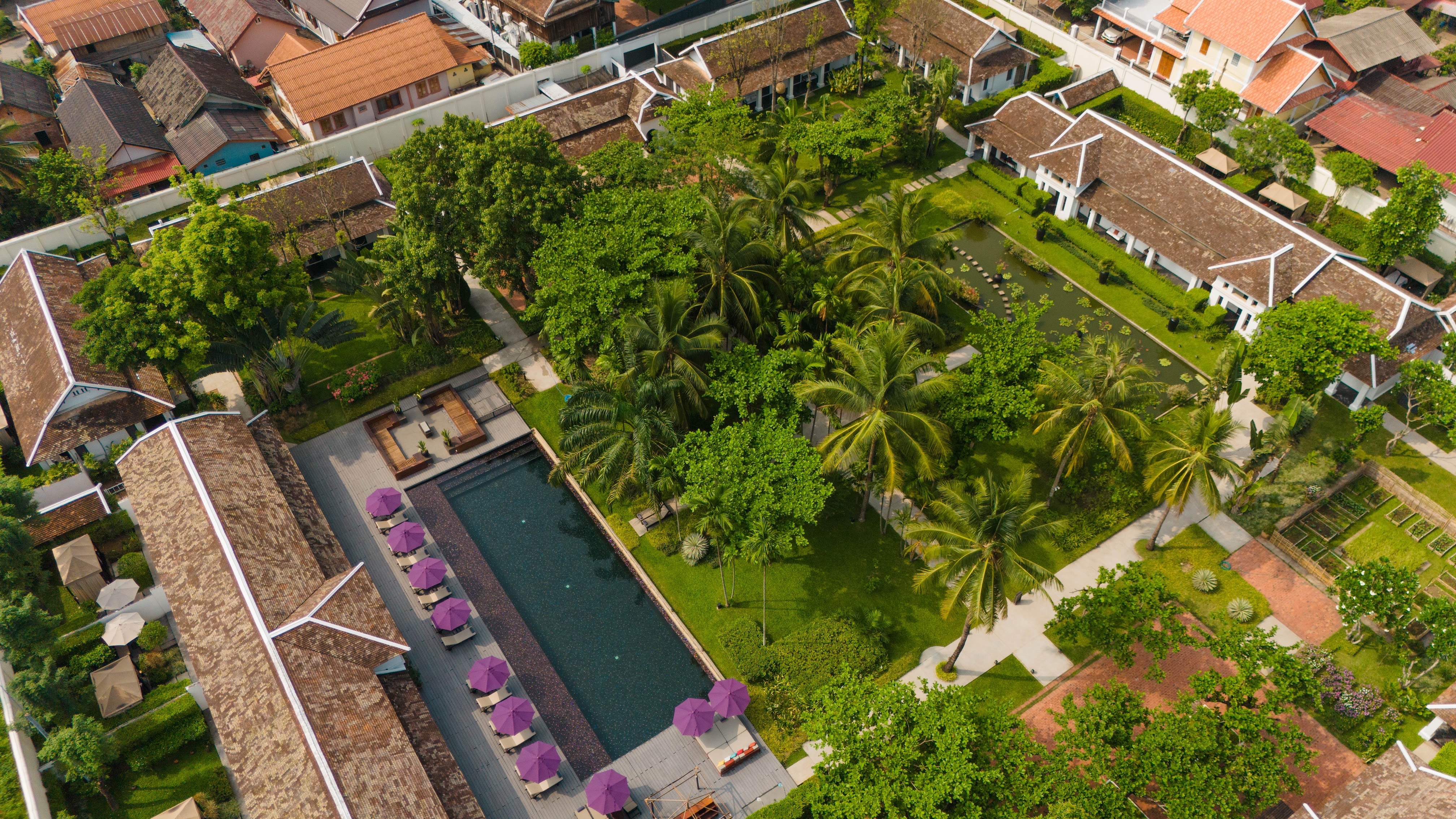
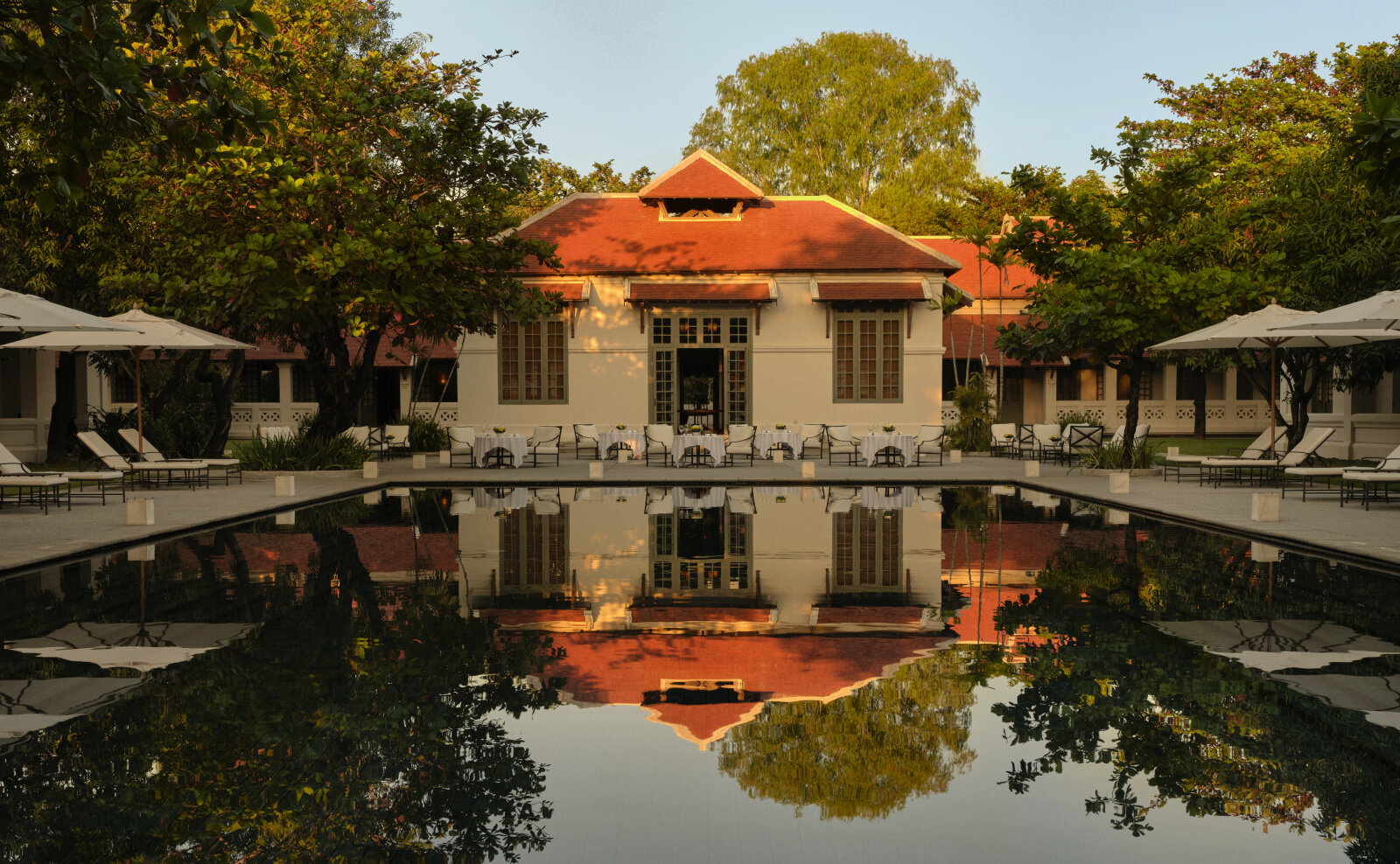
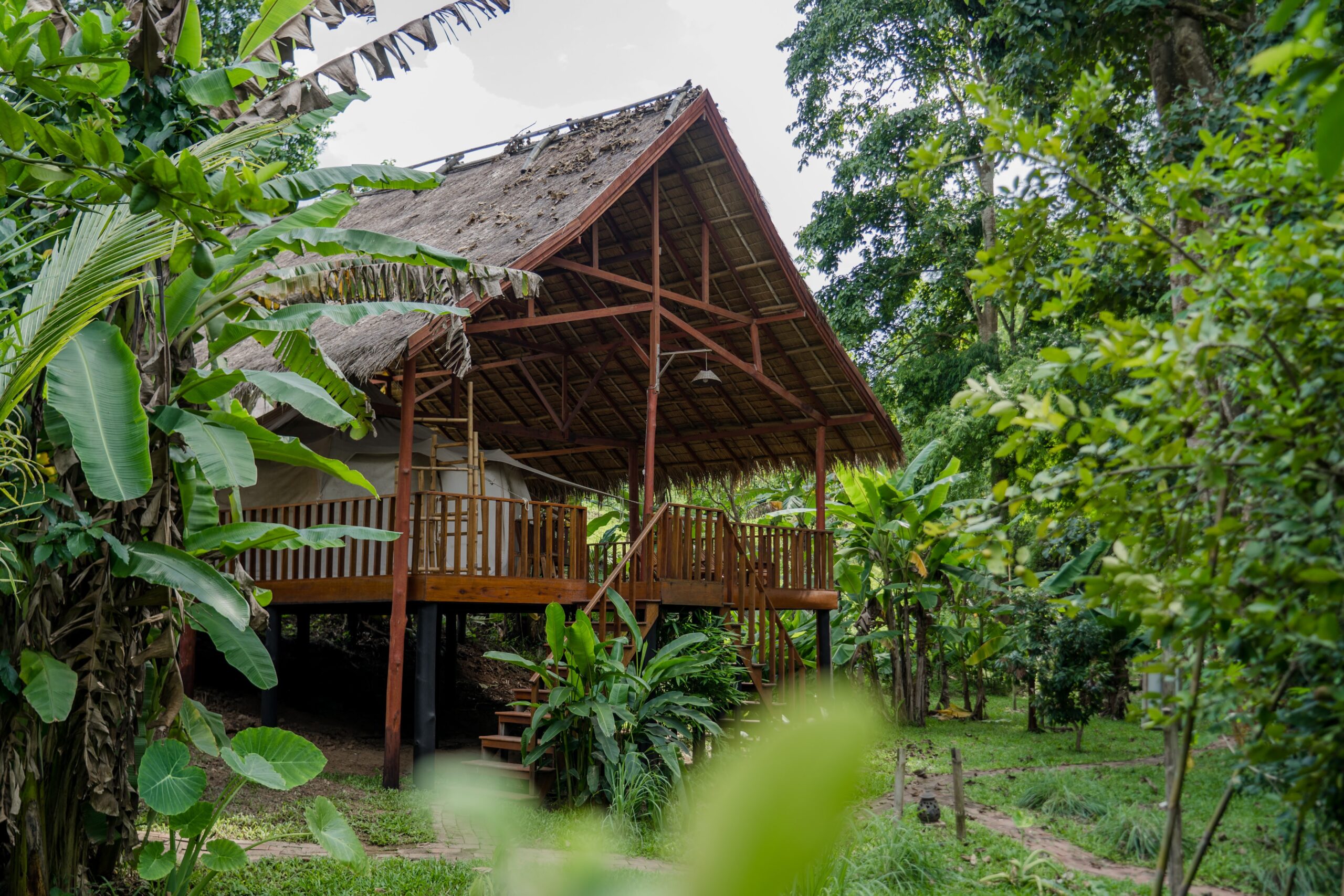
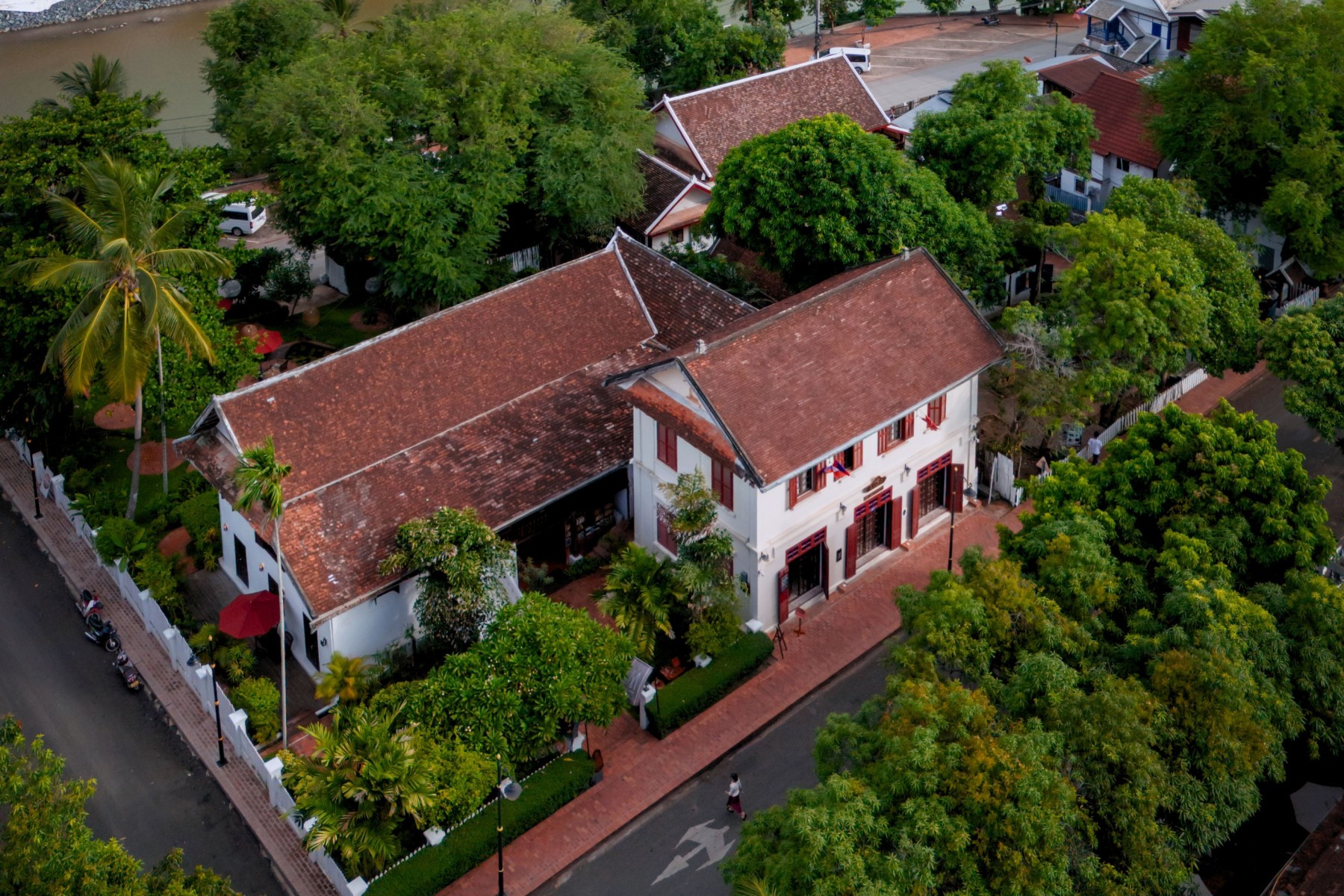
Where to Stay in Luang Prabang
8 recommended properties
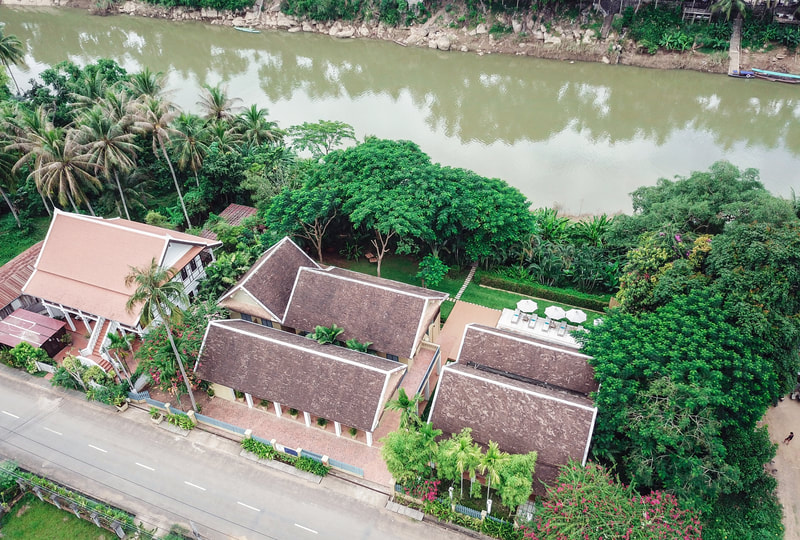
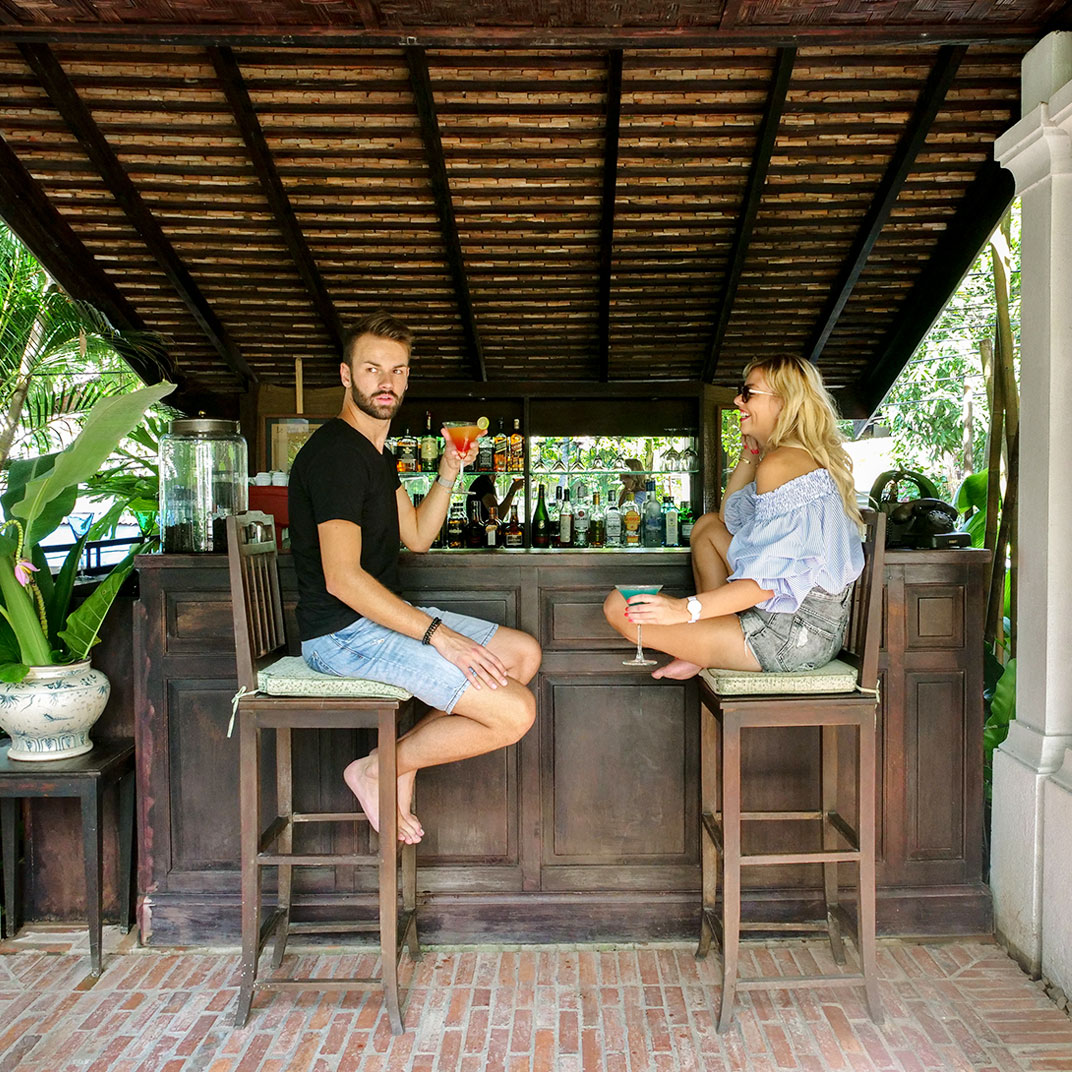
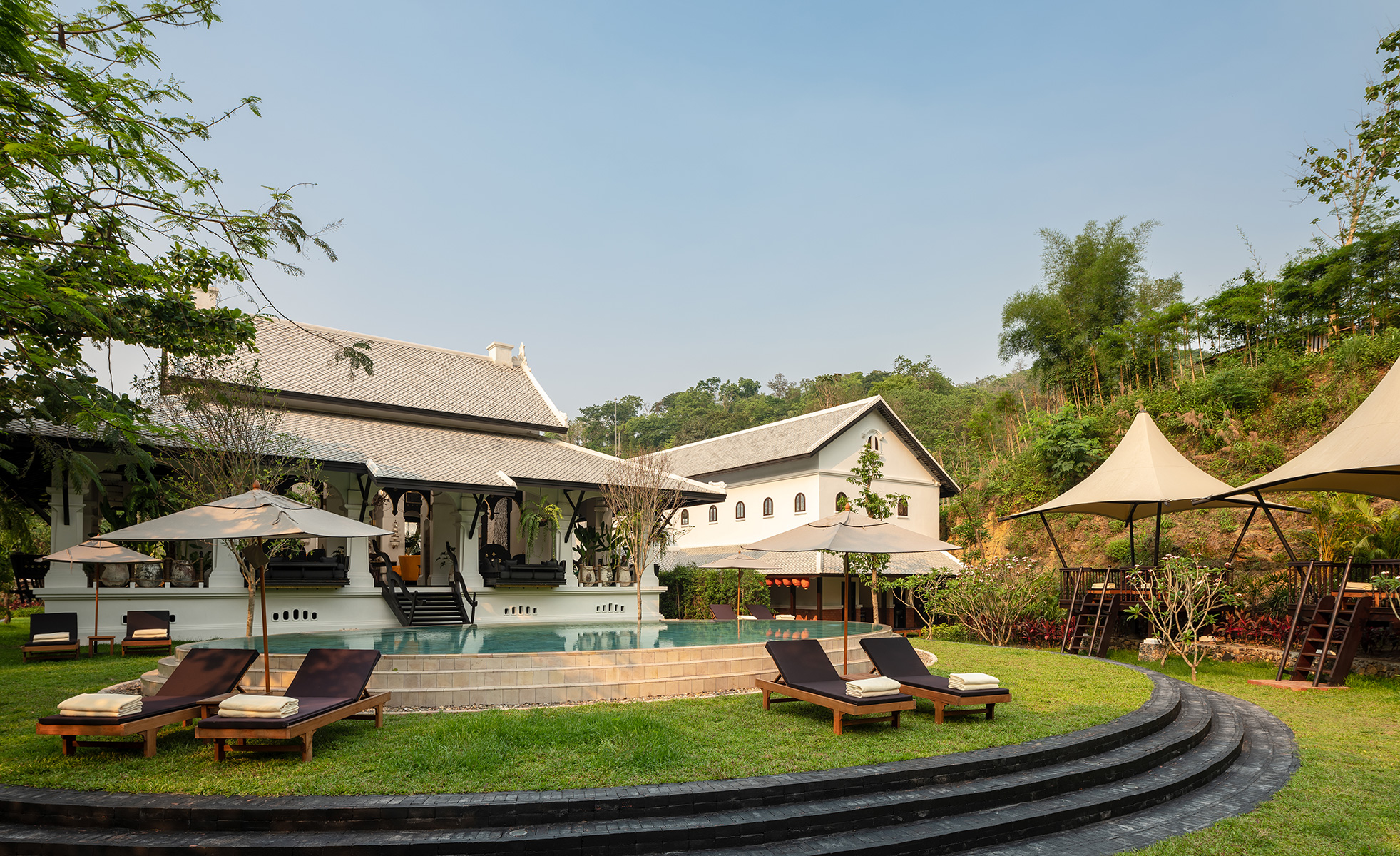
Things to Do in Luang Prabang
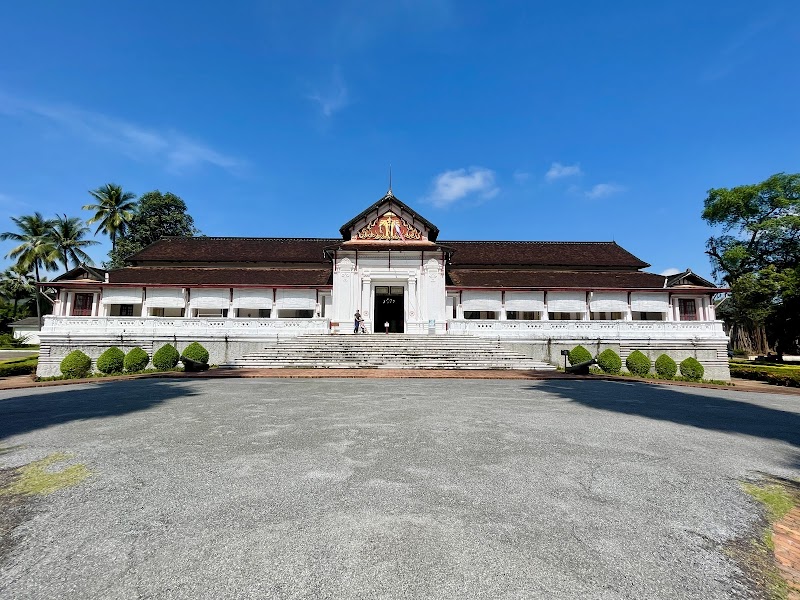
Royal Palace Museum (Haw Kham)
Old Town / Peninsula · 90 min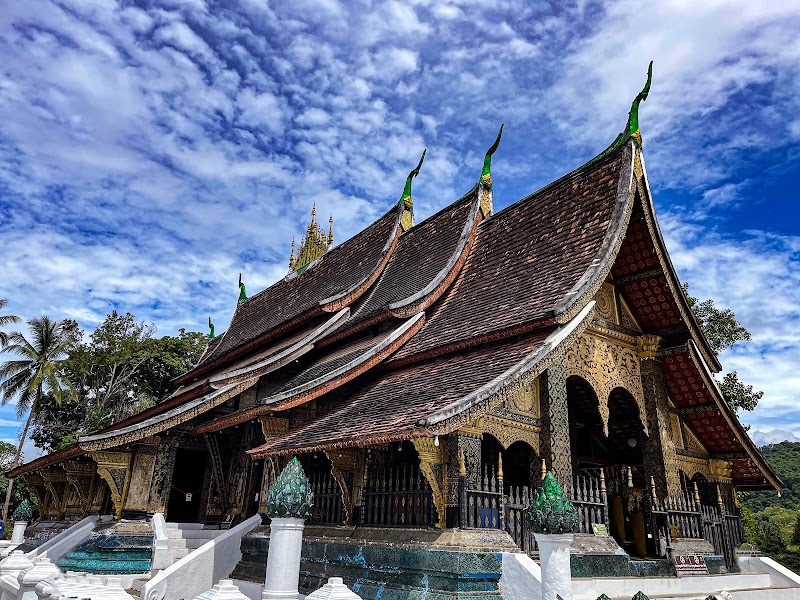
Wat Xieng Thong
Old Town / Mekong riverfront · 60 min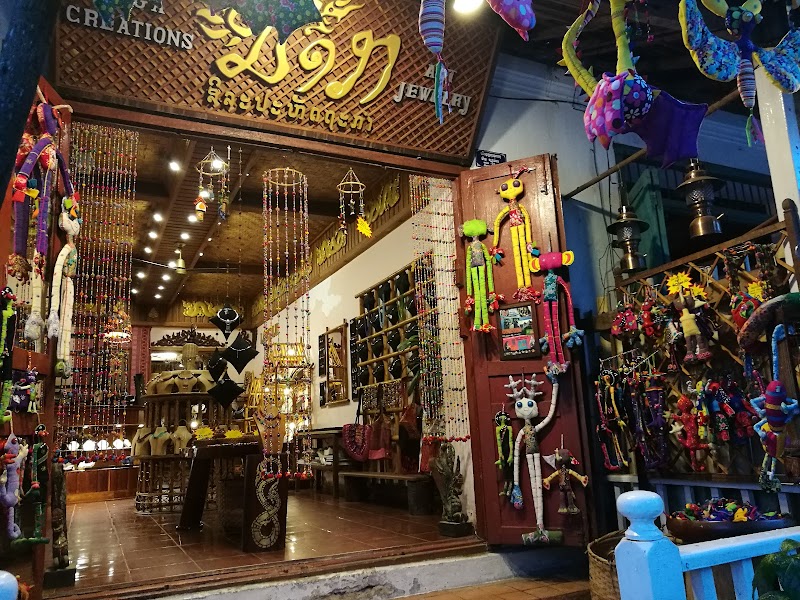
Luang Prabang Night Market
Old Town / Sisavangvong Road · 90 minMoney-Saving Tips
- 1.Withdraw cash at BCEL or ANZ banks in the old town - most guesthouses and restaurants don't accept cards
- 2.Bargain at the night market but temple donations are fixed prices posted on signs
- 3.Eat at the morning market near the old bus station for authentic food at local prices - khao soy costs 15,000 kip vs 45,000 at tourist restaurants
- 4.Rent bicycles from guesthouses (20,000 kip/day) instead of tourist shops (40,000 kip/day)
- 5.Book accommodation directly with properties to avoid booking site commissions - many offer 10% discounts for cash payment
- 6.Share tuk-tuks to Kuang Si Falls with other travelers to split the 200,000 kip cost
- 7.Buy Bus Lao tickets at the station (65,000 kip to Vang Vieng) rather than through tour agents who add 20,000 kip markup
Travel Tips
- •Participate in the alms ceremony respectfully - maintain 3-meter distance, no flash photos, and buy offerings from proper vendors not tourist shops
- •Dress modestly for temple visits - covered shoulders and knees required, remove shoes before entering halls
- •Learn basic Lao greetings - 'sabaidee' (hello) and 'khob chai' (thank you) open doors and smiles
- •Carry toilet paper and hand sanitizer - public facilities often lack both
- •Download offline maps before arriving - internet speeds are slow and coverage spotty outside town center
- •Pack insect repellent for evening temple visits - mosquitoes emerge at sunset near the rivers
- •Respect photography rules - many temple interiors prohibit photos, and always ask permission for portraits
- •Book popular restaurants in advance during high season - Tamarind and L'Elephant fill up quickly
- •Bring a headlamp for early morning alms ceremony - street lighting is minimal at 5:30 AM
Frequently Asked Questions
Explore Luang Prabang
BUILD YOUR
LUANG PRABANG PLAN
Insider picks, smart timing, and a plan ready when you are.
Start Planning