Sumba
Indonesia's untamed island of ancient traditions and pristine beaches
Sumba sits in Indonesia's forgotten corner, where stone-age villages meet beaches so pristine they hurt your eyes. This isn't Bali with its crowds and Instagram cafes. Here, megalithic tombs tower over rice fields, horses roam free across savannas, and the ocean crashes against cliffs that haven't changed in millennia.
Most travelers skip Sumba entirely. They fly over it on their way to Komodo or Flores, missing one of Indonesia's last truly untouched islands. But that's exactly what makes it special. The Sumbanese still practice ancient animist traditions, building massive stone tombs and staging elaborate funeral ceremonies that can cost more than houses.
The beaches are ridiculous. Weekuri Lagoon's turquoise waters sit behind a natural stone barrier. Mandorak Beach stretches for kilometers without a single hotel in sight. And the waves? World-class surf breaks with maybe five other people in the water.
Culture & Context
ANIMIST MEGALITHIC TRADITIONS
Sumba operates on an entirely different frequency from Bali or Lombok. The island is home to 24 ethnic groups speaking nine Austronesian languages. A large portion of the population — particularly in the west — still practices Marapu, an ancestral animist religion that shapes everything from village architecture to agricultural calendars to funeral ceremonies.
Megalithic stone tombs sit in the middle of village courtyards. About 100 new ones are still being built every year. The island was historically called Sandalwood Island by Dutch colonizers, who arrived in force in the 18th century and transformed vast forests into the dry savannahs you see today.
That colonial extraction is part of why Sumba remains one of Indonesia's poorest regions. Per capita income here sits far below the national average, and basic services like clean water are genuinely scarce in rural areas. Visitors who spend money directly with local guides, warung owners, and ikat weavers make a real difference.
Ikat weaving — hand-dyed geometric textiles using indigo leaves — is the island's most famous art form. Each piece can take months to complete. East Sumba produces some of the world's finest ikat, and the villages of Pau and Rende are the main weaving centers.
Horses are central to Sumbanese identity. The Sandalwood horse, small and tough, appears everywhere: on ikat fabric, at festivals, in daily life. The first thing you notice talking to any Sumbanese person is their red-stained teeth from chewing betel nut.
It's a sign of hospitality and social bonding, not poor hygiene. If you're offered some, accepting (or politely declining) is both fine.
Local Customs
ASK FIRST ALWAYS
Always ask permission before photographing people or entering village areas. This is non-negotiable. Some stones and ceremonial areas are sacred and cannot be photographed under any circumstances — your guide will tell you which..
Remove your shoes before entering traditional houses (uma). Watch what your guide does and follow suit.. Never touch a megalithic tomb.
These are active ancestral sites, not tourist props.. Dress modestly when visiting villages: cover your shoulders and knees. Swimwear is for beaches only.
Resort restaurants expect smart casual.. The left hand is considered unclean throughout Indonesia. Use your right hand for giving and receiving items, eating, and greeting..
Never show the sole of your foot toward another person — point your feet down or tuck them away when sitting.. When walking past a group of seated people, bow slightly and hold your right hand down as a sign of respect.. Most traditional ceremonies involve ritual animal sacrifice — water buffalo, pigs, chickens.
It can be confronting. Pigs in particular can be loud. This is part of the culture, not a show.
Approach with respect, not judgment.. Betel nut (chewing produces red-stained teeth and saliva) is offered as a gesture of welcome and social bonding. You'll see it everywhere.
Politely accepting or declining is both acceptable.. Tipping is not expected but appreciated. A $2–5 tip for a guide who gave you genuine access and insight means a lot here.
10% in restaurants for good service is a welcome gesture.
Safety
LOGISTICS OVER CRIME
Sumba is generally safe for travelers. The biggest risks are logistical, not criminal. Roads are rough, distances are long, and serious medical emergencies require evacuation to Bali — basic health facilities exist in Waingapu and Tambolaka, but anything serious goes straight to Bali.
Get travel insurance that covers medical evacuation. Full stop. Malaria is a real concern, particularly in East Sumba; it has been largely reduced in the west but hasn't disappeared.
Consult a doctor about antimalarials before departure. Carry your own basic medications, as pharmacies outside the main towns are limited and unreliable. At night, avoid walking alone in remote areas.
Use registered drivers for evening transport — your guesthouse or resort can arrange this. Keep credit cards and large cash out of sight in market areas. ATMs are only in Waingapu and Tambolaka, so carry enough Rupiah when heading anywhere rural.
Drivers will sometimes quote prices several times higher than the correct fare, especially for trips out of Pero or smaller villages — check with your guesthouse or a local before accepting a price.
Getting Around
HIRE LOCAL GUIDE-DRIVER
Sumba has two airports. Tambolaka (TMC) serves West and Southwest Sumba, about an hour's drive from the Kodi/Nihiwatu resort area. Waingapu (WGP) serves East Sumba and is the island's main gateway.
Both have daily flights from Bali's Ngurah Rai Airport (DPS) on Wings Air and Garuda Indonesia — flight time is about 90 minutes. Flights from Bali start around IDR 2,000,000 (~$115 USD) and sell out fast in dry season (May–October) and Pasola season (February–March). Book early.
A classic strategy is to fly into one airport and out the other after an east-to-west or west-to-east road trip. The overland journey between Waingapu and Waikabubak takes 3–4 hours by bus or shared car (locally called 'travels') on roads that are mostly passable but occasionally rough. You cannot rely on Google Maps in remote areas.
Hire a local guide-driver — budget $40–60/day for a private driver-guide combination. This isn't a luxury; it's the only realistic way to reach villages, waterfalls, and viewpoints safely. Ojek (motorcycle taxis) cover short hops in towns for $2–5.
Inter-city buses run but operate on loose schedules. Ferry connections exist from Ende (Flores) to Waingapu and from Sape (Sumbawa) to Waikelo harbor — useful for multi-island trips but slow.
Useful Phrases
Sumba Itineraries
View all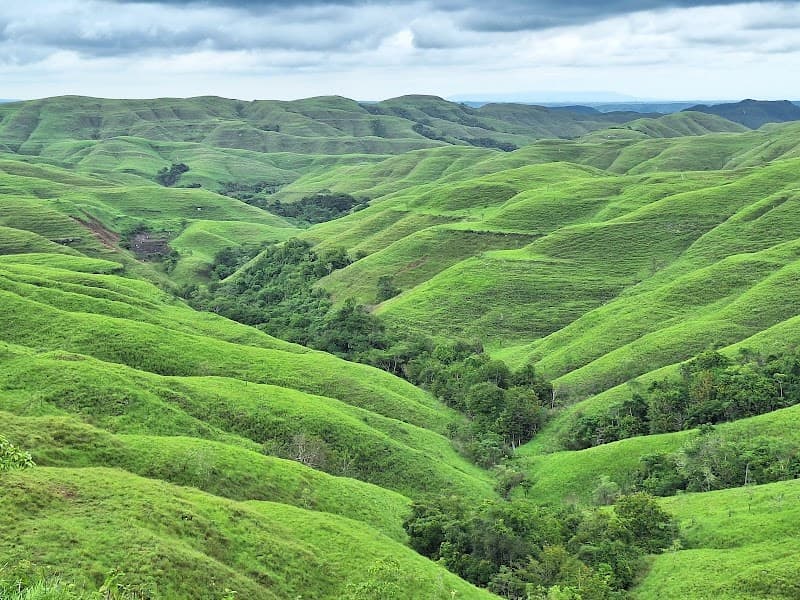
Seven Days of Wild Sumba: Beaches, Villages, and Clifftop Sunsets
Week · $$$
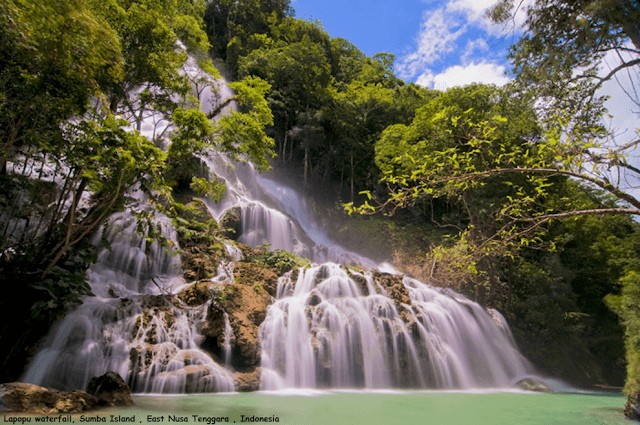
Wild Sumba: Jungle Hills, Secret Lagoons & Village Life
Weekend · $$$
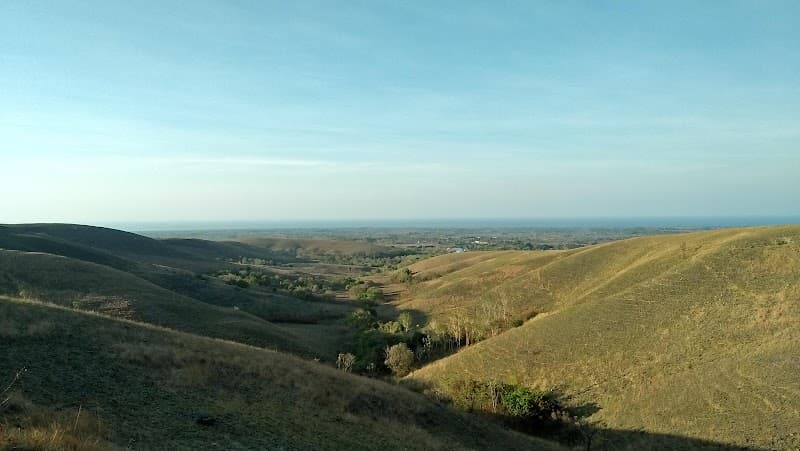
Raw & Romantic Sumba: Wild Hills, Empty Shores, Ikat Dreams
Week · $$$
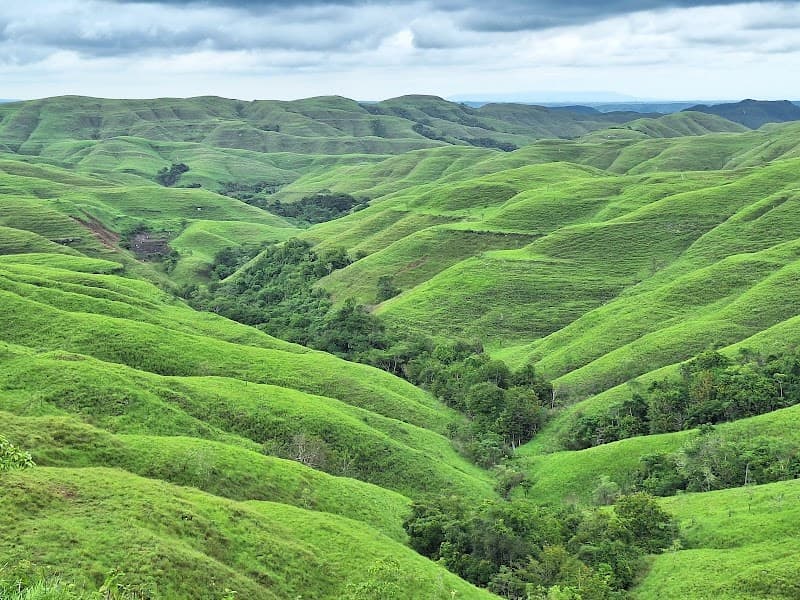
3-Day Jungle-Wild Sumba Romance with Waterfalls and Wild Hills
Weekend · $$$
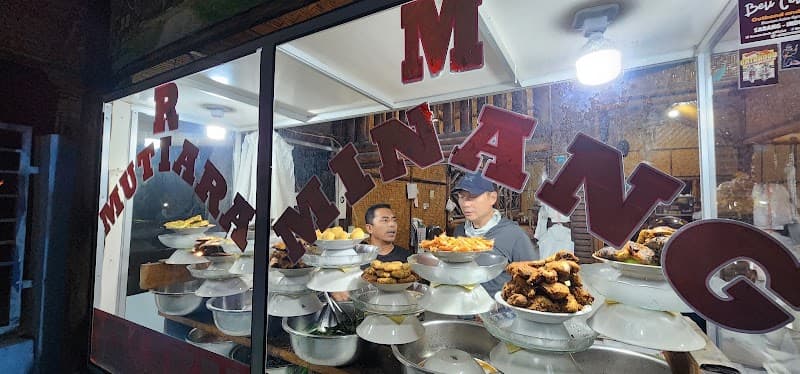
7 Wild Days in Sumba: Lagoons, Hills & Village Life
Week · $$$
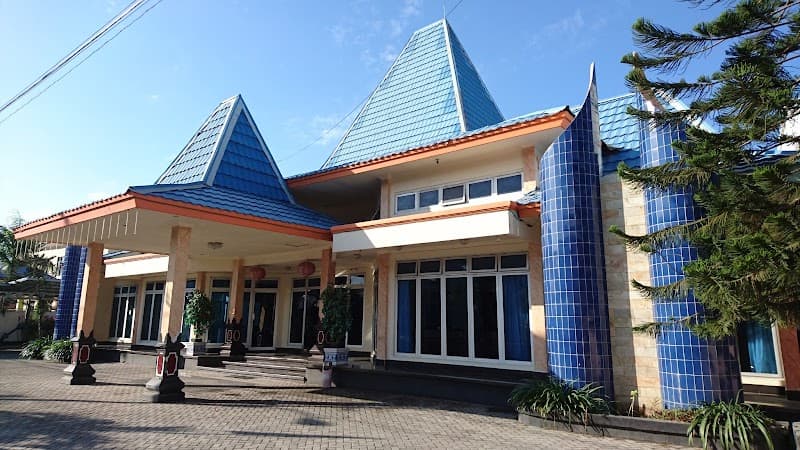
Sumba Family Escape: Waterfalls, Beaches, and Wild Savanna
Weekend · $$$
Things to Do in Sumba
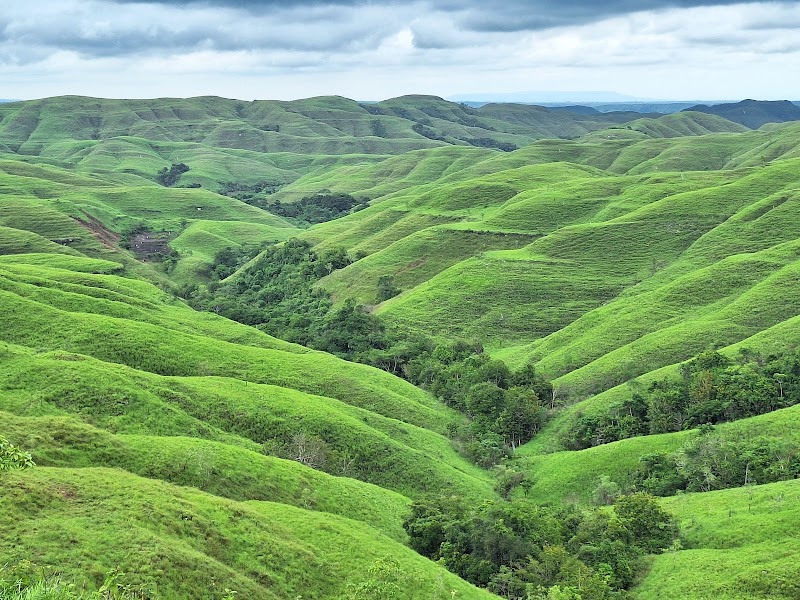
Wairinding Hill
Wairinding / East Sumba highlands · 90 min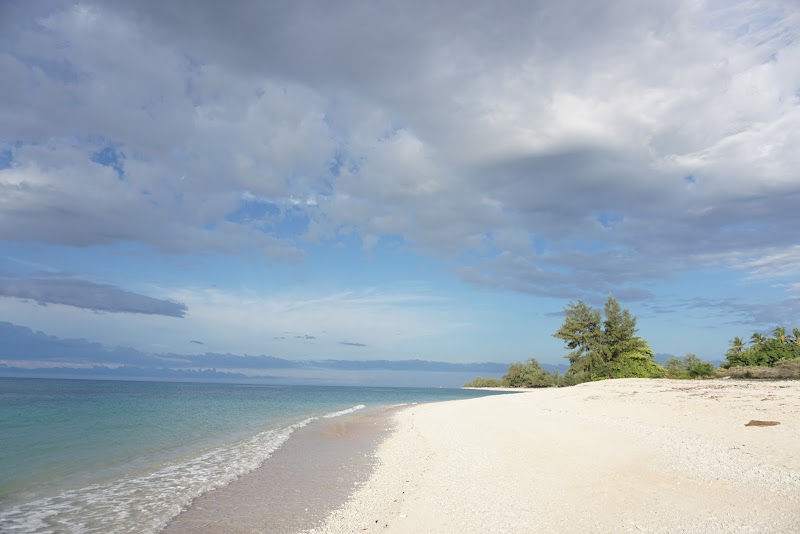
Puru Kambera Savannah & Beach
Puru Kambera Beach · 120 min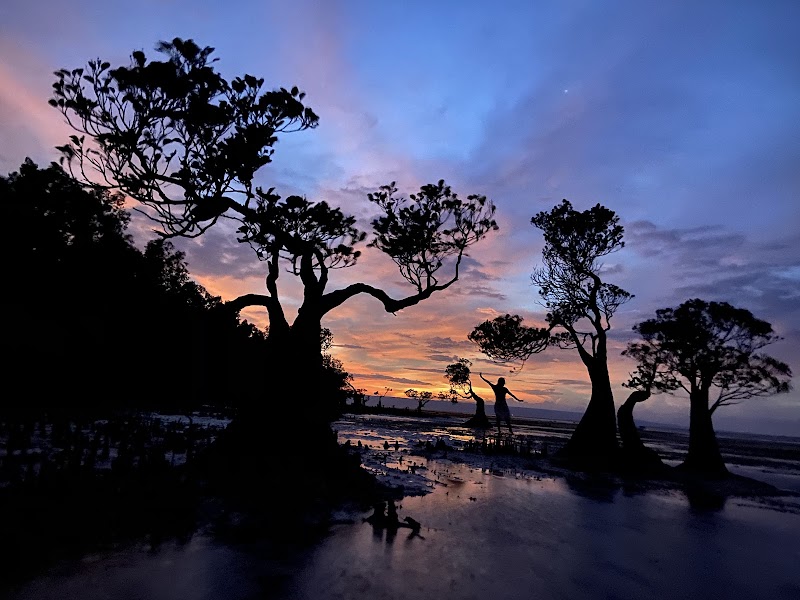
Walakiri Beach
Walakiri / East Sumba coast · 120 minMoney-Saving Tips
- 1.Bring cash – ATMs exist only in Waingapu and Waikabubak, and they frequently run empty
- 2.Negotiate motorbike rentals for weekly rates, often 30% cheaper than daily prices
- 3.Village homestays include meals in the price, saving 100,000+ rupiah per day on food
- 4.Buy snorkeling gear in Denpasar before flying to Sumba – island prices are triple
- 5.Fuel up whenever you see a station – remote areas charge premium prices
- 6.Hire drivers through your accommodation for better rates than street negotiations
- 7.Stock up on bottled water in towns – village shops charge tourist prices
Travel Tips
- •Download offline maps before arriving – cell coverage is spotty outside main towns
- •Pack a headlamp for village visits – electricity is unreliable in remote areas
- •Bring reef-safe sunscreen – Sumba's coral reefs are pristine and worth protecting
- •Learn basic Indonesian phrases – English speakers are rare outside tourist areas
- •Respect photography rules in traditional villages – some ceremonies are off-limits
- •Carry a basic first aid kit – medical facilities are hours away from remote beaches
- •Book accommodations in advance during dry season – options are limited
- •Dress modestly when visiting villages – shoulders and knees should be covered