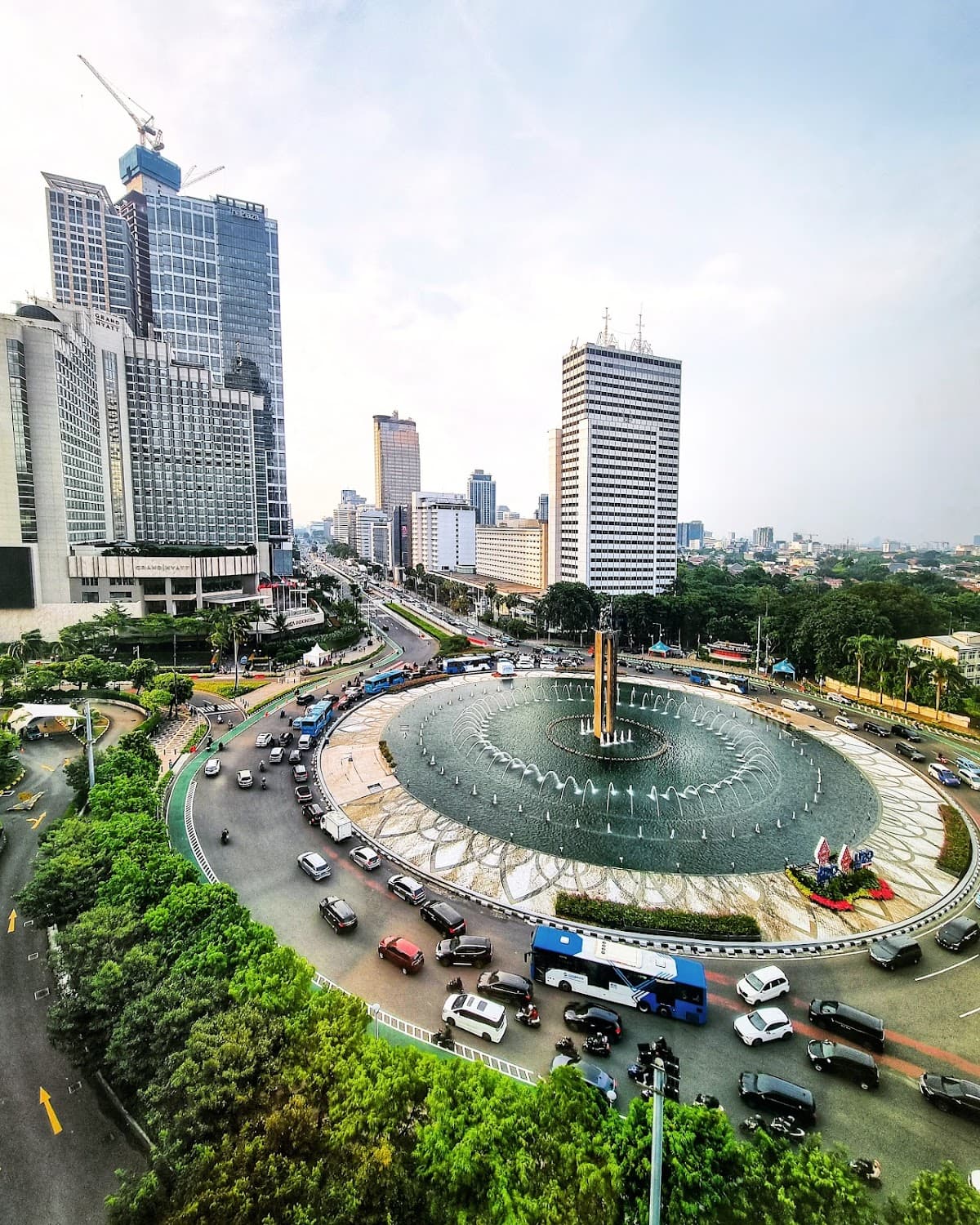
Jakarta
Indonesia's Dynamic Megacity of Contrasts and Culture
Jakarta hits you like a wall of heat, sound, and possibility the moment you step outside the airport. This sprawling metropolis of 10 million people is Indonesia's beating heart – a place where gleaming shopping malls sit next to street food stalls serving the best gado-gado you'll ever taste. Sure, the traffic is legendary and the humidity is no joke. But look past the chaos and you'll find a city that's endlessly fascinating, surprisingly affordable, and home to some of Southeast Asia's most exciting food and nightlife scenes.
Best Months
APR – SEP
~32°C · moderate crowds
Culture & Context
ARCHIPELAGO MELTING POT
Jakarta is Indonesia's economic and political capital — home to 10+ million people and a genuine melting pot for the archipelago's 300+ ethnic groups. The original Jakartans are Betawi people, but you'll find Javanese, Sundanese, Padang, Chinese-Indonesian, and Arab-Indonesian communities all living side by side. Indonesia is the world's largest Muslim-majority country, and that shapes daily life in concrete ways.
Mosques call five times a day. During Ramadan, many warungs close in daylight hours and the city takes on a slower, more reflective energy. The city runs on relationship-based trust and soft communication.
Raising your voice or showing frustration publicly is a real social misstep. And Look, the food here tells the whole story: Betawi cuisine pulls from Chinese, Arabic, Indian, and Portuguese influences. Try soto Betawi (spicy beef stew) or gado-gado (fresh vegetables with peanut sauce) from a stall that's been doing it for decades.
Local Customs
RIGHT HAND, SOFT VOICE
Remove your shoes before entering someone's home or a place of worship. This is non-negotiable — look for the pile of shoes at the door and follow suit.. Use your right hand for greetings, handing over money, and giving gifts.
The left hand is considered unclean in Indonesian and Islamic tradition.. Don't point with your index finger. Use your thumb or an open hand to gesture toward something — pointing with a finger is considered rude..
Don't touch anyone's head, even affectionately with children. It's considered deeply disrespectful.. Greet people based on time of day: 'Selamat pagi' (morning), 'Selamat siang' (midday), 'Selamat sore' (afternoon/evening).
Any attempt gets a warm reception.. Haggling is expected at traditional markets like Tanah Abang. Start at roughly half the asking price and meet somewhere in the middle.
Don't feel awkward about it.. During Ramadan, avoid eating, drinking, or smoking in public spaces during daylight hours — especially near mosques. It's a matter of basic respect..
Keep your composure. Getting visibly frustrated or raising your voice makes everyone uncomfortable and rarely resolves anything faster. Soft, patient communication works best here.
Safety
WATCH SMALL STUFF
Jakarta is a moderate-risk city. Violent crime targeting tourists is genuinely uncommon. What actually catches people out is the small stuff: pickpocketing on commuter trains and at crowded markets like Tanah Abang, overcharging by unlicensed taxis at the airport (use Blue Bird or book via Grab exclusively), and occasional scams around the Kota Tua tourist area.
Always confirm driver name and plate before getting into any ride-hail car. Flood season runs November through March. Heavy rain can waterlog streets fast — monitor weather forecasts and avoid walking or driving through floodwater.
The US State Department maintains an "exercise increased caution" advisory for Indonesia due to terrorism, but the security presence at malls and hotels is visible and consistent (X-ray machines and metal detectors are standard at most major venues). LGBTQ+ travelers should be discreet in public. Indonesia has conservative social norms, and the revised criminal code effective January 2026 includes penalties for cohabitation and sex outside marriage, though implementation details are still being clarified.
Drug laws are among the harshest in the world — possession can carry the death penalty, and some ADHD medications legal elsewhere are illegal here. Tap water is not safe to drink anywhere in the city. Bottled water is cheap and everywhere.
Emergency number: 112. Jakarta medical emergency: +62 877-7575-6886 (Emergency Care Paramedic).
Getting Around
MRT & RIDE-HAIL
The MRT (North-South Line, Lebak Bulus to Bundaran HI) is the fastest and cleanest way to move across the city. Fares run Rp 3,000–14,000 ($0.20–$0.
85) depending on distance. Get a JakLingko card for about $1.76 — it covers MRT, TransJakarta buses, and the KRL Commuter Line all on one tap.
TransJakarta buses operate on dedicated lanes covering nearly 90% of the city for a flat Rp 3,500 ($0.22). For everything else: install both Gojek and Grab and compare prices per trip.
Gojek tends to be cheaper for short rides; Grab sometimes wins on longer distances. A motorbike ojek can turn a 30-minute car crawl into a 10-minute run through traffic. But motorbikes carry more risk, so weigh that against the time saving.
Rush hour is brutal — 6–10am and 4–8pm. Plan around it or budget double the travel time. Blue Bird taxis (green cars) are the only reliable street taxi option, with a meter that starts at Rp 15,000.
Skip any taxi that doesn't use a meter. From Soekarno-Hatta airport: take the Railink airport train to Manggarai for around Rp 70,000 (~$4.10).
It bypasses the notorious airport highway gridlock and is far more reliable than any taxi during peak hours.
Useful Phrases
Jakarta Itineraries

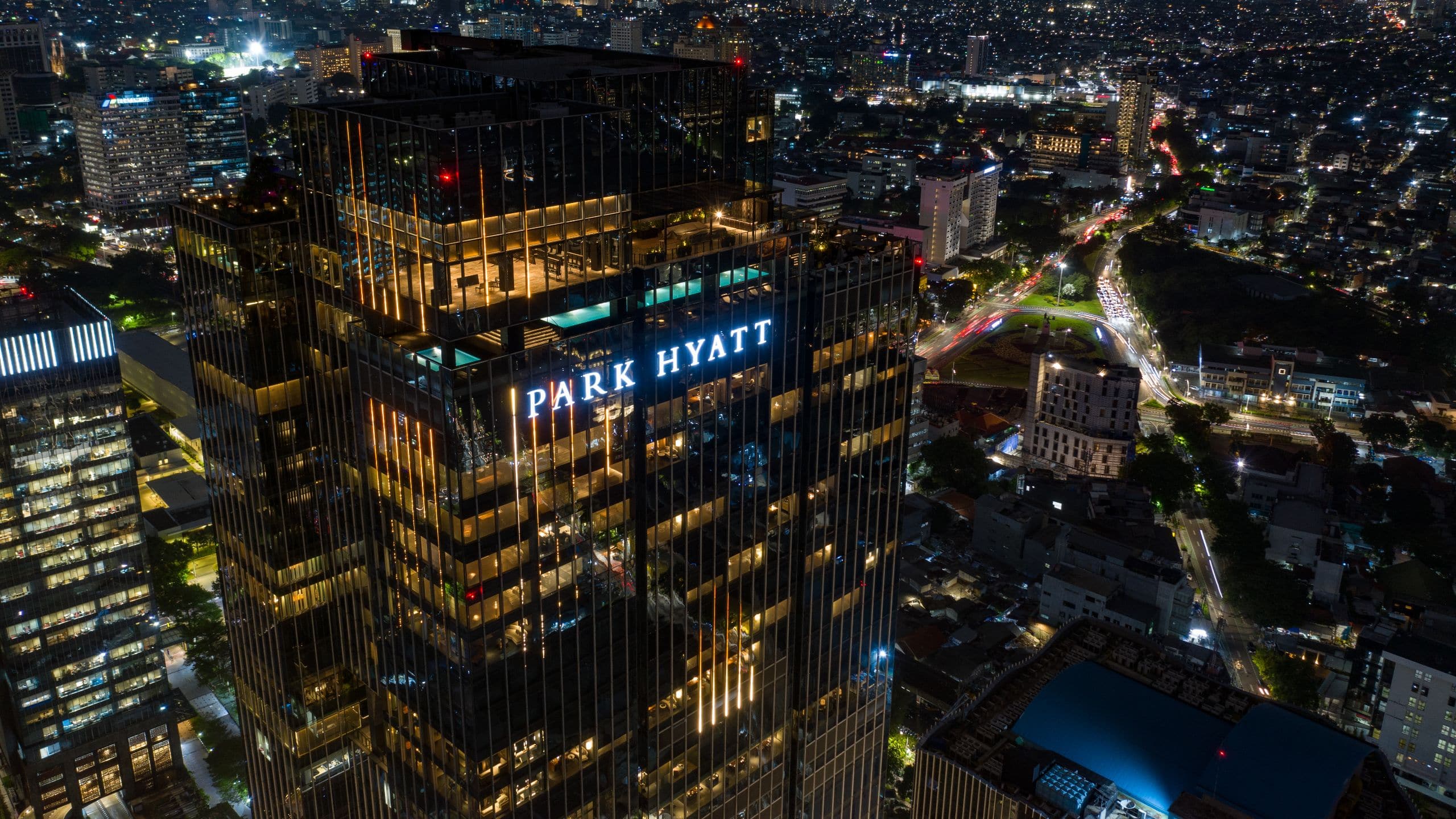
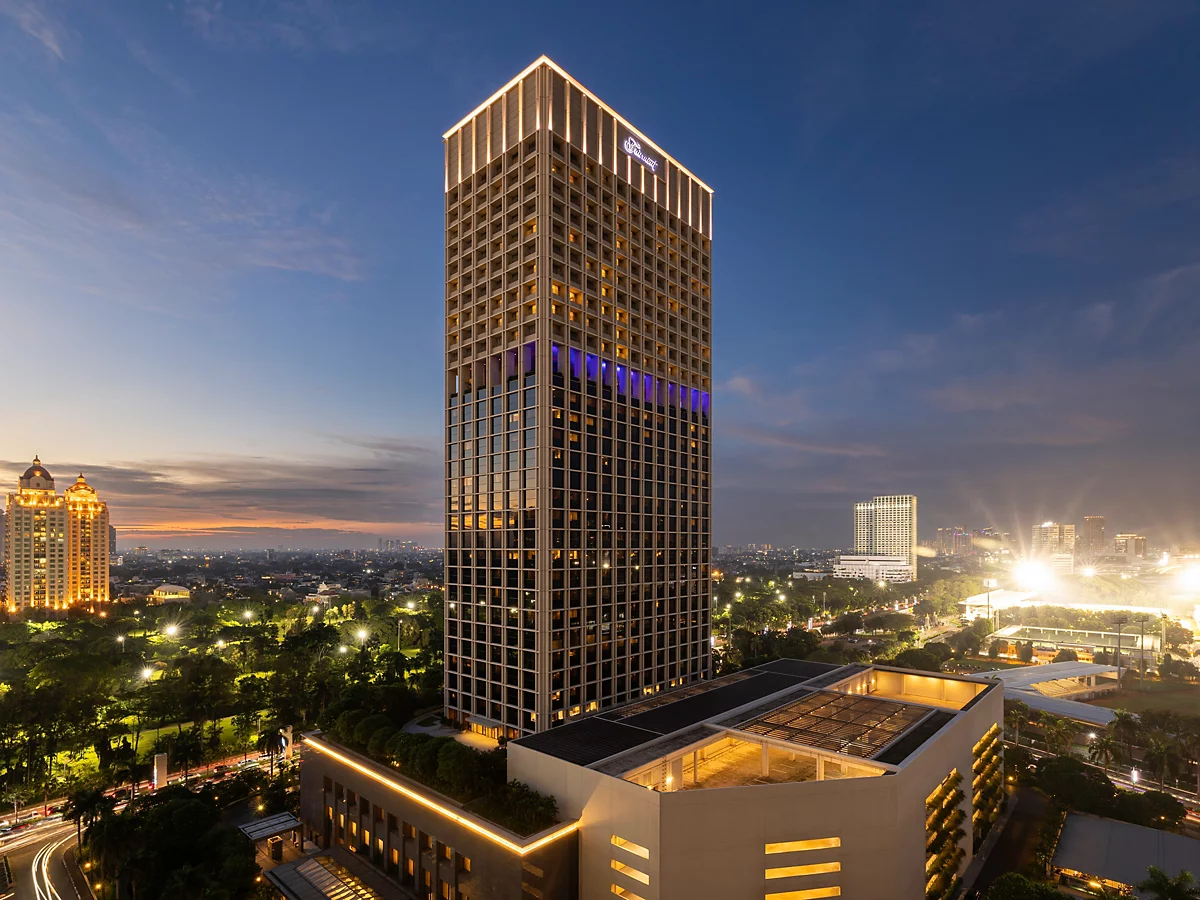
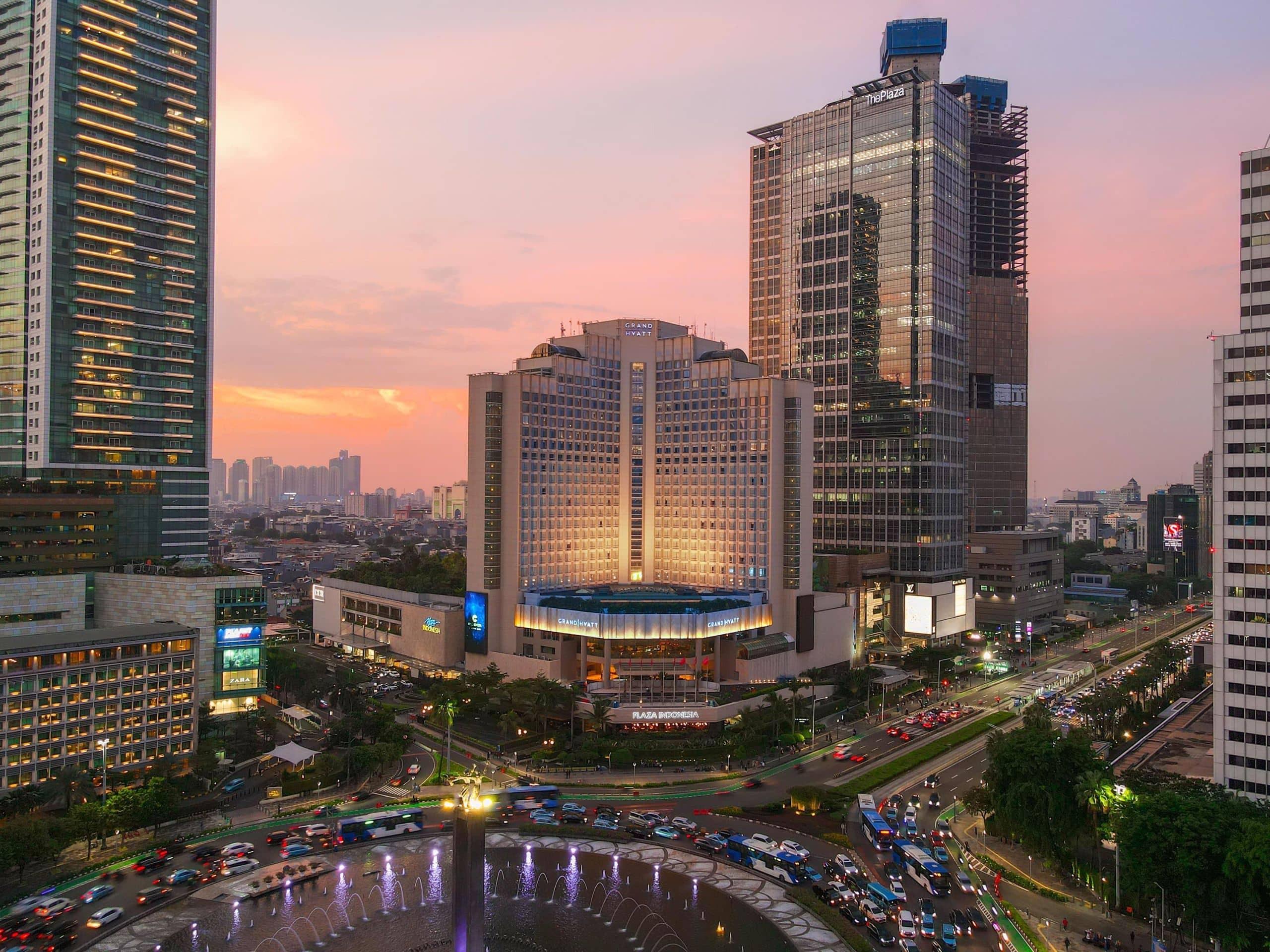
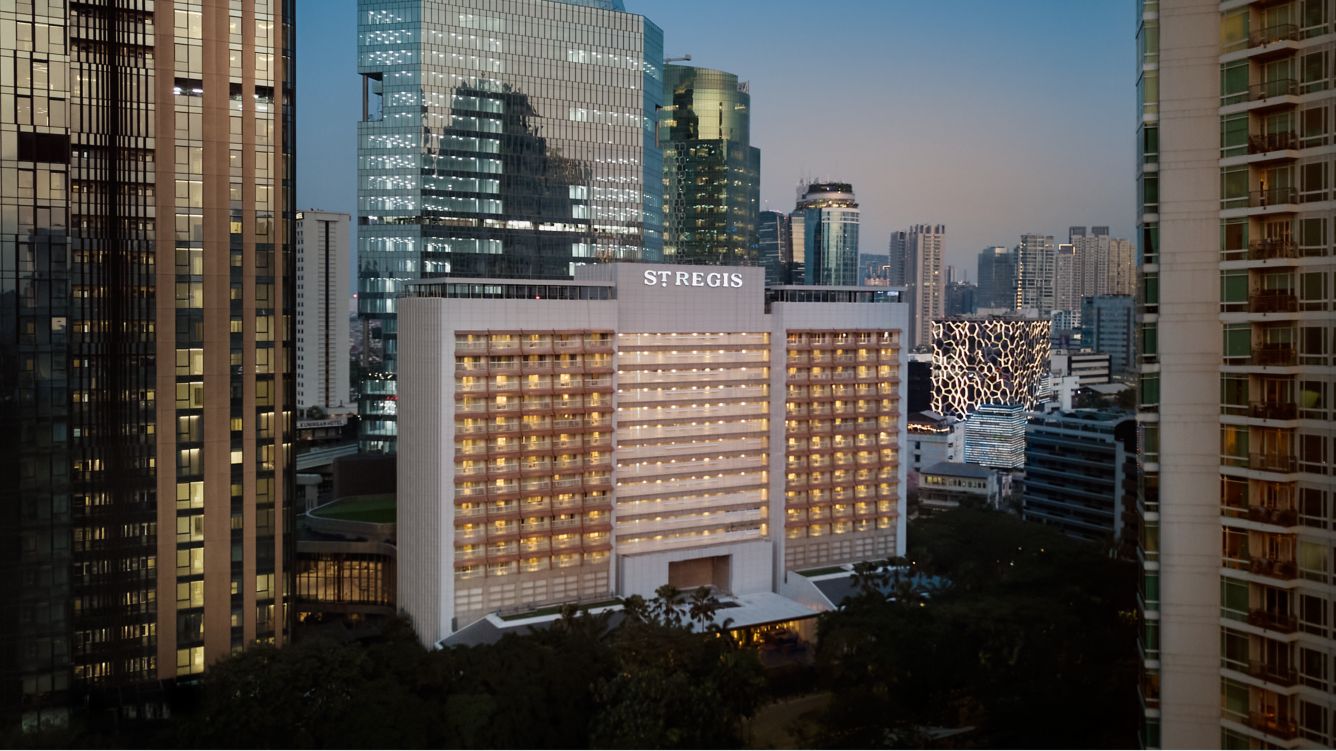
Where to Stay in Jakarta
9 recommended properties


Things to Do in Jakarta
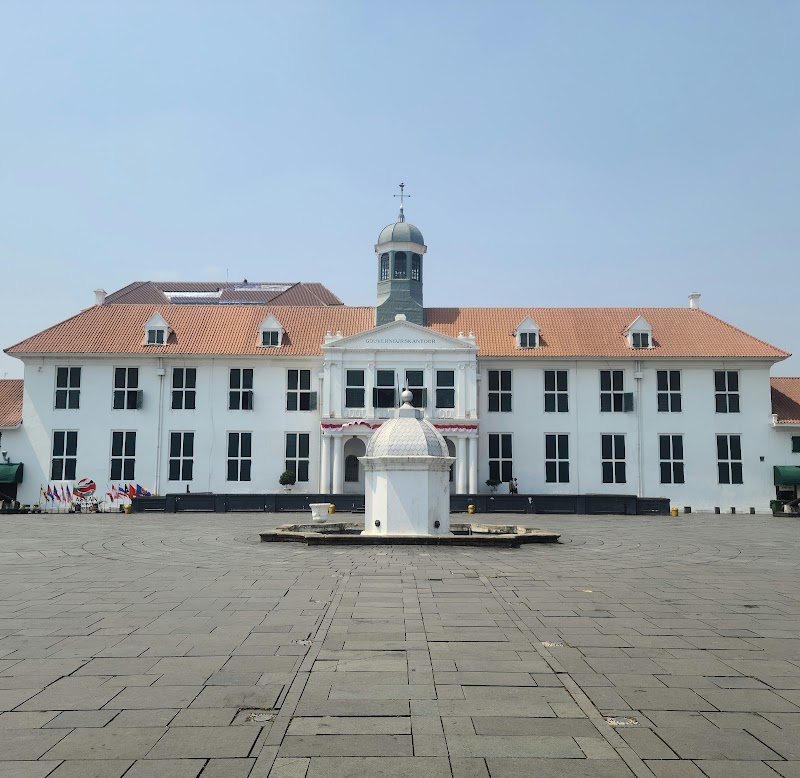
Fatahillah Square (Taman Fatahillah)
Kota Tua · 90 min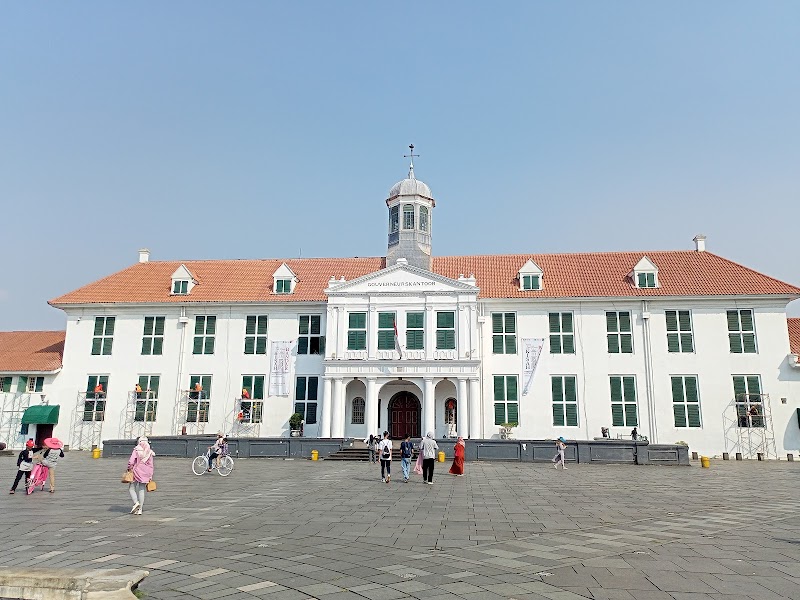
Jakarta History Museum (Museum Fatahillah)
Kota Tua · 60 min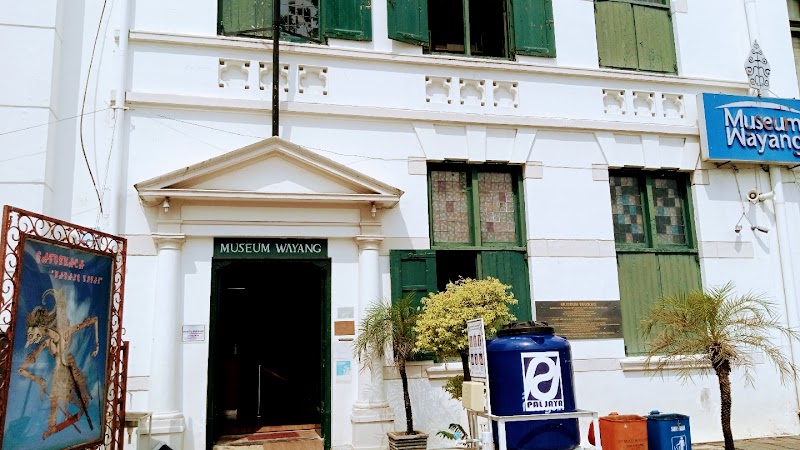
Wayang Museum (Puppet Museum)
Kota Tua · 60 minMoney-Saving Tips
- 1.Street food costs 15,000-25,000 rupiah per meal – eat where locals eat for the best value and authentic flavors
- 2.TransJakarta buses cost only 3,500 rupiah per ride and beat expensive taxis stuck in traffic
- 3.Shopping malls often have free WiFi and air conditioning – perfect for escaping heat without spending money
- 4.Local wartegs (diners) serve filling meals for under 20,000 rupiah, much cheaper than tourist restaurants
- 5.Buy a Flazz card for public transport – it works on buses, trains, and some tolls with small discounts
- 6.Avoid tourist areas like Monas for dining – walk two blocks away and prices drop significantly
- 7.Many museums offer free entry on Sundays for Indonesian citizens – some extend this to all visitors
Travel Tips
- •Download offline maps before arriving – GPS can be unreliable in dense urban areas and during heavy rain
- •Carry tissues and hand sanitizer everywhere – public restrooms often lack basic supplies
- •Learn basic Bahasa Indonesia greetings – locals appreciate the effort and it helps with street food ordering
- •Always carry cash in small denominations – many vendors can't break large bills
- •Dress modestly when visiting mosques – cover shoulders and knees, and remove shoes before entering
- •Keep important documents in waterproof pouches during rainy season – flooding happens quickly
- •Negotiate prices at traditional markets but not in malls or restaurants with posted prices
- •Stay hydrated but stick to bottled water – tap water isn't safe for drinking
- •Traffic jams are legendary – always allow extra travel time, especially during rush hours