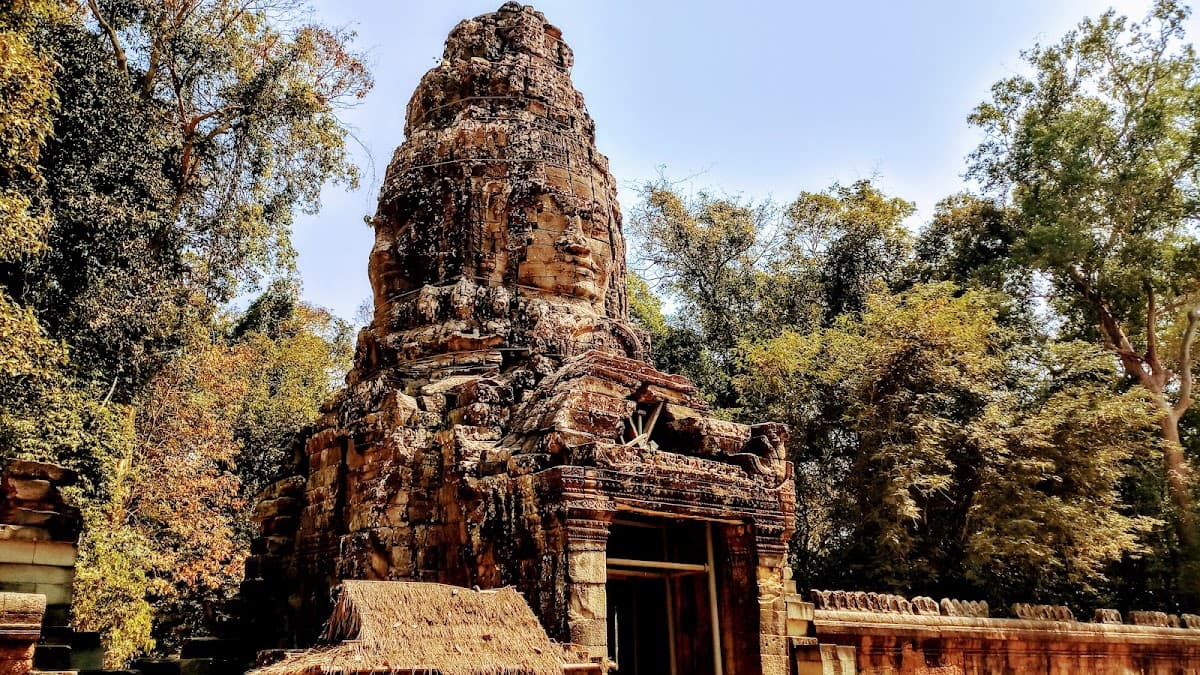
Siem Reap
Gateway to Angkor's magnificent temple complex
Siem Reap hits different than other Southeast Asian cities. Sure, everyone comes for Angkor Wat — and they should. But this former French colonial town has evolved into something way more interesting than just a temple pit stop. The old quarter buzzes with night markets selling everything from silk scarves to deep-fried tarantulas. Backpacker hostels sit next to boutique hotels in converted Khmer houses. And yes, you can still catch sunrise over those famous temple spires, but you'll also find some of Cambodia's best street food, surprisingly good coffee shops, and bars that stay open until the roosters start crowing. The city works as your base camp for temple hopping, but don't rush through. Siem Reap deserves at least three days of your time.
Best Months
JAN · FEB · MAR · NOV · DEC
~31°C · peak crowds
Culture & Context
ANGKOR'S LIVING SHADOW
Siem Reap exists in the shadow of Angkor, the ancient capital of the Khmer Empire that ruled much of Southeast Asia from the 9th to the 15th century. The temple complex sprawls across 400 square kilometers and contains hundreds of structures. Most visitors only see the famous trio (Angkor Wat, Bayon, Ta Prohm), but that barely scratches the surface.
Buddhism runs deep here. Monks in orange robes cross pedestrian bridges at dawn, temples function as active places of worship alongside tourist sites, and local life still orbits around the pagoda calendar. French colonialism left its mark on the architecture around Sivatha Boulevard and the Old French Quarter — wide tree-lined streets and colonial shophouses that survived long enough to be charming rather than just historical footnotes.
The harder history matters too. The Khmer Rouge wiped out roughly 25% of Cambodia's population in the 1970s, and that trauma still shapes the country in ways you'll sense if you visit the Landmine Museum or talk honestly with anyone over 60. Cambodians are genuinely warm with visitors, but the warmth makes more sense when you understand what came before it.
Local Customs
FEET UP, RESPECT DOWN
Cover your knees and shoulders at all temples — this is enforced, not just suggested, especially at Angkor Wat's upper levels. A lightweight scarf costs about $3 at the market and solves the problem.. The sampeah is how Cambodians greet — press your palms together in front of your chest and give a slight bow.
Returning it when someone greets you this way goes a long way.. Never point your feet at monks, temple statues, or sacred objects. In Cambodia, feet are considered the lowest, spiritually speaking, and the gesture is genuinely offensive..
Always ask before photographing monks or people in the markets. Most will say yes, but asking matters.. Remove your shoes before entering pagodas or someone's home..
Don't criticize the royal family, even casually. It's a legal issue, not just a social faux pas.. Tipping isn't mandatory but it's appreciated.
A dollar or two for a tuk-tuk driver who spent the day with you, or for restaurant service, is meaningful given wages here.. Cannabis is technically illegal despite the 'happy pizza' menus you'll see. Smoking it publicly carries real risk..
Don't touch sacred objects or offerings inside temples, even for a photo.
Safety
GENUINELY SAFE, STAY SMART
Siem Reap is genuinely one of the safer stops in Southeast Asia. Violent crime against tourists is rare. The main things that will actually affect you are overcharging and petty scams.
Use Grab for transport — it gives you a fixed, metered price and a tracked route, and sidesteps the most common rip-off (tuk-tuk drivers quoting double for tourists). A typical town ride on Grab runs $2-4. Don't drink tap water under any circumstances.
Bottled water costs about $1 for two liters. Be cautious about ice in drinks at street stalls. Dengue fever is a real risk during wet season (May to October) — use mosquito repellent, especially at dawn and dusk near the temples.
For emergencies, Royal Angkor International Hospital is the main facility catering to foreigners. For serious issues, medical evacuation to Bangkok is the realistic outcome, so travel insurance with evacuation coverage is not optional. Cannabis is technically illegal despite its casual presence in some tourist venues — don't smoke it in public.
Landmines are not a concern in tourist areas but do stick to marked paths if you venture into remote jungle areas. The US State Department lists Cambodia at Level 2 (Exercise Increased Caution) — the same rating as France, Italy, and Germany. Keep that in perspective.
Useful Phrases
Siem Reap Itineraries
View all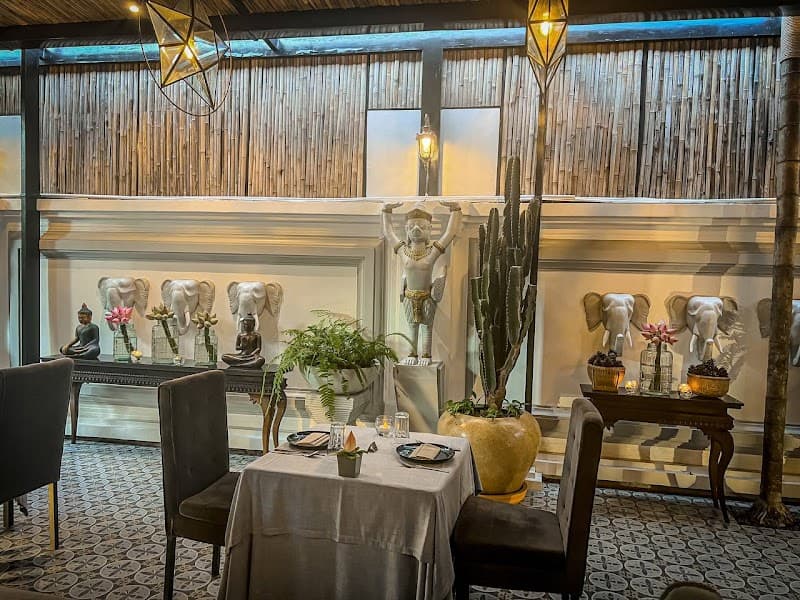
Siem Reap Jungle-Wild Temples, Markets, and Easygoing Nights
Week · $$$
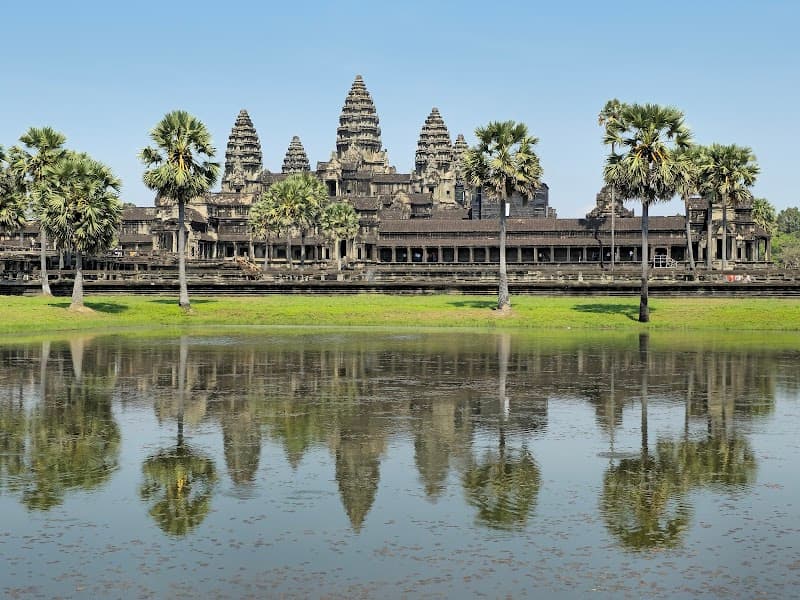
Jungle Temples & Lake Skies: 3 Days in Siem Reap
Weekend · $$$
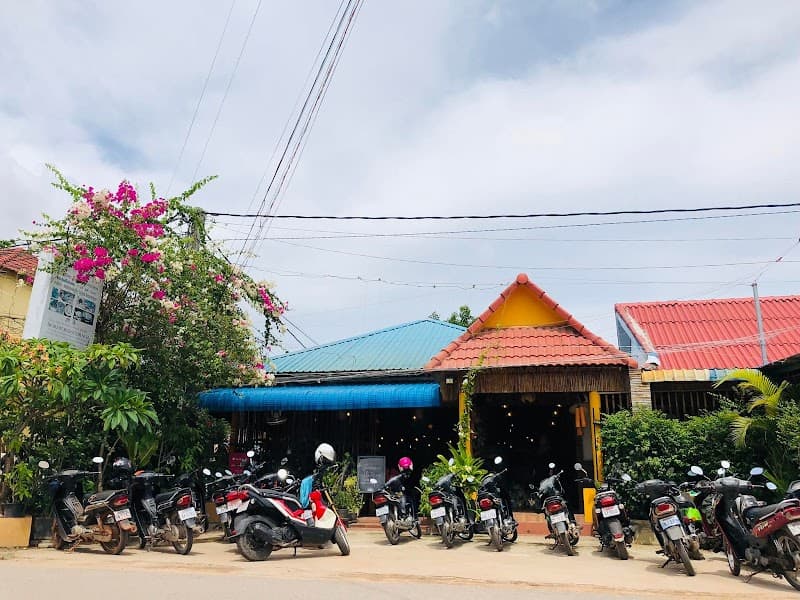
Jungle Temples & Floating Forests: A Siem Reap Long Weekend
Day Trip · $$$
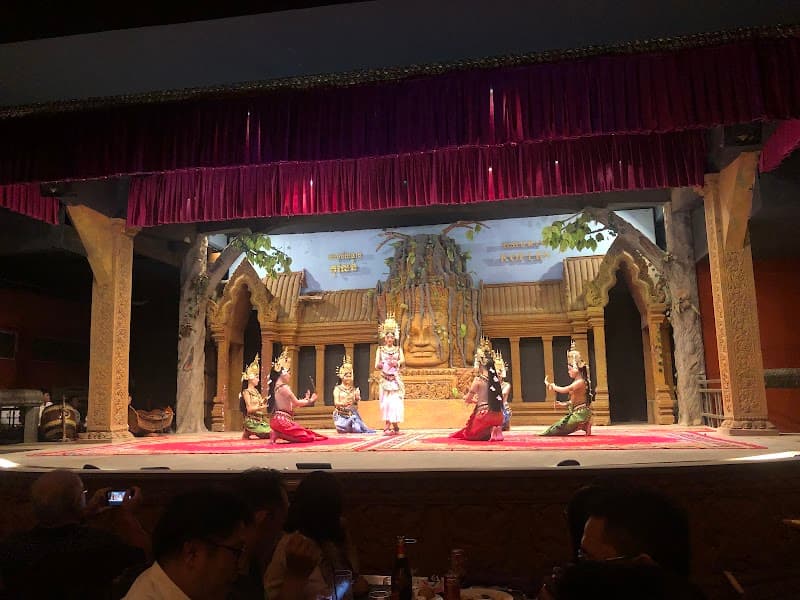
Jungle Romance in Siem Reap: Temples, Waterfalls & Night Markets
Week · $$$
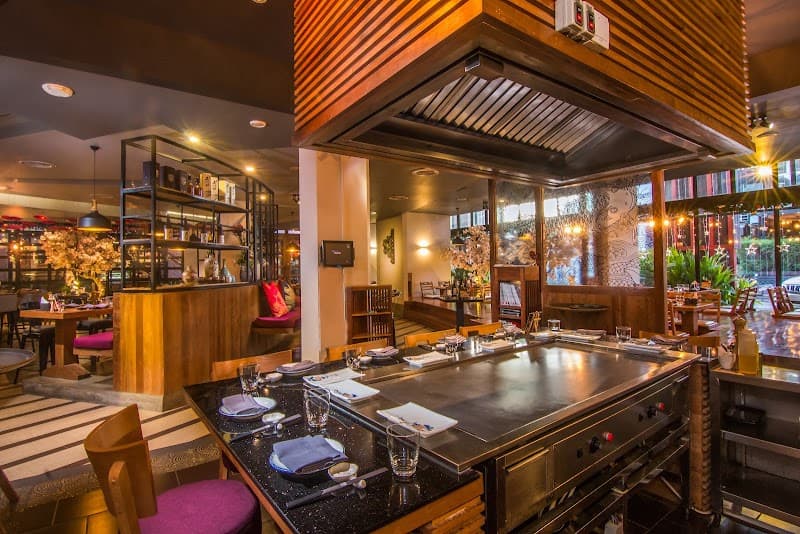
Jungle Romance in Siem Reap: Temples, Lakes & Lush Hideaways
Weekend · $$$
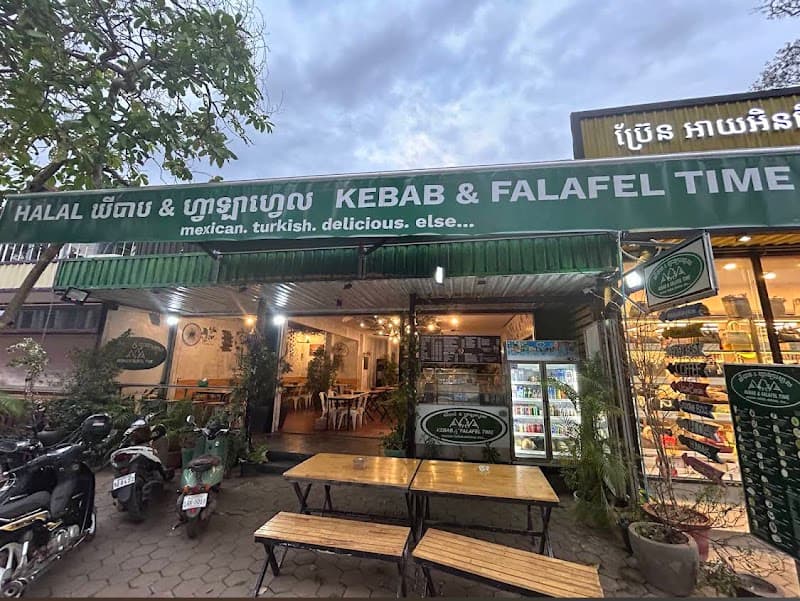
Jungle Temples & Tonle Sap: A Romantic Siem Reap Escape
Day Trip · $$$
Things to Do in Siem Reap
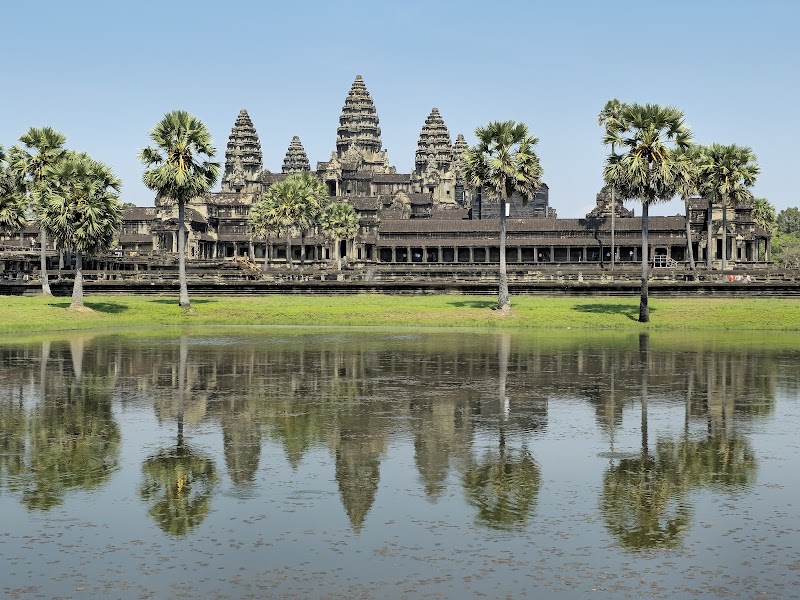
Angkor Wat Sunrise (with Local Guide)
Angkor Archaeological Park (Angkor Wat area) · 210 min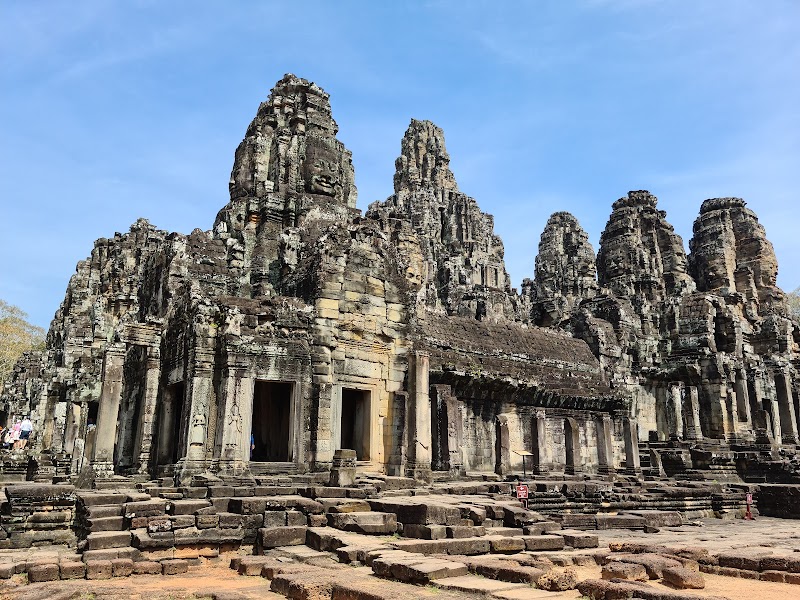
Bayon Temple & Angkor Thom Gates
Angkor Archaeological Park (Angkor Thom area) · 120 min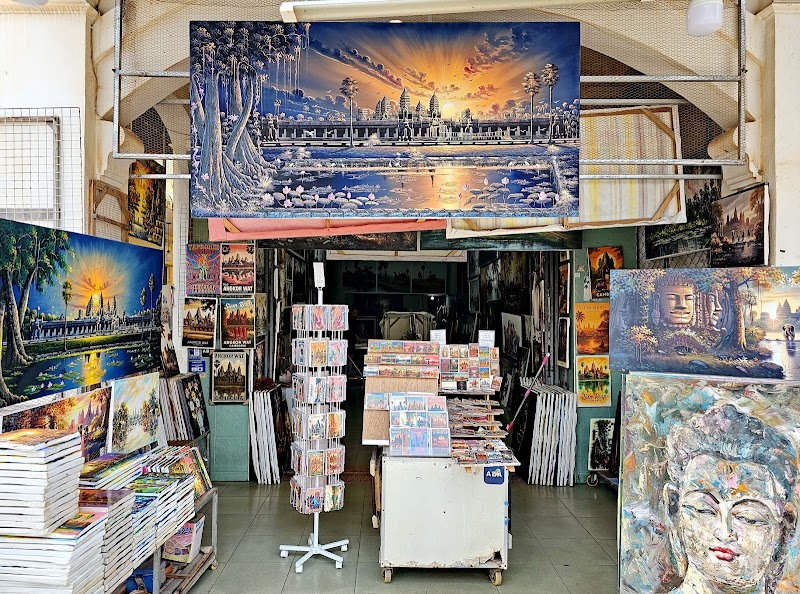
Old Market & Pub Street Night Stroll
Old Market / Pub Street · 120 minMoney-Saving Tips
- 1.Temple passes cost the same everywhere — don't buy from touts. Official booth at Angkor entrance only.
- 2.Negotiate tuk-tuk prices before getting in. Day rates: $15-20 for temples, $25-30 for distant sites.
- 3.Local restaurants cost $2-4 per meal versus $8-12 at tourist places. Look where Cambodians eat.
- 4.ATMs charge $5 fees but accept international cards. Bring USD cash to avoid multiple withdrawal fees.
- 5.Bargain at night markets — start at 30% of asking price. Fixed prices at modern malls and restaurants.
- 6.Happy hour drinks cost half price (4-8pm typically). Local beer runs $0.50 versus $2+ for imports.
- 7.Guesthouse tours often cost more than booking direct. Compare prices at multiple agencies.
- 8.Rainy season hotel rates drop 50%+. Book flexible reservations if weather doesn't bother you.
Travel Tips
- •Download offline maps before arrival — internet can be spotty outside town center.
- •Bring sunscreen and reapply constantly. UV reflects off temple stones and burns happen fast.
- •Dress codes at temples: cover shoulders and knees. Sarongs available for rent at entrances.
- •Start temple visits early (6am) to beat crowds and heat. Most tourists arrive after 8am.
- •Carry small bills for temple donations, bathroom fees, and street food. Change is often scarce.
- •Learn basic Khmer phrases — 'hello' (chum reap suor) and 'thank you' (aw kohn) go far.
- •Bottled water costs $0.25-0.50. Avoid tap water and ice in local restaurants.
- •Pack rain gear year-round. Afternoon storms hit even in dry season.
- •Respect photography rules — no flash in temples, ask before photographing people.
- •Keep passport copies separate from originals. Police checkpoints happen on remote roads.