Phnom Penh
Cambodia's dynamic capital blending tragic history with hopeful renewal
Phnom Penh hits different than other Southeast Asian capitals. Sure, the traffic's chaotic and the sidewalks disappear without warning, but this city's got soul. You'll find French colonial buildings crumbling next to gleaming shopping malls, street vendors serving $1 noodle bowls beside upscale rooftop bars. The Khmer Rouge left deep scars here, and locals will share their stories if you listen. But walk through the riverside markets at sunset or catch the monks collecting alms at dawn, and you'll see why travelers fall hard for this place. It's rough around the edges, authentic, and surprisingly affordable.
Best Months
JAN · FEB · MAR · NOV · DEC
~32°C · high crowds
Culture & Context
TRAUMA & TEMPLES
Phnom Penh sits at the confluence of three rivers — the Mekong, Tonle Sap, and Bassac — and that geography shapes everything about it. This is a city that carries serious weight. The Khmer Rouge emptied it completely in 1975; the S-21 prison (now Tuol Sleng Genocide Museum) and Killing Fields at Choeung Ek are not optional stops for understanding Cambodia.
Go. Both of them. Cambodia is overwhelmingly Buddhist, and that shapes daily rhythms in ways you'll notice immediately — the orange-robed monks doing alms rounds at dawn, the offerings outside businesses, the temple bells.
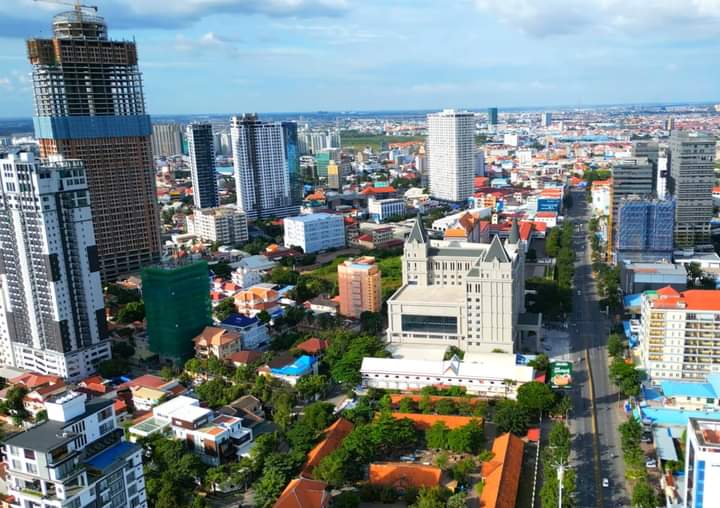
French colonial history left behind wide boulevards, some crumbling shuttered villas, and a lingering café culture. Today the city is in full construction mode — glass condos rising next to century-old shophouses, NGO headquarters beside rooftop bars. It's a city figuring out what it wants to be next, and that tension is part of what makes it interesting.
Local Customs
SAMPEAH & SAVE FACE
The Sampeah (som-pah) is the traditional greeting — press palms together and bow slightly. Hands at chest level for peers, higher toward the face for elders and monks. Tourists don't need to nail it perfectly, but attempting it earns immediate warmth from locals..
Never touch anyone's head. In Khmer culture the head is considered the most sacred part of the body. Don't ruffle kids' hair either — it's not the friendly gesture it might be back home..
Feet are considered the lowest, most impure part of the body. Don't point your feet at people, toward Buddha images, or toward the altar in a temple. Sit cross-legged or kneel when on temple floors..
Women cannot touch monks or hand objects directly to them. If you need to give something to a monk, place it on a nearby surface. This applies even on public transport — give monks their space..
Temple dress code is non-negotiable. Cover shoulders and knees. A lightweight scarf (costs around $3 at any market) doubles as a cover-up and is genuinely useful in the heat..
Losing your temper in public is a serious social miscalculation. Cambodia runs on 'saving face.' Stay calm, smile, and work things out quietly — getting loud will get you nowhere and will embarrass everyone involved..
Bargaining is expected at markets like the Russian Market (Toul Tom Poung) and with street-hailed tuk-tuks. Start around 50-60% of the asking price and be friendly about it. Do NOT bargain in restaurants, malls, or fixed-price shops..
Avoid casually bringing up Khmer Rouge history with locals you've just met, especially older Cambodians. Most families were directly affected. The Tuol Sleng and Killing Fields sites exist specifically for visitors to learn this history — go there rather than asking people to relive it over a meal..
US dollars are the default currency for most transactions. Riel (KHR) comes back as change. Bring small bills — a $20 note for a $2 tuk-tuk ride is a real problem.
Safety
WATCH FOR SNATCHERS
Phnom Penh is moderately safe, but it requires more street awareness than most Southeast Asian capitals. The US State Department rates Cambodia at Level 2 (Exercise Increased Caution). Here's what actually matters day-to-day: motorbike snatch-and-grab theft is the biggest real risk.
Thieves ride past and grab phones, bags, or cameras from pedestrians and open tuk-tuks. Walk on the side away from traffic, keep phone in your pocket near the road, and use a cross-body bag with the zipper facing inward. The riverside area (Sisowath Quay) after 10 PM is consistently flagged as a higher-risk zone — pickpockets and intoxicated individuals are common.
Bag snatching spikes significantly during Bon Om Touk (Water Festival, November) when crowds swell into the millions. Leave valuables at your hotel and keep your bag in front of you. Always negotiate your tuk-tuk fare before getting in, or better, use Grab or PassApp so the price is fixed and your route is tracked.
Common scams include overpriced unmetered tuk-tuks near tourist sites, fake police demanding passports, and the "milk formula" scam where women with babies ask you to buy overpriced formula from a nearby shop. Critical note for 2026: Do NOT travel within 50km of the Cambodia-Thailand border due to ongoing armed conflict between Thai and Cambodian military forces. Land border crossings with Thailand remain closed.
Emergency numbers: Police 117, Ambulance 119, Tourist Police +855 97 760 2001. Get travel insurance with medical evacuation cover before you go — medical evacuation from Cambodia can cost $50,000+.
Getting Around
GRAB & TUK-TUKS
Phnom Penh has no metro or sky train (plans have been talked about for years, nothing has materialized). You're getting around by tuk-tuk, app-based car, or on foot. Download Grab or PassApp before you arrive — these are the Uber equivalents and they completely change the experience.
Fixed prices, route tracking, and you can pay by card on Grab. A short central ride via app costs $1-2, cross-city $3-5. Street-hailed tuk-tuks outside tourist spots will open higher and require negotiation.
The traditional Khmer tuk-tuk (called a remorque — a covered carriage pulled by a motorbike) is the classic open-air option. Indian Bajaj autorickshaws have flooded the city since 2016 and are slightly nimbler. Both work fine.
Note: Some recent reviews flag PassApp having app glitches — if it's not working, Grab is your reliable backup. Getting to/from the airport: The new Techo International Airport replaced the old Phnom Penh International Airport in September 2025. It sits about 19km south of the city center.
A taxi runs around $16, a tuk-tuk around $10, and there's a shuttle train at $2.50 one-way. The train takes about 30 minutes to Cambodia Railway Station downtown, then grab a tuk-tuk to your hotel.
Driving yourself in Phnom Penh is genuinely inadvisable — traffic laws are loosely observed, roads can be chaotic, and motorbike accidents increase sharply during the rainy season (May-October). Street layout note: Even-numbered streets run east-west, odd-numbered streets run north-south, which makes navigation surprisingly logical once you know it.
Useful Phrases
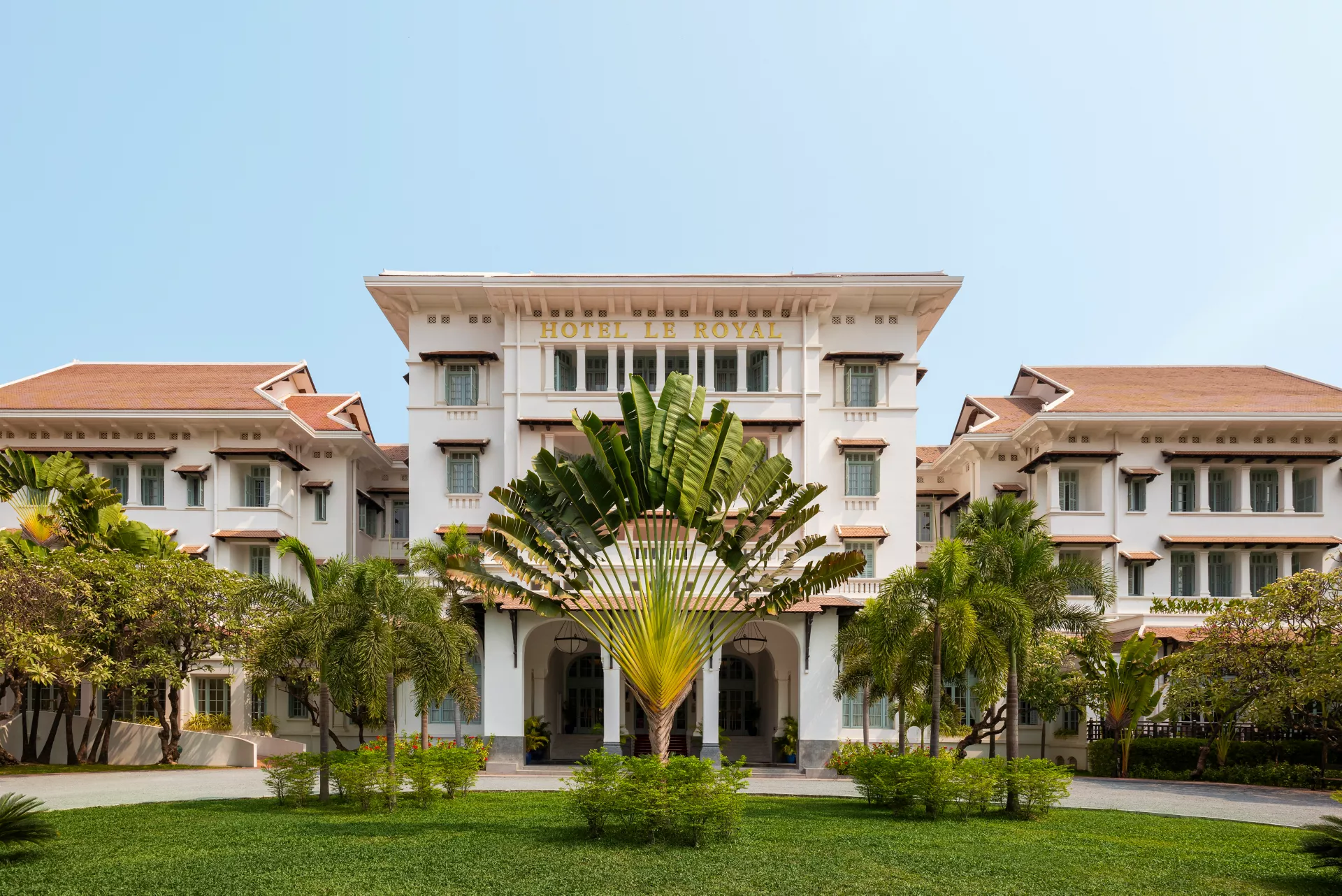
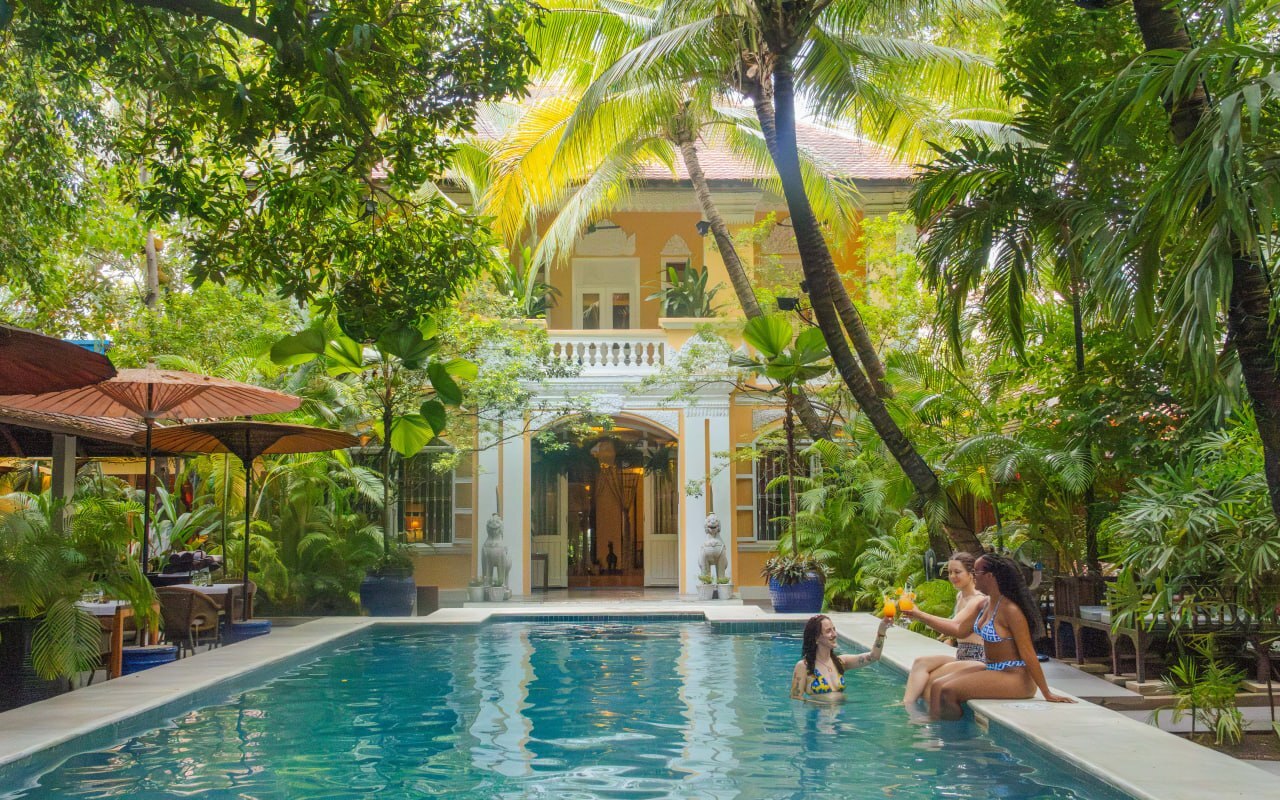
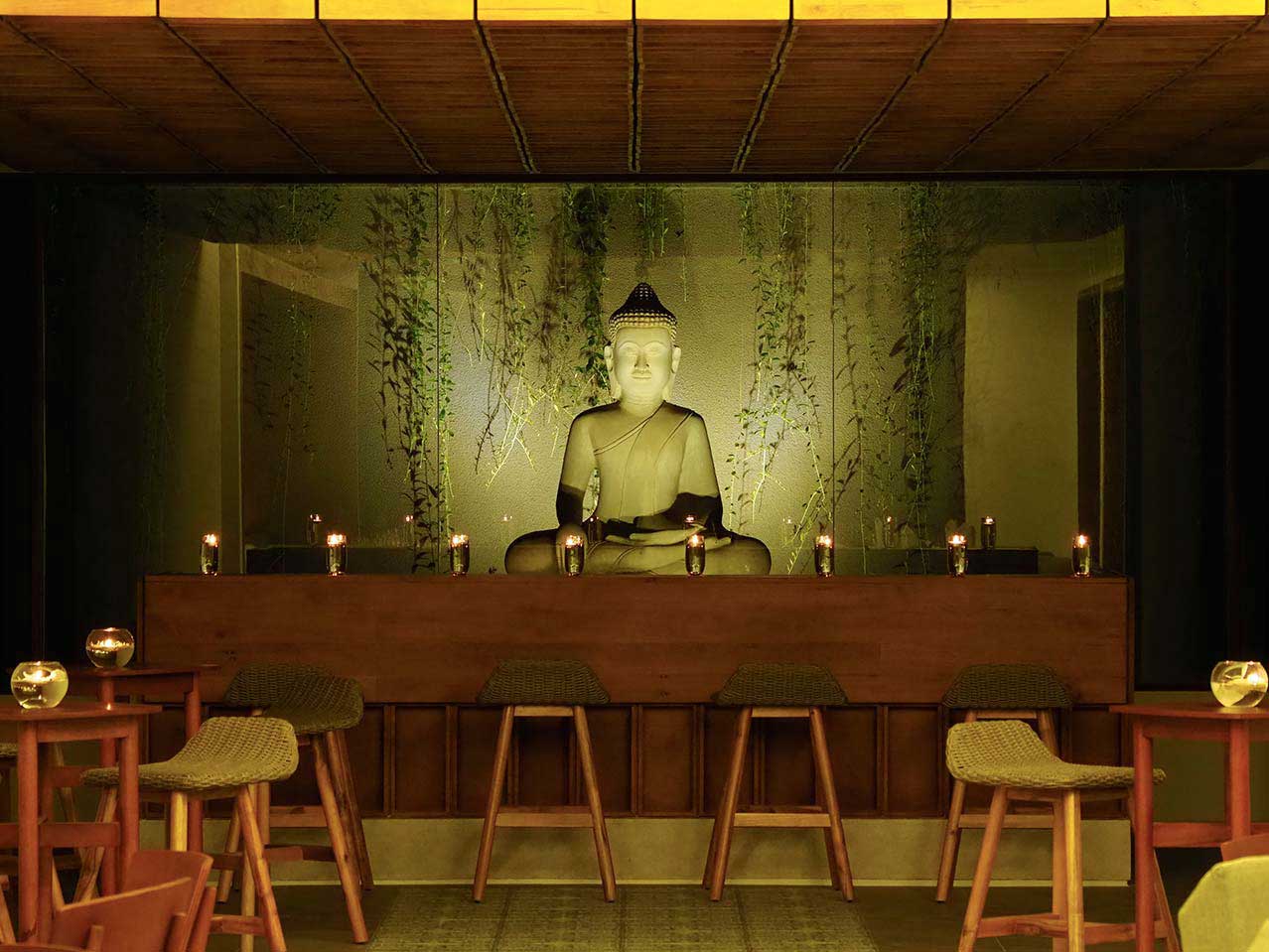
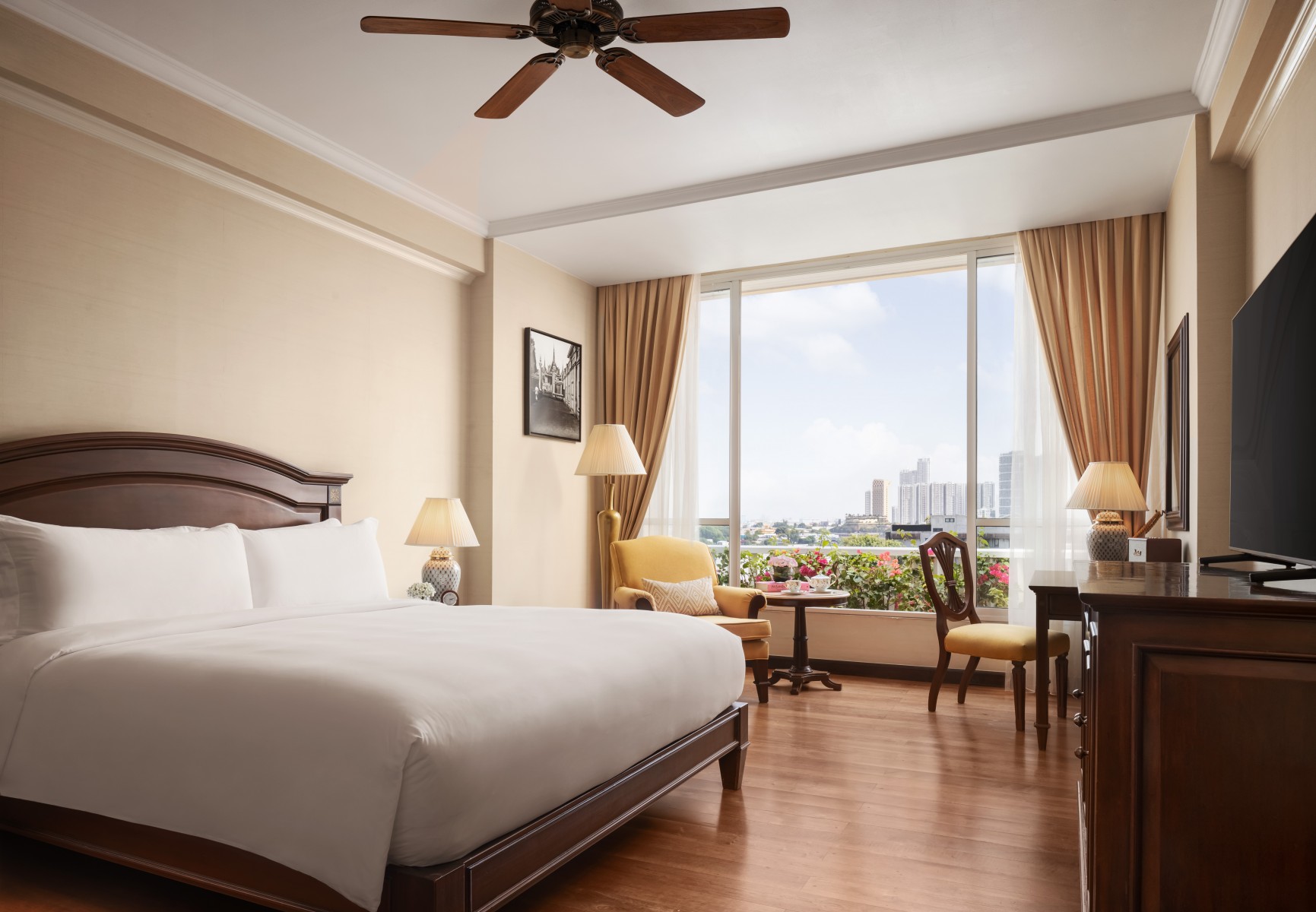
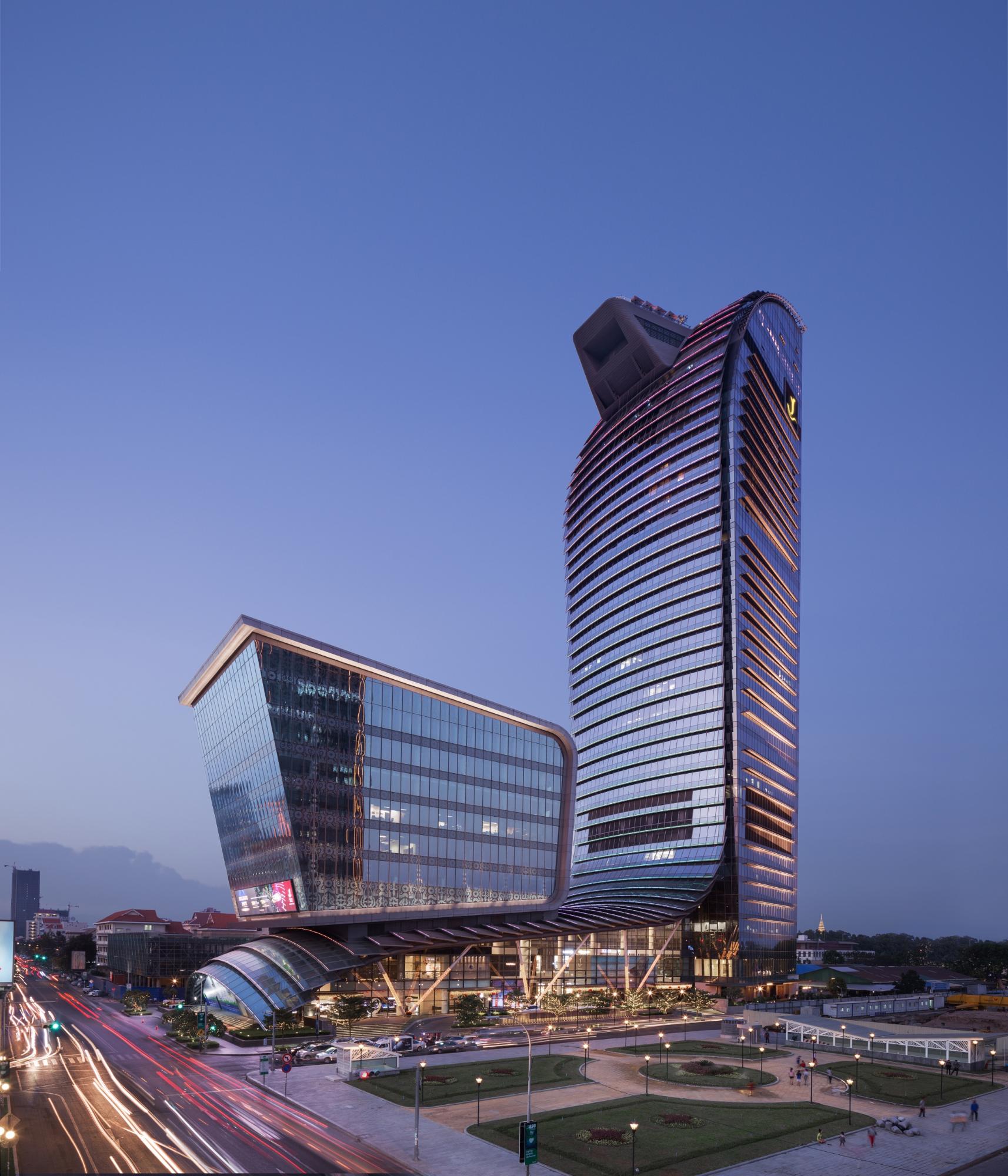
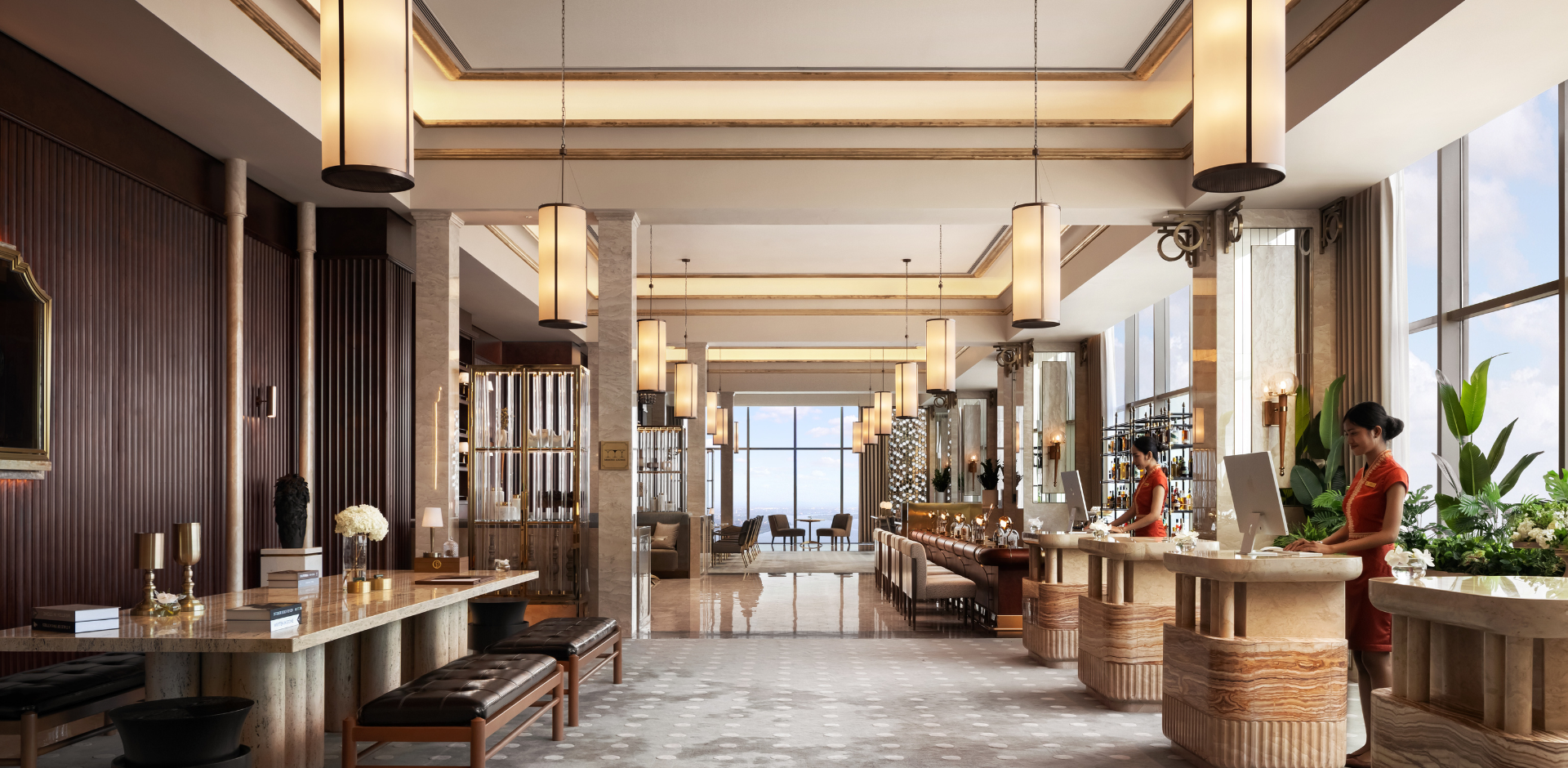
Where to Stay in Phnom Penh
6 recommended properties
Money-Saving Tips
- 1.Negotiate tuk-tuk fares before getting in - starting prices are always inflated for foreigners
- 2.Eat at places packed with locals, especially during lunch hours when office workers choose value spots
- 3.Buy water and snacks at local markets instead of tourist areas - prices drop by 50-70%
- 4.Book accommodation directly with guesthouses to avoid booking site commissions
- 5.Use local SIM cards ($2) instead of international roaming for maps and translation apps
- 6.Visit temples and museums in the morning to avoid afternoon heat and save on tuk-tuk AC surcharges
Travel Tips
- •Download offline maps before arriving - internet can be spotty in certain neighborhoods
- •Carry small bills (1000 and 5000 riel notes) for street food and local transport
- •Dress modestly when visiting temples - cover shoulders and knees or rent sarongs at entrances
- •Learn basic Khmer greetings - locals appreciate the effort and often share better recommendations
- •Book Killing Fields and S-21 visits for different days - the emotional weight is intense
- •Avoid tap water but ice in drinks is usually fine - it's made from purified water in most places