Kandy
Sacred temples and misty hills in Sri Lanka's heart
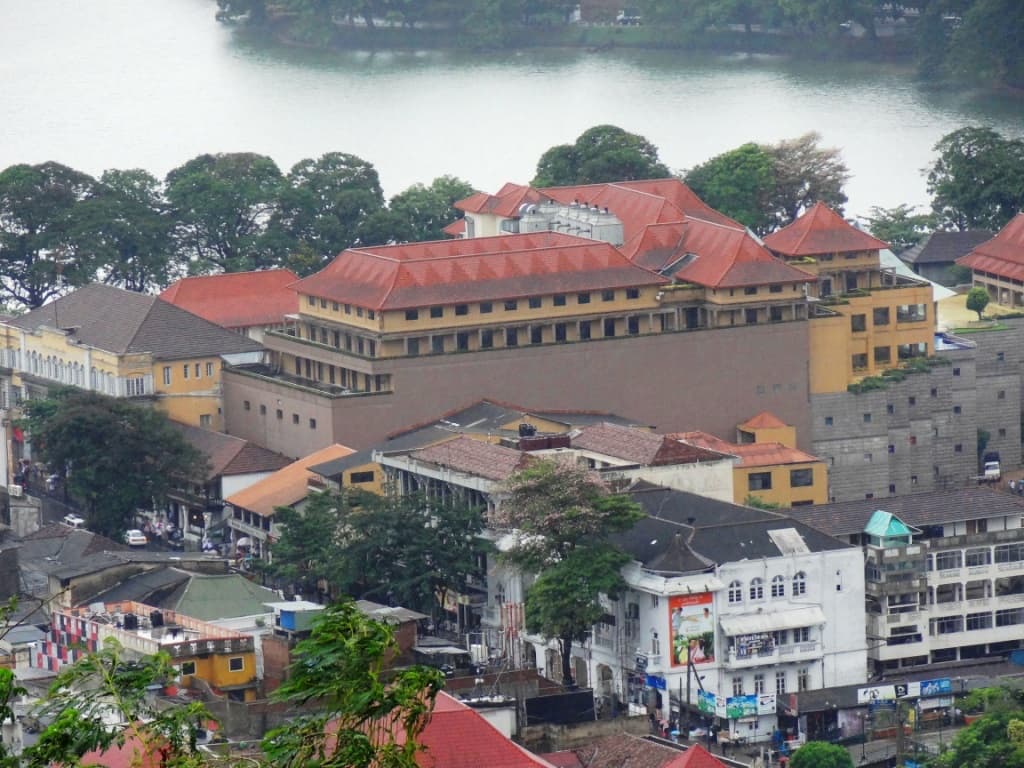
Kandy sits in Sri Lanka's central hills like a jewel in a green crown. This former royal capital wraps around a serene lake, with the sacred Temple of the Tooth Relic drawing pilgrims and curious travelers alike. The city's colonial buildings climb terraced streets while mist rolls through surrounding tea plantations.
But Kandy isn't just about temples and history. The Royal Botanic Gardens at Peradeniya sprawl across 147 acres of orchids and giant bamboo groves. Local markets buzz with spice vendors and silk sellers. And when the sun sets, the call to prayer echoes across the lake while fruit bats emerge from ancient trees.
Here's what makes Kandy special: it feels authentically Sri Lankan without the beach resort vibe. You'll hear more Sinhala than English on Queen's Hotel Road. Temple drummers practice at dawn. And the hill country climate means you can actually walk around without melting.
Best Months
JAN · FEB · MAR · APR · DEC
~27°C · high crowds
Culture & Context
BUDDHA'S TOOTH, MOUNTAIN KINGDOM
Kandy sits in Sri Lanka's central highlands at around 500 meters above sea level, and the cooler air hits you the moment your train pulls in from the coast. It was the last royal capital of Sri Lanka before the British took over in 1815, and the entire city still orbits that history. UNESCO granted it World Heritage status in 1988, largely because of the Temple of the Tooth (Sri Dalada Maligawa), which houses a tooth of the Buddha brought to the island in the 4th century AD.
About 125,400 people live here. The city is smaller and rougher around the edges than Colombo but feels considerably more honest. Here's the thing: most Buddhist Sri Lankans believe they must visit the temple at least once in their lives, so you're always sharing the space with genuine pilgrims, not just tourists waving cameras.
Buddhism shapes the daily rhythm of Kandy in ways you feel rather than read about. Monks in maroon robes on the bus. Poya (full moon) days when alcohol sales go dry.
Temple bells echoing across the lake at odd hours of the morning. The Kingdom of Kandy held off both Portuguese and Dutch colonizers for centuries thanks to its mountain geography. That same terrain still makes the city feel insular and self-contained in a way that coastal towns don't.
Local Customs
SHOES OFF, FEET TUCKED ALWAYS
Remove your shoes before entering any temple or shrine. Slip-on sandals or Birkenstock-style footwear will save you a lot of hassle at the Temple of the Tooth, where the entrance is stone and often wet.. Cover shoulders and knees at all religious sites.
A light sarong or scarf works fine and takes up no space in a bag. This applies to both men and women. One traveler reportedly had to borrow a friend's shawl at the temple because his shorts were too short..
Never pose with your back to a Buddha statue. Never point your feet at a Buddha image or a monk. If sitting on the floor in a temple, tuck your feet away or sit cross-legged..
The traditional greeting is Ayubowan, accompanied by pressing the hands together in a prayer-like gesture. In urban areas handshakes are common between men, but wait for a woman to extend her hand first.. Eat with your right hand if you eat local-style with your hands.
The left hand is considered unclean. Leaving a small amount of food on your plate is the polite signal that you're full.. Tipping is not mandatory but is genuinely appreciated in restaurants.
Ten percent is the going rate. Tuk-tuk drivers do not expect tips but won't refuse one.. During Esala Perahera (late July to August), alcohol sales and raw meat sales are restricted across Kandy.
Plan ahead if either of those matters to your evening.. Bargaining is normal at local markets. Start around 50% of the asking price and work up from there.
Keep it light-hearted. Getting the best price matters less than having a decent interaction.
Safety
NEGOTIATED FARES, DENGUE AWARENESS
Kandy is a generally safe city and normal city awareness is all you need. The main recurring issue is tuk-tuk pricing. Unlike Colombo, drivers in Kandy rarely use meters because the steep hill terrain means fares are negotiated differently, and this affects locals too, not just tourists.
Before you get in, ask your guesthouse host what a fair price is to your destination, then negotiate from there. Or skip the negotiation entirely and use PickMe for a fixed rate. Dengue fever is present in Sri Lanka year-round, including in Kandy.
Use mosquito repellent, especially at dawn and dusk, and sleep under a net if your accommodation provides one. During Esala Perahera, the streets get extremely crowded along the parade route. Keep bags in front of you in the thickest parts of the crowd.
The parade area is monitored from 5 to 10 PM and motor vehicles are prohibited, so plan your route in and out on foot well before the procession starts. Night walks around the lake are fine. Stick to lit paths.
Avoid unlicensed tuk-tuk drivers in isolated areas at night.
Getting Around
SCENIC TRAINS, TUKTUKS INLAND
Train from Colombo to Kandy takes 2.5 to 3 hours and costs 180 to 1,450 LKR depending on class. The first-class observation cars on the Chinese-built blue trains (Podi Menike and Udarata Menike services) are the most comfortable option and worth booking.
Important: as of 2026, some hill country rail routes were still partially affected by cyclone damage from 2025. Check railway.gov.
lk for current service status before buying tickets. The Kandy to Ella route is one of the world's most scenic train journeys (6 to 7 hours through tea estates and the Nine Arch Bridge). Book 30 to 60 days ahead because these trains sell out consistently.
Note that some trains to Ella depart from Peradeniya Junction, 6 km from Kandy center, rather than Kandy station itself. Budget a short tuk-tuk ride to get there. Within the city, tuk-tuks cost roughly 100 to 150 LKR per km.
PickMe and Uber both operate in Kandy and give you fixed pricing without the negotiation. Private AC bus from Colombo to Kandy costs about $4 USD and takes 3 to 4 hours. Local buses are cheaper but slower and can get crowded.
Trains are generally preferred over buses for the hill country in both comfort and scenery.
Useful Phrases
Where to Stay in Kandy
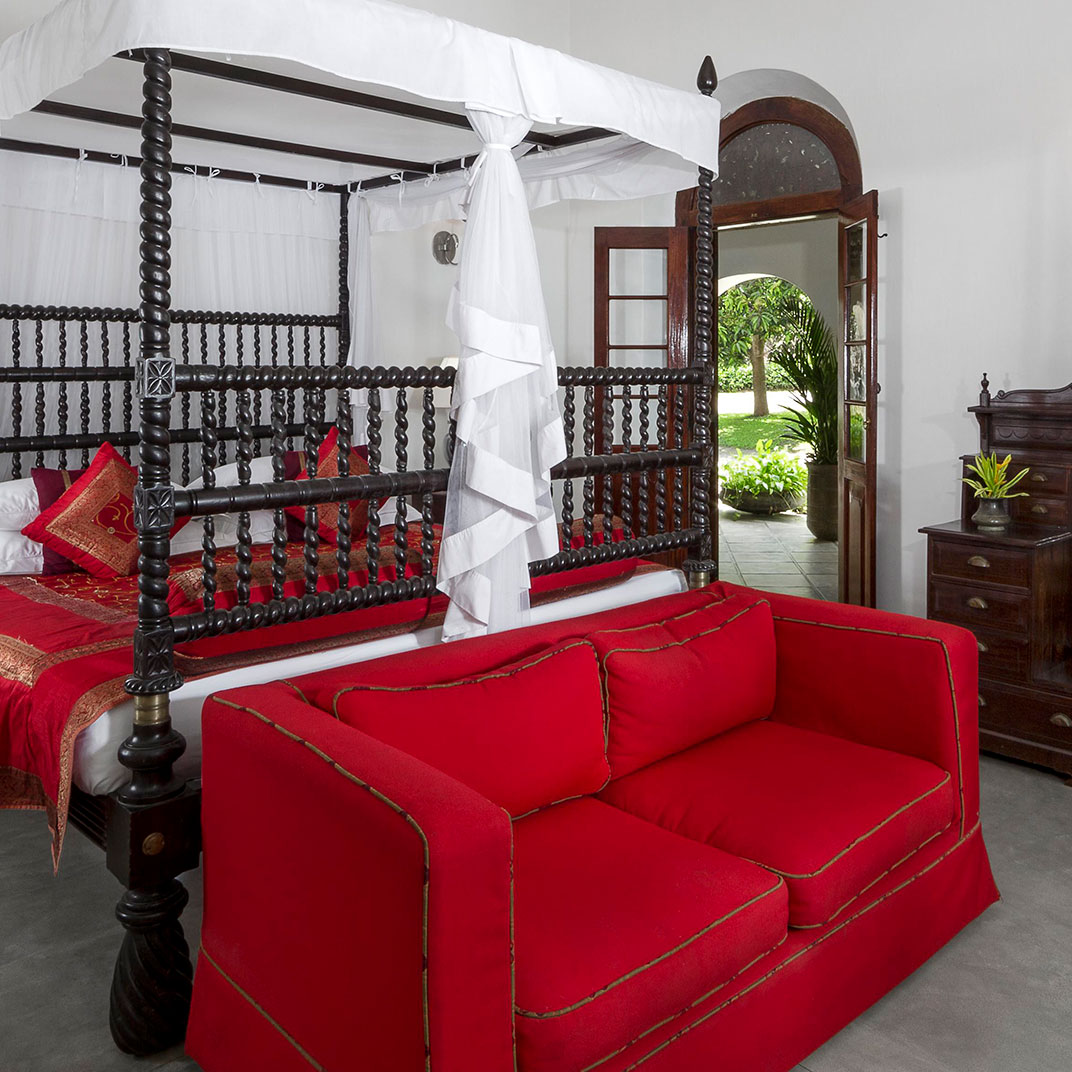
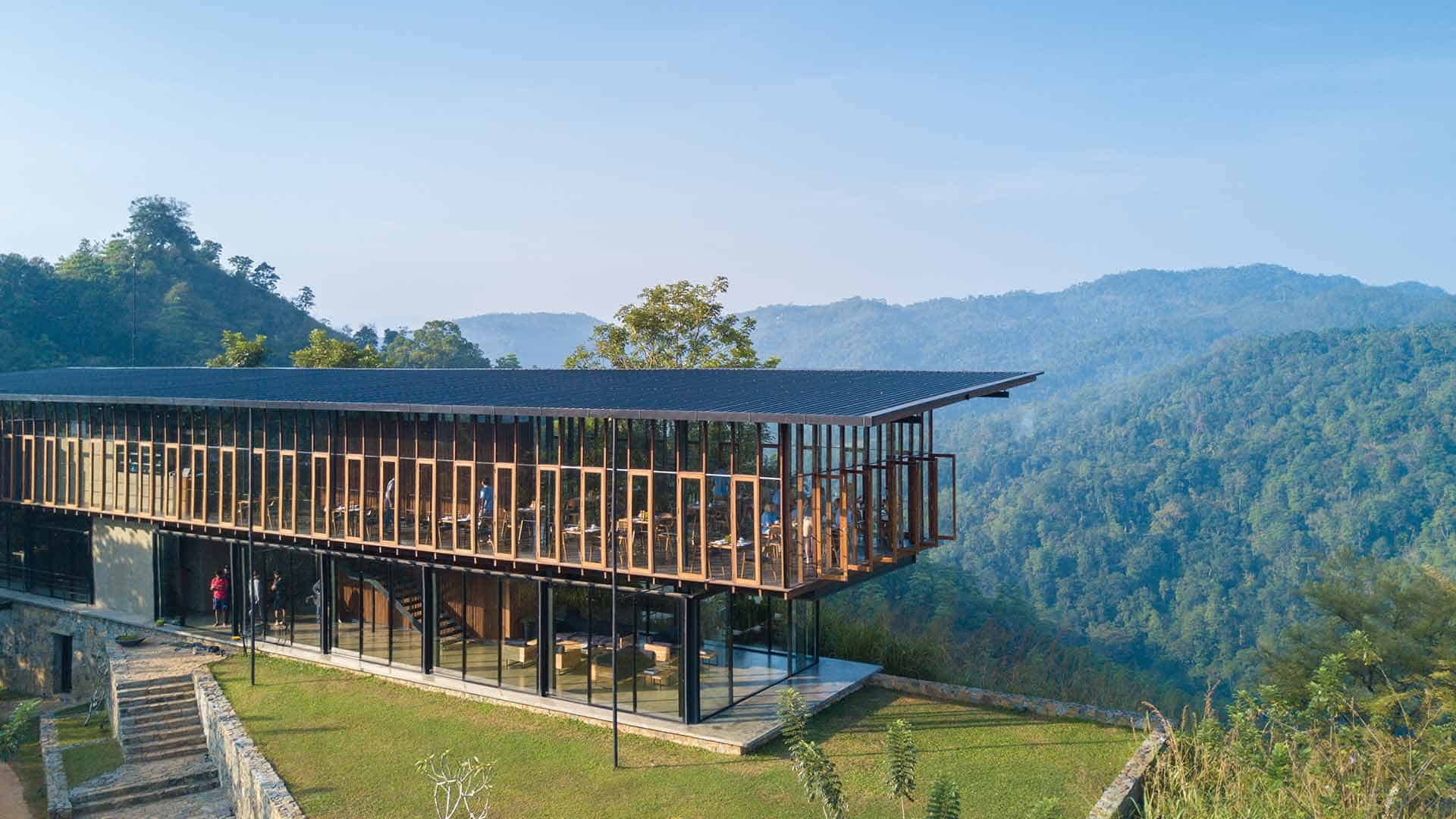
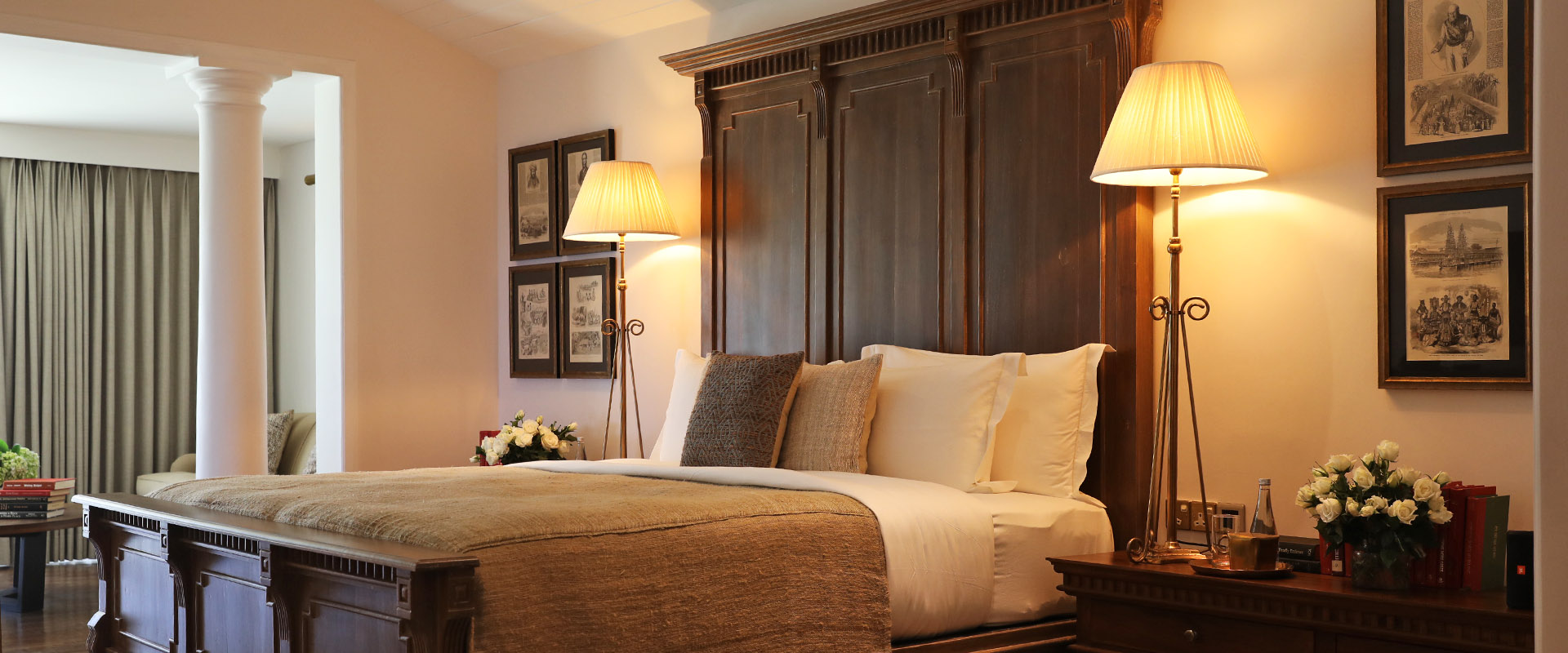
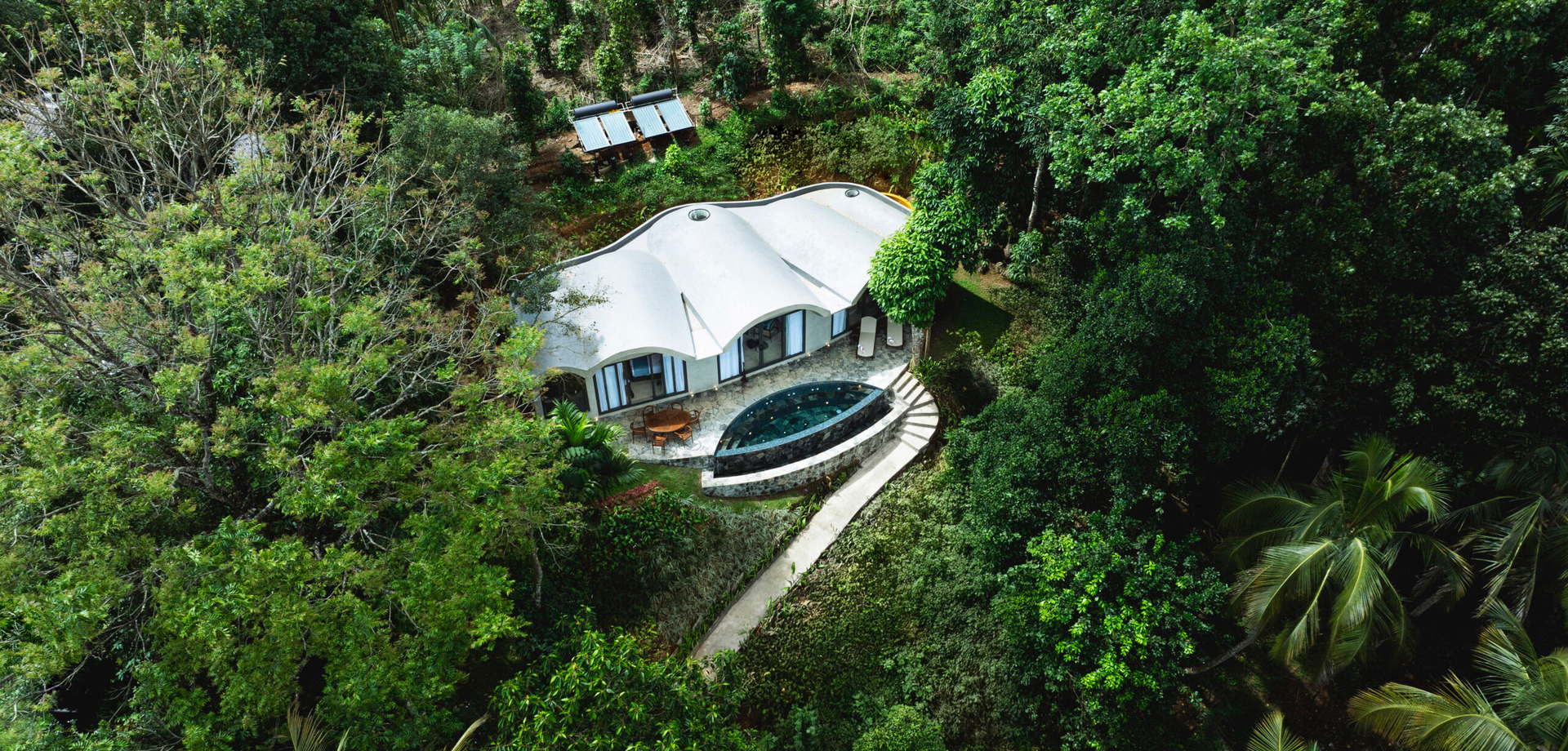
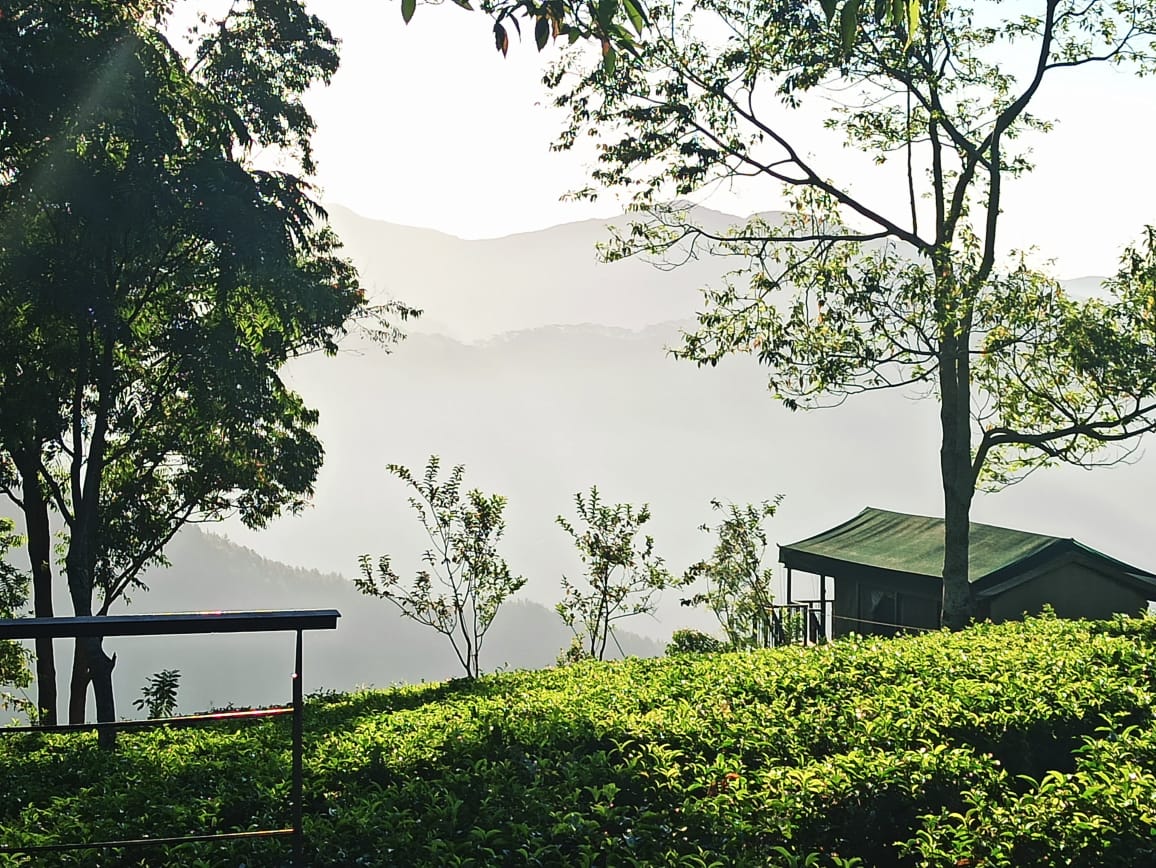
5 recommended properties
Money-Saving Tips
- 1.Negotiate tuk-tuk fares before getting in – tourist areas quote 2-3x normal rates
- 2.Buy spices and tea at the central market, not hotel shops, for 50% savings
- 3.Temple entry is free for the main complex, but some inner areas charge 1,000-1,500 LKR
- 4.Local buses cost under 100 LKR anywhere in the city vs 500+ LKR for tuk-tuks
- 5.Eat at local rice and curry places for 400-600 LKR vs 1,500+ LKR at tourist restaurants
- 6.Book accommodation directly with hotels to avoid booking site commissions
- 7.ATMs charge 500 LKR withdrawal fees – take out larger amounts less frequently
Travel Tips
- •Remove shoes and hats before entering temple grounds – security is strict about this
- •Carry tissues and hand sanitizer – public restrooms often lack basic supplies
- •Download offline maps – cell service gets spotty in the surrounding hills
- •Pack layers – mornings are cool but afternoons get warm and humid
- •Keep your passport handy – some temples require ID for foreign visitors
- •Learn basic Sinhala greetings – locals appreciate the effort and open up more
- •Avoid feeding monkeys around the temple – they're aggressive and will snatch food
- •Book train tickets in advance for scenic routes to Ella or Nuwara Eliya