Lumbini
Sacred Birthplace of Buddha's Enlightened Journey
Here's the thing about Lumbini — it's not your typical tourist destination. This small town in Nepal's Rupandehi District holds massive spiritual weight as the birthplace of Siddhartha Gautama, who became the Buddha. You won't find flashy hotels or bustling nightlife here. What you will find is something rarer: genuine peace and a chance to walk where one of history's most influential figures took his first steps.
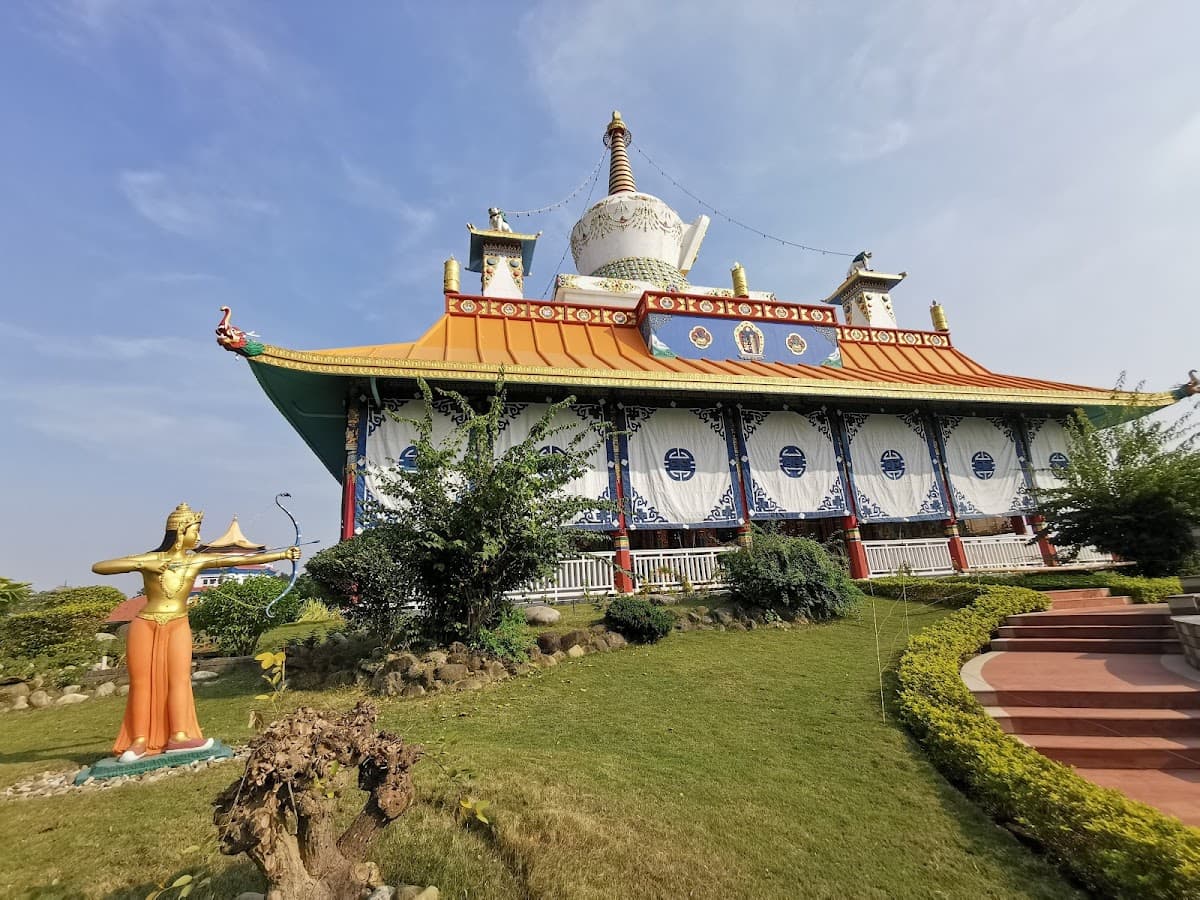
The Maya Devi Temple marks the exact spot where Buddha was born in 563 BCE. Around it, the Sacred Garden spreads across 8 square kilometers, dotted with monasteries built by Buddhist communities from around the world. Each reflects their home country's architectural style — the Myanmar Golden Temple gleams in the sun while the German Monastery sits quietly among trees.
Look, Lumbini isn't for everyone. If you need constant entertainment or luxury amenities, skip it. But if you're seeking authentic spiritual experiences away from crowds, this UNESCO World Heritage site delivers something most places can't: actual tranquility. The town sees far fewer visitors than Nepal's mountain regions, making it perfect for solo reflection or cultural immersion.
Accommodation runs cheap — guesthouses start around $5 per night, decent hotels around $15-25. Food is simple but satisfying, mostly Nepali dal bhat with some international options. The best part? You can explore Buddha's birthplace without fighting through tour groups or paying inflated prices.
Best Months
JAN · FEB · MAR · OCT · NOV · DEC
~26°C · moderate crowds
Culture & Context
BUDDHISM'S BIRTHPLACE
Lumbini sits in the Rupandehi District of the Terai, Nepal's flat southern plains strip bordering India. It's the birthplace of Siddhartha Gautama (born around 623 BCE), who became Shakyamuni Buddha and founded Buddhism. Emperor Ashoka of the Maurya Empire visited in 249 BCE and erected the stone pillar that still stands here — the Brahmi inscription on it is essentially the world's first historical confirmation of the site's significance. The site was largely forgotten and rediscovered in 1896 when General Khadga Shamsher Rana and Austrian archaeologist Alois Führer found the pillar. UNESCO designated it a World Heritage Site in 1997.
The master plan for the complex was designed by Japanese architect Kenzo Tange in 1978, which is why the layout feels unusual — deliberately symbolic, oriented north-south along a central axis representing the path to enlightenment. Around 32 monasteries representing Buddhist countries from across Asia have been built or are under construction in the Monastic Zone. It's essentially a living architectural atlas of the Buddhist world in one square mile.
Here's the thing about the religious mix: Lumbini is technically a Buddhist site but functions as a Hindu pilgrimage destination too. The Chaite Purnima festival draws Hindu devotees from Nepal and across the Indian border who worship Mayadevi (Buddha's mother) as a Hindu deity. This overlap — Buddhism and Hinduism sharing the same sacred ground — is deeply embedded in Nepali religious culture and is especially visible here. Lumbini Province also recorded Nepal's highest inflation rate (5.15%) in early 2026, reflecting growing economic pressures in the wider region even as the pilgrimage complex itself remains a major draw for international visitors.
Local Customs
SHOES OFF ALWAYS
Remove shoes before entering any temple or monastery — no exceptions, no matter how dirty the floor looks. This applies equally to the Mayadevi Temple and the individual country monasteries.. Walk clockwise around stupas and sacred objects.
Going counter-clockwise is considered to bring bad luck and will draw looks from other pilgrims.. The left hand is considered unclean. Pass objects, money, or food with your right hand.
When giving or receiving something important, touch your right elbow with your left hand as a gesture of added respect.. Don't point your feet toward religious shrines, altars, or other people. When sitting in a temple, tuck legs to the side or sit cross-legged — and never step over someone seated on the floor..
Greet with 'Namaste' — palms pressed together at chest level with a slight bow. It's not casual; think of it as the equivalent of a firm, respectful handshake. Use 'namaskar' for elders or high-ranking monks..
Don't touch anyone's head. The forehead is the most sacred part of the body in Nepali culture. It's also rude to step over another person's legs..
Dress modestly throughout the entire complex. Shoulders and knees must be covered. This isn't negotiable near the temples.
A light scarf is useful and doubles as sun protection in the flat Terai heat.. Non-vegetarian food is strongly discouraged in and around the sacred zone. Stick to dal bhat, momos, vegetarian curries, and rice dishes near the temples..
Photography is permitted in most outdoor areas but check before pointing a camera inside individual monastery interiors. Some explicitly prohibit it.. During festivals, especially Buddha Jayanti, maintain quiet and respectful behavior in the Sacred Garden.
It's not a performance for tourists — active worship is taking place around you.
Safety
SERENE BUT CAUTIOUS
Lumbini itself is calm and considered one of the safer spots in Nepal. The pilgrimage atmosphere keeps things orderly. Violent crime against tourists is rare across Nepal, and Lumbini specifically is described as serene and tourist-friendly.
That said: Nepal hit a period of political protests in late 2025, concentrated in Kathmandu near government offices like Maitighar Mandala. With the March 2026 general election, the Nepal Army was overseeing security in urban centers. These situations rarely affect Lumbini directly, but stay alert to local news and check with your guesthouse before traveling through cities like Bhairahawa.
Opportunistic theft is the main practical concern — keep your valuables close on crowded buses and in busy market areas. Don't walk alone after dark on poorly lit side streets.
Health notes for Lumbini specifically: it's in the Terai lowlands, which means heat and humidity from April through September. Dengue fever is a real concern during and after monsoon season (July-September) — the flat, low-lying area is prime mosquito territory. Get hepatitis A and typhoid shots before coming. Drink filtered or bottled water. Monsoon season also brings flooding to the Terai plains, so July-September travel requires extra flexibility.
Emergency numbers: Police 100, Tourist Police 1144, Ambulance 102.
Getting Around
BICYCLE THE COMPLEX
Fly into Gautam Buddha International Airport (BWA) in Bhairahawa, 22km from Lumbini. Domestic flights from Kathmandu take about 35 minutes and run daily. The airport also handles some international routes to India and Middle Eastern cities. From the airport, a taxi to Lumbini costs around NPR 800-1,200 and takes 30-40 minutes.
Overland from Kathmandu is roughly 280km and takes 8-9 hours by tourist bus. From Pokhara, figure 6-7 hours. Buses run daily from both cities and are the default choice for budget travelers. Night buses exist but the roads in the Terai are potholed enough that daylight travel is genuinely more comfortable.
Coming from India? The most common crossing is at Sunauli/Sonauli (near Gorakhpur, Uttar Pradesh). Cross the border on foot or by rickshaw, then it's about 25-36km by taxi or local bus to Lumbini. The crossing is generally smooth but can get chaotic with pilgrimage groups around Buddha Jayanti.
Inside the complex, bicycles are the move. Rent one near the main gate for NPR 100-200/day and you can cover the full 3-square-mile site at your own pace. E-rickshaws run fixed routes through the garden for NPR 50-100 per trip. Boat rides on the central canal are available from the north end — a slow, peaceful way to see the monastery zone from the water.
Useful Phrases
Money-Saving Tips
- 1.Guesthouses near the bus park charge $5-8 per night versus $20+ near the Sacred Garden
- 2.Rent bicycles for $2-3 daily instead of hiring rickshaws for every temple visit
- 3.Eat at local dal bhat places for $2-3 rather than tourist restaurants charging $8-10
- 4.Buy snacks and water at the bus park before entering Sacred Garden to avoid inflated temple shop prices
- 5.Korean Temple guesthouse includes meals for $15 total — better value than hotel plus separate restaurant costs
- 6.Share taxis to day trip destinations like Kapilvastu to split the $30-40 cost
- 7.Visit during off-season (December-February) when some hotels offer 20-30% discounts
Travel Tips
- •Dress modestly — cover shoulders and knees when visiting temples and monasteries
- •Remove shoes before entering any temple building, including Maya Devi Temple
- •Bring a flashlight for early morning visits to Sacred Garden — paths aren't well lit
- •Download offline maps — cell service can be spotty in the monastery zone
- •Pack mosquito repellent, especially during warmer months
- •Learn basic Nepali greetings — locals appreciate the effort in this less touristy area
- •Carry small bills — many places can't change large notes
- •Respect photography rules — no photos inside Maya Devi Temple's main chamber
- •Book Korean Temple guesthouse through their monastery office, not online booking sites
- •Bring layers for winter visits — nights get surprisingly cold despite warm days