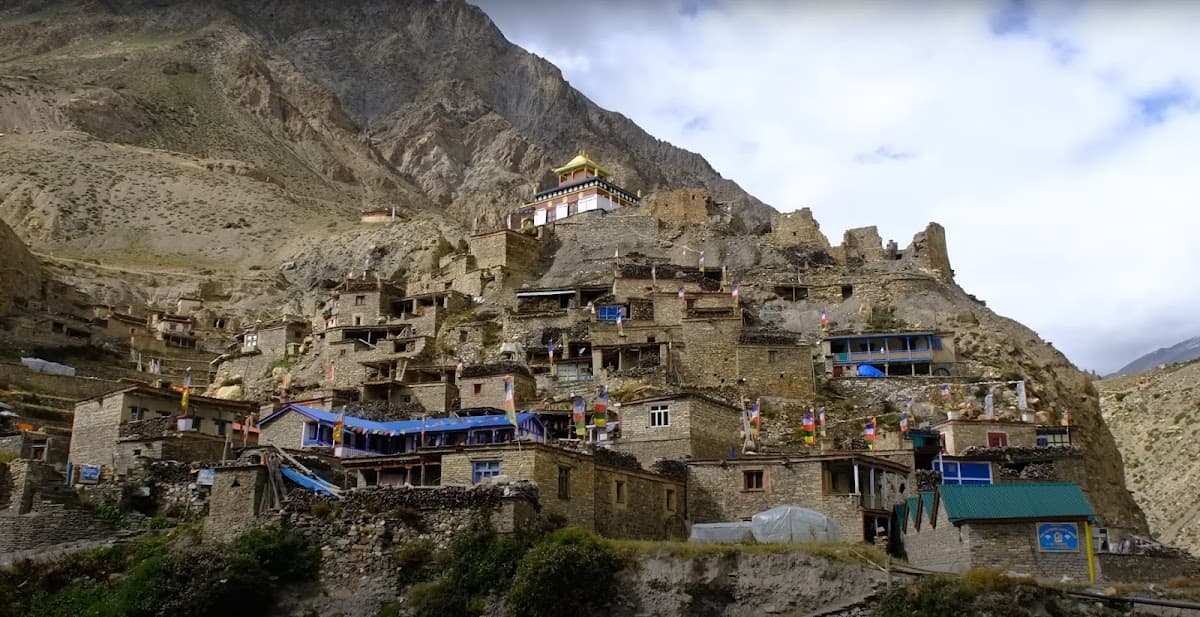
Everest Base Camp Trek
The ultimate high-altitude adventure to the world's tallest peak
The Everest Base Camp trek isn't just a hike—it's a 12-day journey through the heart of Sherpa country that ends at the doorstep of the world's tallest mountain. You'll walk the same paths that Edmund Hillary and Tenzing Norgay took in 1953, sleep in teahouses perched on mountain ridges, and wake up to views that most people only see in documentaries.
But let's be honest: this isn't a casual weekend adventure. At 17,598 feet, Everest Base Camp sits higher than most commercial aircraft fly. The altitude will test you, the weather can turn brutal without warning, and you'll spend nearly two weeks walking uphill with everything you need on your back.
Here's what makes it worth every difficult step: nowhere else can you get this close to Everest without technical climbing skills. You'll cross suspension bridges over raging rivers, visit monasteries where monks have prayed for centuries, and share tea with Sherpa families whose ancestors have called these mountains home for generations. The Khumbu Valley reveals itself slowly—each day brings new peaks into view until you're surrounded by eight-thousanders in every direction.
Money-Saving Tips
- 1.Bring US dollars in small bills—$1 and $5 notes are perfect for tips and small purchases
- 2.ATMs exist in Namche Bazaar but charge high fees and often run out of cash during peak season
- 3.Budget $40-60 per day for food, accommodation, and permits—prices double above 14,000 feet
- 4.Tipping is expected: $5-10 per day for guides, $3-5 for porters, and round up restaurant bills
- 5.Negotiate porter and guide rates in Kathmandu, not Lukla where prices are inflated
- 6.Bring extra cash for helicopter evacuation deposits—some insurance companies require upfront payment
Travel Tips
- •Acclimatize properly: climb high, sleep low, and take rest days in Namche and Dingboche
- •Start hiking early (6-7 AM) to avoid afternoon clouds and wind
- •Drink 3-4 liters of water daily and avoid alcohol above 12,000 feet
- •Pack wet wipes—you won't shower for days and they're a lifesaver
- •Bring duct tape for gear repairs and blister prevention
- •Download offline maps on your phone as backup navigation
- •Learn basic Nepali phrases—'Namaste' and 'Dhanyabad' (thank you) go a long way
- •Bring gifts for local families: school supplies, photos from your country, or quality pens
- •Test all gear at home first, especially boots and sleeping systems
- •Pack a good book—evenings in teahouses are long and dark
Frequently Asked Questions
BUILD YOUR
EVEREST BASE CAMP TREK PLAN
Insider picks, smart timing, and a plan ready when you are.
Start Planning