Annapurna Conservation Area
Himalayan trekking paradise of peaks and cultures
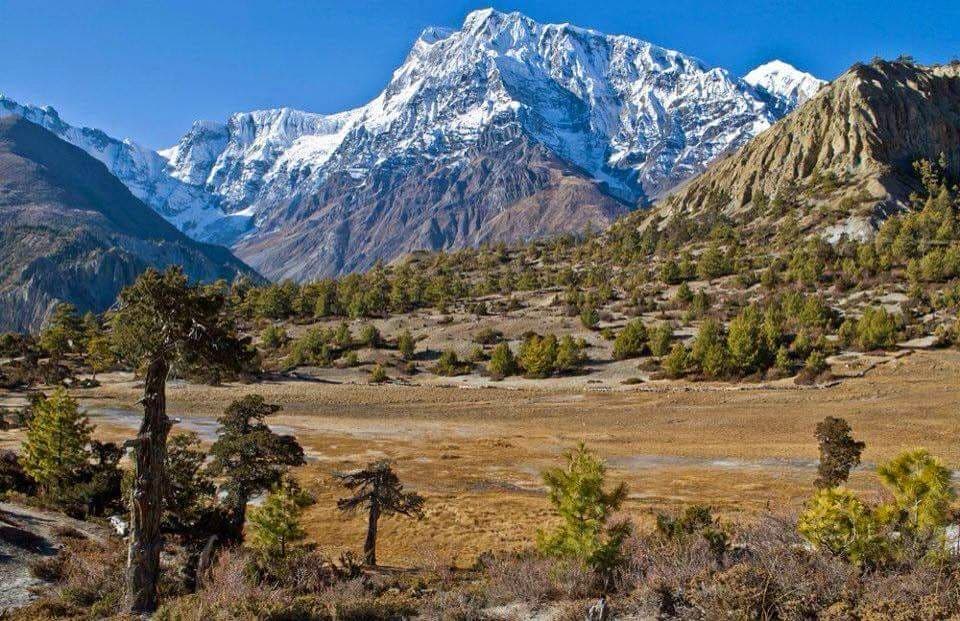
The Annapurna Conservation Area isn't just Nepal's largest protected area — it's where the Himalayas show off their full personality. Here, 8,000-meter peaks tower over rhododendron forests while Gurung villages cling to mountainsides like they've been there since the earth formed. And honestly, they probably have been.
This isn't your typical national park experience. You're walking through someone's backyard, past stone houses where smoke curls from chimneys and prayer flags flutter against impossible blue skies. The trails here connect more than just villages — they weave together Buddhist and Hindu cultures, subtropical valleys and arctic conditions, all within a few days' walk.
Look, the Annapurna Circuit and Annapurna Base Camp treks get most of the attention. But the conservation area sprawls across 7,629 square kilometers, hiding dozens of routes that most trekkers never even hear about. Some lead to glacial lakes that mirror snow peaks. Others wind through bamboo forests where red pandas actually live (though spotting one requires serious luck).
The altitude here doesn't mess around. You'll start in Pokhara at 800 meters, where the air feels thick and tropical. By the time you reach Thorong La Pass at 5,416 meters, every breath becomes a conscious decision. But that's exactly why people keep coming back.
Money-Saving Tips
- 1.Negotiate porter and guide rates in Pokhara, not Kathmandu — you'll save 20-30% on daily wages
- 2.Buy trekking permits on Friday to avoid weekend office closures that can delay your start
- 3.Tea house meals cost 400-800 rupees; bring snacks from Pokhara where prices are half what you'll pay on trail
- 4.Rent gear in Pokhara's Lakeside district — sleeping bags cost $2/day vs $50+ to buy
- 5.Carry small rupee notes; tea houses rarely have change for 1000 rupee bills above 3000m altitude
- 6.Book return flights from Jomsom (if doing full circuit) to save 2-3 days walking road sections
- 7.Charge devices in lower villages — power costs jump from 200 to 500 rupees per charge above Manang
Travel Tips
- •Acclimatize properly — sleep no more than 300-500m higher each night above 3000m
- •Download offline maps before leaving Pokhara; cell service disappears above Manang
- •Pack extra batteries — cold temperatures drain power fast at high altitude
- •Learn basic Nepali phrases; 'dhanyabad' (thank you) opens doors in remote villages
- •Bring toilet paper and hand sanitizer — facilities get basic above 4000m
- •Check weather at Thorong La Pass before committing; it closes regularly in winter
- •Hire local guides in villages rather than Kathmandu agencies for authentic cultural experiences
- •Respect photography rules — many monasteries charge fees or prohibit photos entirely
Frequently Asked Questions
BUILD YOUR
ANNAPURNA CONSERVATION AREA PLAN
Insider picks, smart timing, and a plan ready when you are.
Start Planning