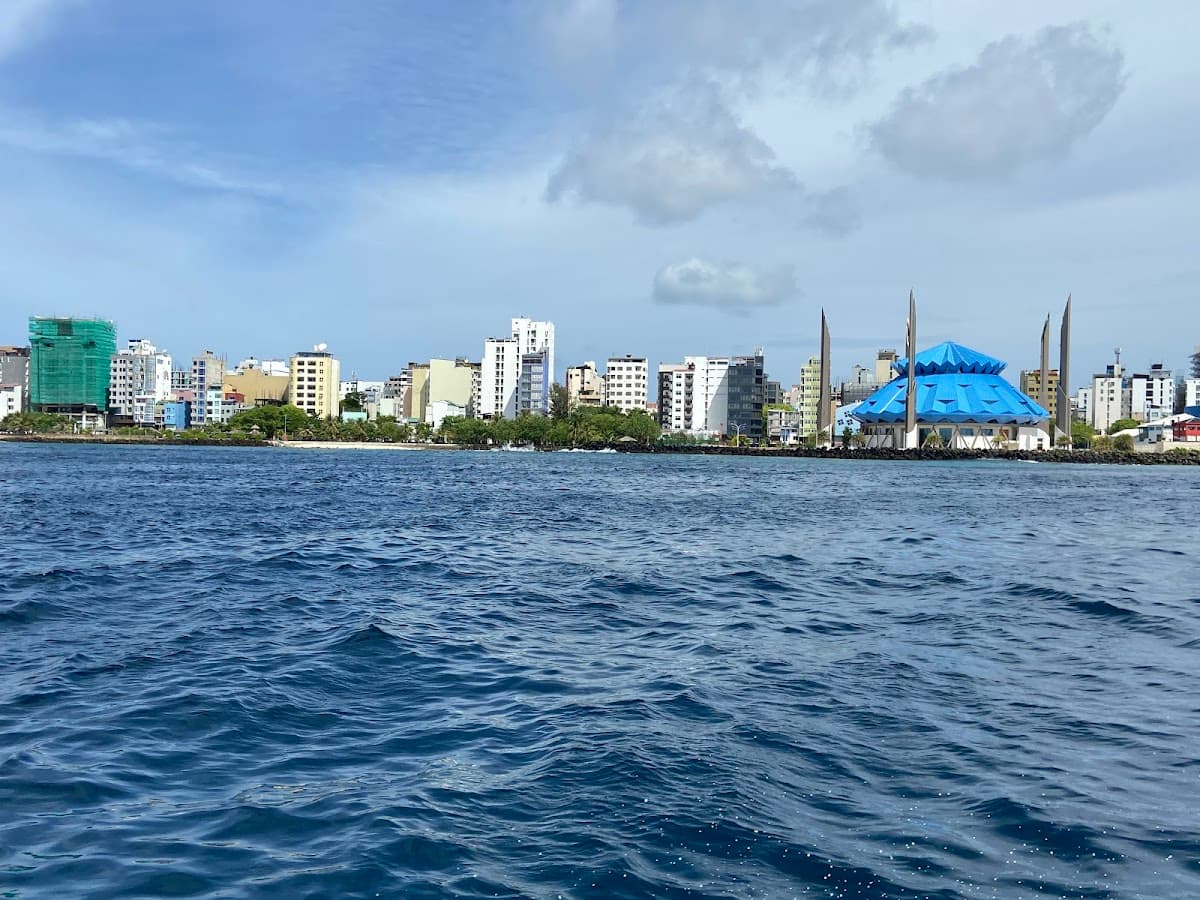
Male
Maldives' bustling capital where local life meets island charm
Look, everyone thinks Maldives equals luxury resorts and $500-a-night overwater bungalows. But here's what most tourists miss: Male, the tiny capital that's actually where Maldivians live, work, and eat. This 2-square-kilometer island packs 200,000 people, centuries of history, and some seriously good curry into a space smaller than most airports. And the best part? You can explore it all on foot in a day without breaking the bank. Sure, it's not Instagram-perfect like those resort photos, but it's real — and that's exactly why you should go.
Best Months
JAN · FEB · MAR · APR · NOV · DEC
~31°C · peak crowds
Culture & Context
DENSE ISLAMIC HEARTLAND
Malé is the capital that the Maldives brochures never show you. Forget the overwater villas for a second. This is a vertical city of over 200,000 people squeezed onto roughly 6 square kilometers, one of the most densely packed urban patches on the planet.
Islam shapes everything here. No alcohol anywhere on the main island. No bikinis on the streets.
Friday afternoons, the ferries slow down and families take over the waterfront promenade with ice cream and easy conversation under the tsunami monument's steel orbs. The city has four historic wards — Henveiru, Galolhu, Maafannu, and Machchangolhi — each named by the original Giraavaru fishermen centuries before the first resort was ever built. The Grand Friday Mosque's golden dome dominates the skyline.
Non-Muslims can step inside outside prayer times, but cover shoulders, knees, and leave shoes at the door. Here's the thing most visitors miss: the fish market on the harbor. Yellowfin tuna the size of small children slide across the floor still thrashing.
Arrive before sunrise for the auction, then reward yourself with mas huni and roshi for $2 at the stall with the plastic stools. The 2.1 km Sinamalé Bridge is the only place in Malé where you can see the horizon without paying resort rates — locals cycle it at sunset, phones out, catching the exact moment the mosque dome turns gold.
Local Customs
MODEST DRESS, NO ALCOHOL
Dress modestly in public — shoulders and knees covered on the streets, no swimwear outside resort or beach areas. The rule is stricter on local islands and in Malé than at resorts.. No alcohol anywhere on the main island of Malé or any inhabited local island.
Don't ask for it; don't bring it. Resorts operate under a different legal framework on their private islands.. Fridays are the Islamic day of rest.
Government offices close, ferry schedules shrink dramatically, and the city quiets down noticeably in the afternoon.. Remove shoes before entering any mosque or Maldivian home. This is a firm expectation, not a suggestion..
If you're a man meeting a local woman, don't initiate physical contact. Let her offer a handshake first; if she doesn't, a nod is perfectly fine and respectful.. Ramadan changes the rhythm of Malé significantly.
Government offices operate only 9am–1:30pm, many private businesses close by 3pm, and eating or drinking in public during daylight hours is disrespectful. On the upside, Iftar meals after sunset are worth seeking out.. Tap water is not safe to drink.
Bring a reusable bottle with a filter like LifeStraw, or buy bottled water consistently.. Don't photograph people, especially at the fish market, without asking first. It's a working environment, not a set piece for your Instagram.
Safety
MOSTLY SAFE, STAY AWARE
Malé is genuinely safe by most standards. Petty crime exists at a low level — keep an eye on your belongings in busy market areas and the waterfront, but don't be paranoid about it. The U.
S. State Department lists the Maldives as Level 2 (Exercise Increased Caution), citing terrorism as a concern. That's worth knowing without overstating it.
Resort islands are controlled environments; Malé and public transport hubs deserve more alertness than your villa pool deck. Don't drink the tap water — it's desalinated and not safe for tourists' stomachs. Serious medical care is only available in Malé; anything beyond basic treatment means evacuation to India or Sri Lanka.
Get travel insurance with medical evacuation coverage. Heavy rainfall during the southwest monsoon (roughly April through November) can cause localized flooding in low-lying parts of Malé. The Maldives Meteorological Service posts flood warnings when needed.
And on the water: drowning is a real risk for inexperienced swimmers. Follow your guide's advice on currents, and don't snorkel or swim alone in unfamiliar spots.
Getting Around
WALKABLE ISLAND
Malé is genuinely walkable. Every corner of the island is reachable on foot in 10 to 15 minutes, and distances between the four main wards rarely exceed 2 km. Buses run for about 10 MVR (roughly $0.
65) per ride, but they're unreliable and not worth fussing over for such short distances. Most locals use scooters. For island-hopping, public ferries from Malé cost between 55–150 MVR depending on the route — but they're notoriously inconsistent.
Many run only once a day and not at all on Fridays. Miss one and you're either paying $25–75 USD for a private speedboat or waiting until tomorrow. Plan the ferry schedule before you arrive, not after.
The Raajje Transport Link (RTL) scheduled speedboats are a reliable middle ground at around $24 per run. The Sinamalé Bridge connects Malé to the airport island of Hulhulé and the newer city of Hulhumalé by road — useful if you're staying in Hulhumalé, which offers more space and slightly lower accommodation prices than central Malé.
Useful Phrases
Money-Saving Tips
- 1.Eat at local cafes instead of hotels — a full meal costs $5-8 vs $25+ at tourist spots
- 2.Use public ferries between islands for $1-3 instead of speedboat transfers that cost $50+
- 3.Buy snacks and water at local shops, not hotel convenience stores where prices triple
- 4.Book accommodation directly with small hotels to avoid booking site commissions
- 5.Visit during shoulder season (March-April) for 30% lower hotel rates than peak season
Travel Tips
- •Download offline maps — WiFi can be spotty away from main hotels and cafes
- •Pack light layers — mornings are cool, afternoons get hot and humid
- •Learn basic Dhivehi greetings — locals appreciate the effort and open up more
- •Always carry cash — many small restaurants and shops don't take cards
- •Respect local customs — dress modestly when visiting mosques or government buildings
- •Book ferry tickets in advance during peak season to avoid getting stranded