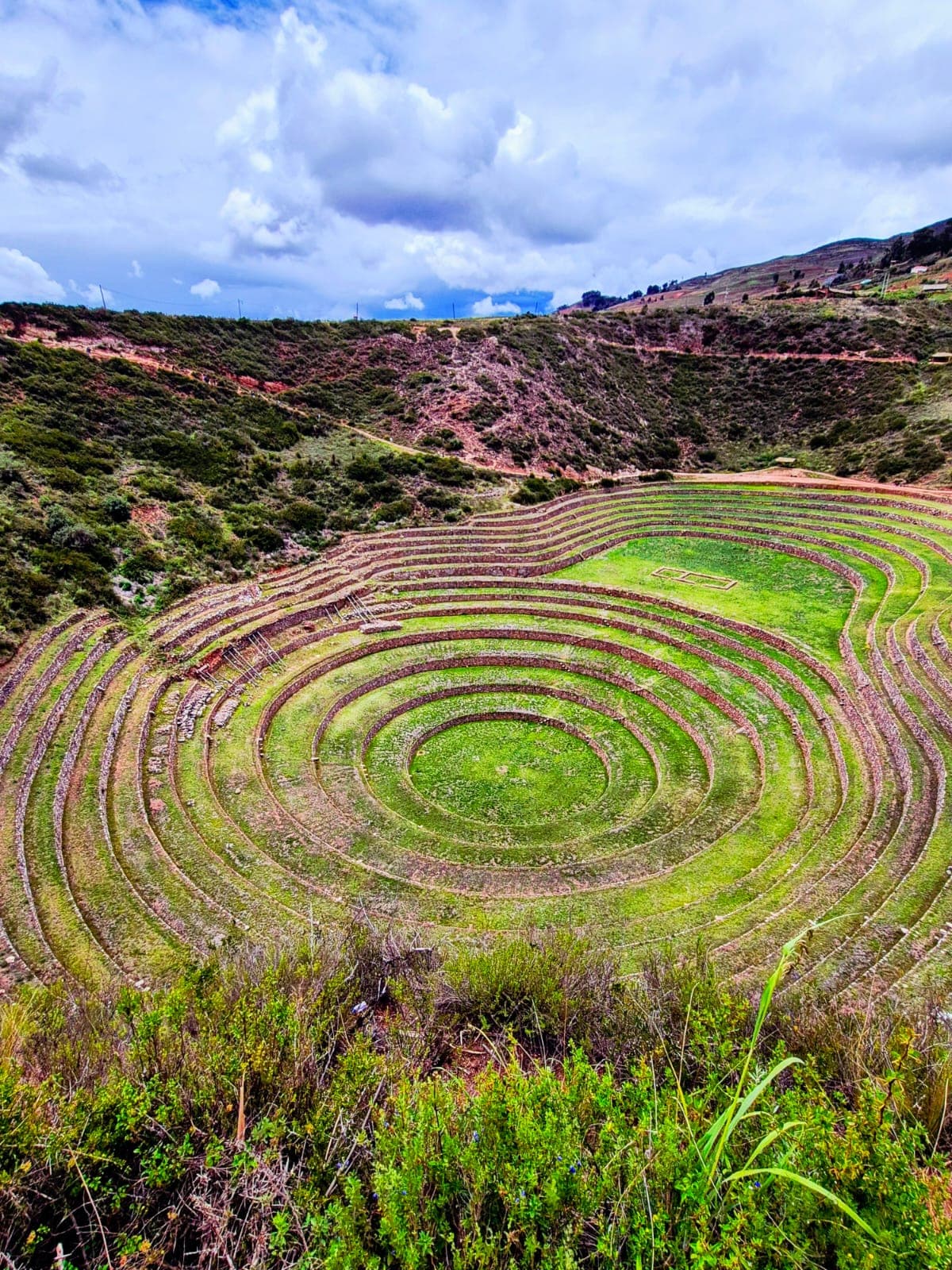
Zanskar Valley
Remote Himalayan valley where ancient Buddhism meets extreme adventure
Most people have never heard of Zanskar Valley. That's exactly what makes it extraordinary. This remote slice of Ladakh sits at 11,500 feet, cut off from the world for eight months a year by snow-blocked passes. When the roads finally open in June, you'll find a landscape that feels like another planet — barren mountains, turquoise rivers, and monasteries that have stood for a thousand years. The locals call it "the land of white copper," and after one look at those gleaming peaks, you'll understand why. But here's the thing: Zanskar isn't for everyone. The altitude hits hard, the roads are rough, and comfort is relative. If you're looking for luxury resorts or easy sightseeing, look elsewhere. This is raw Himalayan adventure territory.
Itineraries coming soon
We're working on adding amazing itineraries for Zanskar Valley. In the meantime, try the app to create your own!
Money-Saving Tips
- 1.Carry cash in small denominations — ATMs don't exist and card payments are impossible
- 2.Budget ₹2,000-3,000 per day for basic accommodation and meals in guesthouses
- 3.Hire local guides for ₹1,500-2,000 per day — they know safe routes and weather patterns
- 4.Stock up on supplies in Leh where prices are 50% lower than in Zanskar villages
- 5.Shared jeeps cost ₹2,000 per person from Leh, private vehicles run ₹15,000-20,000 round trip
- 6.Monastery entry fees range from ₹50-200, but donations are appreciated and expected
- 7.Emergency helicopter evacuation costs ₹50,000+ so get comprehensive travel insurance
Travel Tips
- •Acclimatize in Leh for 2-3 days before heading to Zanskar to avoid severe altitude sickness
- •Pack warm clothes even in summer — temperatures drop to 5°C at night in July
- •Download offline maps and carry a GPS device — cell phone coverage is non-existent
- •Bring water purification tablets as clean drinking water sources are limited
- •Respect photography rules at monasteries — many prohibit photos inside prayer halls
- •Carry a first aid kit with altitude sickness medication and basic medical supplies
- •Book accommodation in advance during July-August festival season
- •Pack extra batteries for electronics as electricity is unreliable in remote villages
Frequently Asked Questions
Explore Zanskar Valley
Ready to explore Zanskar Valley?
Get a personalized itinerary in seconds with Takeoff.
Free on iOS. No credit card required.