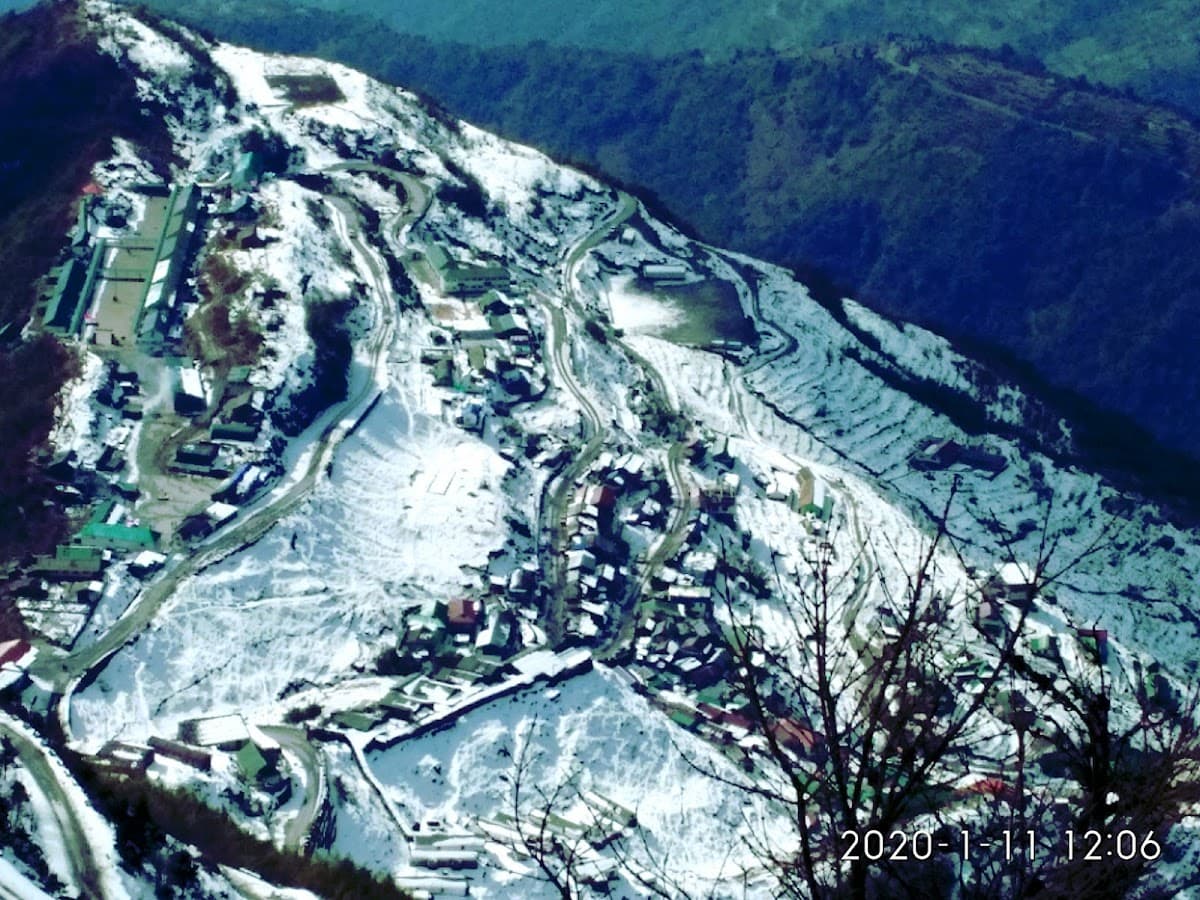
Sikkim
Himalayan kingdom where monasteries meet mountain peaks
Sikkim feels like stepping into another world. This former Buddhist kingdom, now India's second-smallest state, sits tucked between Nepal, Bhutan, and Tibet. Prayer flags flutter against snow-capped peaks. Monks in maroon robes walk past rhododendron forests. And Kanchenjunga, the world's third-highest mountain, dominates the skyline like a sleeping giant.
But here's what makes Sikkim special: it's still relatively unknown. You won't find tour buses clogging mountain roads or selfie sticks at every monastery. Instead, you'll share trails with locals carrying prayer wheels and stumble upon villages where time moves at the pace of yak bells.
The elevation ranges from 280 meters in the south to over 8,500 meters at Kanchenjunga's peak. This creates an incredible diversity – tropical forests give way to alpine meadows, which transform into glacial landscapes. One day you're spotting red pandas in temperate forests. The next, you're watching sunrise paint the Himalayas gold from 12,400 feet up.
Itineraries coming soon
We're working on adding amazing itineraries for Sikkim. In the meantime, try the app to create your own!
Money-Saving Tips
- 1.Stay in homestays rather than hotels – they cost ₹800-1,200 per night versus ₹3,000+ for hotels, plus you get authentic local meals
- 2.Take shared jeeps between towns instead of private taxis – saves 70% on transport costs
- 3.Buy permits online before arriving to avoid queues and potential delays at border checkpoints
- 4.Pack warm clothes rather than buying in Sikkim – mountain gear costs 2-3x more than in plains cities
- 5.Eat at local joints and dhabas rather than hotel restaurants – momos cost ₹40 at street stalls versus ₹200 in tourist spots
- 6.Book North Sikkim tours directly with local operators in Gangtok rather than through travel agents in other cities
Travel Tips
- •Carry cash – most remote areas don't accept cards and ATMs are scarce outside Gangtok
- •Acclimatize gradually if coming from sea level – spend 1-2 days in Gangtok before heading to higher elevations
- •Download offline maps before traveling – mobile coverage is patchy in mountain areas
- •Pack layers for rapid weather changes – temperatures can drop 15°C in an hour at altitude
- •Respect monastery rules – remove shoes, don't point feet toward altars, ask before photographing
- •Carry permits always – police checkpoints are common and fines for missing permits are hefty
- •Book accommodations in advance during peak season (March-May, October-November)
- •Bring altitude sickness medication if planning to visit areas above 12,000 feet
Frequently Asked Questions
Explore Sikkim
Ready to explore Sikkim?
Get a personalized itinerary in seconds with Takeoff.
Free on iOS. No credit card required.