Meghalaya
Living root bridges and cascading waterfalls in India's wettest state
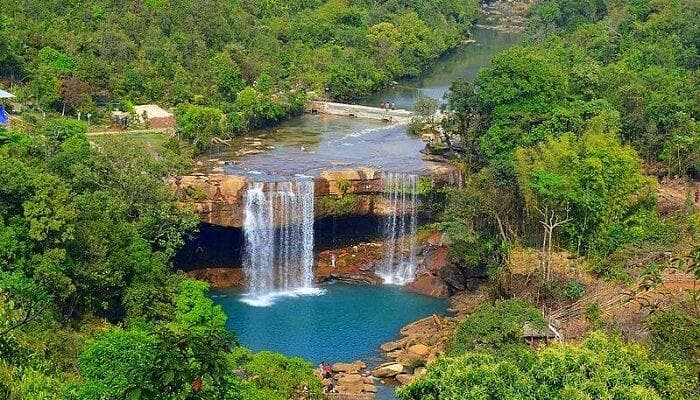
Meghalaya doesn't mess around when it comes to rain. This northeastern Indian state gets hammered with over 450 inches annually, creating a landscape so green it hurts your eyes. But here's the thing — all that water carved out something extraordinary. Living root bridges that take 15 years to grow. Waterfalls that thunder down limestone cliffs. Caves that stretch for miles underground. The Khasi and Garo people figured out how to work with nature instead of against it centuries ago. Now you get to walk across their handiwork while clouds swirl around your ankles at 4,000 feet.
Itineraries coming soon
We're working on adding amazing itineraries for Meghalaya. In the meantime, try the app to create your own!
Money-Saving Tips
- 1.Shared taxis from Guwahati to Shillong cost ₹300 vs ₹2,500 for private — book a seat at Paltan Bazaar the day before
- 2.Homestays in villages like Mawlynnong charge ₹800-1,200 per night including meals, half the price of Shillong hotels
- 3.Entry fees add up fast — Nohkalikai Falls (₹20), Mawsmai Cave (₹25), Seven Sisters Falls (₹10) — carry small bills
- 4.Local guides for root bridge treks charge ₹500-800 per day vs ₹2,000+ through hotels — hire directly in villages
- 5.Street food at Police Bazaar costs ₹30-50 per plate vs ₹200+ at tourist restaurants — eat where locals eat
- 6.Shared Sumos between towns run ₹50-100 per person but only leave when full — factor in waiting time
- 7.Buy rain gear in Shillong (₹200-400) rather than bringing expensive branded stuff that'll get destroyed anyway
Travel Tips
- •Download offline maps before heading to remote areas — cell service cuts out frequently in the hills
- •Pack waterproof bags for electronics and documents — everything gets damp during monsoon season
- •Carry cash in small bills — most places don't accept cards and ATMs are scarce outside Shillong
- •Book accommodations 2-3 days ahead during peak season (Oct-Mar) — options are limited in popular villages
- •Start waterfall visits early (7-8 AM) to avoid crowds and get better photos in soft morning light
- •Hire local guides for root bridge treks — they know safe routes and can explain the bridge-growing process
- •Respect photography rules at sacred groves and bridges — some communities charge fees or restrict access
- •Pack layers for temperature swings — 75°F in valleys, 45°F at higher elevations, especially in winter
- •Learn basic Khasi phrases like 'khublei' (thank you) — locals appreciate the effort in remote villages
- •Carry your own water bottle and purification tablets — tap water isn't safe and plastic bottles create waste
Frequently Asked Questions
Explore Meghalaya
Ready to explore Meghalaya?
Get a personalized itinerary in seconds with Takeoff.
Free on iOS. No credit card required.