Meghalaya
Living root bridges and cascading waterfalls in India's wettest state
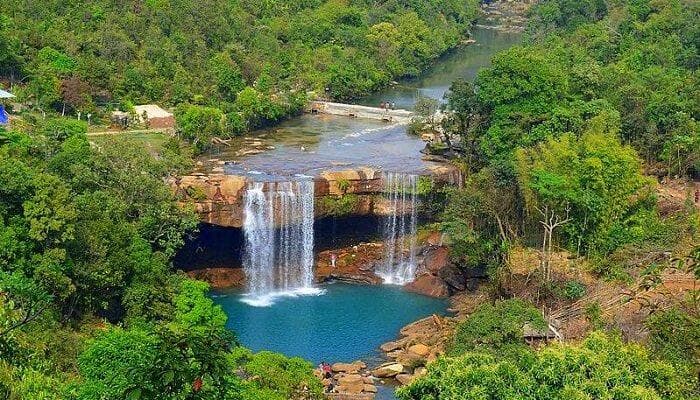
Meghalaya isn't your typical Indian hill station. This northeastern state gets hammered by monsoons that create some of the planet's most dramatic landscapes — waterfalls that plunge 1,100 feet, caves that stretch for miles, and those famous living root bridges that take decades to grow. The Khasi and Garo tribes have been weaving these bridges from rubber tree roots for centuries, creating Instagram gold that actually serves a purpose. But here's what travel blogs won't tell you: the rain is relentless during monsoon season, roads turn into rivers, and getting around requires serious patience. Come during the dry months and you'll find a different world — crystal-clear pools perfect for swimming, trekking trails that don't require machetes, and some of the cleanest air you'll breathe in India.
Money-Saving Tips
- 1.Budget ₹1,500-2,000 per day for mid-range accommodation and meals in Shillong
- 2.Shared taxis between towns cost ₹100-200 per person, much cheaper than private cars
- 3.Entry fees for most waterfalls and viewpoints range from ₹10-50 per person
- 4.Homestays in villages like Mawlynnong cost ₹800-1,200 per night including meals
- 5.Hire local guides for ₹500-800 per day when trekking to remote root bridges
- 6.ATMs are scarce outside Shillong, so carry cash for village expenses
- 7.Bottled water costs ₹20-40 in towns, ₹60-80 near tourist attractions
Travel Tips
- •Pack rain gear even during dry season - weather changes quickly in the hills
- •Download offline maps before heading to remote areas with poor cell coverage
- •Carry cash - most villages don't accept cards and ATMs are unreliable
- •Book accommodation in advance during peak season (December-January)
- •Respect local customs when visiting villages - ask before photographing people
- •Start early for root bridge treks - the 3-hour hike gets brutal in afternoon heat
- •Bring sturdy shoes with good grip - trails can be slippery even when dry
- •Learn basic Khasi phrases like 'phi long kumno' (how are you) - locals appreciate the effort
- •Try local transport like shared taxis to save money and meet locals
- •Pack layers - temperatures can vary 20°F between valleys and hilltops