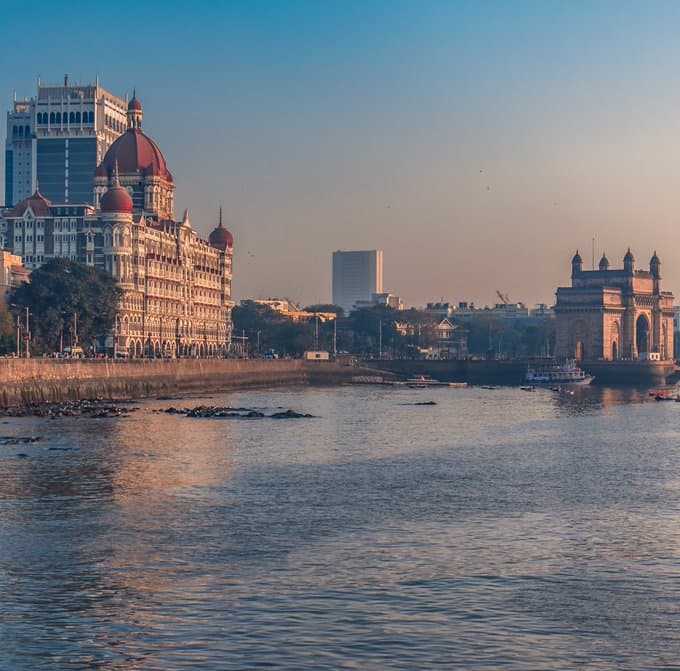
Mumbai
India's financial capital where Bollywood dreams come alive
Mumbai hits you like a double espresso shot at 6 AM. This city of 20 million doesn't just wake up – it erupts. Street vendors hawk fresh vada pav for ₹15 while investment bankers in Nariman Point close million-dollar deals. Bollywood extras queue outside Yash Raj Studios while fishermen haul in the day's catch at Sassoon Docks.
Here's the thing about Mumbai: it's India's New York, but with better food and cheaper everything. The local train system carries 7.5 million people daily, more than the entire population of Switzerland. And somehow, it works.
You'll love Mumbai if you thrive on energy, don't mind crowds, and believe the best meals happen on the street. You might struggle if you need personal space or hate humidity. But give this city 48 hours, and it'll either exhaust you completely or make you want to stay forever.
Best Months
JAN · FEB · MAR · NOV · DEC
~31°C · peak crowds
Culture & Context
BOLLYWOOD AMBITION COLLIDES
Mumbai runs on ambition and contradiction. It's where a Bollywood producer hails an auto-rickshaw fifty meters from a family living in a tarpaulin shelter. The city is officially Marathi-speaking Maharashtra's capital, but Hindi and English are just as native here.
Most Mumbaikars are multilingual without making a fuss about it. The local identity is fierce. Residents still call it Bombay in casual conversation, and the old name carries genuine affection.
The city's Irani cafes, the dabbawalas delivering 200,000 lunches by local train daily, the Dhobi Ghat washing thousands of garments in the open air — these aren't tourist spectacles, they're just Tuesday. Bollywood is everywhere and nowhere. You probably won't spot Shah Rukh Khan at Juhu Beach, but the industry's money and attitude seep into restaurants, nightlife, and fashion across the city.
Religion operates constantly in the background. Ganesh idols appear in auto-rickshaws. The Haji Ali Dargah sits in the middle of the sea.
Temple bells ring early morning in residential neighborhoods. None of this is performance. It just coexists alongside stock market tickers and startup pitch decks.
Dress modestly at religious sites. Remove shoes when asked. And don't flash expensive gear in crowded markets.
Local Customs
CHAI BREAKS & BARGAINS
Remove shoes before entering any temple, mosque, or gurudwara. Most religious sites will have a shoe rack outside.. Bargaining is normal and expected at Colaba Causeway, Crawford Market, and Linking Road.
Open with 'Bahut mehnga!' (too expensive) and go from there. Fixed-price shops exist too, but the street stalls are fair game..
Mumbai's local trains have separate women-only carriages. As a tourist, use first-class compartments during rush hour (8-11 AM and 5-8 PM) — they're slightly less overwhelming.. The city runs on chai breaks.
Stopping at a roadside tapri (tea stall) for ₹10 chai is entirely normal and a genuine local activity, not a tourist thing.. Tipping is optional in most local eateries but expected at higher-end restaurants where a 5-10% service charge may already be added to your bill. Check before tipping..
UPI (Unified Payments Interface) is accepted almost everywhere including street stalls. International visitors can now access it via UPI One World without an Indian bank account — significantly reduces the need to carry cash.. During Ganesh Chaturthi and Diwali, streets become very crowded and loud.
This is not a downside; it's the point. Budget extra travel time for everything during festival weeks.. Monsoon runs June through September.
'It's just rain' doesn't cover it — Mumbai can see 200mm+ in a single day during peak monsoon. Keep plans flexible and carry a small umbrella everywhere.
Safety
WATCH THE CROWDS
Mumbai is generally safe for tourists by Indian city standards, but some specific things deserve attention. Petty theft and pickpocketing are real risks on local trains during rush hours (8-11 AM and 6-9 PM) — stick to first-class compartments, keep bags in front of you, and zip everything. The Gateway of India and Colaba Causeway attract persistent touts; a firm but polite 'no thank you' usually works, but don't let anyone attach themselves as your 'guide.
' The biggest documented scam category is transport. Book a prepaid taxi at the official airport counter for ₹761 fixed rate to avoid the 'meter broken' games. Use Uber or Ola in the city whenever possible — app-based means no negotiation and no surprises.
Auto-rickshaws don't operate south of Bandra/Sion, so if someone's offering you a rick ride to Colaba, something's off. Violent crime against tourists is relatively uncommon. Muggings happen mainly in isolated areas at night.
Stay in well-lit, populated streets after dark, which is easy because Mumbai genuinely doesn't sleep. The monsoon (June-September) creates real practical hazards: flooding can disrupt transport across the city, ferries to Elephanta get cancelled, and rainfall can hit 200mm+ in a single day. Check weather before day trips during those months.
Drink sealed bottled water only. Street food from high-turnover stalls is generally fine; avoid anything sitting out in the heat.
Getting Around
METRO & LOCAL TRAINS
The local train network is Mumbai's actual circulatory system. Three main lines (Western, Central, Harbour) connect the whole city at minimal cost. A second-class day pass costs ₹51 ($0.
54) for unlimited travel. But these trains carry millions of people and during rush hour (8-11 AM, 6-9 PM) they are genuinely overwhelming — bodies pressed against the doors, no room to move. For tourists with luggage, avoid peak hours entirely or pay for first-class tickets.
The metro system is expanding through 2026, with new lines adding air-conditioned options to areas the local trains don't reach well. Metro fares run ₹25-60 per ride. Auto-rickshaws (autos) are everywhere but only operate north of Mahim/Sion — they cannot legally go into South Mumbai.
The base fare is ₹26 for the first 1.5km after a recent hike from February 2025. Insist on the meter.
The classic black-and-yellow (Kali Peeli) taxis operate throughout the city with a ₹31 minimum fare and ₹20.66/km after that. Uber and Ola are reliable, fairly priced, and the easiest option for tourists since you see the fare upfront.
At the airport, always use the official prepaid taxi counter (fixed ₹761) rather than accepting offers from drivers approaching you in the arrivals hall. Ferries run from Gateway of India to Elephanta Caves (the main tourist ferry), plus routes to Alibaug, Mandwa, and other coastal spots — fares from ₹80. The 'luxury' ferry to Elephanta at ₹263 is worth the extra few rupees for seating and views.
Useful Phrases

Explore the Region
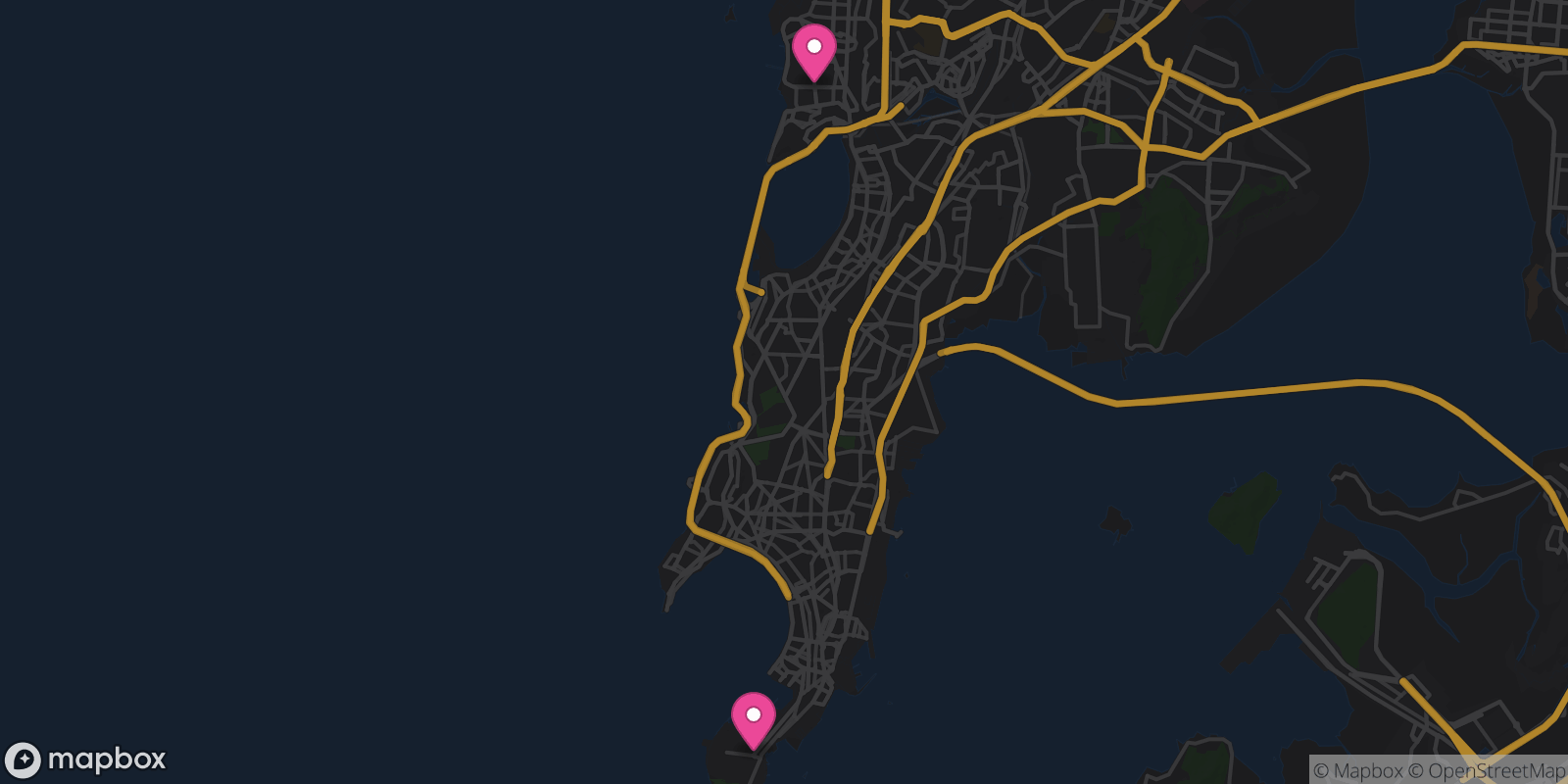
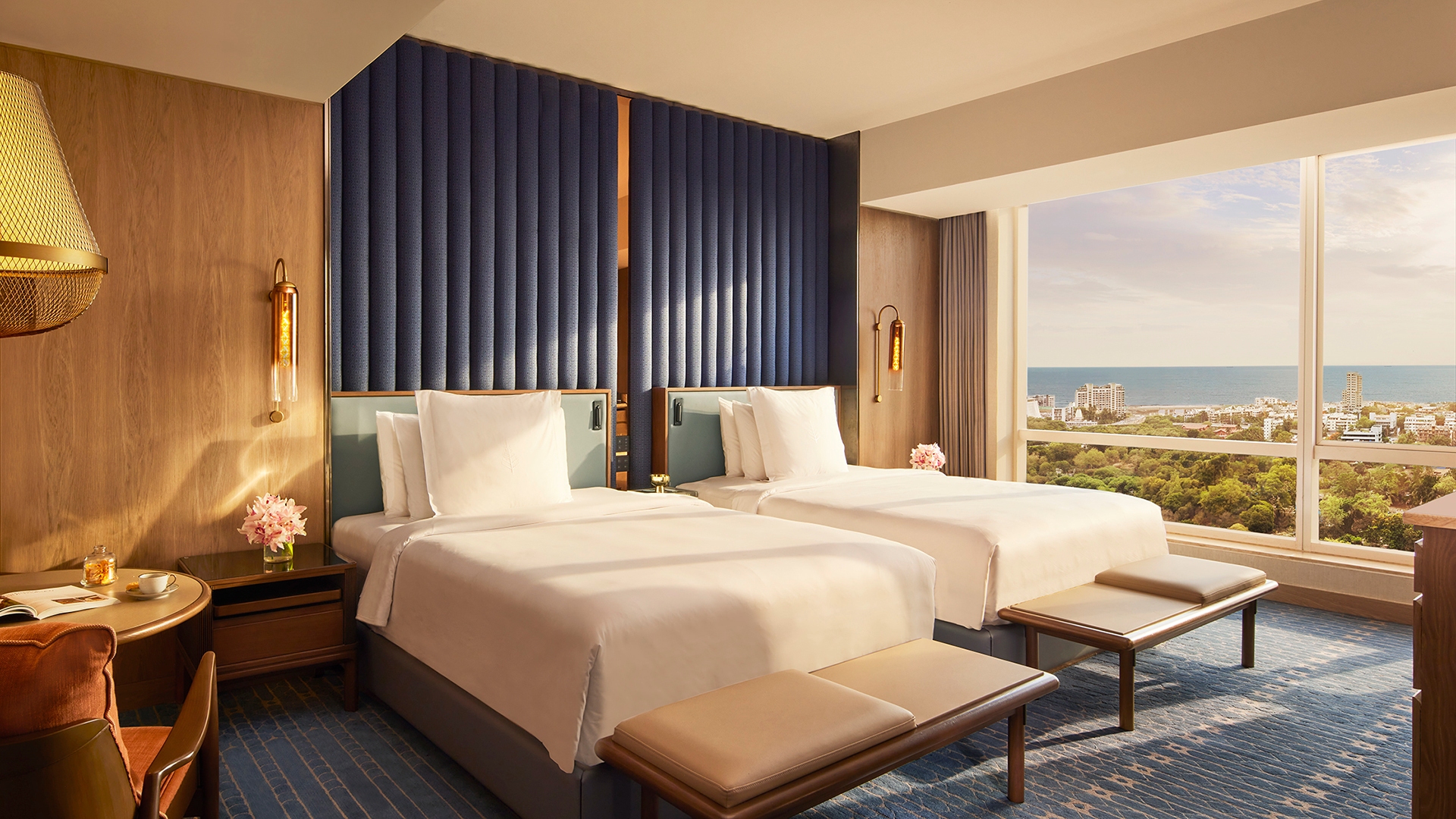
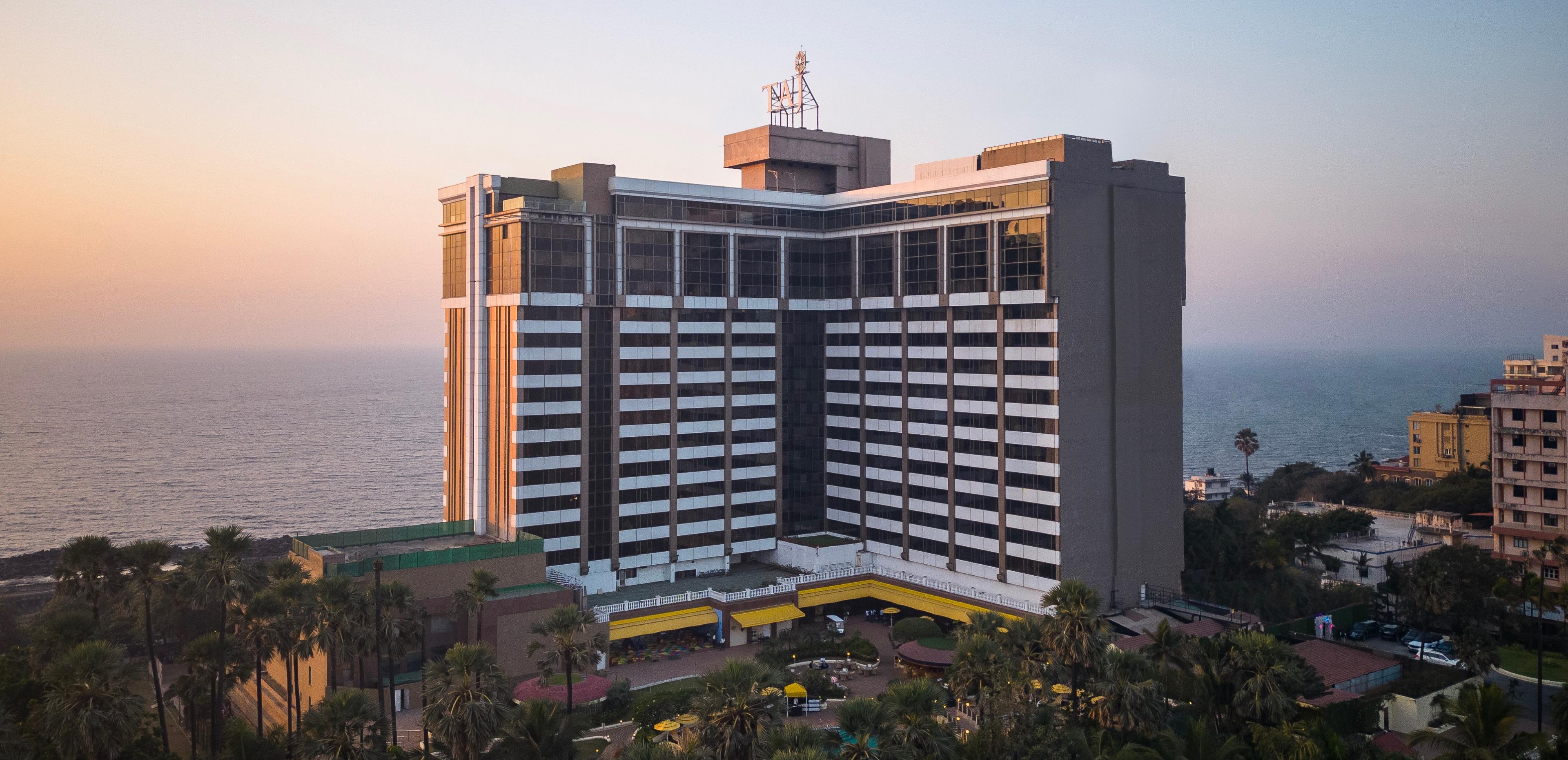
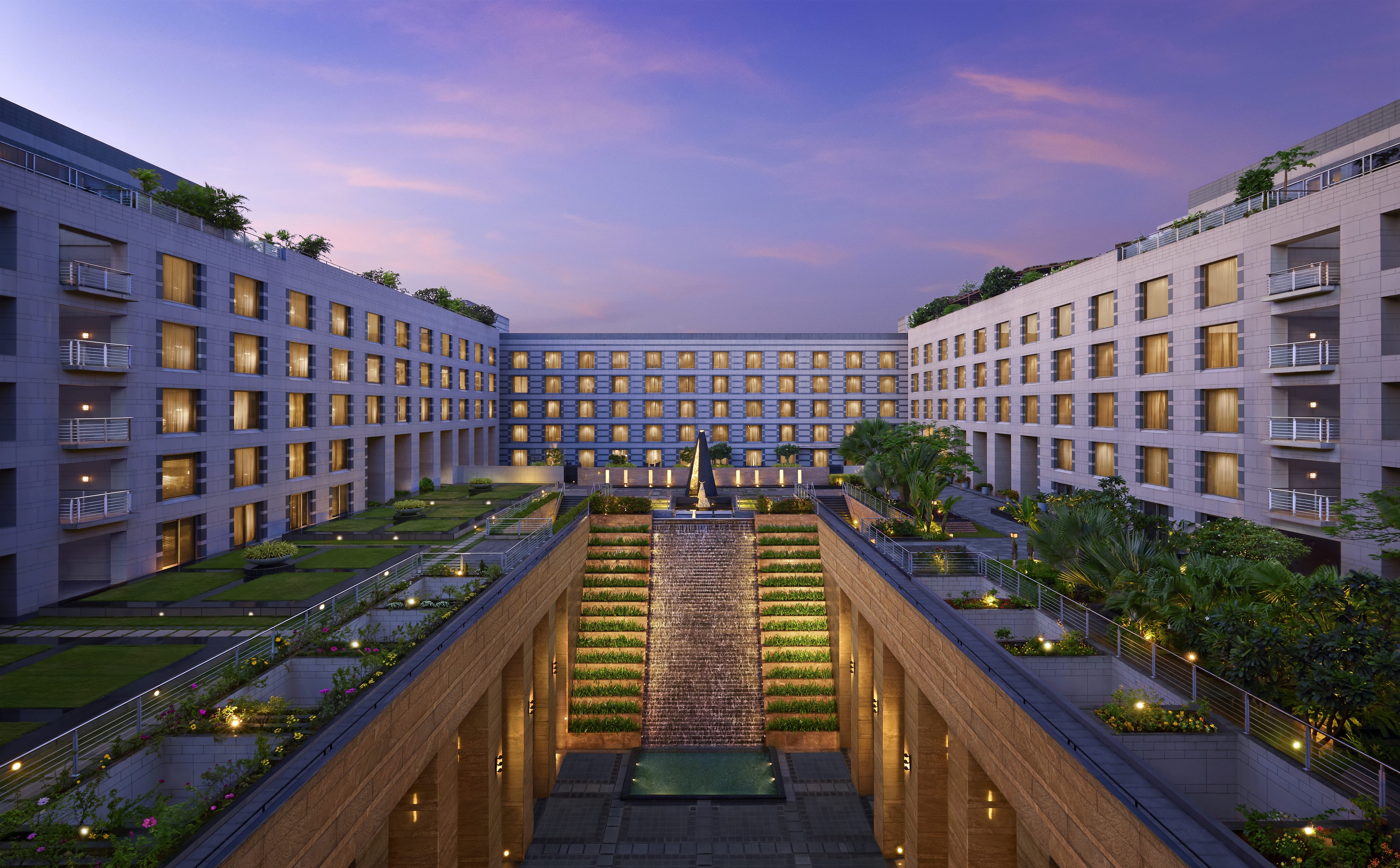
Where to Stay in Mumbai
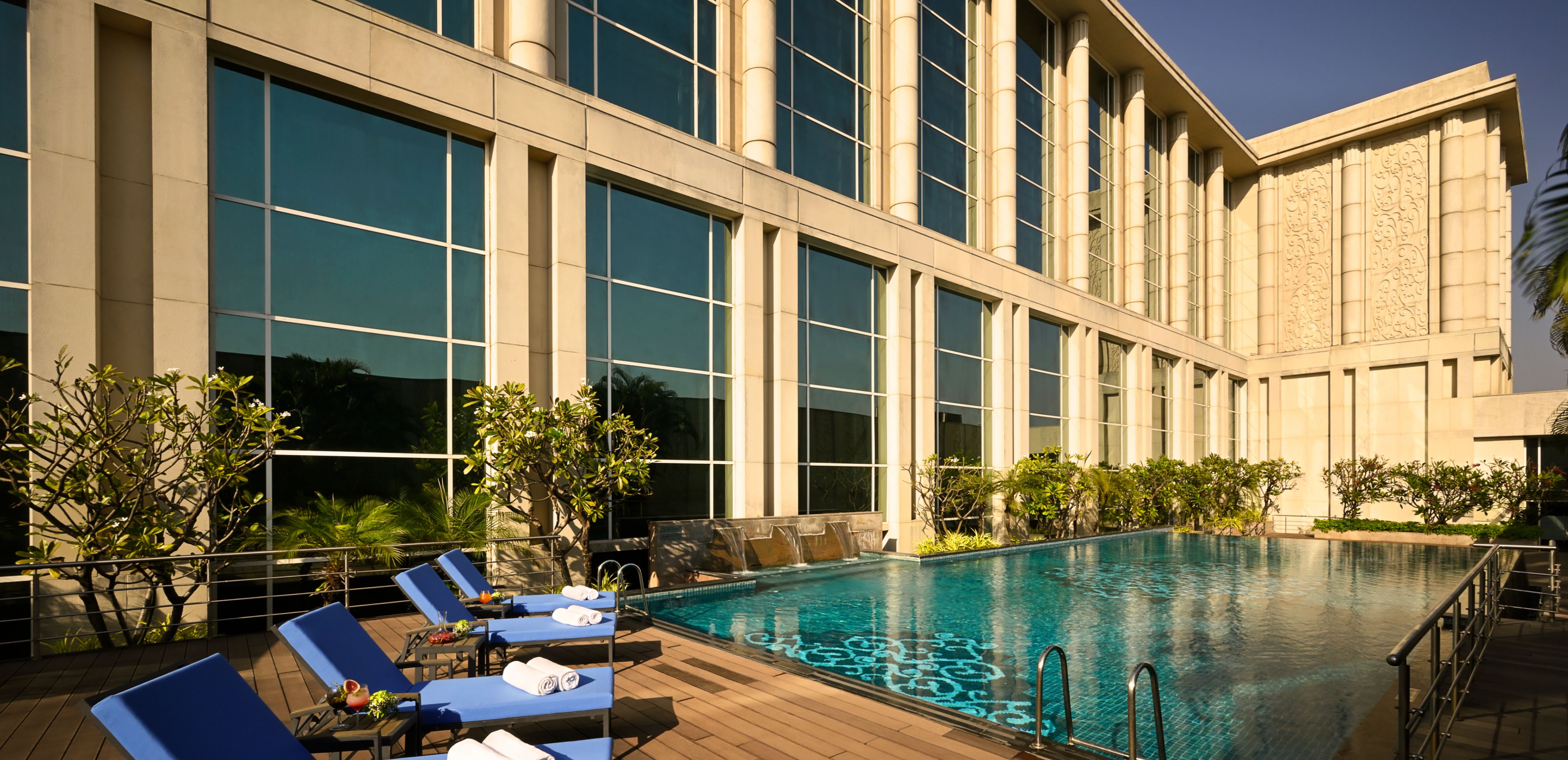
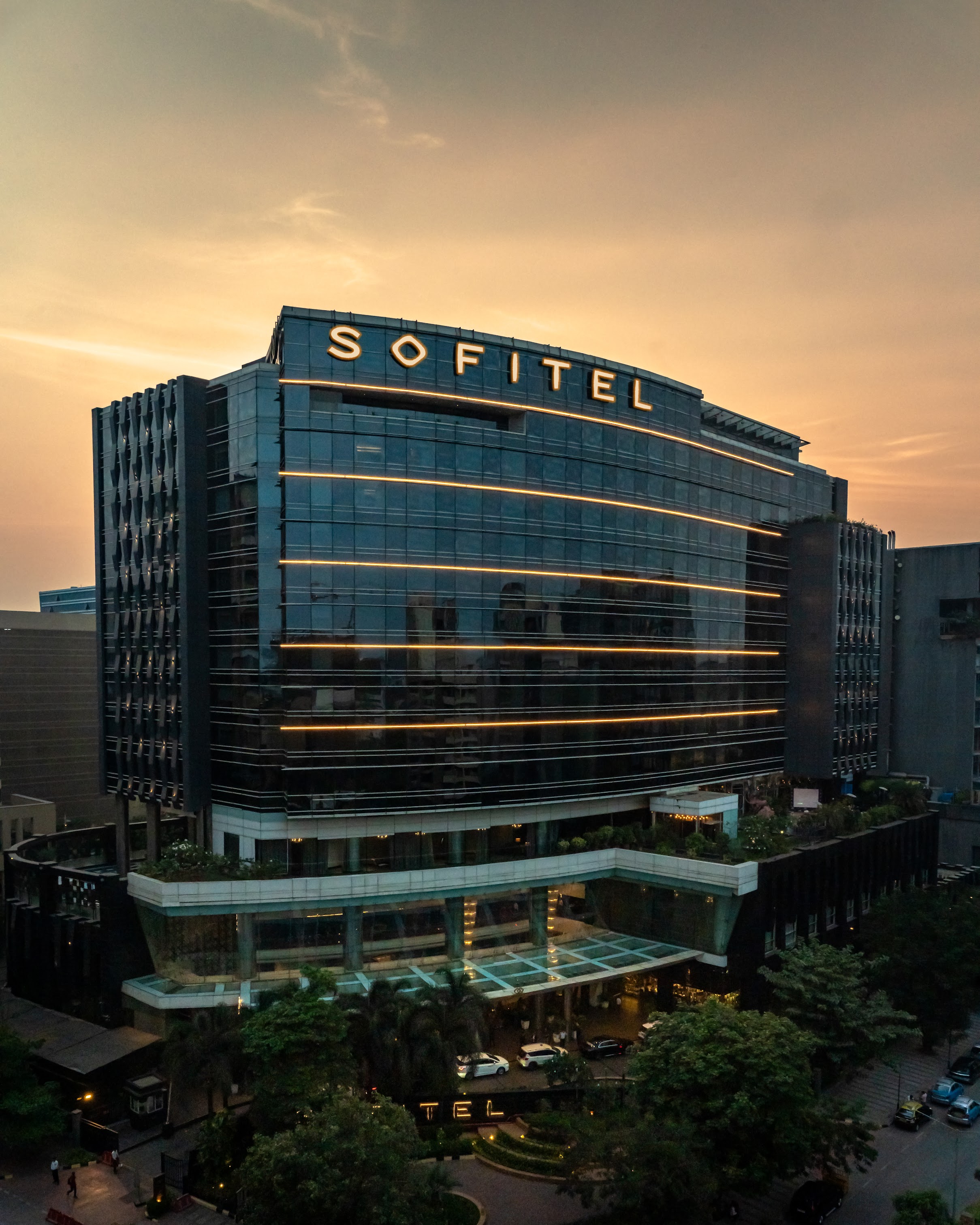
9 recommended properties

Money-Saving Tips
- 1.Local trains cost ₹5-15 per ride vs ₹200-400 for Uber – learn the system and save thousands
- 2.Street food costs ₹20-50 per item while restaurant meals run ₹800-2000 – eat where locals eat
- 3.Buy train tickets in bulk (10-trip passes) for 5% discount if staying longer than a week
- 4.Hotel prices drop 40-50% during monsoon season (June-September) if you don't mind the rain
- 5.Rickshaws quote tourist prices – always negotiate or use the meter in suburbs
- 6.Buy alcohol from wine shops (₹80-120 per beer) instead of restaurants (₹200-400) for home consumption
- 7.Crawford Market vendors give better fruit prices than hotel room service – ₹30 vs ₹200 for same mango
- 8.Book train tickets online to avoid ₹10-20 counter charges and long queues
Travel Tips
- •Download the m-Indicator app for real-time local train schedules and platform information
- •Carry small denominations – street vendors rarely have change for ₹500 notes
- •Avoid rush hour trains (8-11 AM, 5-9 PM) unless you enjoy extreme human contact
- •Keep copies of passport and visa – police checks happen randomly, especially near tourist areas
- •Learn basic Hindi numbers for bargaining – vendors respect the effort and give better prices
- •Mumbai floods during heavy monsoon rains – check weather before venturing out June-September
- •Dress modestly when visiting religious sites – cover shoulders and legs, remove shoes
- •Book restaurants in advance during peak season (Dec-Jan) – popular places fill up quickly
- •Use prepaid taxis at the airport to avoid meter manipulation and overcharging
- •Carry hand sanitizer – you'll be touching surfaces that millions of others touch daily