Kashmir
Paradise on earth with pristine lakes, snow-capped peaks, and Mughal gardens
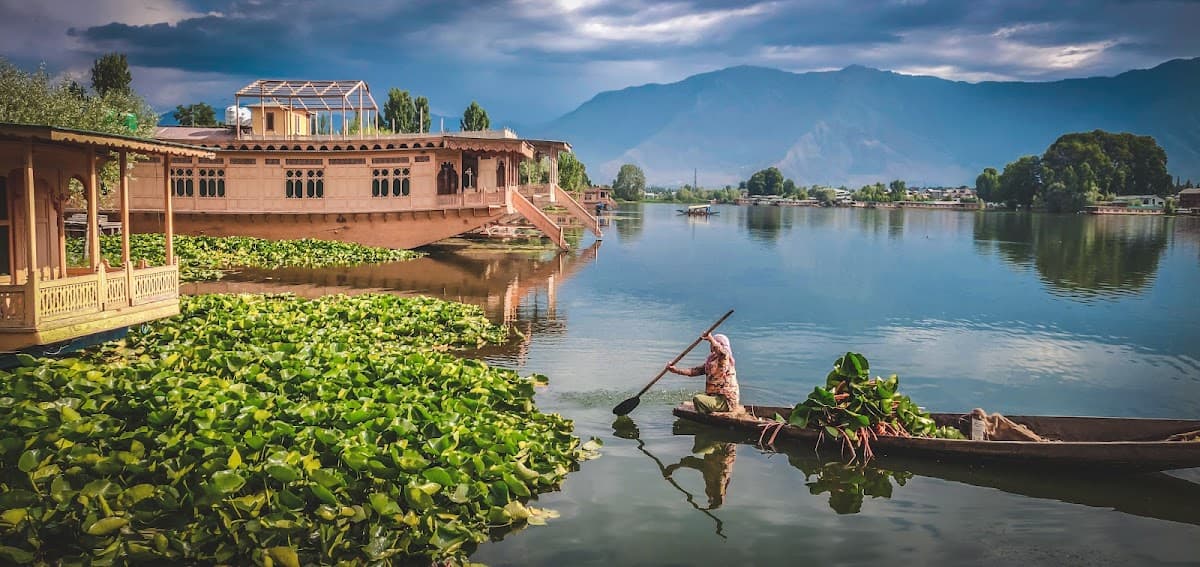
Kashmir earns its "paradise on earth" reputation the moment you glide across Dal Lake in a shikara at sunrise. The Himalayas rise like ancient guardians around emerald valleys, while saffron fields stretch toward apple orchards heavy with fruit. But here's what guidebooks won't tell you: Kashmir is as much about the warmth of Kashmiri hospitality as it is about those postcard-perfect landscapes. You'll sip kahwa tea with locals who've weathered decades of uncertainty yet still invite strangers to share their stories. The region's Mughal gardens whisper of emperors who declared this valley their summer retreat, and honestly, you'll understand why after one evening watching the sunset paint Gulmarg's meadows gold.
Money-Saving Tips
- 1.Book houseboats directly with owners rather than through tour operators to save 30-40% on accommodation costs
- 2.Visit during shoulder season (September-October) for 50% lower prices on hotels and fewer crowds at major attractions
- 3.Eat at local dhabas instead of hotel restaurants - a full meal costs ₹200-300 vs ₹800-1200 at tourist spots
- 4.Use shared sumos between towns (₹100-300) instead of private taxis (₹2500-4000) for significant transport savings
- 5.Buy saffron directly from Pampore farmers rather than Srinagar shops to avoid 200-300% markup on authentic Kashmir saffron
- 6.Negotiate shikara rides in groups and avoid rides during sunset hours when prices double for tourists
Travel Tips
- •Carry cash as most local vendors and shikara operators don't accept cards, especially outside Srinagar city center
- •Pack layers even in summer - mountain weather changes rapidly and evenings get cold even in June
- •Book houseboat stays for at least 2 nights to fully experience Dal Lake life and avoid feeling rushed
- •Download offline maps before heading to remote areas as cellular coverage is spotty in mountain regions
- •Respect local customs by dressing modestly, especially when visiting mosques and religious sites throughout the valley
- •Keep medicines and warm clothes handy as altitude changes can cause headaches and sudden weather shifts
- •Learn basic Kashmiri greetings - locals appreciate the effort and it opens doors to authentic cultural exchanges