
Goa
India's tropical paradise of beaches, culture and nightlife
Goa isn't just a beach destination — it's a state of mind. This former Portuguese colony on India's west coast serves up golden beaches, world-class seafood, and some of the best nightlife in Asia. But here's what makes it special: you can party until dawn in Anjuna, explore 16th-century churches in Old Goa, and feast on fish curry rice for ₹150, all in the same day.
The beaches stretch for 100 kilometers, but each has its own personality. Baga draws the party crowd. Palolem attracts yoga enthusiasts. Agonda stays blissfully quiet. And scattered between them are Portuguese-era churches, spice plantations, and beach shacks serving cold Kingfisher beer at sunset.
Yes, it gets crowded during peak season. And yes, some areas feel touristy. But there's a reason travelers have been coming here since the 1960s — Goa delivers on its promise of sun, sand, and seriously good times.
Best Months
JAN · FEB · MAR · NOV · DEC
~33°C · peak crowds
Culture & Context
PORTUGUESE LEGACY LIVES
Goa spent 451 years under Portuguese rule, which ended only in 1961 — and that history is everywhere. Not just in the baroque churches of Old Goa, but in the surnames, the food (vindaloo is literally a Portuguese dish, vinha d'alhos), the architecture of Fontainhas, and the Catholic-Hindu coexistence that makes Goa feel unlike anywhere else in India. Konkani is the official state language.
Most people in tourist areas speak English and Hindi fine, but venture into a village or a fish market and Konkani is what you'll hear. The concept of susegad (roughly: a relaxed, unhurried approach to life) is real and not just a tourism tagline — locals genuinely operate on a different clock. Don't fight it.
Goa recorded over 10.8 million visitors in 2025, which means the more popular beaches now carry real tourist-trap energy. The state is actively pushing eco-friendly tourism; many cafes in 2026 give discounts if you bring your own cup, and plastic reduction is taken seriously.
Local Customs
RESPECT FLAG WARNINGS
Cover shoulders and knees at temples and churches. Hindu temples and Catholic churches both require it. A light scarf stuffed in your bag saves an awkward turn-away at the door..
Nudity on beaches is illegal and actively enforced. Topless sunbathing is also not acceptable.. As of 2026, new regulations strictly prohibit photographing or filming other tourists without their consent.
Local police are enforcing this actively — it's not just a polite suggestion.. Red flag on a beach means do not enter the water. Full stop.
Strong currents cause drownings in Goa every year, almost always when people ignore or misjudge flag conditions.. Always negotiate and agree on a taxi fare before you get in. The official government rate is ₹8/km but most traditional taxis don't follow it.
The GoaMiles app gives transparent pricing.. When renting a scooter, film a time-stamped video of the entire vehicle before accepting it — front, back, all sides. Damage scams are common and this footage protects you..
Carry valid ID at all times when riding. Police checks are frequent in 2026, especially on tourists. An international driving permit plus your home license is the safest combination..
Eating at busy beach shacks with high customer turnover means fresher fish. A slow, empty shack at 2 PM is not where you want to order the prawn curry.. Don't accept free drinks from strangers at bars or beach shacks if you're traveling solo..
During long weekends, Baga and Calangute become genuinely chaotic — littered, overpriced, and loud. Consider heading further south or to Arambol instead.
Safety
WATCH BELONGINGS CLOSELY
Goa is generally safe and well-geared toward tourism, but a few things are worth knowing before you land. Petty theft happens in crowded areas — carry your wallet in a front pocket, not a back one, and keep bags close in markets. Don't leave belongings unattended on beaches.
Female solo travelers report Goa as one of India's more comfortable states for independent travel, though the same basic precautions apply as anywhere: stay aware at night, don't walk alone on unlit stretches of beach after dark, and solo women should avoid accepting drinks from strangers at bars. Traffic is genuinely chaotic. Roads are poorly marked in many areas, all types of vehicles share the lane, and animals appear without warning.
Driving a scooter at night is significantly riskier than during the day — factor that in. Police checks on tourists are frequent in 2026, particularly for scooter riders. Carry your actual license, not just a photo of it.
Official government rate card for taxis exists; refer to it if you're being overcharged. Report overcharging or driver misconduct to the nearest Transport Department office. Beach flag rules are non-negotiable: red flag means stay out of the water.
Currents are stronger than they look, and drownings happen every season. Water quality at some of the more popular North Goa beaches (particularly around Baga) declines noticeably during peak season — South Goa beaches like Benaulim and Palolem are cleaner.
Getting Around
SCOOTERS & CHEAP BUSES
Two airports: Manohar International (GOX/Mopa) in North Goa, and Dabolim (GOI) near Vasco in South Goa. Check your airport code carefully — getting it wrong adds serious time and cost to your journey. From Mopa, a taxi to North Goa beaches (Anjuna, Arambol) costs around ₹1,200–2,500 and takes 30–60 minutes.
From Dabolim to South Goa beaches like Colva or Benaulim is ₹800–1,500 and just 20–40 minutes. State-run KTCL buses connect both airports to major hubs — from Calangute to Dabolim costs ₹150 and saves you over 90% compared to a negotiated taxi. Once you're there, the scooter is the single best decision you'll make.
Renting one costs ₹300–500/day in summer, up to ₹800/day in peak season. Film the bike before you accept it. Always wear a helmet — it's a legal requirement and police enforce it on tourists.
The GoaMiles app (government-backed) offers transparent, pre-set pricing for taxis and is far better than flagging down a street taxi. Local KTCL buses are cheap (₹10–40 for most routes), run on a loose schedule, and stop running around 8 PM. The bus from Panjim to Mapusa is ₹12.
Express from Margao to Panjim is ₹40. Motorcycle 'pilots' (licensed motorcycle taxis) are the cheapest option for short solo trips — negotiate the fare before getting on. Auto-rickshaws don't use meters in tourist areas; agree on a price upfront or just walk away confidently.
Ferry crossings across Goa's rivers are free for pedestrians and two-wheelers and genuinely one of the more pleasant ways to move around — routes include Betim–Panaji, Old Goa–Divar Island, and Querim–Tiracol. Goa has two main railway stations: Madgaon (South Goa) and Thivim (North Goa), connected to Mumbai, Bangalore, and other major cities.
Useful Phrases


Where to Stay in Goa
2 recommended properties


Things to Do in Goa

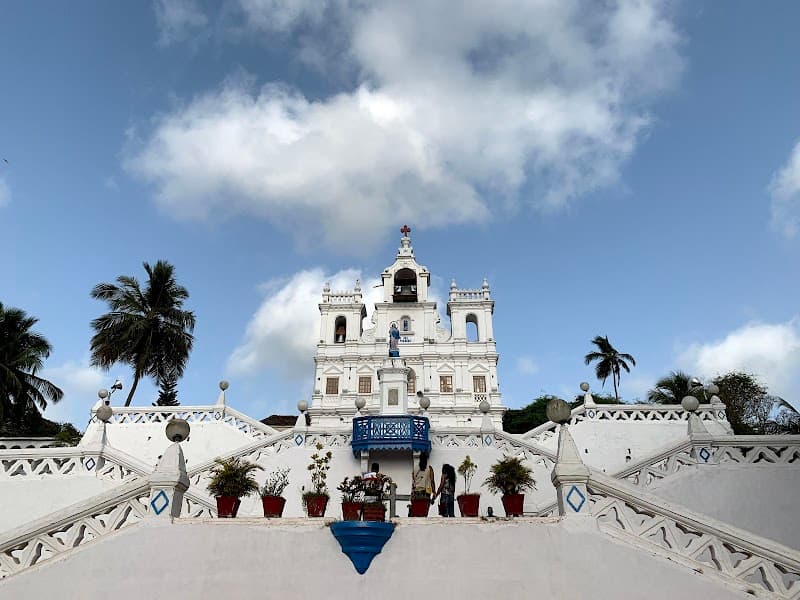
Church of Our Lady of the Immaculate Conception
Panaji · 60 min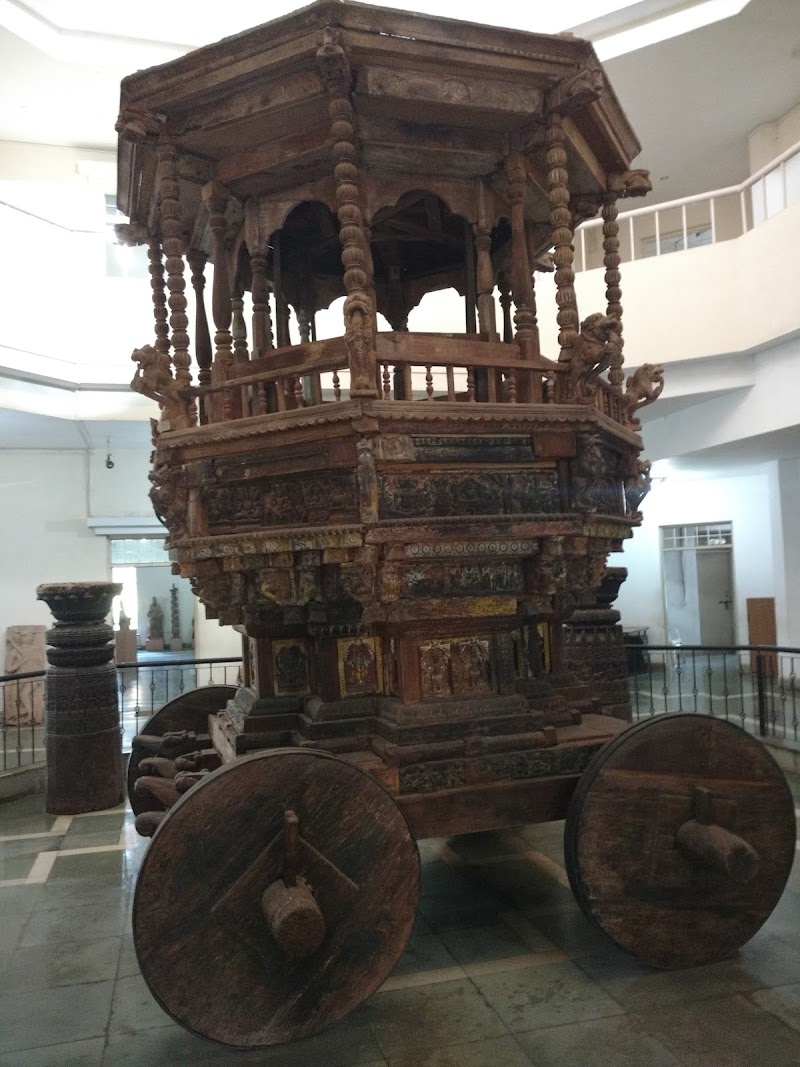
Goa State Museum
Panaji · 90 min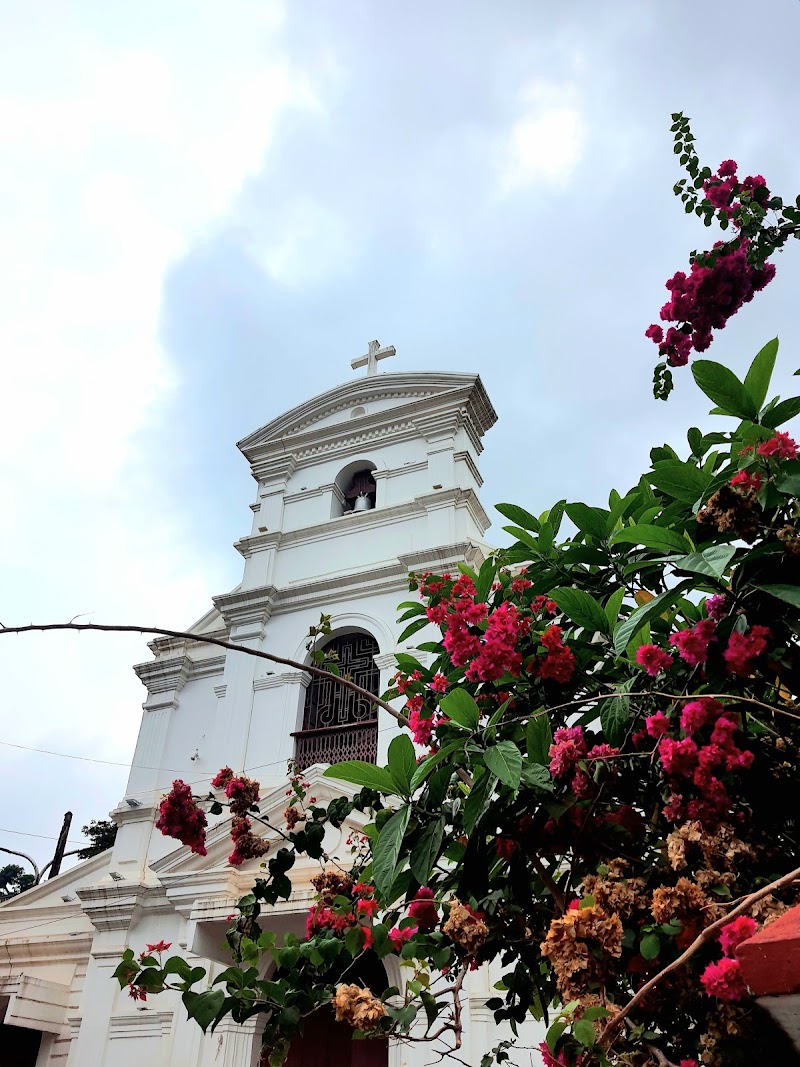
Fontainhas Walking Tour
Panaji · 90 minMoney-Saving Tips
- 1.Eat at local beach shacks instead of hotel restaurants — you'll save 50-70% and get more authentic food
- 2.Rent a scooter for ₹300-500/day rather than taking taxis everywhere — saves thousands over a week-long trip
- 3.Stay in beach huts or guesthouses (₹1,500-3,000/night) instead of resorts for the real Goan experience
- 4.Buy alcohol from local shops, not beach shacks — beer costs ₹80 in shops vs ₹200 at beaches
- 5.Visit during shoulder season (November or March) for 30-40% lower accommodation rates
- 6.Book casino packages that include food and drinks rather than paying separately for everything
- 7.Use local buses (₹15-30) for short distances instead of auto-rickshaws
- 8.Bargain at flea markets — start at 50% of the asking price and work up
Travel Tips
- •Always wear a helmet when riding scooters — police checkpoints are common and fines are ₹1,000+
- •Carry cash — many beach shacks and small restaurants don't accept cards
- •Book accommodation early for peak season (Dec-Jan) as popular places sell out months ahead
- •Pack reef-safe sunscreen — some beaches are starting to ban chemical sunscreens
- •Download offline maps — mobile coverage can be spotty between beaches
- •Respect local customs when visiting churches — cover shoulders and knees
- •Check high tide times before planning beach activities — some beaches disappear at high tide
- •Keep copies of important documents — losing your passport in Goa means a trip to Mumbai for replacement
- •Learn basic Konkani phrases — locals appreciate the effort and you'll get better service
- •Avoid swimming alone or at night — stick to beaches with lifeguards during daylight hours