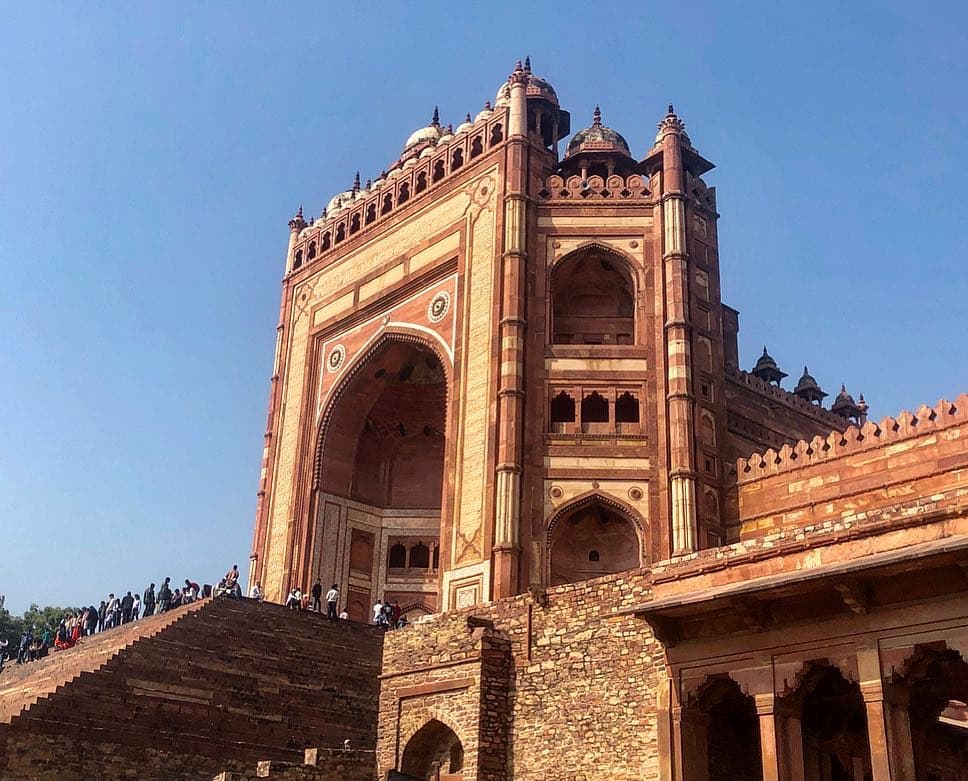
Fatehpur Sikri
Magnificent Mughal ghost city frozen in red sandstone
Emperor Akbar built his dream capital here in 1571. Fifteen years later, he abandoned it. Water ran out. The grand palaces, mosques, and courtyards remain exactly as he left them — a Mughal ghost city carved from red sandstone, sitting empty under the Uttar Pradesh sun.
Fatehpur Sikri isn't just another fort on India's tourist trail. This is where East met West in Akbar's court, where Persian architects worked alongside Indian craftsmen, where the emperor held debates between Hindu pandits, Muslim clerics, and Jesuit priests. The buildings tell that story in every archway and carved column.
Most people rush through on a day trip from Agra. But give this place time. The late afternoon light turns those red walls golden, and you'll understand why Akbar chose this ridge for his capital.
Money-Saving Tips
- 1.Entry fee is ₹610 for foreign tourists, ₹50 for Indians - carry exact change as ticket counters often lack change for large notes
- 2.Hire guides at the entrance for ₹200-400 per group rather than booking through hotels, which charge double
- 3.Bring your own water - vendors inside charge ₹30-50 per bottle compared to ₹10-15 outside the complex
- 4.Taxi from Agra costs ₹2,000-3,000 return, but local buses are just ₹25 each way if you're budget-conscious
- 5.Audio guides cost ₹118 extra but provide valuable historical context - worth the investment for first-time visitors
- 6.Photography inside monuments requires no extra fee, unlike some other Indian heritage sites
Travel Tips
- •Visit early morning (8 AM) or late afternoon (4 PM) when the red sandstone glows golden in soft light
- •Wear comfortable walking shoes with good grip - the stone surfaces can be slippery, especially after rain
- •Allow 3-4 hours for a proper visit - most tour groups rush through in 90 minutes and miss the architectural details
- •Bring hat and sunscreen year-round - there's minimal shade once you're inside the complex
- •The marble tomb of Sheikh Salim Chishti requires removing shoes - wear socks or bring shoe covers
- •Download offline maps - mobile network can be patchy inside the complex
- •Respect local customs at the tomb - many visitors come to pray for children, so maintain quiet reverence
- •Check sunset times before visiting - the complex closes at sunset and guards are strict about exit times
Frequently Asked Questions
BUILD YOUR
FATEHPUR SIKRI PLAN
Insider picks, smart timing, and a plan ready when you are.
Start Planning