Paro
Gateway to Bhutan's spiritual heart and Himalayan wonders
Look, calling Paro an "island" is technically wrong — this mountain town sits at 7,300 feet in the Himalayas. But here's the thing: it feels like an island in time. Prayer flags flutter against snow-capped peaks while monks in maroon robes walk cobblestone streets that haven't changed much in centuries. This is where most visitors first touch down in Bhutan, and honestly, you couldn't ask for a better introduction to the Last Shangri-La. The air is thin and crisp, filled with the scent of juniper incense from ancient monasteries. And yes, you'll need to pay the Sustainable Development Fee — $100 per night — but what you get in return is access to one of the world's most preserved Buddhist cultures.
Best Months
MAR · APR · MAY · SEP · OCT · NOV
~20°C · moderate crowds
Culture & Context
BUDDHISM IS INFRASTRUCTURE
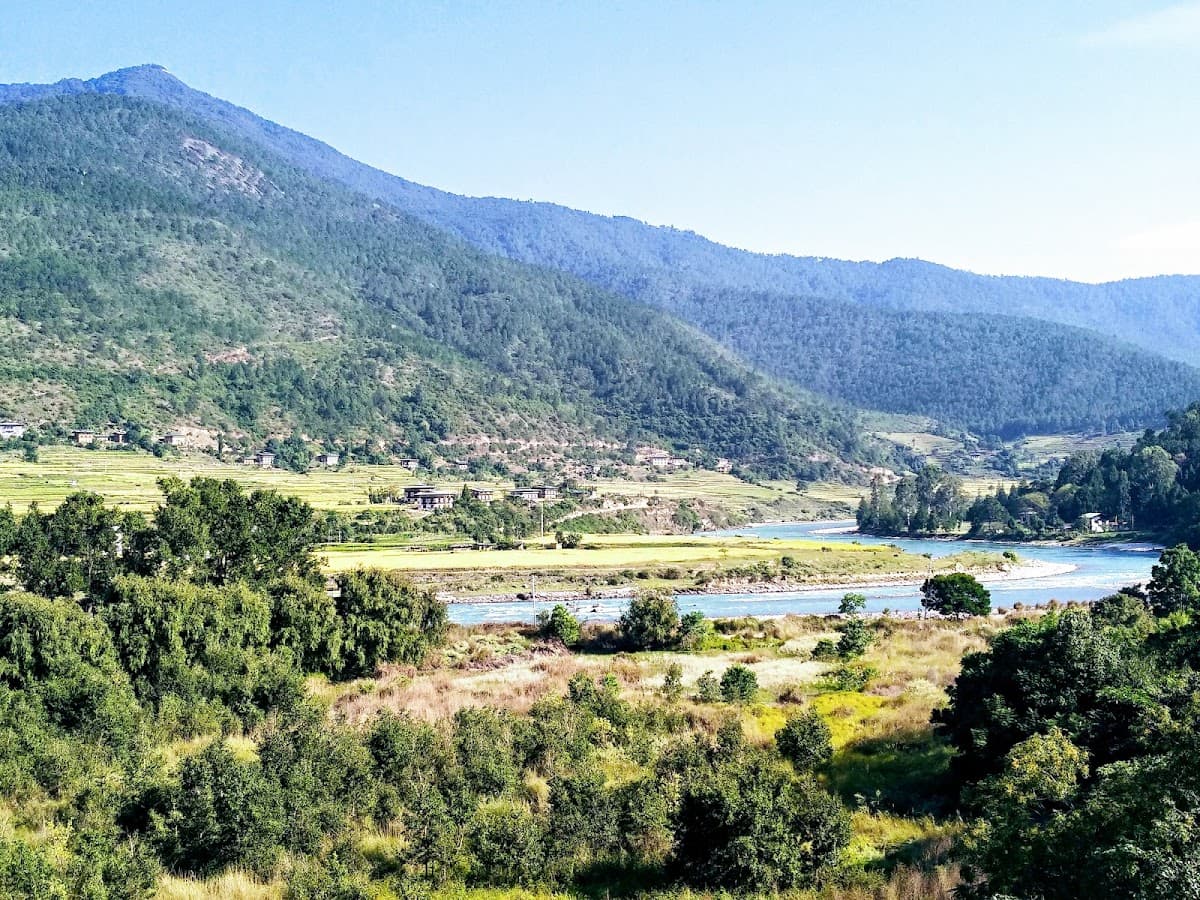
Paro sits at around 2,280 metres in a wide, flat valley that feels almost impossibly green compared to the jagged peaks surrounding it. This is where every single international flight into Bhutan lands. There is no other option.
That geographic reality gives Paro a funny dual personality: it's simultaneously Bhutan's busiest entry point and one of its quietest, most traditional towns. The main street is lined with traditionally painted wooden shopfronts, prayer flags snap overhead, and monks in burgundy robes walk past guesthouses aimed at trekkers. Paro Chhu river cuts through the valley, and most of the big landmarks — Rinpung Dzong, the National Museum, the iron-chain suspension bridge built by Tibetan lama Thangtong Gyalpo around 1420 — cluster near its banks.
Buddhism isn't background decoration here. It's operating infrastructure. The Dzong is both a monastery and the district government office.
Festivals are acts of religious devotion, not cultural performances staged for tourists. Come with that understanding and everything lands differently.
Local Customs
CLOCKWISE, SHOES OFF, BOTH HANDS
Walk clockwise around all religious monuments, chortens, and prayer walls. Counter-clockwise is considered inauspicious and will get you a puzzled or concerned look from locals.. Remove shoes before entering any temple or dzong — and remove your hat and sunglasses too.
No exceptions.. Use both hands when giving or receiving anything: money, gifts, a cup of tea, a business card. One-handed exchanges are considered impolite..
Never point at people, statues, or sacred objects with your index finger. Use an open upward palm or indicate direction with your chin.. Never touch anyone's head, including children's.
The head is considered the most sacred part of the body.. Don't give sweets or money to children who ask for it. It encourages begging and goes against Bhutan's tourism principles..
Photography inside shrine rooms and most monastery interiors is strictly prohibited. At Tiger's Nest, cameras and phones must be deposited in lockers at the entrance. The best photos are taken from outside anyway..
At festivals, arrive early to get a spot that doesn't block walkways. Remain seated during dances and crouch low if you need to move past seated people.. Never raise your voice or argue publicly.
Visible frustration or aggression is a serious loss of face for everyone involved, not just you.. Don't bring or use drones without prior written permission from the Bhutan Civil Aviation Authority. Enforcement is real.
Safety
EXTREMELY SAFE, BRING CASH
Paro is extremely safe. Crime is genuinely rare. Bhutan is consistently ranked among the safest destinations in the world for solo travelers and families alike.
That said, a few practical things to know. ATMs in Paro are notoriously unreliable — they run out of cash regularly, especially during festival season when tourist numbers spike. Bring enough cash (USD $500–800 in small bills is the commonly recommended buffer) for personal expenses beyond your prepaid package.
UPI payments, Apple Pay, and Google Pay do not work in Bhutan. Most restaurants and local shops don't take cards. Budget for altitude: Paro sits at 2,280 metres and some trekking routes go significantly higher.
Mild altitude symptoms are common. Come prepared with appropriate medication if you're sensitive to elevation. For the Tiger's Nest hike, wear actual hiking shoes — not sandals.
The trail is 3 kilometres but gains real elevation and has uneven stone sections. Mules are available for the lower portion if needed (BTN 500–1,000). One genuine downside: during Paro Tshechu, the town is overwhelmed.
Hotels charge peak rates, everything books out, and the Dzong area gets genuinely crowded. Plan and book well ahead or accept that you'll pay a premium for last-minute arrangements.
Getting Around
WORLD'S HARDEST RUNWAY
Paro International Airport is Bhutan's only international airport and has been called the world's most difficult commercial airport to land at. The single runway is 1,980 metres long and sits surrounded by 5,500-metre Himalayan peaks. As of 2023, only 24 certified pilots in the world are cleared to operate commercial aircraft there.
Two airlines serve Paro: Drukair (Royal Bhutan Airlines) and Bhutan Airlines. Flights connect from Bangkok, Kathmandu, Delhi, Kolkata, Guwahati, Singapore, and Dhaka. Book flights as early as possible — Drukair has a small fleet and seats sell out months before peak season (March–May and October–November).
Once in Paro, transport is almost always arranged through your tour operator. A private vehicle and driver comes with virtually every licensed package. Guides are mandatory for visiting dzongs, temples, and most cultural sites, though you can walk around Paro Town independently without one.
The drive from Paro to Thimphu takes about 1 hour. Punakha is roughly 2–3 hours away via the Dochula Pass. For Indian nationals, the overland entry at Phuentsholing border eliminates airfare entirely — a significant cost saving.
ATMs exist in Paro town but are frequently out of cash or out of order. Don't rely on them. Carry USD or Indian Rupees (accepted everywhere in denominations of INR 500 and below).
Credit cards work at larger hotels but come with a 5% surcharge.
Useful Phrases
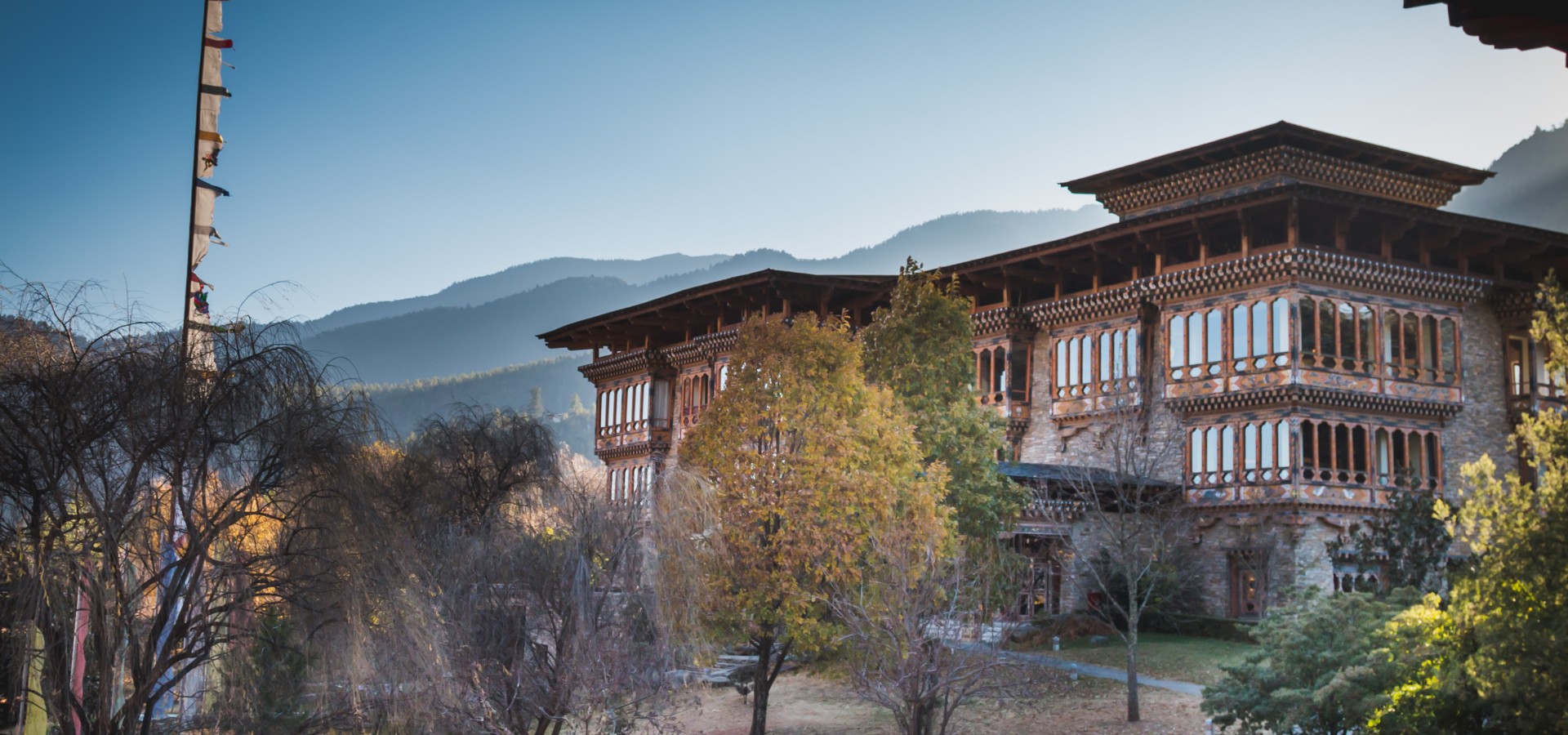
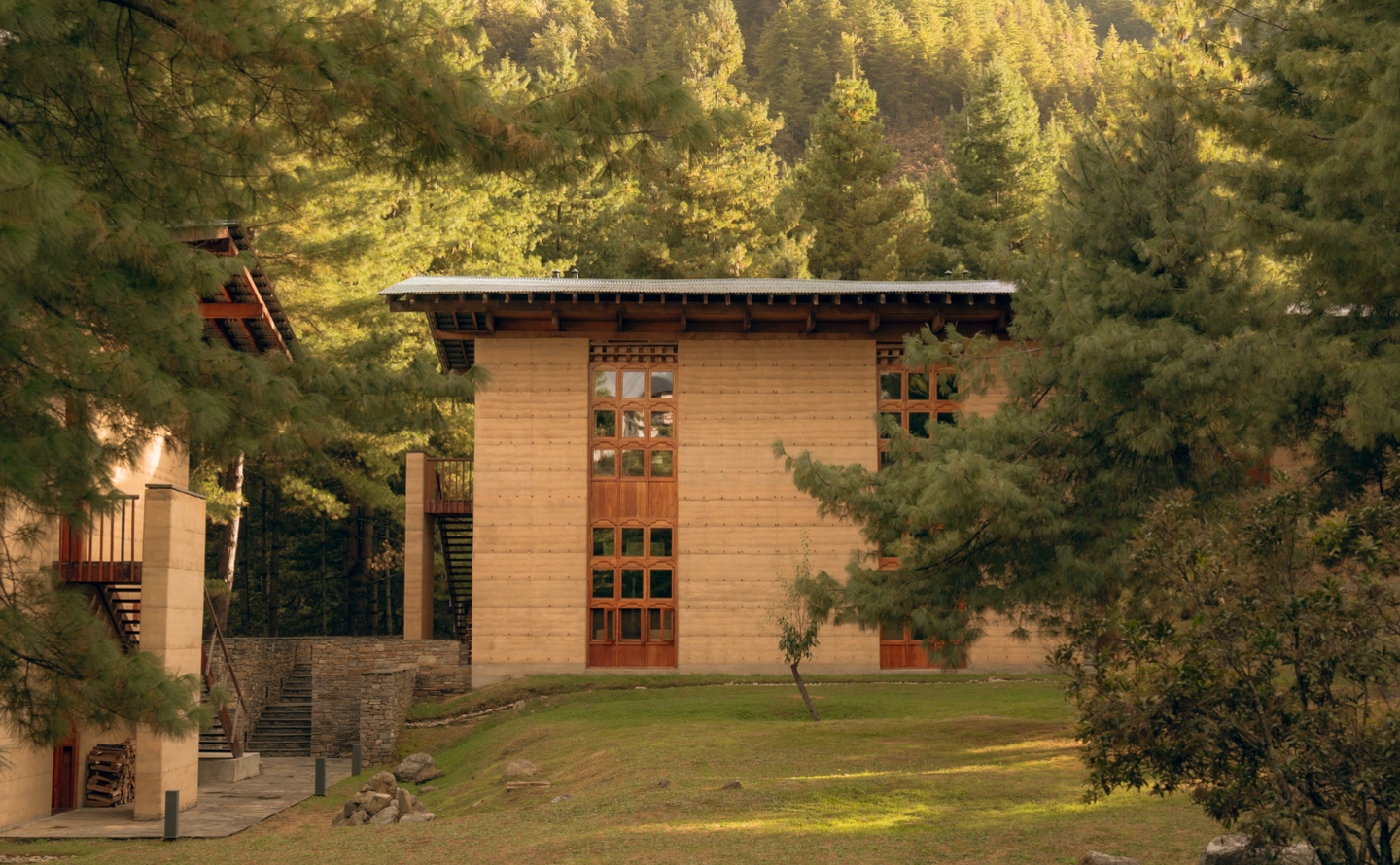
Where to Stay in Paro
2 recommended properties
Money-Saving Tips
- 1.The Sustainable Development Fee is $100 per night and covers most meals, accommodation, transport, and guides — actually good value for what you get
- 2.ATMs are scarce outside Paro town, so bring cash in US dollars or Indian rupees to exchange at banks
- 3.Tipping isn't expected but appreciated — $10-15 per day for your guide and $5-10 for drivers
- 4.Handicrafts at the weekend market cost 30-50% less than hotel shops, but quality can be hit or miss
- 5.Book accommodations directly with hotels to avoid international booking fees that can add 20% to your bill
Travel Tips
- •Altitude can hit hard at 7,300 feet — arrive a day early and avoid alcohol until you've acclimatized
- •Dress modestly when visiting monasteries — long pants and covered shoulders are required, and remove shoes before entering temples
- •The Tiger's Nest hike is tougher than it looks — bring water, snacks, and start early to avoid afternoon clouds
- •Power outlets are British-style three-pin, and electricity can be unreliable — pack a portable battery
- •Internet is slow and expensive — download maps and entertainment before arriving
- •Respect photography restrictions at religious sites — many monasteries prohibit cameras inside temples