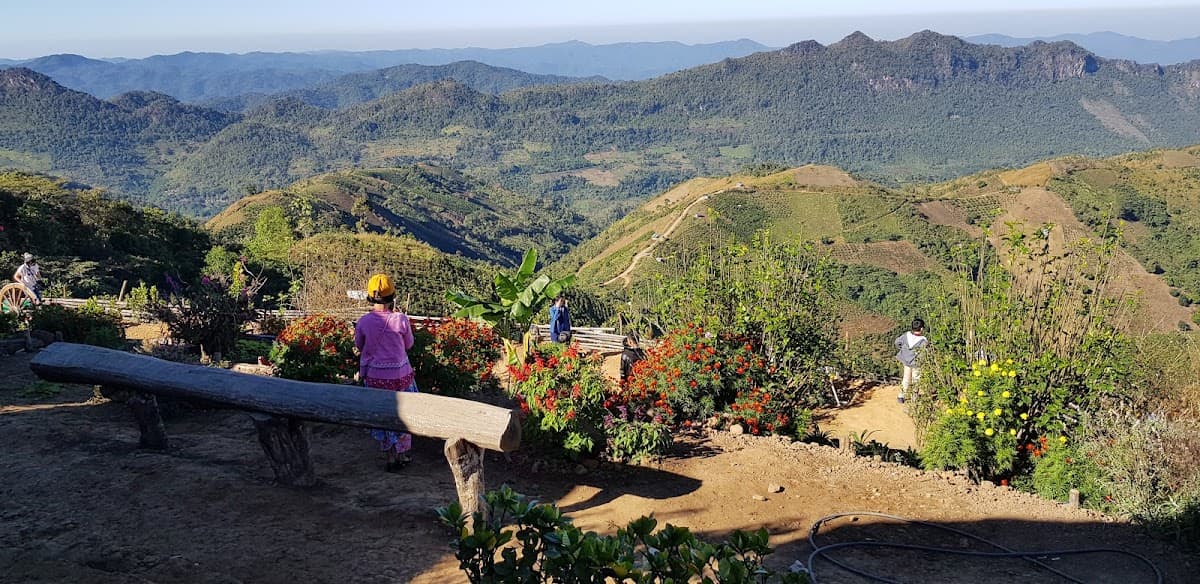
Myanmar
Golden Pagodas and Ancient Kingdoms in Southeast Asia's Crossroads
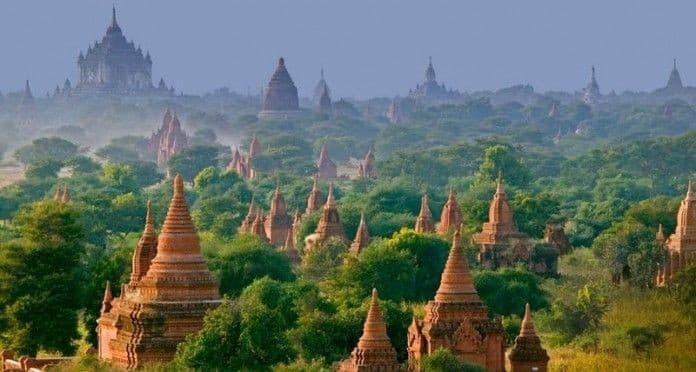
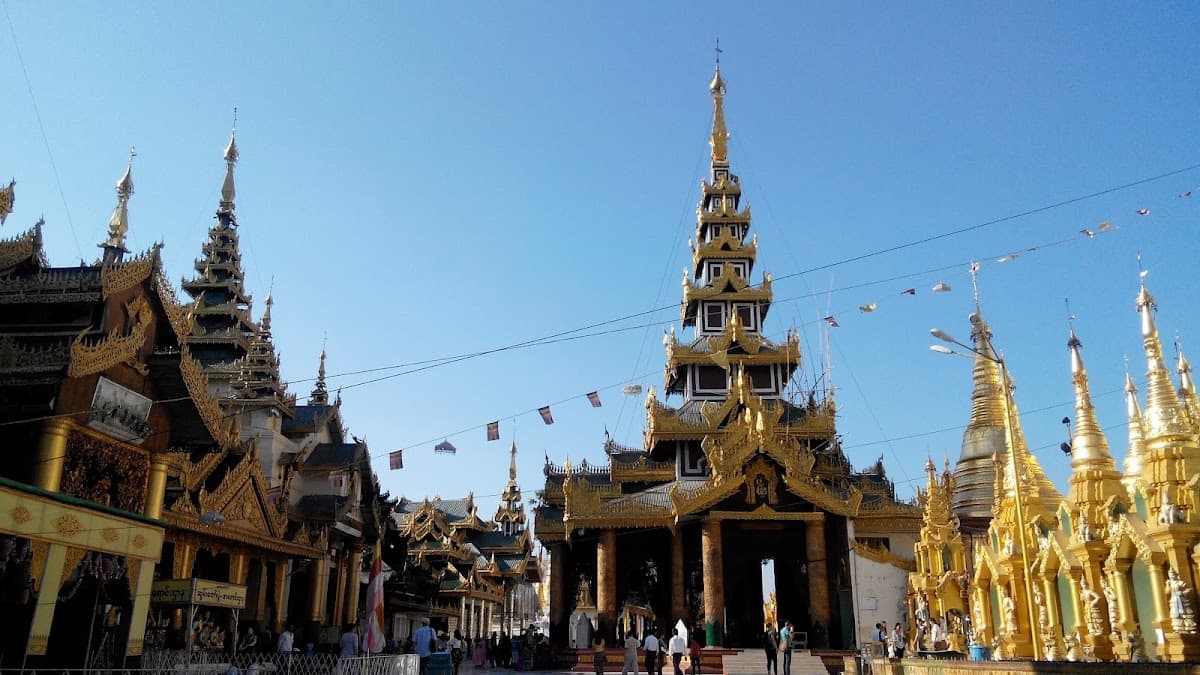
Myanmar feels like stepping through a portal to another century. Golden pagodas rise from misty plains, saffron-robed monks collect alms at dawn, and horse-drawn carts share dusty roads with modern cars. This is Southeast Asia before the crowds arrived — raw, spiritual, and completely captivating.
But here's the thing: Myanmar isn't easy. The infrastructure can be challenging, the politics complex, and the heat brutal. Yet that's exactly what makes it extraordinary. You'll find yourself sharing tea with locals who've never seen tourists, exploring 2,000-year-old temples with just the bats for company, and witnessing sunrises over Bagan that'll ruin every other sunrise for you.
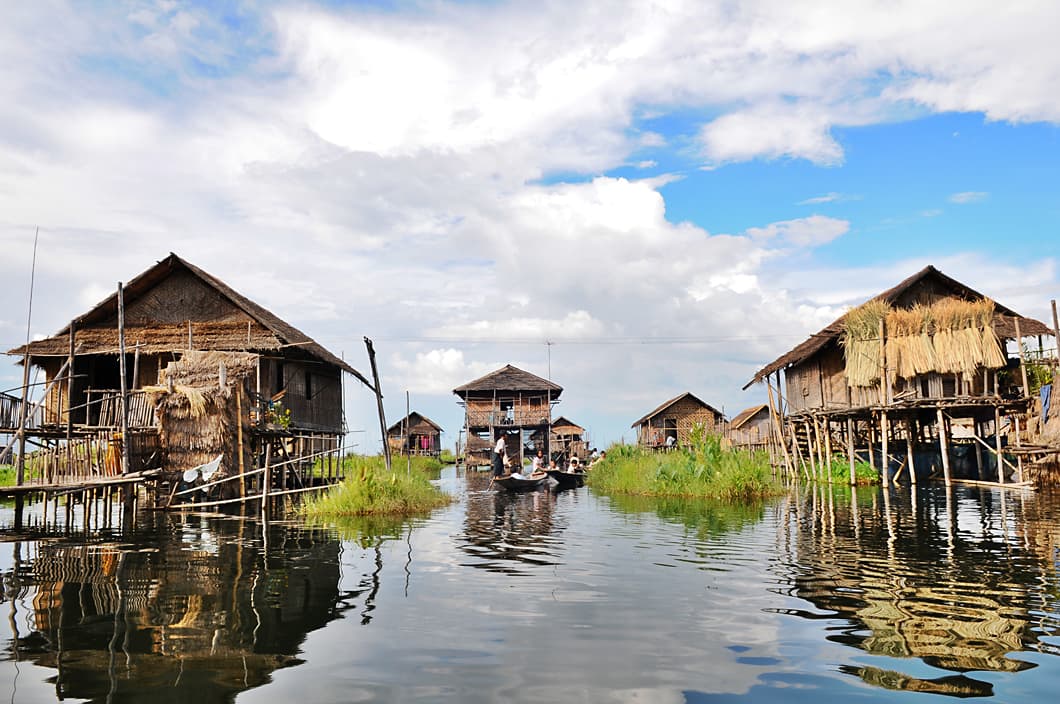
The country sits at the crossroads of India, China, and Southeast Asia, creating a culture that's uniquely its own. In Yangon's crumbling colonial buildings, you'll taste the best curry outside of India. Along Inle Lake's floating gardens, you'll watch fishermen balance on one leg while rowing with the other. And in the ancient city of Bagan, you'll climb pagoda steps worn smooth by centuries of pilgrims.
Look, Myanmar tests you. The monsoons are fierce, the dry season scorching, and the infrastructure still catching up to the 21st century. But if you're looking for authentic Asia — the kind where every day brings genuine surprises — this is it.

Money-Saving Tips
- 1.Carry US dollars in pristine condition — torn or marked bills get rejected everywhere
- 2.ATMs dispense kyats but charge $5-7 fees per transaction, so withdraw large amounts
- 3.Haggle for everything except food — initial prices can be 3x the fair rate
- 4.Government-run hotels and attractions only accept US dollars, not kyats
- 5.Keep some $1 bills for temple donations — it's expected and shows respect
- 6.Mobile payment doesn't exist outside Yangon, so budget for a cash-only country
- 7.Hotel rates drop 50% if you book locally instead of online booking sites
Travel Tips
- •Download offline maps before arriving — internet coverage is spotty outside cities
- •Dress conservatively at all temples — covered shoulders and long pants required
- •Remove shoes before entering any religious building, including hotel lobbies with shrines
- •Learn basic Myanmar phrases — English is limited outside tourist areas
- •Bring a universal adapter — Myanmar uses multiple plug types even in the same building
- •Pack a flashlight — power outages happen regularly, especially during monsoon season
- •Respect photography rules at temples — some areas prohibit cameras entirely
- •Book internal flights through local agencies, not online — you'll save money and get better service when schedules change
Frequently Asked Questions
Explore Myanmar
Ready to explore Myanmar?
Get a personalized itinerary in seconds with Takeoff.
Free on iOS. No credit card required.