DISTRICT GUIDE
Western Wall
Sacred stones where prayers echo through millennia
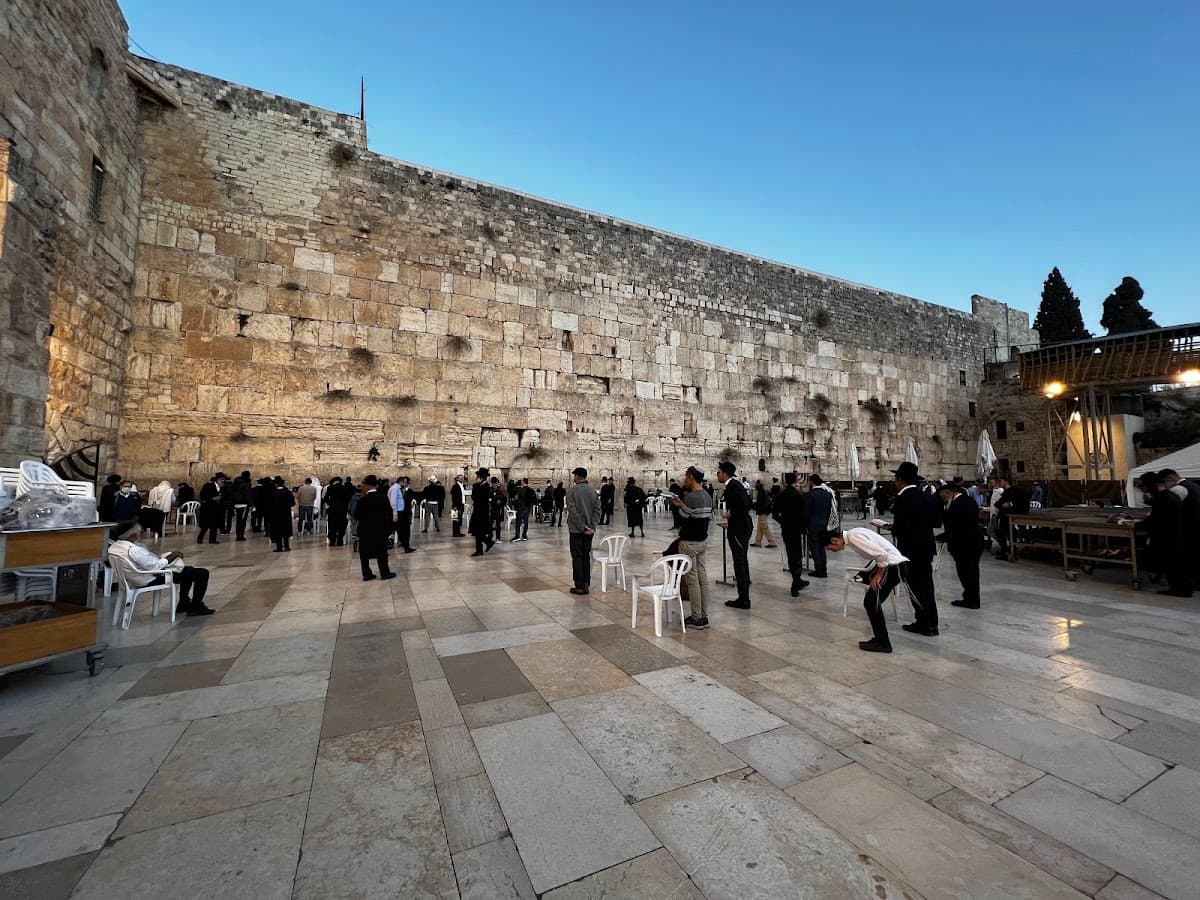
The Western Wall stands 62 feet tall in Jerusalem's Old City, its ancient limestone blocks worn smooth by millions of hands and tears. This isn't just another tourist stop – it's the holiest prayer site in Judaism, where handwritten notes tucked between stones carry hopes across centuries. The wall hums with whispered prayers in dozens of languages, while Orthodox men in black hats sway beside secular visitors snapping photos. You'll smell incense drifting from the nearby Church of the Holy Sepulchre and hear the call to prayer from Al-Aqsa Mosque just above. Here's what you need to know before you go.
The Western Wall is the last standing remnant of the Second Temple's retaining wall, destroyed by Romans in 70 CE. For nearly 2,000 years, Jews have gathered here to mourn the Temple's destruction and pray for its rebuilding. The massive stones – some weighing 500 tons – were quarried and placed by Herod the Great around 20 BCE. But here's the thing: the wall you see today was buried under centuries of rubble until 1967, when Israeli forces captured the Old City during the Six-Day War. Within hours, bulldozers cleared the narrow alley that had separated worshippers from the stones, creating today's expansive plaza. The tradition of placing written prayers in the wall's cracks dates back centuries, though no one knows exactly when it started. Twice a year, thousands of notes are collected and buried on the Mount of Olives.
Money-Saving Tips
- 1.Western Wall entry is completely free, including security checks and basic facilities
- 2.Western Wall Tunnels tours cost 35 shekels for adults, 18 shekels for students with ID
- 3.Audio guides rent for 25 shekels but aren't essential - plenty of free information boards available
- 4.Temple Mount entry is free but requires separate security screening and has restricted hours
- 5.Bring your own water bottle - drinks near the wall cost 8-12 shekels vs 3 shekels in other parts of the city
- 6.Many nearby restaurants offer tourist menus starting at 45 shekels, but local spots charge 25-30 shekels for similar meals
Travel Tips
- •Visit early morning (before 8 AM) or late evening to avoid crowds and tour groups
- •Dress modestly - cover shoulders, knees, and avoid revealing clothing regardless of gender
- •Bring a hat and sunscreen - the plaza offers zero shade and Jerusalem sun is intense
- •Download offline maps before entering the Old City - cell service can be spotty in some areas
- •Learn basic Hebrew phrases like 'Shalom' (hello/peace) and 'Toda' (thank you) - locals appreciate the effort
- •Carry tissues - public restrooms charge 2 shekels and don't always have toilet paper
- •Book Western Wall Tunnels tours online in advance - they sell out weeks ahead during peak season
- •Respect prayer times by keeping voices low and avoiding flash photography when people are praying
- •Bring a small bag only - large backpacks aren't allowed through security checkpoints
Frequently Asked Questions
Absolutely. The Western Wall welcomes visitors of all faiths and backgrounds. You just need to dress modestly and pass through security screening. Many non-Jewish visitors leave prayer notes in the wall's cracks alongside Jewish worshippers.
BUILD YOUR
WESTERN WALL PLAN
Insider picks, smart timing, and a plan ready when you are.
Start Planning