Jeju Countryside
Volcanic landscapes and traditional villages beyond the crowds
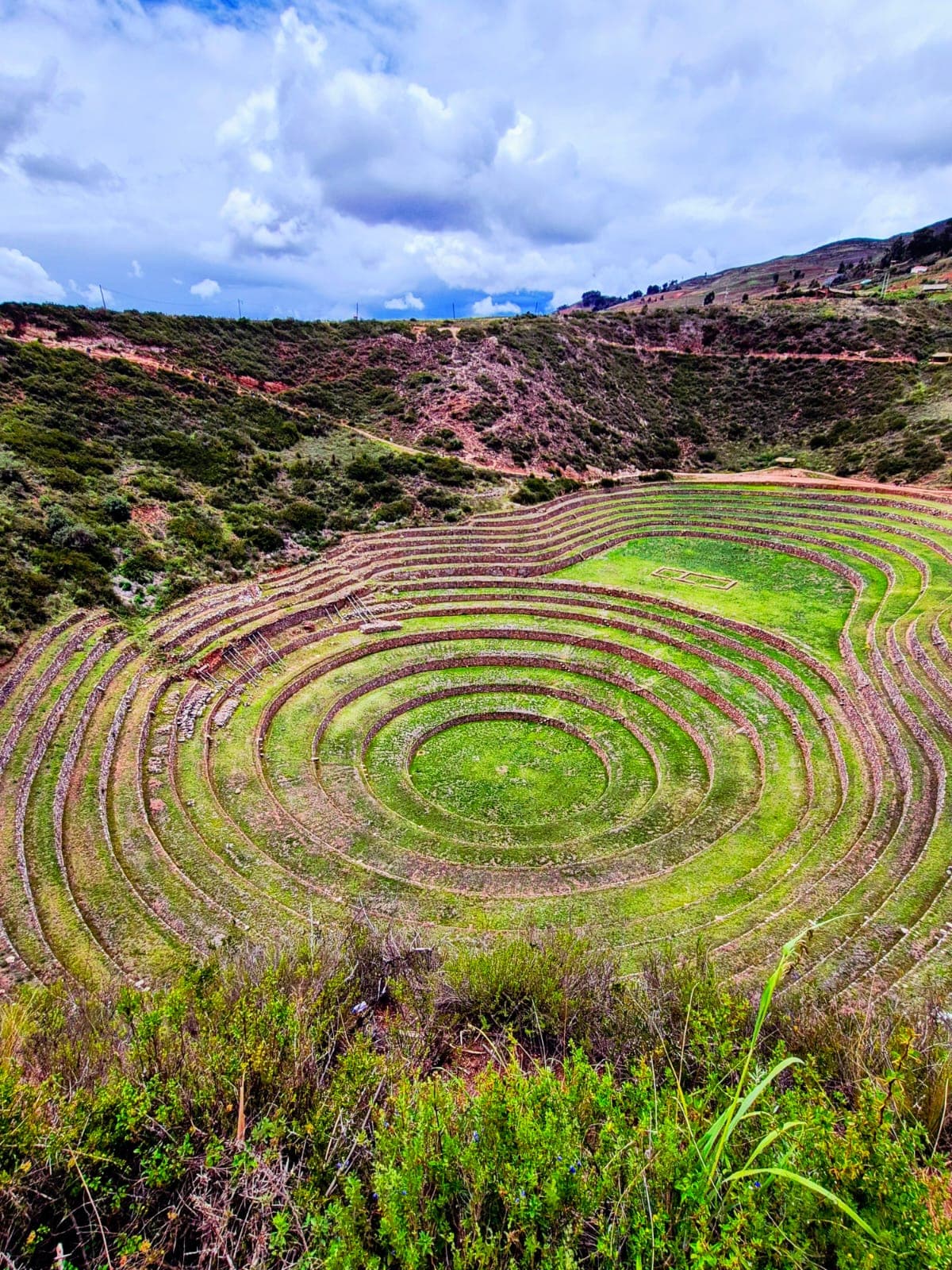
Look, everyone hits up Jeju City and the coastal resorts. But the real magic happens when you venture inland to the countryside. Here, traditional thatched-roof villages sit in the shadow of Hallasan mountain, and black volcanic stone walls divide emerald fields that have fed families for centuries. You'll find grandmother's recipes still being made in family-run restaurants, and hiking trails that locals use to walk between villages. The countryside moves at a different pace — one where you actually have time to notice the way morning mist clings to the volcanic peaks.
Itineraries coming soon
We're working on adding amazing itineraries for Jeju Countryside. In the meantime, try the app to create your own!
Money-Saving Tips
- 1.Rent a car for multiple days to get better rates — weekly rentals start around 200,000 won
- 2.Buy produce directly from farmers at roadside stands for half the supermarket price
- 3.Many traditional villages offer free entry, unlike the paid tourist attractions on the coast
- 4.Countryside restaurants charge 8,000-12,000 won for meals that cost 20,000+ in Jeju City
- 5.Fill up on gas in main towns — countryside stations charge 100-200 won more per liter
- 6.Pack lunch for long hikes — mountain restaurants are rare and expensive when you find them
Travel Tips
- •Download offline maps before heading into the countryside — cell service can be spotty
- •Learn basic Korean phrases or use translation apps — English is rare in rural areas
- •Bring layers for mountain hiking — temperatures drop 6°C for every 1000m of elevation
- •Respect traditional villages — these are people's homes, not tourist attractions
- •Start hikes early to avoid afternoon crowds on popular Hallasan trails
- •Keep cash handy — many countryside restaurants and shops don't accept cards
- •Check weather conditions before mountain hiking — Hallasan closes trails during bad weather
Frequently Asked Questions
Explore Jeju Countryside
Ready to explore Jeju Countryside?
Get a personalized itinerary in seconds with Takeoff.
Free on iOS. No credit card required.