Kyoto
Ancient temples meet refined Japanese cultural traditions
Kyoto hits different than any other Japanese city. Sure, Tokyo has the neon and the energy, but Kyoto has something deeper — 2,000 temples, geishas still walking cobblestone streets, and tea ceremonies that haven't changed in centuries. This is where Japan keeps its soul.
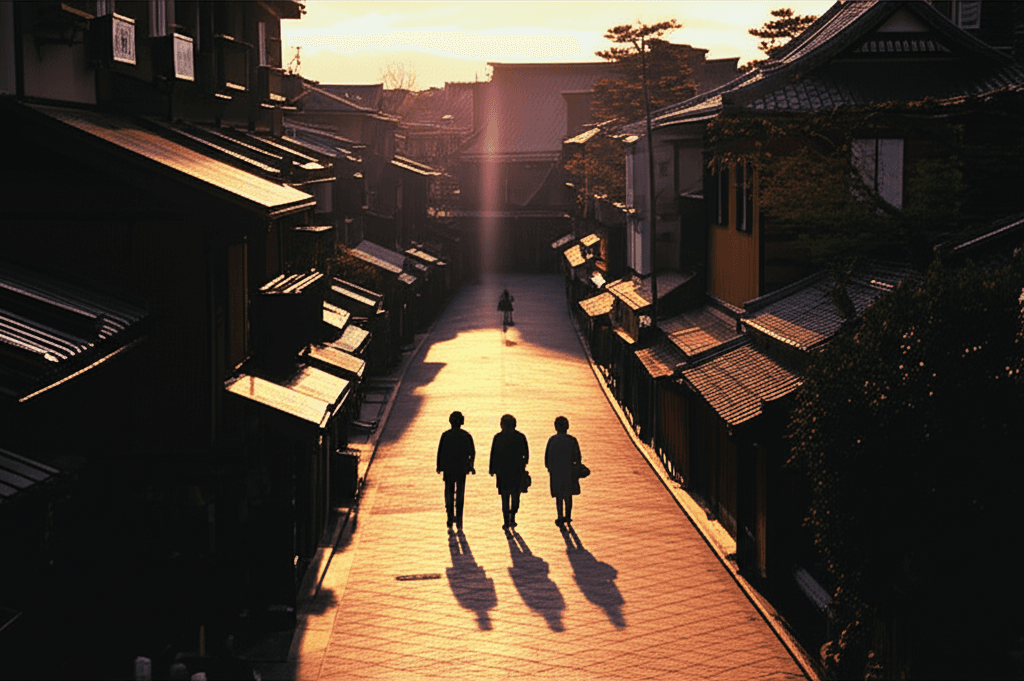
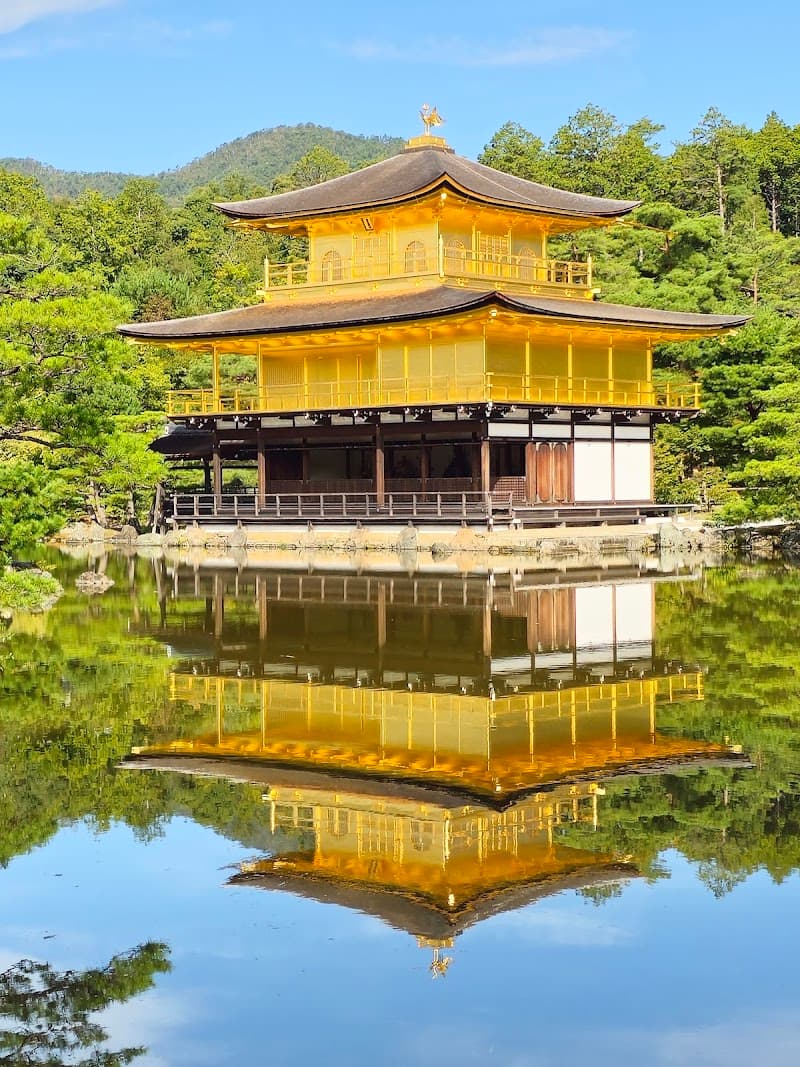
The former imperial capital doesn't try to impress you with skyscrapers. Instead, it whispers through bamboo groves in Arashiyama and glows golden at Kinkaku-ji temple. You'll find yourself slowing down here, matching the rhythm of monks at dawn prayers and the careful steps of kimono-clad visitors in Gion district.
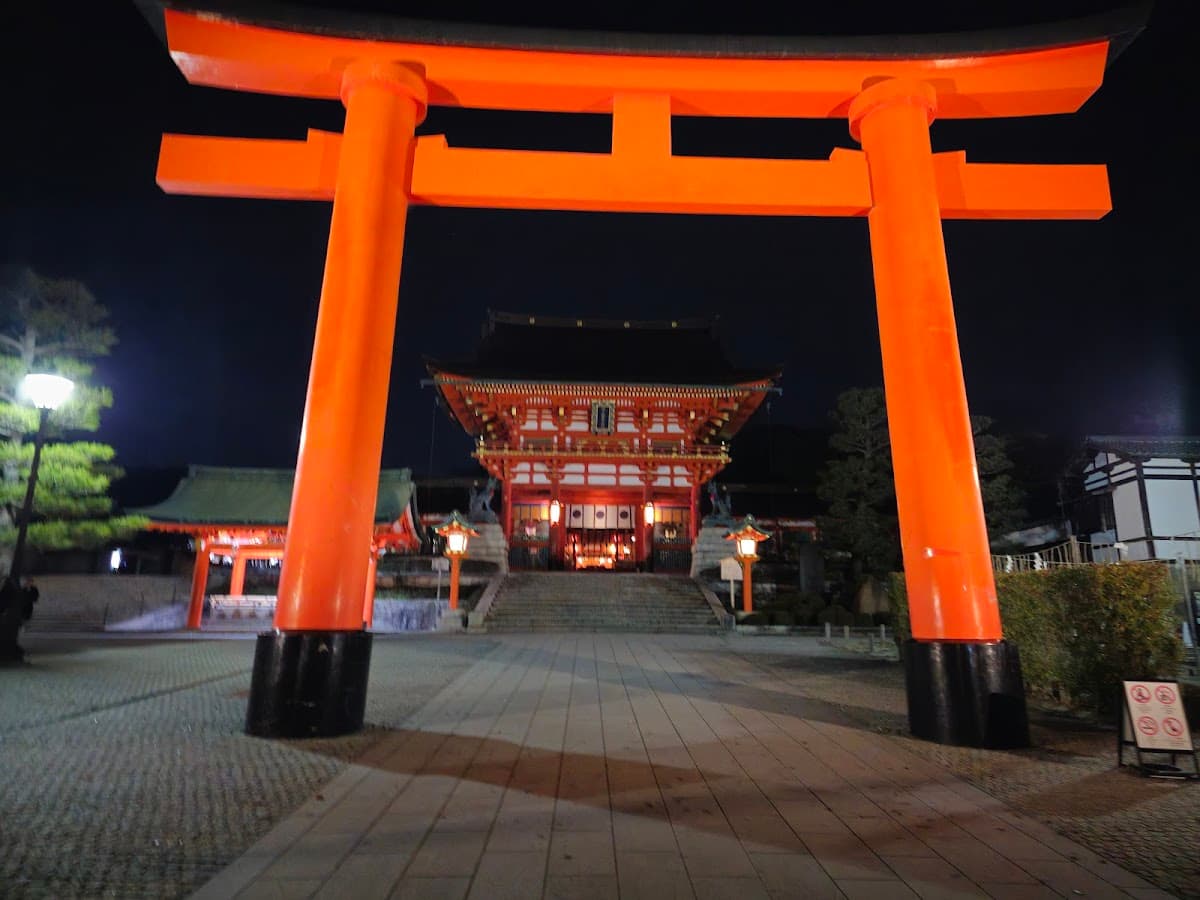
But here's the thing — Kyoto can overwhelm first-timers. With 17 UNESCO World Heritage sites packed into one city, you need a plan. The best experiences happen when you balance the must-sees with quiet moments: sipping matcha in a hidden tea house after the crowds leave Fushimi Inari, or catching the last light on Philosopher's Path when the cherry blossoms are falling like snow.
Best Months
MAR · APR · MAY · OCT · NOV
~20°C · high crowds
Culture & Context
IMPERIAL REFINEMENT, TOURIST TENSION
Kyoto was Japan's imperial capital for over a thousand years, from 794 to 1868, and the city knows it. That history isn't just background; it actively shapes how people here carry themselves. There's a particular Kyoto refinement — okashitsu, locals call it — that shows up in how shopkeepers wrap a purchase, how a ryokan host pours tea, how the geisha districts enforce quiet.
The flip side of all that cultural pride is an increasingly strained relationship between residents and tourists. Kyoto hit a record 10.88 million foreign visitors last year alone. The neighborhoods around Gion, the Bamboo Grove, and Fushimi Inari have bent under the weight. Residents avoided their own streets near Gion because the crowds made daily life difficult. The city's response in 2026 has been direct: timed entries, new fines, restricted alleys, accommodation tax hikes. These aren't hostile gestures — they're a city trying to protect something it genuinely values.
Here's the thing: if you operate with basic consideration — keep your voice down, stay on public paths, don't shove a camera at a geiko heading to work — you'll find Kyoto genuinely warm and welcoming. The friction is almost entirely with tourists who treat the city as a theme park. Don't be that person. The upside is real: locals who sense you're engaging thoughtfully will go far out of their way to help.
The Kyoto dialect (Kansai-ben, and specifically the more refined Kyoto version) is softer and more musical than Tokyo Japanese. Ookini instead of arigatou, Okoshiyasu instead of irasshaimase. These aren't just linguistic quirks — they're markers of a city that takes its own identity seriously.
Local Customs
RESPECT THE QUIET RULES
Tipping is not customary and will almost certainly be declined. Don't leave cash on the table or try to press it on staff — it creates an awkward situation for everyone.. Pay at the front counter, not at your table.
Place your money in the small tray provided rather than handing it directly to the cashier. This applies to restaurants, shops, and convenience stores.. Remove your shoes when entering ryokans, traditional homes, and some temples.
Slippers are provided. Take them off again before stepping onto tatami mats — different set of slippers for the bathroom, then back to regular slippers.. Do not photograph geiko or maiko without permission.
As of 2024–2025, Kyoto has introduced fines for doing so in restricted Gion alleys — up to ¥10,000. Several private alleys off Hanamikoji are now legally off-limits to tourists with cameras.. Don't eat while walking in crowded tourist areas.
This is a real social rule, not just a suggestion. Sit down somewhere or step aside to eat street food.. Drones are banned near historical sites, temples, residential areas, and festivals.
Flying without a permit in 2026 means immediate equipment confiscation and heavy fines.. Arashiyama Bamboo Grove now operates on timed entry. Book in advance.
Show up without a slot and you won't get in.. Cash still rules in Kyoto's smaller restaurants, old-school shops, and most temple ticket windows. Carry ¥10,000–15,000 in small bills and coins each day..
On public transit, don't talk on the phone or eat. Backpacks go on the front or in the overhead rack during crowded hours. Quiet is the norm..
At onsen (hot springs), tattoos are still banned at roughly 90% of public baths. If you have visible tattoos, look specifically for onsen that advertise tattoo-friendly policies.
Safety
VERY SAFE, WATCH BIKES
Kyoto is genuinely one of the safest cities in the world for tourists. The crime index sits at 9.12 (extremely low), and violent crime clocks in at just 0.3 incidents per 1,000 residents per year. Solo travelers, including women, consistently report feeling safe around the clock.
That said, a few things are worth knowing. Bicycle theft is surprisingly common — 8,200 stolen annually, with rental bikes near major temples specifically targeted. Lock everything. In Higashiyama, an unlocked bike has a 40% theft probability according to local police data.
Drink spiking has occurred occasionally in the Gion and Kawaramachi bar districts — three confirmed cases involving foreign tourists in 2025. Japan's safe reputation creates real complacency. Stay aware in late-night bar situations.
The biggest legal risks for tourists are behavioral, not criminal: entering restricted private alleys in Gion (¥10,000 fine), photographing geisha in prohibited areas, and flying drones near sites (immediate confiscation). These rules are actively enforced in 2026, not just posted on signs.
For emergencies: the Tourist Hotline (050-3816-2787) provides 24-hour English support. Download the Japan Tourism Agency's "Safety Tips" app — it sends real-time earthquake alerts and evacuation maps for Kyoto.
On earthquakes: Kyoto sits 231 km from the Nankai Trough fault system. The Japan Meteorological Agency rates the probability of a magnitude 8+ earthquake at 70–80% within 30 years. Modern buildings comply with 2000-era seismic codes. Traditional wooden temples do not. This isn't an immediate concern, but download that app and know where your hotel's evacuation route is.
New for 2026: An Electronic Travel Authorization (ETA) system launches July 1, 2026 for US, UK, and 64 other nationalities. Processing takes 3–14 days. Apply at least 2 weeks before departure. Denied boarding is the penalty for arriving unprepared.
Getting Around
WALK & SUBWAY FIRST
Getting around Kyoto is straightforward once you understand one core rule: don't default to buses during peak season. Tourist buses on lines 100 and 101 can get completely gridlocked during cherry blossom and fall foliage seasons — locals actively avoid them. The Bus & Subway 1-Day Combo Pass (¥1,100) is your best friend for most days, covering the city bus network and both subway lines.
Walk whenever possible. Higashiyama, the Philosopher's Path, and the central Karasuma–Gion corridor are all under 30 minutes apart on foot, and you'll find things you'd miss entirely on a bus. Rent an e-bike (about ¥2,500/day) for reaching the more spread-out northern temples and Fushimi Inari's quieter upper trails.
Getting to Kyoto: The Shinkansen from Tokyo to Kyoto (Nozomi line) takes about 2 hours 15 minutes and runs roughly every 10 minutes. A non-reserved seat is around ¥14,000 one way. The JR Pass (¥50,000 for 7 days as of 2026) only makes financial sense if you're doing a full Tokyo–Kyoto–Hiroshima–Osaka loop with extra rides. For Kyoto-only trips, individual point-to-point tickets are cheaper.
From Kansai International Airport, take the Haruka Express directly to Kyoto Station — about 75 minutes, roughly ¥3,600. Skip the taxi unless someone else is paying.
Within the city: The Karasuma and Tozai subway lines are fast and reliable for north-south and east-west movement. The Keihan and Hankyu private train lines handle the Fushimi and Arashiyama directions respectively and are often faster than buses. Taxis exist but are expensive — save them for late nights when buses stop running.
Useful Phrases
Explore Destinations



Explore the Region
Kyoto Itineraries
View all
Kyoto Culture Quest: Temples, Art & Flavors
Weekend · $$$
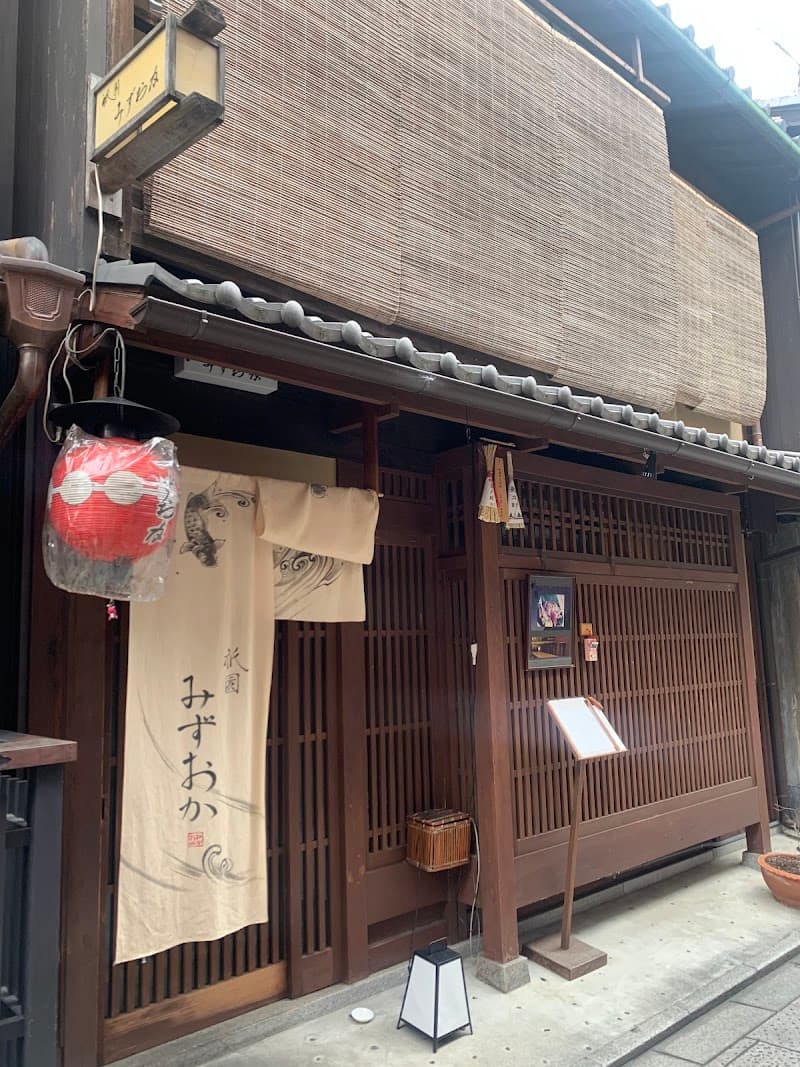
Kyoto Family Heritage: A Perfect Blend of Culture and Cuisine
Weekend · $$$$
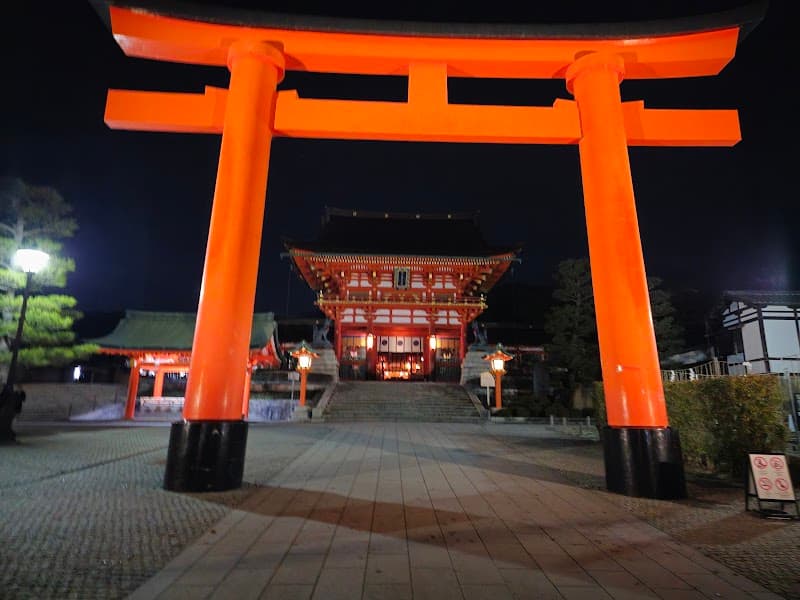
Luxurious Family Weekend in Kyoto: Temples, Traditions & Treasures
Weekend · $$$$$
Luxurious Kyoto Weekend: Temples, Kaiseki & Serenity
Weekend · $$$$
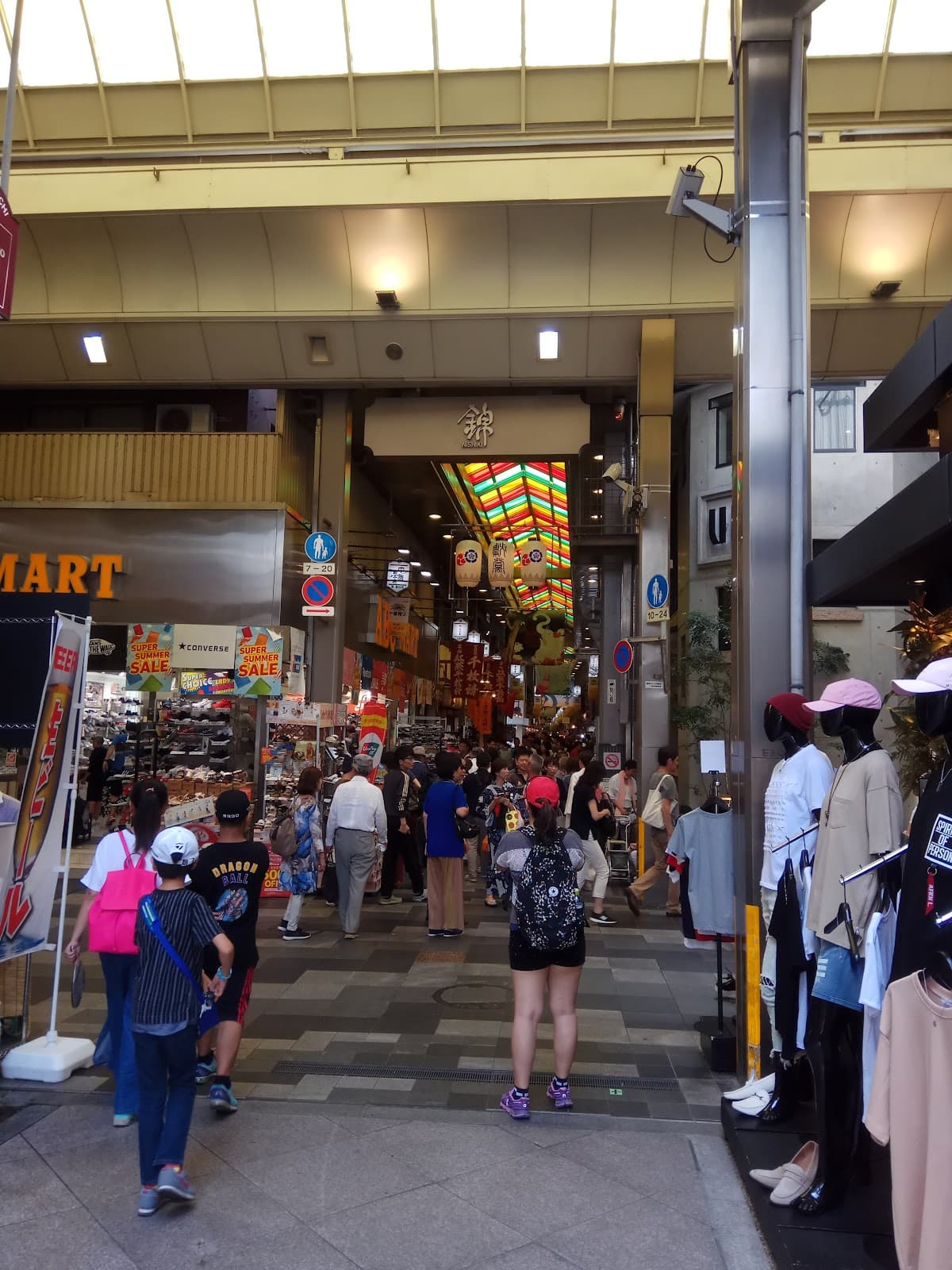
Kyoto on a Shoestring: Free Shrines, Paths & Street Bites
Day Trip · $
Romantic Kyoto Whisper: Temples, Lanterns & Timeless Love
Weekend · $$$
Where to Stay in Kyoto
9 recommended properties
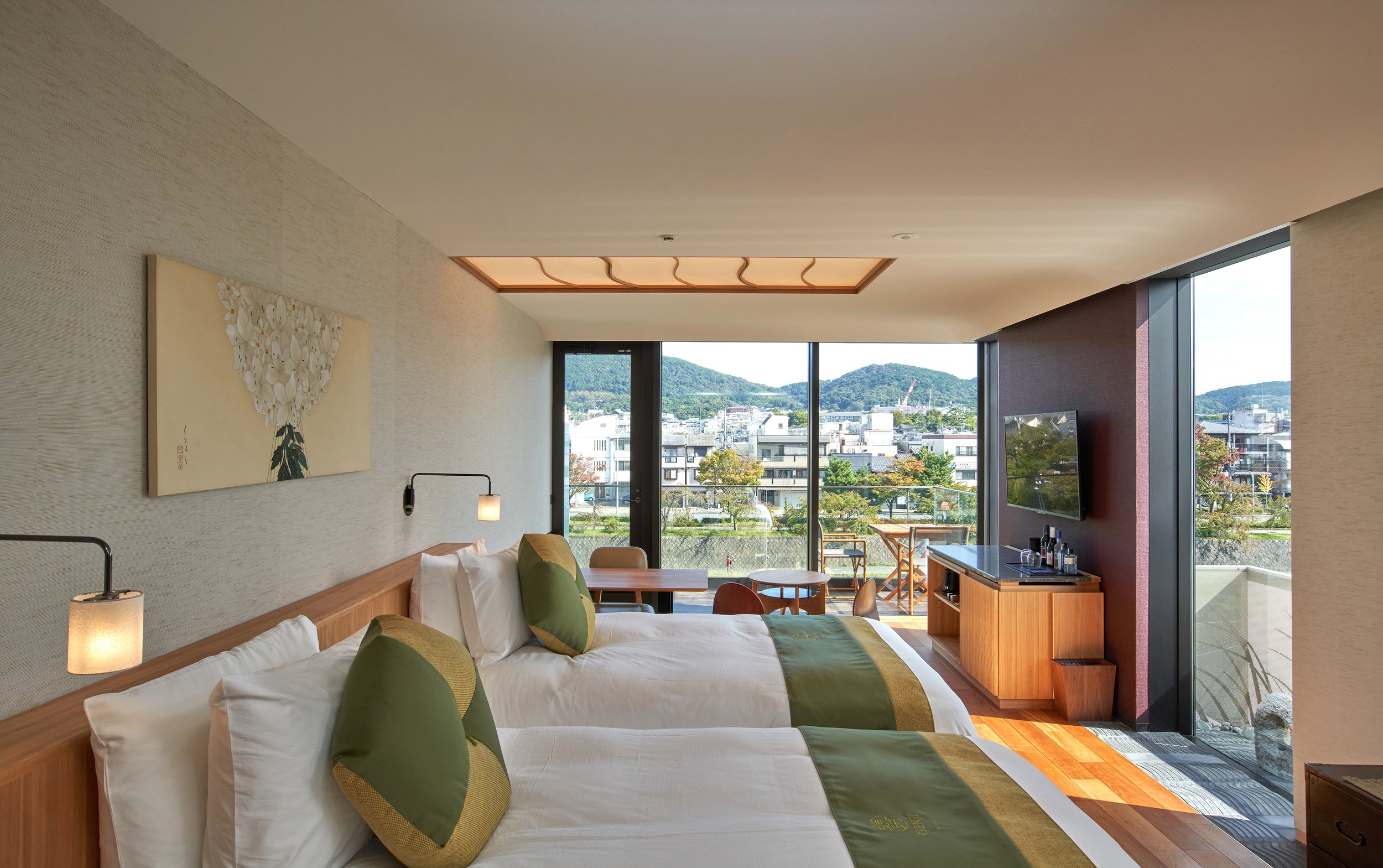
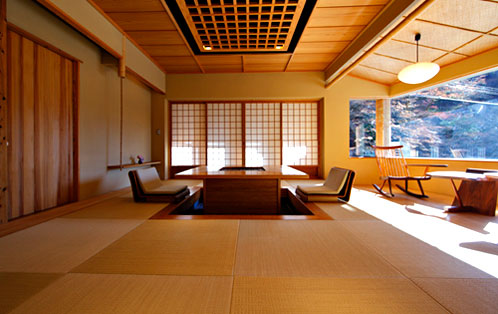
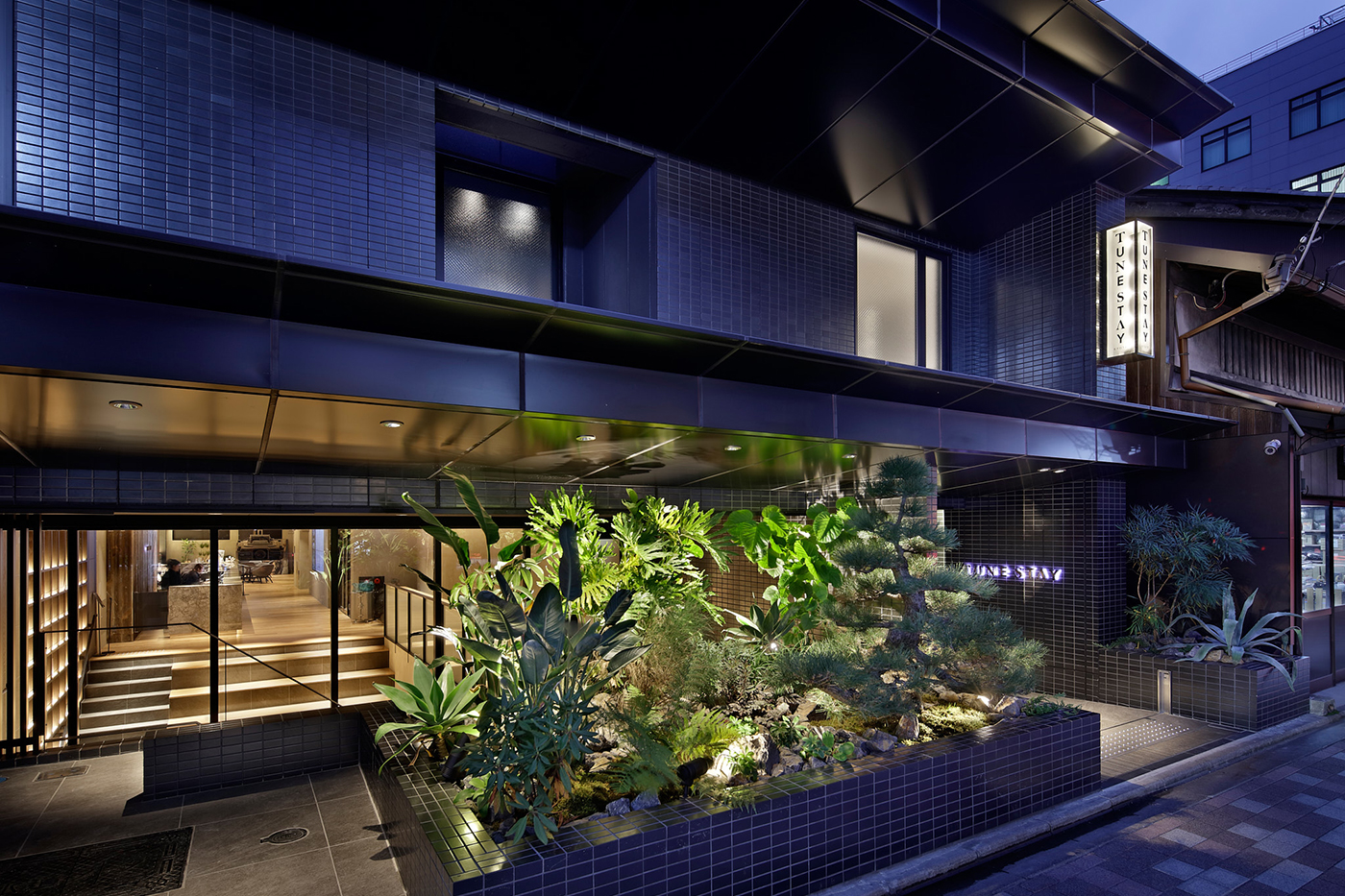
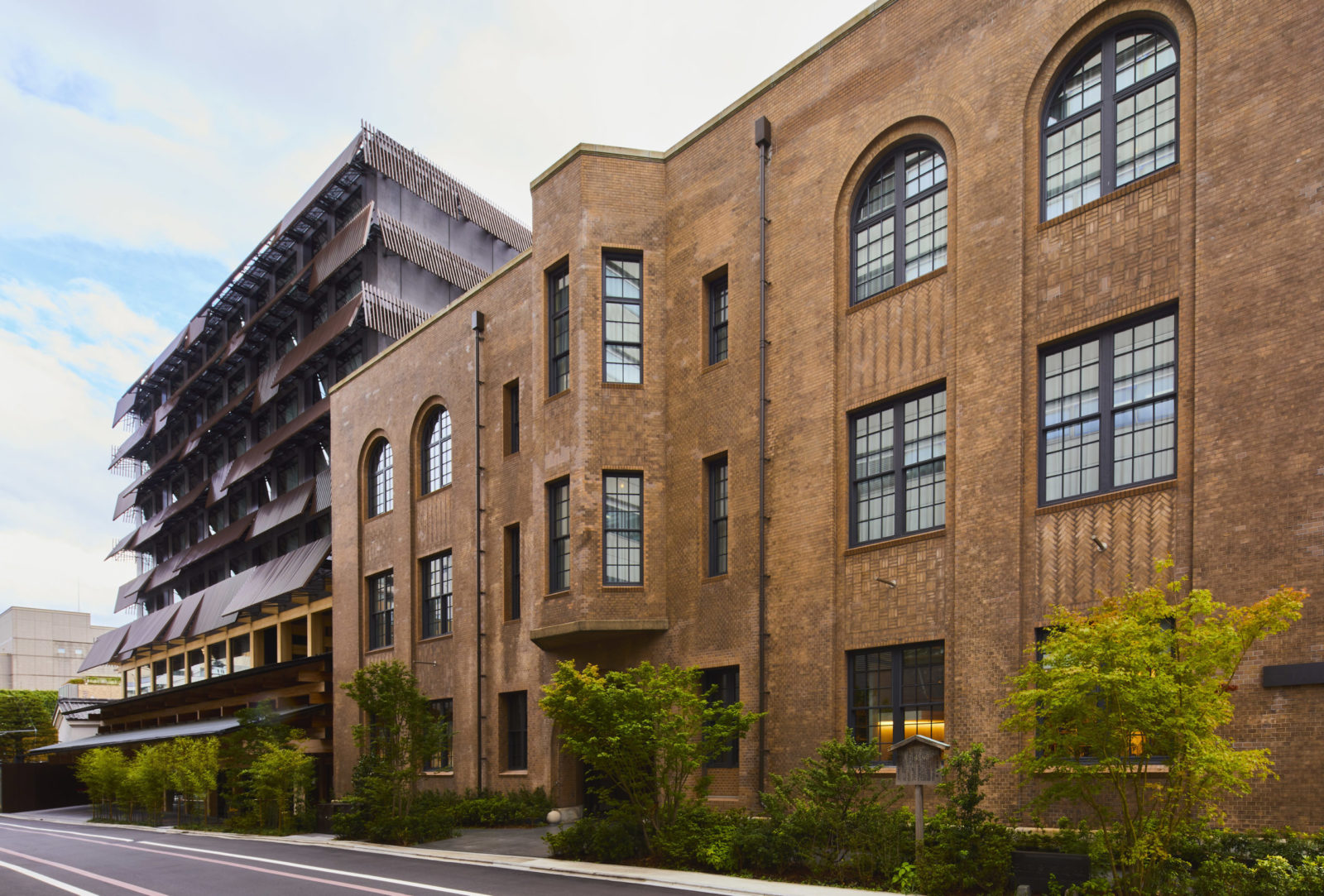
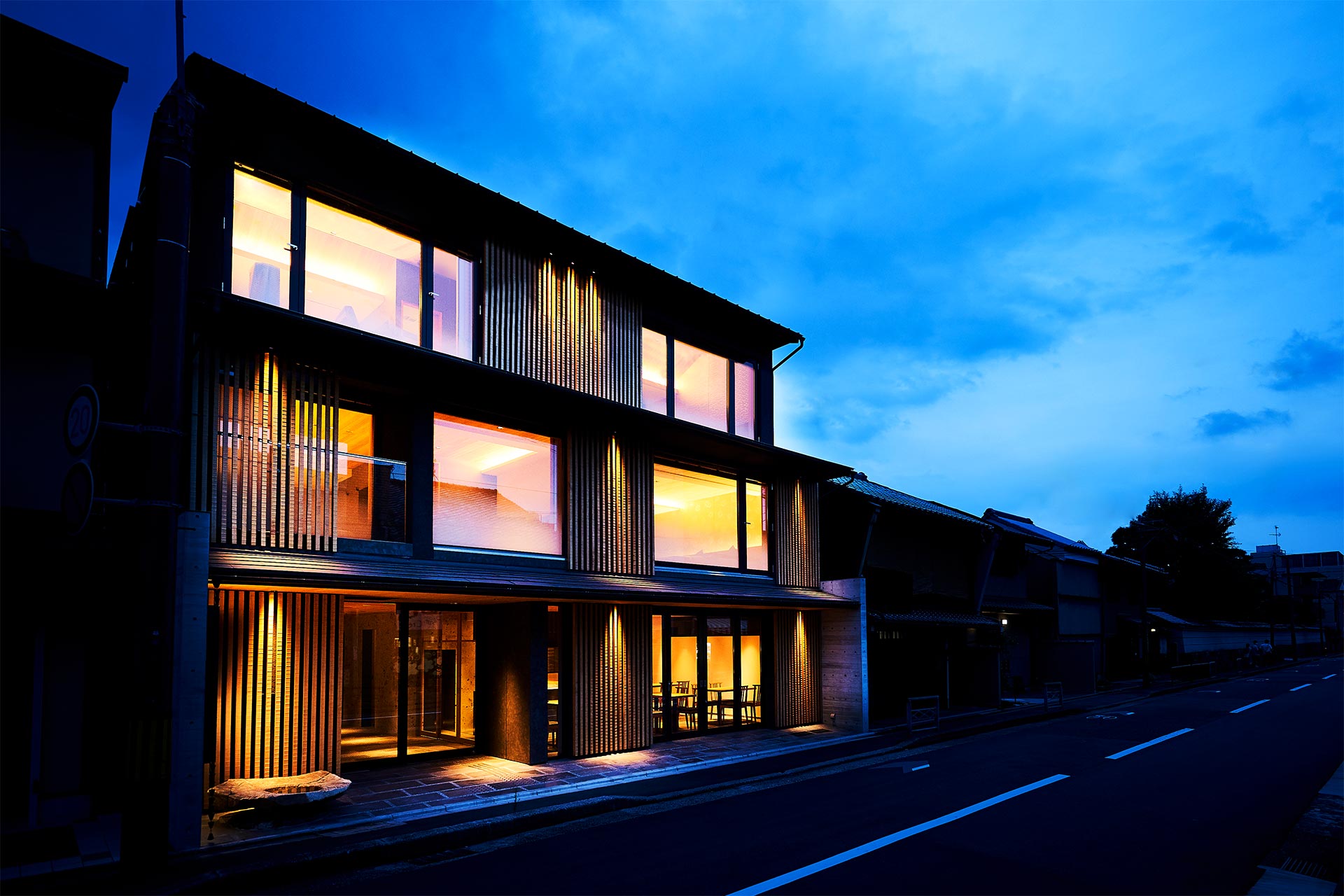

Things to Do in Kyoto
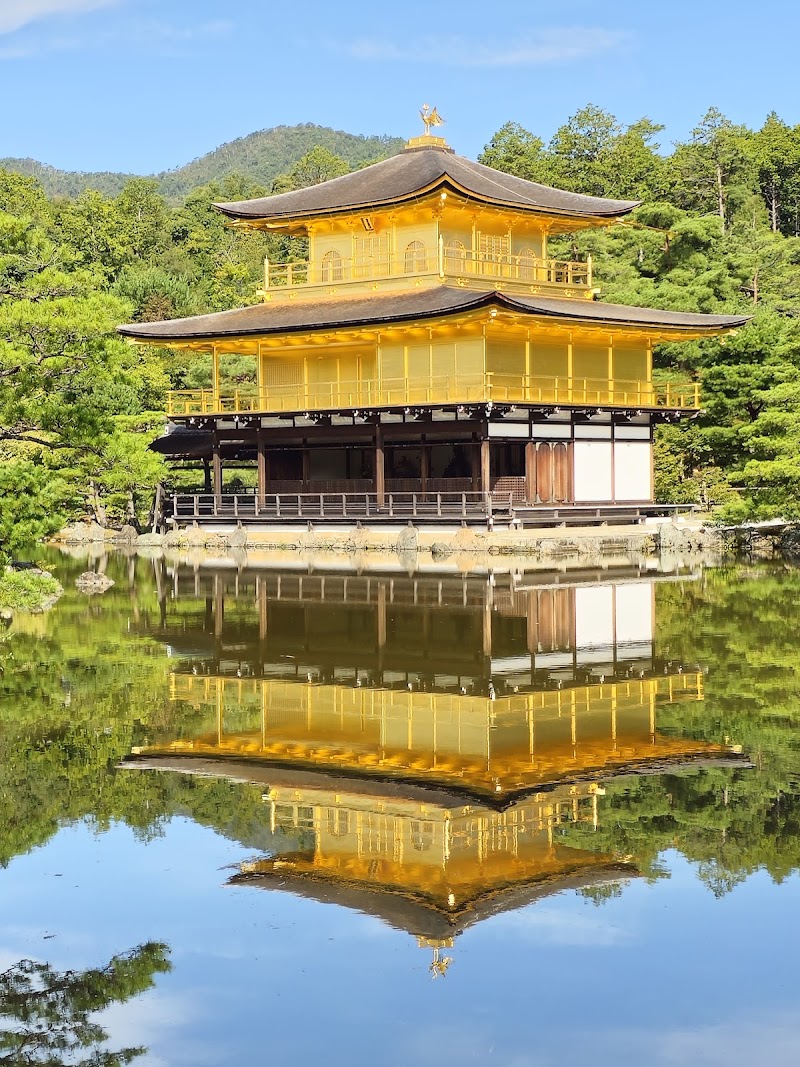
Kinkaku-ji (Golden Pavilion)
60 min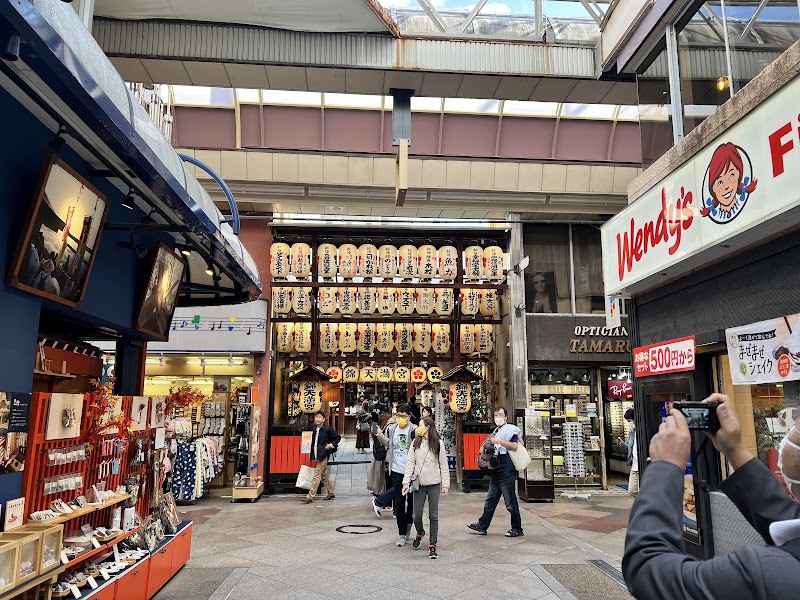
Nishiki Market
90 min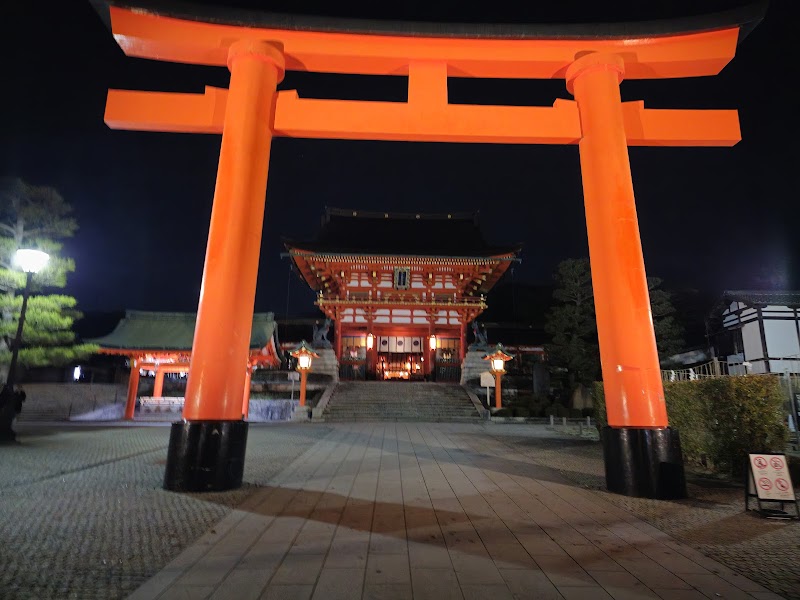
Fushimi Inari Taisha
120 minMoney-Saving Tips
- 1.Buy a Kyoto City Bus day pass for ¥600 instead of paying per ride — you'll break even after 3 trips
- 2.Visit temples early morning (6-8 AM) for smaller crowds and better photos, plus some are free before official opening
- 3.Eat lunch at department store restaurant floors (8th-12th floors) for high-quality meals at ¥1,500-2,500 vs ¥8,000+ at street level
- 4.Book ryokan stays Sunday-Thursday for 30-40% savings compared to weekend rates
- 5.Shop for souvenirs at Kyoto Station's massive shopping complex instead of tourist areas — same items, lower prices
- 6.Use coin lockers (¥300-600) at major stations to avoid carrying bags while temple hopping
- 7.Download Google Translate app with camera function — essential for reading menus and signs without paying for guided tours
Travel Tips
- •Remove shoes at temples and ryokans — wear slip-on shoes and decent socks to save time and embarrassment
- •Carry cash everywhere — many restaurants and shops don't accept cards, even in 2026
- •Bow slightly when greeting people or saying thank you — it shows respect and locals appreciate the effort
- •Don't point directly at people or Buddha statues with your finger — use an open hand instead
- •Take photos of temple/restaurant names in Japanese on your phone — taxi drivers and locals can help navigate using these
- •Pack layers for temple visits — many have no heating and stone floors get cold even in mild weather
- •Learn basic Japanese phrases: 'arigato gozaimasu' (thank you), 'sumimasen' (excuse me), 'eigo wakarimasu ka?' (do you speak English?)
- •Respect photography rules — some temples ban photos inside, others charge fees for camera use
- •Walk on the left side of paths and stairs — Japanese traffic patterns apply to pedestrians too