
Kamakura
Ancient temples meet coastal charm in historic Japan
Just an hour south of Tokyo's chaos, Kamakura feels like stepping into another century. This former capital of Japan packs more temples per square kilometer than anywhere else in the country, but it's not stuffy or museum-like. Surfers catch waves at Shichirigahama Beach while monks chant morning prayers at Engaku-ji. You'll find yourself temple-hopping in the morning and slurping ramen by the sea in the afternoon. The Great Buddha has been sitting here since 1252, weathering earthquakes and tsunamis with the same zen calm you'll feel after a day wandering these ancient streets.
Best Months
MAR · APR · MAY · SEP · OCT · NOV
~20°C · moderate crowds
Culture & Context
SAMURAI CAPITAL, OPEN SKY
Kamakura was Japan's political capital from 1185 to 1333. Minamoto no Yoritomo set up his shogunate here, and this is where the samurai class really came into its own. Zen Buddhism also took root in this period, favored by warrior monks who valued mental discipline.
You can feel all of that history just walking around. The concentration of Zen temples is unlike anywhere else outside Kyoto, and many of them still function as active religious sites, not museum pieces. The Great Buddha has stood since the 13th century, originally sheltered in a wooden hall that eventually collapsed in storms.
Now he sits open to the sky. That feels right, somehow.
Local Customs
WALK QUIETLY, CARRY CASH
Don't eat while walking on Komachi-dori. A 2019 ordinance discourages it to prevent litter and accidents. Most stalls provide small standing areas or benches — use them..
Carry cash. Many smaller temples, local restaurants, and Komachi-dori shops are cash-only. Keep ¥3,000–5,000 on you at all times..
At temples and shrines, keep noise down. These are active religious sites. Speaking quietly and being calm is expected, not optional..
Don't block the Enoden railway crossings for photographs. This has become a serious safety issue and city staff will move you along.. When washing your money at Zeniarai Benten Shrine, there's a short tunnel leading in — look for the torii gates.
It's not hard to miss the entrance, but many tourists walk right past it.. Bow slightly when being helped, thanked, or greeting someone at a shop or temple. A small forward nod goes a long way and locals genuinely appreciate the effort..
Say 'itadakimasu' before eating and 'gochisousama deshita' after. These are not tourist performance phrases — they're everyday table manners that locals notice.. Raw shirasu (whitebait) is seasonal.
It's unavailable January through March due to fishing bans. If you visit in winter, you'll only get the boiled version, which is still good but different.. The Kamakura Sightseeing Congestion Map (available online from the city) shows real-time crowd levels at major spots.
Actually use it.
Safety
CROWDS & KITES HAZARD
Kamakura is genuinely safe in the crime sense. But overtourism has created real hazards that aren't in older guidebooks. In 2024 the city recorded roughly 15.9 million visitors, and 2026 numbers are tracking higher after the Netflix series 'Can This Love Be Translated?' brought a new wave of visitors to quiet residential spots. Stay alert around the Enoden crossings — people rush the tracks for photos and it's not safe. The city now stations staff there full-time.
Black kites (large hawks) actively patrol Yuigahama Beach and will steal food directly from your hands. This is not a joke. Keep food covered or eat somewhere sheltered. Public trash cans are rare, so carry a bag for your rubbish. The city distributes 'Omotenashi Bags' near busy food stalls for exactly this purpose.
Don't photograph locals in residential areas without asking. Residents near filming locations for Korean dramas and near the Slam Dunk crossing have reported being photographed inside their own homes and gardens through windows. This is a real community grievance in 2026, not tourist paranoia. Respect it. The city has posted multilingual signs in most affected areas.
For crowd management, use the city's Kamakura Sightseeing Congestion Map online before heading out. It shows real-time pressure at major spots. Visiting major sites before 9am or after 4pm makes a significant difference. Weekdays in late January–February or late November offer the best balance of decent weather and manageable crowds.
Getting Around
VINTAGE TRAM, TRAIN ACCESS
Getting to Kamakura from Tokyo is simple. Take the JR Yokosuka Line from Tokyo Station — it's about 55 minutes and costs ¥950. From Shinjuku, the JR Shonan-Shinjuku Line takes roughly an hour for ¥840–950. Both drop you at Kamakura Station. Most of the central temples and shrines are walkable from there. The 10-minute walk up Wakamiya-oji to Tsurugaoka Hachimangu Shrine is the main pedestrian spine of the city.
For the coastal sights (Hase, Great Buddha, Shichirigahama), ride the Enoden. It's a tiny, charmingly ancient tram line founded in 1900 that runs along the coast. Buy a one-day pass for around ¥800 if you're hitting multiple stops. Trains fill up fast during peak season — expect to wait for a few to pass before you get on.
The Shonan Monorail connects from Ofuna if you're coming from different directions. Rickshaws are also available outside Kamakura Station's east exit for a very different (and pricier) way to see the area. The city has recently launched electric tuk-tuk (emobi) rentals too, though you need a valid driver's license. Avoid driving your own car. Parking near the main sights is extremely limited and the narrow streets were not designed for modern traffic volumes.
Useful Phrases
Kamakura Itineraries
View all
Seven Serene Days in Lush, Coastal Kamakura
Week · $$$

Sea, Shrines & Forest Trails: A Kamakura Solo Escape
Weekend · $$$
7 Romantic Jungle-Wild Days in Coastal Kamakura
Week · $$$

Romantic Kamakura & Enoshima Jungle-by-the-Sea Escape
Weekend · $$$
Seven Serene Days in Jungle-Wild Kamakura
Week · $$$
Kamakura Jungle Coast Family Escape
Weekend · $$$
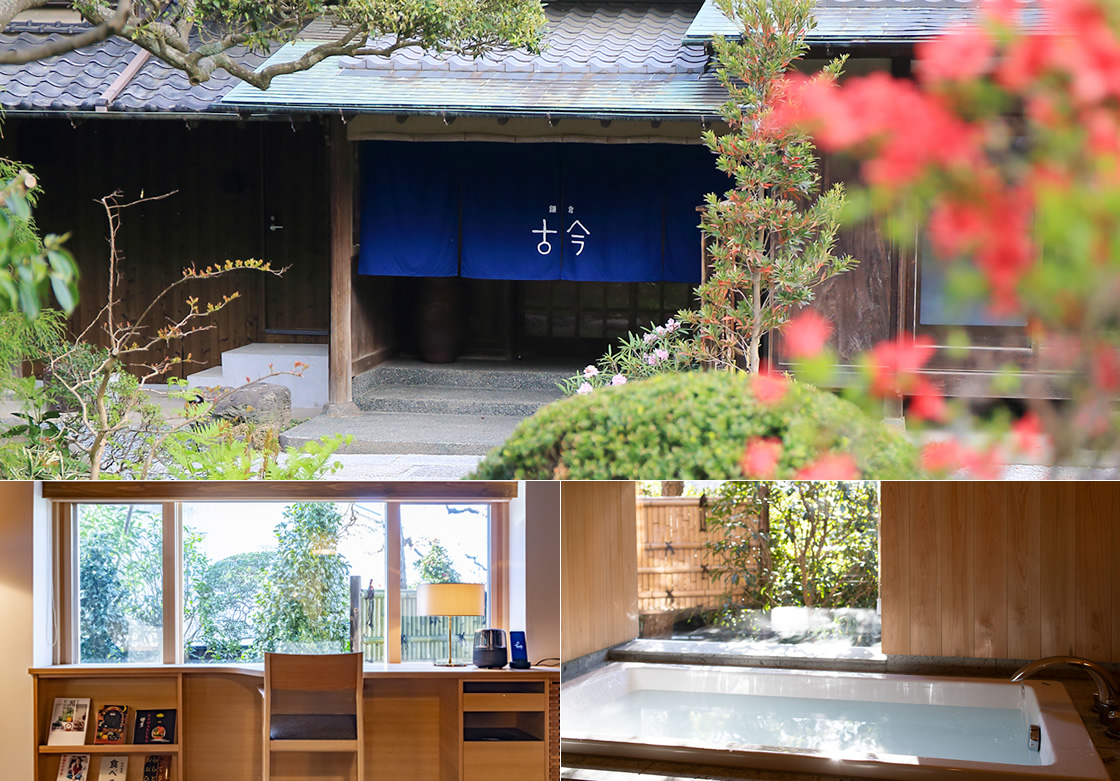
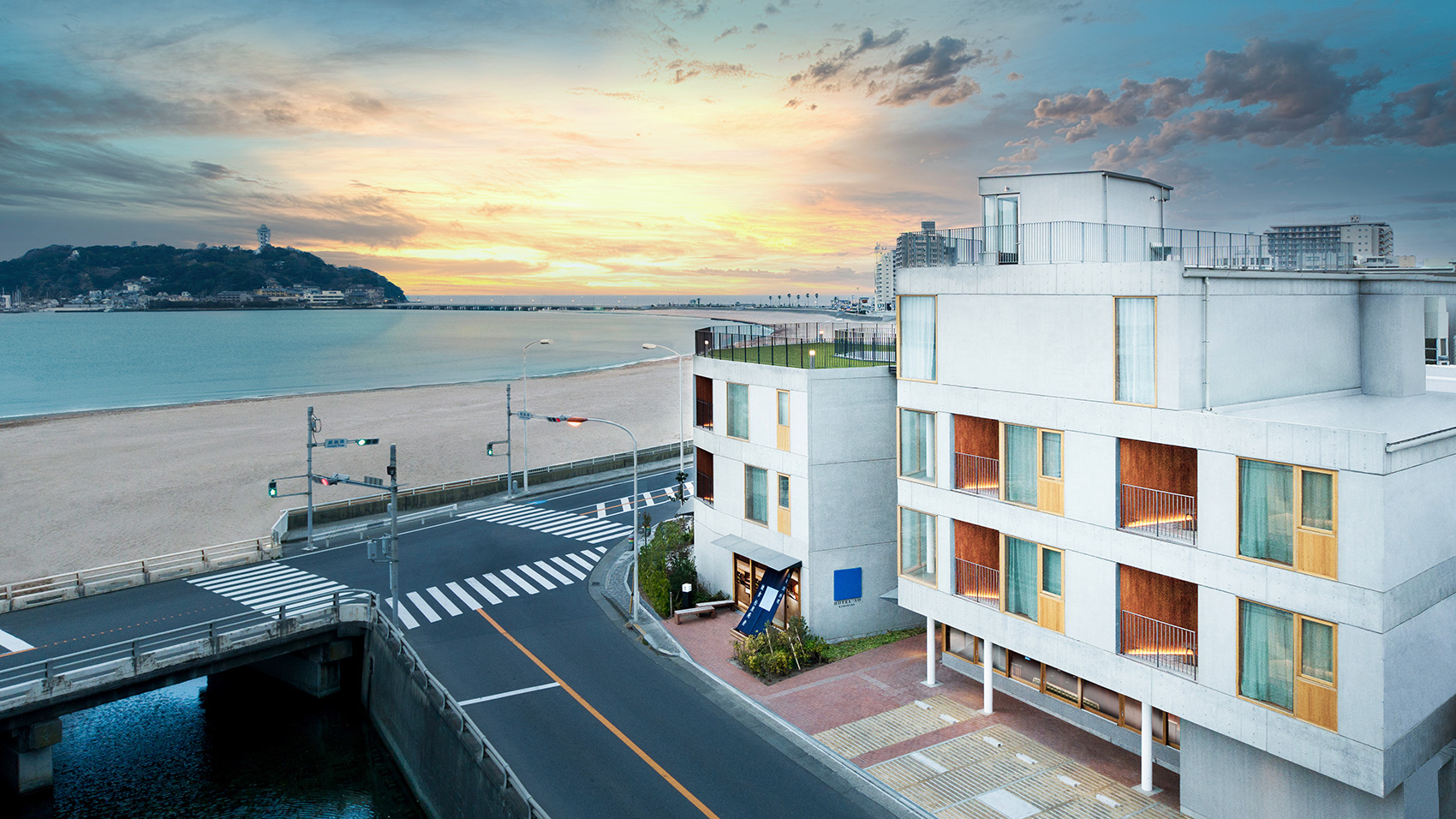
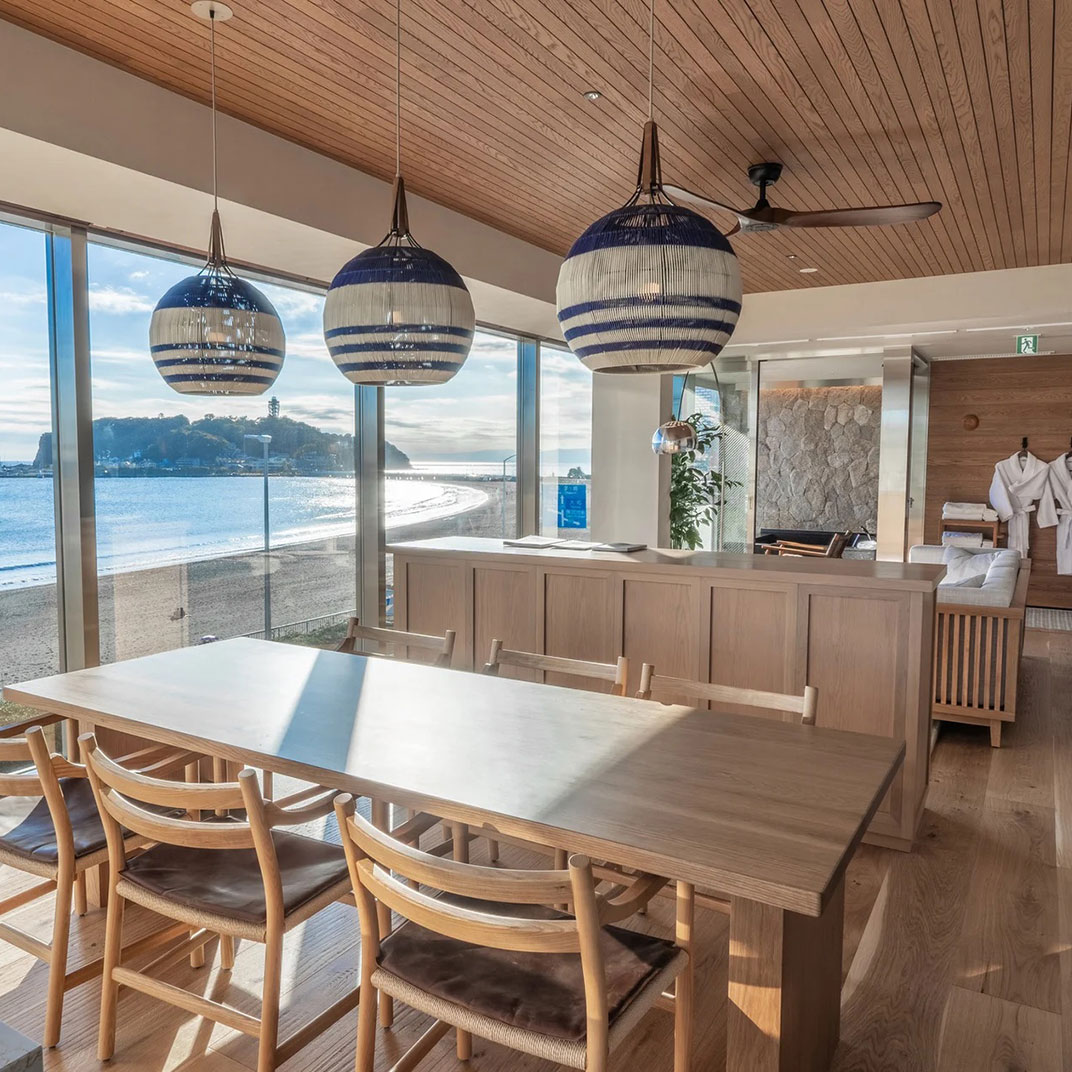
Where to Stay in Kamakura
3 recommended properties
Things to Do in Kamakura
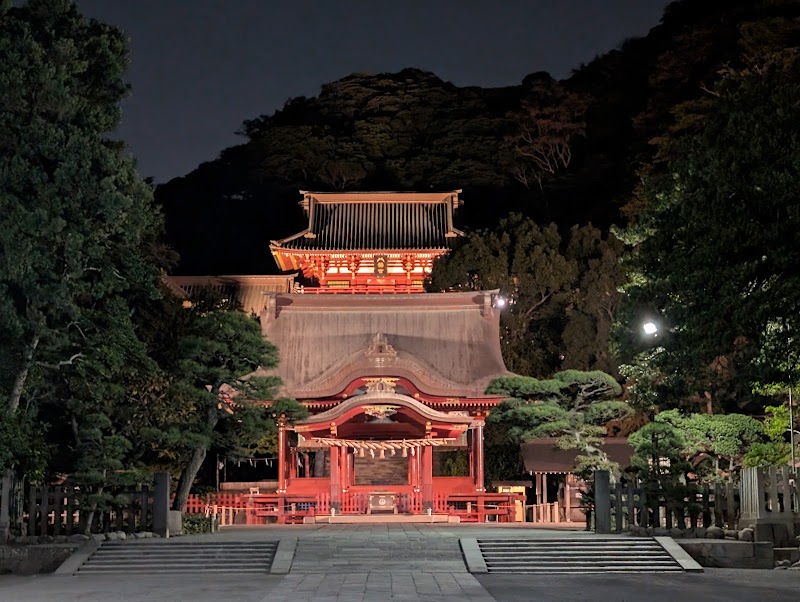
Tsurugaoka Hachimangu Shrine
Kamakura Station / Komachi-dori · 120 min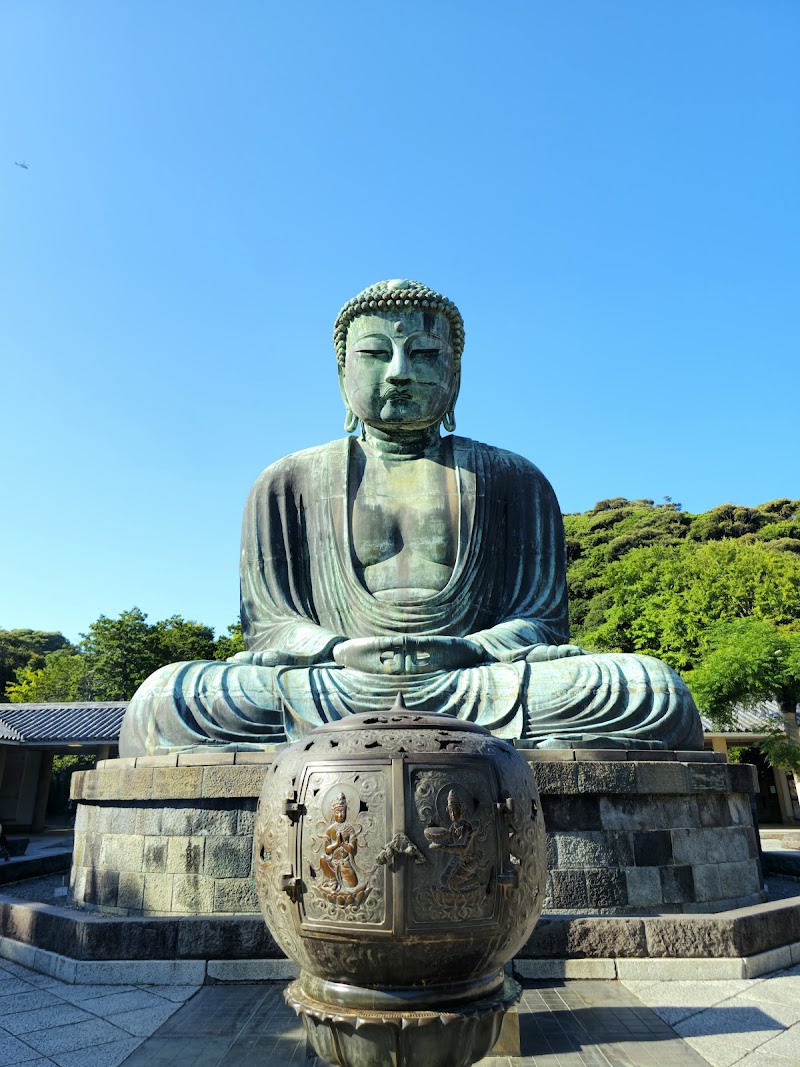
Kotoku-in (Great Buddha of Kamakura)
Hase · 90 min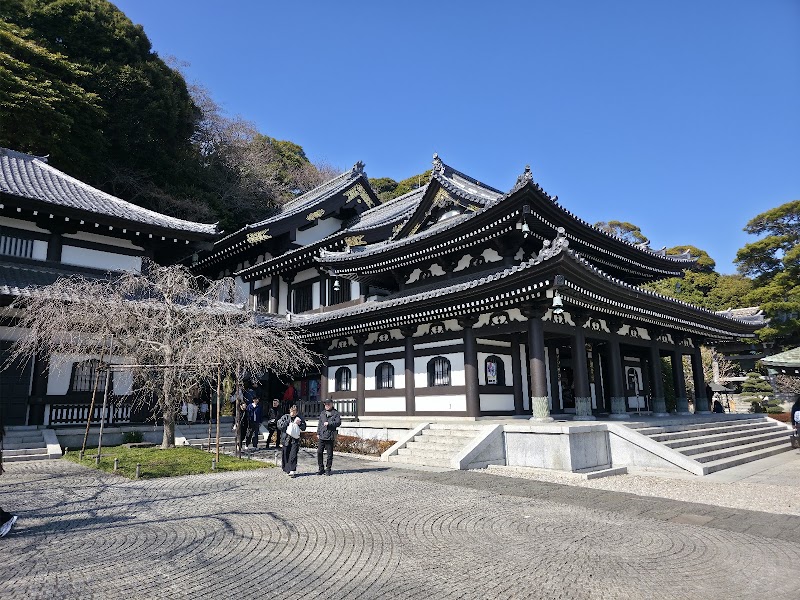
Hasedera Temple & Gardens
Hase · 150 minMoney-Saving Tips
- 1.Buy a Kamakura-Enoshima Pass for ¥800 - covers all local trains and saves money after just 3 stops
- 2.Temple admission fees add up fast - budget ¥300-500 per major temple like Kotoku-in and Hase-dera
- 3.Lunch sets at local restaurants cost ¥1,200-1,800 vs ¥3,000+ for dinner at the same places
- 4.Stay Sunday-Thursday for 30-40% cheaper hotel rates compared to weekends
- 5.Convenience store onigiri (¥150) makes a great temple-hopping snack vs tourist area food (¥800+)
- 6.Free temple grounds exist - you can explore Kencho-ji and Engaku-ji outer areas without paying admission
- 7.Bike rental (¥500/day) costs less than multiple train tickets if you're staying central
- 8.Many shrines offer free fortune telling (omikuji) for ¥100 - cheaper souvenir than temple shop items
Travel Tips
- •Download Google Translate with camera function - temple signs and menus often lack English
- •Wear comfortable walking shoes with good grip - temple steps get slippery when wet
- •Carry cash - many temples, restaurants, and shops don't accept cards
- •Start early (8 AM) to beat tour groups at popular spots like the Great Buddha
- •Learn basic temple etiquette - bow before entering, don't point, keep voices low
- •Check train schedules back to Tokyo - last express trains leave around 11:30 PM
- •Bring a portable phone charger - you'll use GPS and translation apps constantly
- •Pack layers - coastal weather changes quickly, especially in shoulder seasons
- •Book restaurants ahead for dinner - many popular spots fill up by 6 PM
- •Keep temple admission tickets - some offer discounts at nearby attractions