
Guilin
Mystical karst landscapes and Li River's ethereal beauty
Guilin isn't just another Chinese city with pretty mountains. It's the place where those impossible-looking karst peaks from traditional paintings actually exist, rising straight out of emerald rice paddies like stone monuments to patience. The Li River winds between these limestone towers, creating scenes so ethereal that Chinese poets have been writing about them for over a thousand years. But here's what the postcards don't show you: the best views aren't from the tourist boats. They're from a bamboo raft at sunrise, when mist clings to the water and cormorants dive for fish just meters away. Guilin rewards the curious traveler who ventures beyond Elephant Trunk Hill into neighborhoods where locals still practice tai chi at dawn and night markets serve noodles that cost less than a coffee back home.
Best Months
APR · MAY · SEP · OCT · NOV
~26°C · high crowds
Culture & Context
KARST PEAKS & MINORITIES
Guilin sits in the Guangxi Zhuang Autonomous Region, and the city's identity is tied as much to its ethnic minority communities as to its geology. The Zhuang, Yao, Miao, and Dong peoples make up a significant portion of the local population — over 700,000 people, about 8.5% of the city's total.
This isn't background color. It actively shapes the food, festivals, music, and clothing you'll encounter here. The famous saying "Guilin's scenery is the best under heaven" (桂林山水甲天下, Guìlín shānshuǐ jiǎ tiānxià) has been floating around since ancient times, and it's backed up every time the morning mist settles over the Li River.
Guilin has been inspiring Chinese poets, ink painters, and photographers for centuries — the karst peaks here literally appear on the back of the 20-yuan note. Fun fact for the anime crowd: the distinctive peak shapes also inspired the landscape in Dragon Ball. The city runs on a cashless economy.
WeChat Pay and Alipay are how everything works, from market stalls to taxis. Set up mobile payments before you go, or be prepared to rely on cash from Bank of China ATMs. Always carry your passport — it's your primary ID at tourist attractions, hotels, and high-speed train gates.
Local Customs
MOBILE PAYMENTS ONLY
Always carry your passport. Attractions, hotels, and high-speed train gates all require it for identification — tickets get linked to your passport number and you scan it again to enter. Don't leave it at the hotel..
Mobile payments rule everything. WeChat Pay and Alipay are used at market stalls, restaurants, taxis, and shops. Cash still works but fewer places prefer it.
Foreigners can now link foreign cards to WeChat Pay or Alipay — set this up before you go.. Bargaining is expected at tourist markets and outdoor stalls, especially around Zhengyang Pedestrian Street. Starting at 40–50% of the asking price is not aggressive — it's normal.
Fixed-price shops and supermarkets don't negotiate.. When entering someone's home or a small guesthouse, follow the host's lead on removing shoes. Many family-run inns in Yangshuo and around Longji expect it..
At local rice noodle shops, you often customize your bowl yourself — pick the toppings, pour your own broth in at the end. Watch what locals do before you sit down if it's your first time.. The 20-yuan note features a view of the Li River near Xingping — locals know this and it's a talking point.
Finding the actual viewpoint is a popular thing to do.. Public displays of frustration or raised voices are generally frowned upon. If something goes wrong with a booking or service, stay calm and patient — it gets results faster..
Tipping is not customary in mainland China, including Guilin. It can occasionally cause confusion at local restaurants. Tour guides sometimes accept tips from international visitors, but it's not expected.
Safety
VERY SAFE, WATCH CROWDS
Guilin is consistently ranked among China's safest cities for travelers, and you can walk around at night without real concern. That said, a few things are worth knowing. Petty theft and pickpocketing do happen in crowded tourist spots and markets — keep bags closed and zipped in areas like Zhengyang Pedestrian Street.
Exercise extra caution specifically around Guilin Railway Station and the main Bus Station, where bag-snatching is more common than elsewhere in the city. The Great Firewall is a practical safety-adjacent issue: do not assume you can reach your VPN provider's website once you're in China. Download and set up your VPN before you fly.
The US State Department currently has China at a Level 2 advisory (exercise increased caution). This is a general advisory for the country, not specific to Guilin. US citizens still need a standard visa — the 240-hour transit exemption applies to transiting travelers moving through China to a third country, not to travelers starting or ending in China.
Sort out payments in advance: ATM access for foreign cards exists at Bank of China branches, but not every ATM accepts international cards. In Yangshuo specifically, only the Green Lotus Hotel offers money exchange services.
Getting Around
BUSES & BAMBOO RAFTS
Getting in: Guilin Liangjiang International Airport (KWL) is about 30km southwest of the city center. Airport shuttle Bus 301 costs ¥20 and connects to key downtown stops including Civil Aviation Mansion and Guilin North Station. A taxi or DiDi (Chinese Uber) runs about ¥50 to central Guilin — worth it at night or with luggage.
Guilin is also well-connected by high-speed rail, which is often better than flying for cities within a few hours' distance. Getting around the city: Buses and taxis are available throughout. Six bus rides around central Guilin cost about $2 total.
Taxis are cheap (initial fare is ¥2) but drivers rarely speak English — have your destination written in Chinese characters on your phone. Renting a bicycle is genuinely one of the best ways to see the city; rental spots are scattered near most major attractions. The Li River to Yangshuo: Three main options.
The official cruise takes about 4 hours from Guilin to Yangshuo (¥210–460 depending on boat class) and departs early morning from Zhujiang Pier (international visitors) or Mopan Mountain Pier (domestic). Book a day in advance. Bamboo rafts give a slower, closer water-level view.
For just the famous 20-yuan-note scenery near Xingping, take a local bus to Xingping instead — cheaper and avoids the big tourist crush. Guilin to Yangshuo by bus costs ¥40 and takes under an hour. Longji Rice Terraces: About 2 hours from central Guilin by organized day tour or chartered car.
Entry is ¥80 separately from any tour cost. Signs in the villages are not always clear — a guide genuinely helps here.
Useful Phrases
Guilin Itineraries
View all
Karst Peaks & Jungle Nights: 7 Days in Guilin
Week · $$$

Jungle Peaks & Riverside Nights in Guilin
Weekend · $$$

Karst Peaks & Jungle Nights: A 3-Day Guilin Escape
Day Trip · $$$

Karst Peaks & River Dreams: 7 Days in Guilin & Yangshuo
Week · $$$

Karst Peaks & Lakes: A Romantic Guilin Escape
Weekend · $$$

Karst Peaks & River Mist: A Romantic Guilin Escape
Day Trip · $$$
Where to Stay in Guilin
1 recommended properties

Things to Do in Guilin
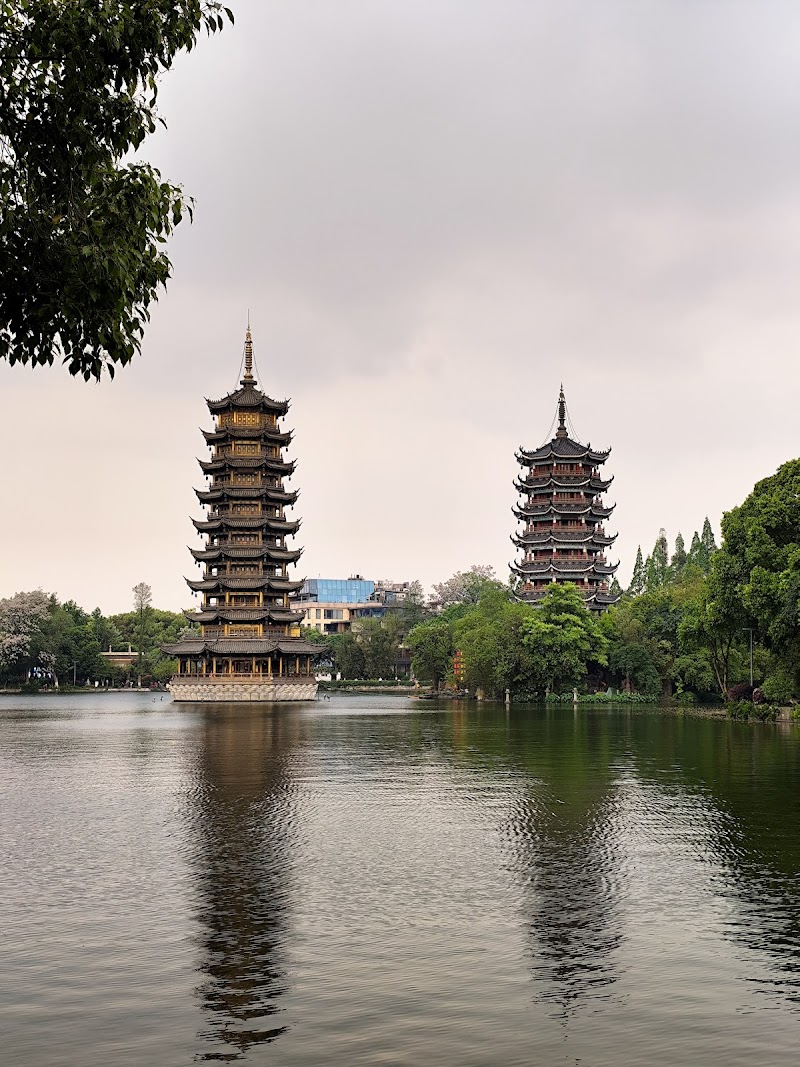
Two Rivers Four Lakes Scenic Walk
Downtown Guilin (Xiangshan District) · 90 min
Reed Flute Cave (Ludi Yan)
Northwest Guilin Outskirts · 120 min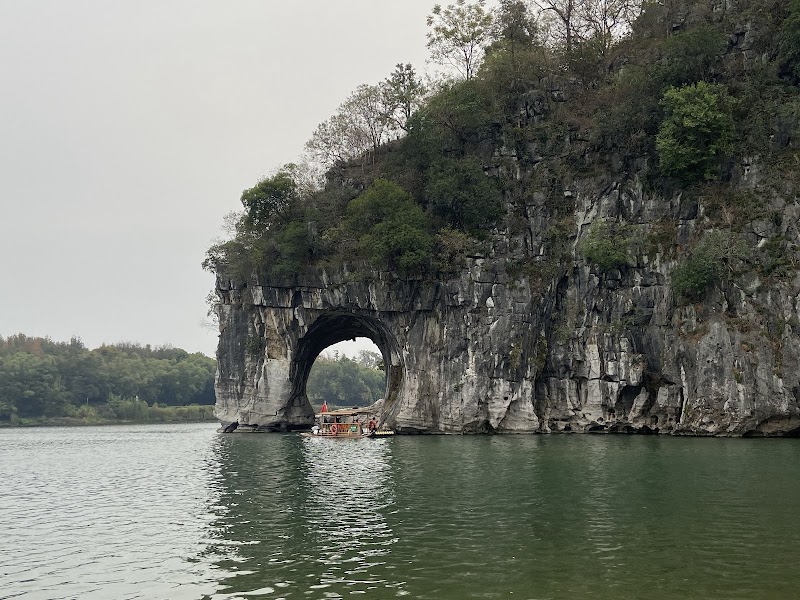
Elephant Trunk Hill Scenic Area
Downtown Guilin (Elephant Trunk Hill area) · 120 minMoney-Saving Tips
- 1.Book Li River cruises through your hotel instead of street vendors - same price, better service
- 2.Rent electric scooters for 50 yuan per day instead of taking taxis everywhere
- 3.Eat at local noodle shops like Chongshan Rice Noodle - meals cost 15-20 yuan vs 80+ at tourist restaurants
- 4.Take the regular train to Yangshuo for 15 yuan instead of tourist buses charging 50 yuan
- 5.Shop for snacks at convenience stores before river trips - boat vendors charge triple
- 6.Stay near Guilin Railway Station to save 200-300 yuan per night on accommodation
- 7.Visit during shoulder seasons (April-May, September-November) for lower hotel rates
- 8.Download offline maps to avoid expensive roaming charges for navigation
Travel Tips
- •Download a translation app - most locals don't speak English outside tourist areas
- •Carry cash - many small restaurants and shops don't accept cards
- •Pack layers - mountain weather changes quickly, especially during boat trips
- •Start Li River activities early morning for best light and fewer crowds
- •Bring waterproof phone case for bamboo raft trips - you will get splashed
- •Have your hotel write destinations in Chinese characters for taxi drivers
- •Book Longji Rice Terraces trips during planting (April) or harvest (September) for best views
- •Rent bikes in Yangshuo countryside - it's the best way to explore rice paddies
- •Try local rice noodles for breakfast like locals do - it's filling and cheap
- •Check weather before outdoor activities - afternoon thunderstorms are common in summer