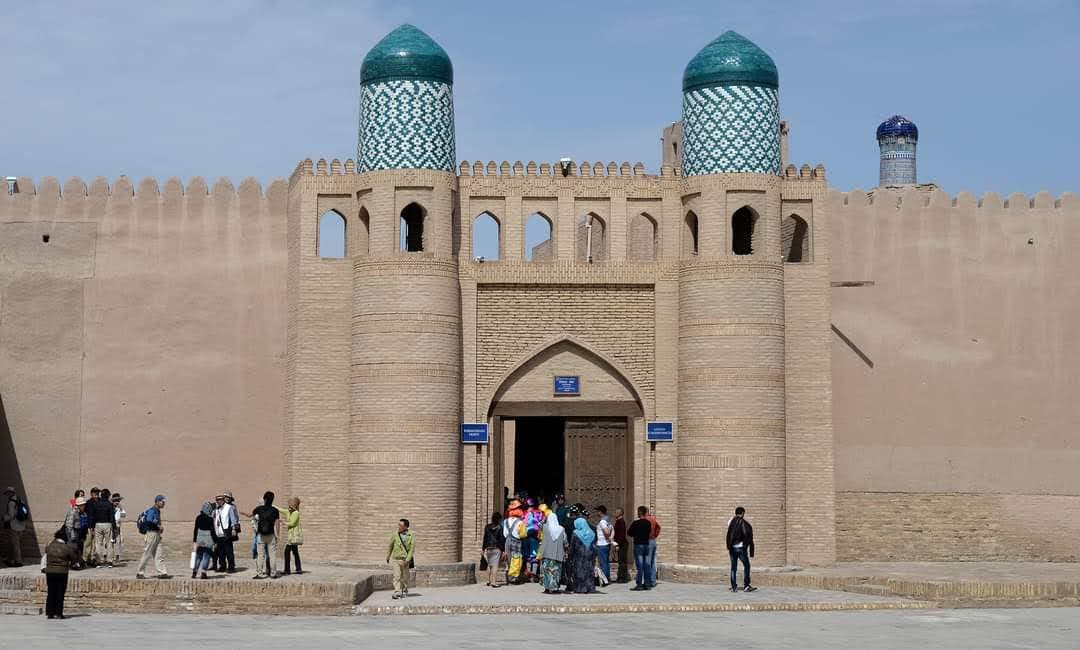
Khiva
Silk Road jewel with perfectly preserved medieval Islamic architecture
Step through the gates of Itchan Kala and you're walking into a living museum that hasn't changed much since the days when camel caravans stopped here on the Silk Road. Khiva's old city is so perfectly preserved it feels almost too good to be true — like someone built a medieval Islamic city theme park in the middle of the Uzbek desert. But this isn't Disney. These are real 400-year-old madrasas where you can still hear the call to prayer echoing off turquoise-tiled walls. The Kalta Minor minaret rises like a giant ceramic vase, unfinished since 1855 when the khan who commissioned it died. And yes, it gets touristy during peak season, but walk the ramparts at sunset or duck into a side alley and you'll have moments of pure magic to yourself.
Best Months
APR · MAY · SEP · OCT
~26°C · moderate crowds
Culture & Context
SILK ROAD FROZEN TIME
Khiva is one of those places that makes you feel like the rest of the world just forgot to update it. Sitting in the far west of Uzbekistan, closer to Turkmenistan than to Tashkent, it was the last major oasis stop on the Silk Road before caravans hit the desert heading toward Persia. The inner walled city, Itchan Kala, became Central Asia's first UNESCO World Heritage Site back in 1990.
And it earned it. Legend says the city was founded by Shem, son of the biblical Noah, around a well he discovered in the desert. Archaeologists split the difference and date continuous habitation to at least 2,500 years.
What you're walking through inside those mud-brick walls is mostly 18th and 19th century construction: khans' palaces, tilework madrasas, carved wooden mosques. But 2026 is genuinely a turning point for Khiva. National Geographic named it one of the top travel destinations of the year, a new high-speed train started running in May, and nearby Urgench Airport is mid-expansion toward 3 million passengers annually.
More tourists are coming. Go now before that tips fully.
Local Customs
RIGHT HAND, ELDER FIRST
Greet the eldest person in any group first. It's not just polite here — skipping it is genuinely noticed.. When invited into someone's home, shoes come off at the entrance.
No exceptions. Locals will not say a word but it will absolutely be remembered.. Tea is not optional.
If someone offers you tea, accept at least one cup. Refusing outright reads as a rejection of the person, not just the beverage.. Use your right hand for eating, passing food, and giving or receiving anything.
The left hand is considered unclean in traditional settings.. Don't show the soles of your feet when sitting. Tuck them away or sit cross-legged..
Cover shoulders and knees at all religious sites. Women need a headscarf inside active mosques — scarves are often available at the entrance if you don't have one.. Don't point with your index finger.
Use an open hand instead.. Avoid public displays of affection. Khiva is a conservative town..
Photography of government buildings and military installations is illegal. When in doubt at any official-looking structure, ask first.. Uzbek time is flexible socially, but trains and buses run on schedule.
Don't be late for transport.. Haggling is expected at the bazaar. Starting at roughly half the asking price and meeting in the middle is normal..
Note: same-sex relations between males are illegal under Uzbek law. LGBTQ+ travelers should be aware and exercise caution.
Safety
VERY SAFE, HEAT THREAT
Khiva is very safe. Petty crime is rare even by regional standards. The biggest actual risk tourists face is overpaying at tourist sites or getting into an unmarked taxi that charges whatever it wants.
Use Yandex Go for rides. Watch your pockets at the bazaar the same way you would anywhere with crowds. Drug laws are zero-tolerance — severe prison sentences, no exceptions.
Don't bring anything controlled. Photography around anything that looks governmental or military can get you in trouble, so when in doubt, ask. Medical facilities in Khiva are limited and may require upfront cash payment, so travel insurance with medical evacuation coverage is genuinely worth having here.
The summer heat is brutal — temperatures regularly hit 40°C (104°F) in July and August. Carry water constantly in summer. Spring (April-May) and autumn (September-October) are the sweet spots for weather.
Winter visits are quieter, cheaper, and cold but perfectly doable. LGBTQ+ travelers should be aware that same-sex relations between males are illegal under Uzbek law, and social attitudes are conservative.
Getting Around
NEW TRAIN CONNECTION
Getting to Khiva just got dramatically easier in 2026. A new high-speed train service launched May 1, connecting Khiva directly to Bukhara and Samarkand and cutting the Tashkent journey from 15 hours down to around 7 hours 40 minutes. Tickets go on sale 45 days in advance on the Uzbekistan Railways website and sell out, so book early.
The new train station is clean, modern, and 1.25 km east of Itchan Kala's east gate: a 5-minute Yandex Go ride or a 20-minute walk. The closest international airport is in Urgench, 23 miles away.
Turkish Airlines flies direct from Istanbul; Uzbekistan Airways connects from Paris, Madrid, Rome, and daily to Tashkent. A taxi from Urgench airport costs around $12. For local taxis, use the Yandex Go app — the US State Department specifically recommends using officially marked taxis or rideshare apps and warns against random drivers who approach tourists.
Inside Khiva, everything in Itchan Kala is pedestrianized. Walking is the only way to see it properly anyway. Shared taxis from Bukhara to Urgench run about $15 for a seat for the 7-hour desert crossing — not comfortable but cheap.
The bus is cheaper still and less comfortable still.
Useful Phrases
Khiva Itineraries
View all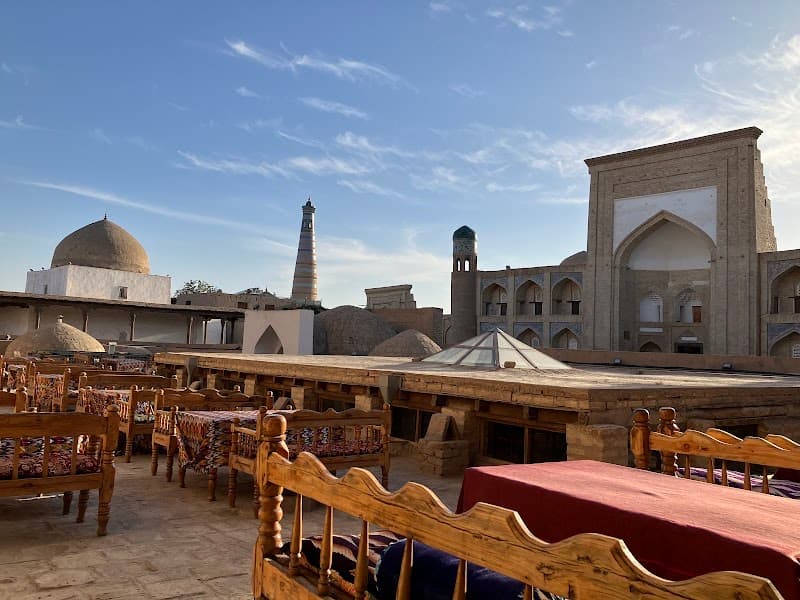
Seven Slow Days Among Khiva’s Walls and Desert Light
Week · $$$
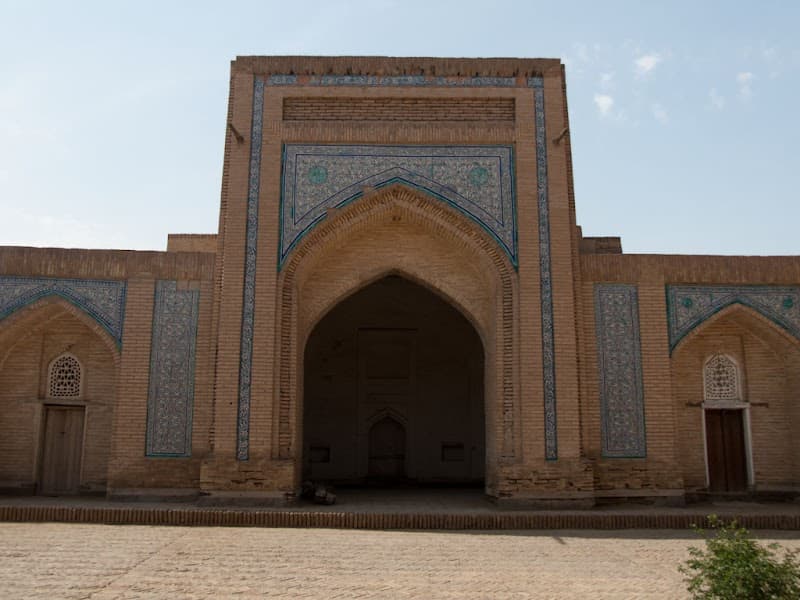
Mud Brick Minarets & Desert Skies: 3 Days in Khiva
Weekend · $$$
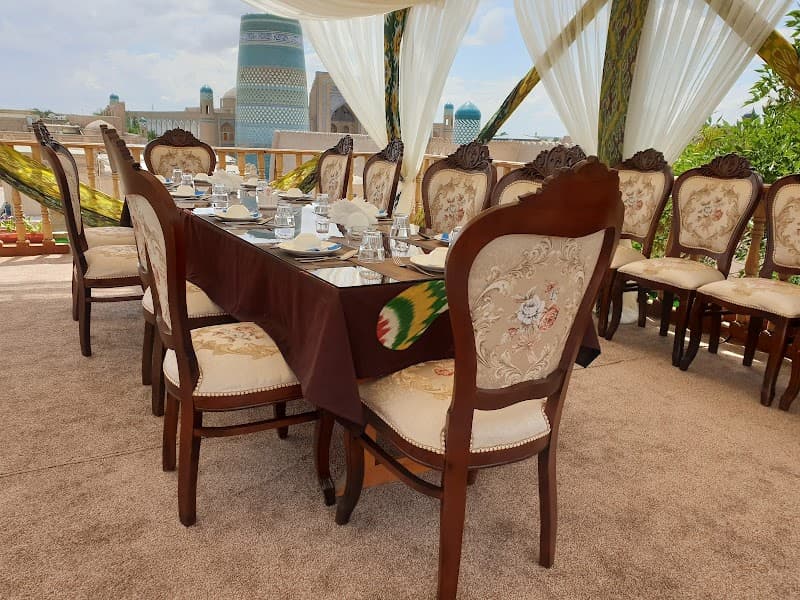
Desert Walls & Silk Road Whispers in Khiva
Day Trip · $$$
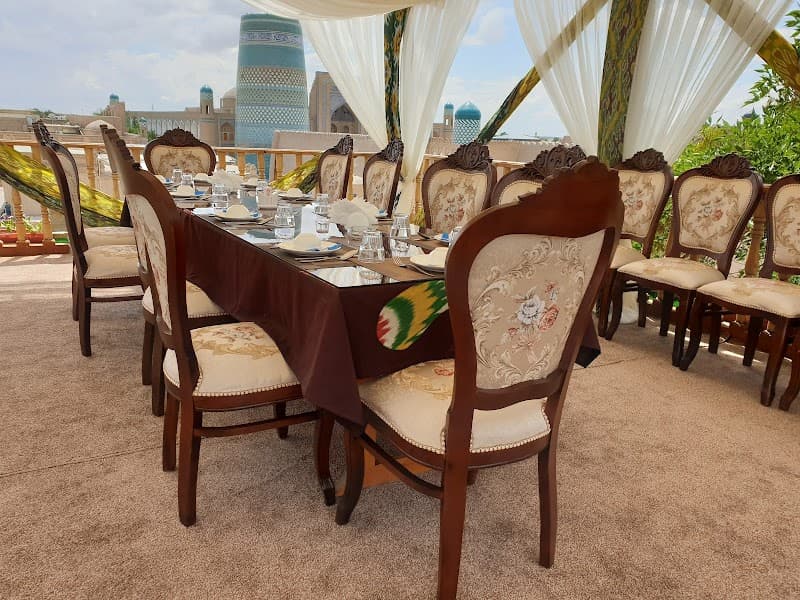
7 Enchanted Nights in Desert-Kissed Khiva
Week · $$$
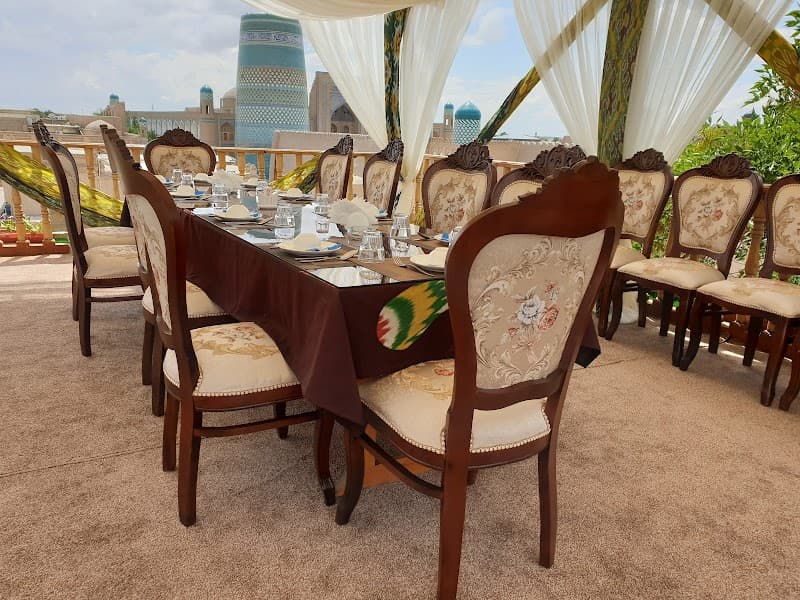
Romantic Khiva Weekend: Walled City, Desert Glow, Easy Pace
Weekend · $$$
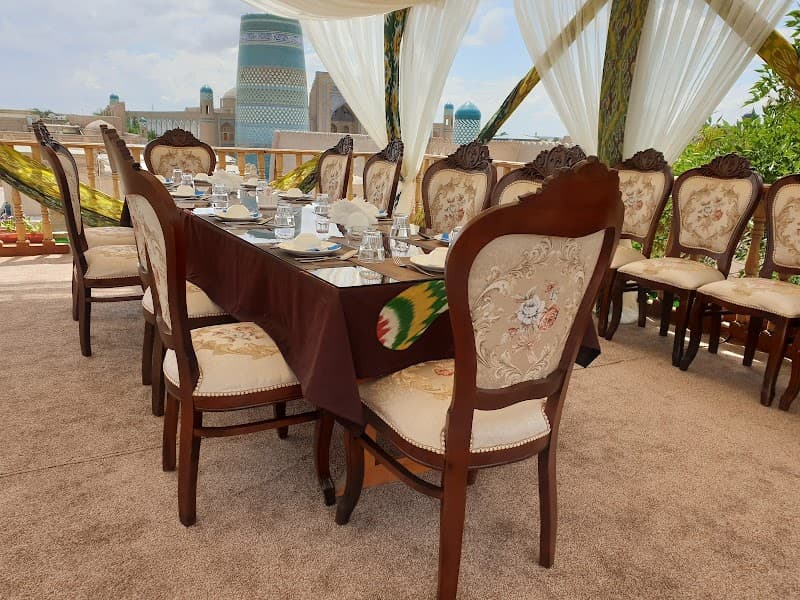
Khiva Weekend Escape: Desert Walls, Courtyards, and Sunset Romance
Day Trip · $$$
Things to Do in Khiva
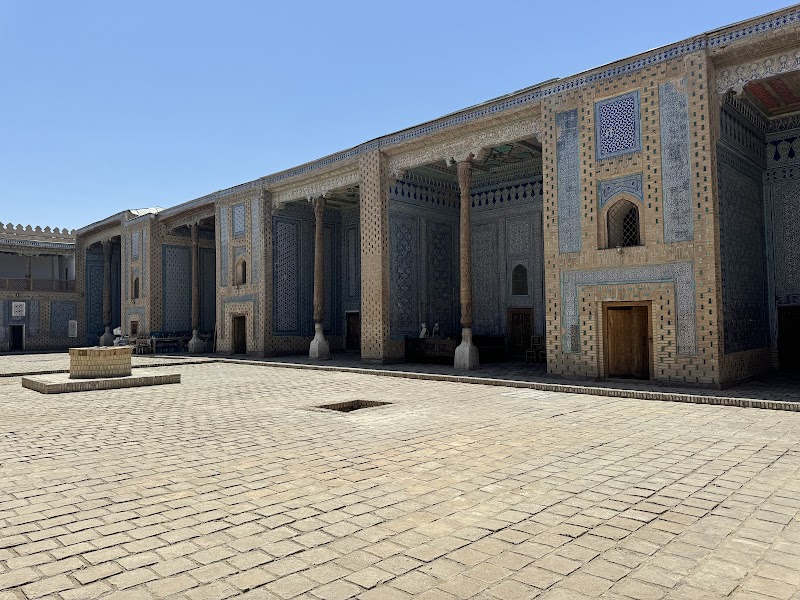
Tash Hauli Palace & East Ichan-Kala
Ichan-Kala (Old City East) · 150 min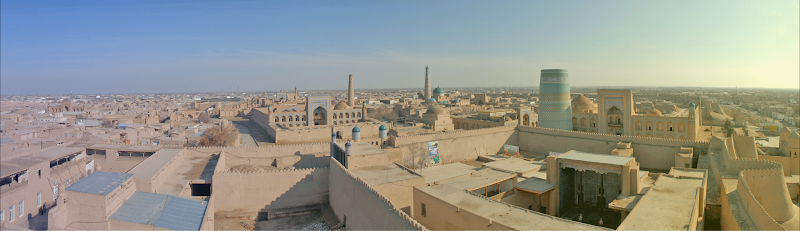
Itchan Kala Walking Loop
Itchan Kala / Old City · 150 min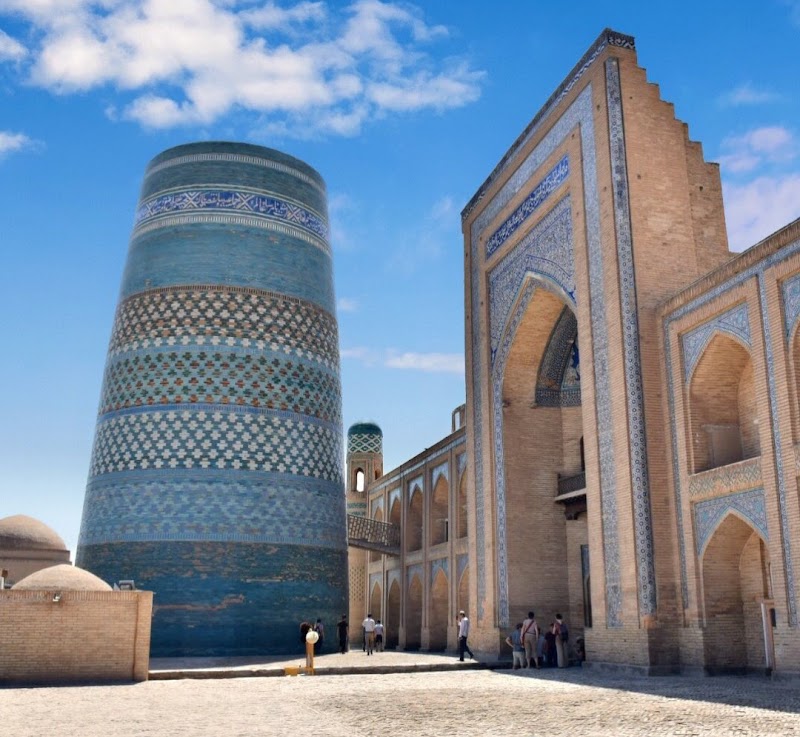
Kalta Minor and Islam Khodja Complex
Itchan Kala / Old City Center · 90 minMoney-Saving Tips
- 1.Buy the combined monument ticket for 150,000 som — individual entries cost much more
- 2.Eat outside Itchan Kala walls where local restaurants charge half the price
- 3.Bargain hard at souvenir shops, especially for carpets and ceramics
- 4.Shared taxis to Urgench airport cost 50,000 som vs 200,000 som for private
- 5.Stay in guesthouses rather than hotels — many offer traditional meals included
- 6.Visit during shoulder season (April-May, Sept-Oct) for better accommodation deals
- 7.Bring cash in US dollars or euros — ATMs are scarce and cards rarely accepted
Travel Tips
- •Wear modest clothing covering shoulders and knees when visiting religious sites
- •Bring comfortable walking shoes for uneven cobblestone streets
- •Pack sun protection — desert sun is intense even in cooler months
- •Learn basic Russian phrases — more useful than English with locals
- •Respect photography rules at mosques and ask permission for portraits
- •Book Afrosiyob train tickets in advance for connections to other Uzbek cities
- •Carry small bills for vendors and taxi drivers who rarely have change