Dushanbe
Tajikistan's green capital gateway to mountains
Dushanbe doesn't try to impress you at first glance. The Tajik capital spreads out under the Hissar Range like a Soviet-era garden city, all wide boulevards and unexpected green spaces. But give it a day or two, and you'll discover why this Central Asian capital makes such a compelling base for mountain adventures.
The city sits at 2,300 feet above sea level, high enough to stay relatively cool but low enough to feel comfortable. You'll find excellent museums, surprisingly good restaurants, and some of the friendliest people in Central Asia. Plus, it's one of the cheapest capitals you'll ever visit — a decent hotel room runs about $30, and a filling meal costs less than $5.
Look, Dushanbe isn't going to wow you with ancient monuments or world-famous sights. What it offers is authenticity, incredible mountain access, and the chance to experience a corner of the world most travelers never see.
Best Months
APR · MAY · JUN · SEP · OCT
~27°C · moderate crowds
Culture & Context
MONDAY MARKET, SILK ROAD SOUL
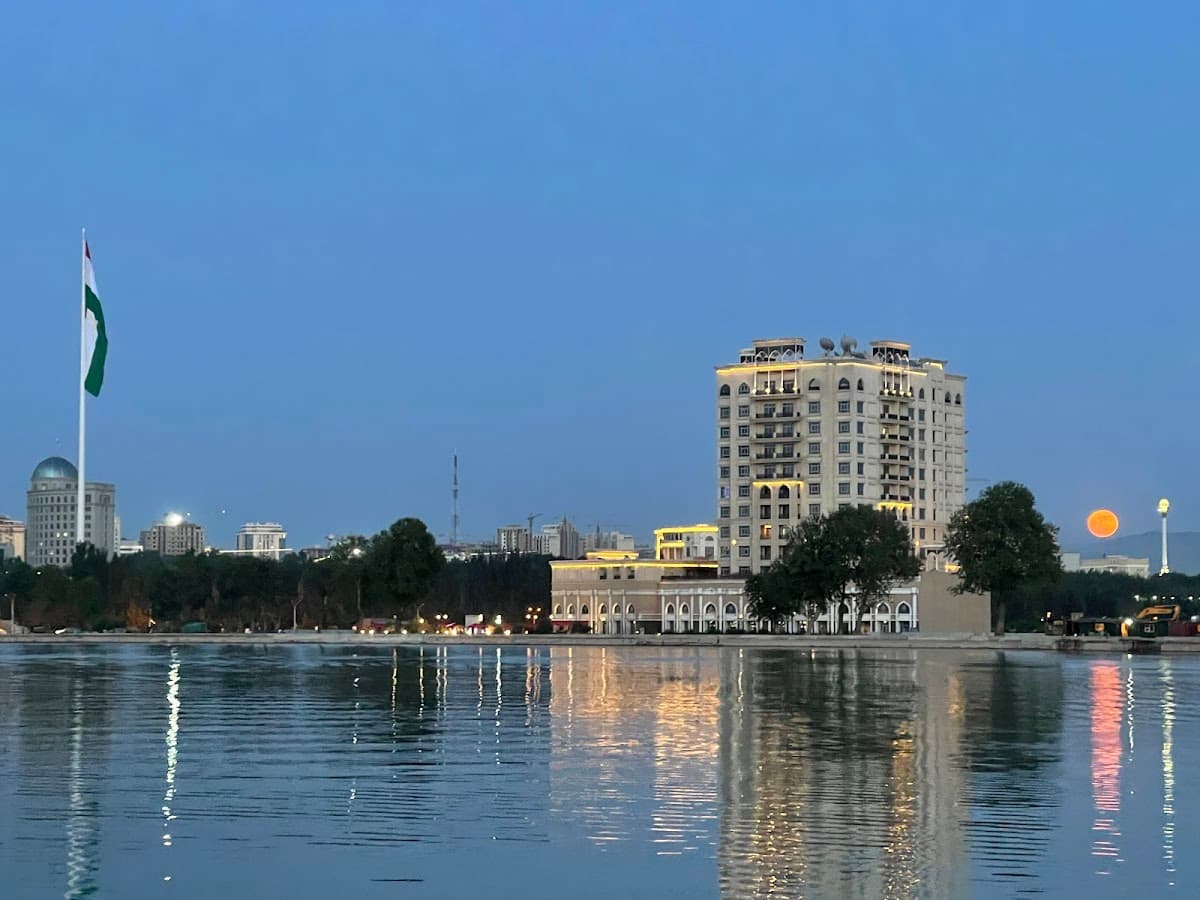
Dushanbe literally means "Monday" in Tajik. It was once just a sleepy village famous for its Monday market. That market is still there (now called Barakat), and the city has grown up around it into something genuinely strange and fascinating: Soviet-era boulevards running past marble-clad government palaces, a 165-meter flagpole that held the world record for a few years, and teahouses where hand-painted ceilings still do the real talking.
The language is Tajik, a dialect of Persian that puts you closer to Tehran or Kabul than Moscow in spirit, though Russian is everywhere too, especially among older locals and in business settings. English is growing fast among the under-30 crowd in the city center, but outside Rudaki Avenue, don't count on it. Here's the thing about Dushanbe: the ground is deeper than it looks.
The National Museum holds Buddhist sculptures and Silk Road relics in a Persian-speaking Muslim capital, which tells you how many civilizations once crossed this valley. Bactrian finds, Sogdian fragments, and a magnificent reclining Buddha from Ajina-Tepe sit in the same building. That odd layering is the city's real story.
The construction boom of the past decade is mostly done now, so the city feels more settled, less like a building site. Rudaki Avenue threads past Soviet pastels and new marble icons, and Istiqlol Plaza hosts fountain shows and national celebrations that feel earnest rather than performative.
Local Customs
SHOES OFF, TEA ACCEPTED
Remove your shoes before entering any home. This is non-negotiable and deeply embedded in local culture. Hosts often have slippers near the door for guests..
If someone offers you tea or food, accept it. Even a small sip or a bite counts. Refusing hospitality can genuinely offend.
The tea is usually green (kok chai) and comes with non bread and sometimes sweets.. Bread is treated as sacred. Don't waste it, don't throw it on the floor, and definitely don't toss chunks of it in the trash in front of your host.
One traveler's guide records a home host being deeply offended by tourists who flushed bread down a toilet.. Dress modestly, especially around mosques and outside the city center. Covered shoulders and knees are expected.
Women traveling alone should dress conservatively to minimize unwanted attention.. Always ask before photographing people. In the bazaar, at religious sites, in villages, this matters.
Many locals view unexpected camera pointing as intrusive.. Don't point at people with your finger and avoid showing the soles of your feet when sitting on the floor or on cushions, which is common in traditional settings.. Smoking is technically prohibited on Dushanbe streets, though the rule isn't consistently enforced.
As a visible foreigner, you're more likely to be noticed if you light up outside.. Greet shopkeepers and hosts with Salom when entering. Skipping the greeting can read as rude, even in quick transactions..
Don't bring up politics or religion in casual conversation. The government is authoritarian and locals are cautious. Save those topics for trusted, private contexts.
Safety
DAYTIME SAFE, NIGHT CAUTION
Dushanbe is broadly safe during daylight hours. Most locals and visitors report feeling comfortable walking the center streets in the day. But at night, the picture changes.
Avoid Victory Park and Children's Park after dark. The streets off Rudaki Avenue get poorly lit and deserted quickly, and that combination has produced petty crime. The US State Department rates crime in Dushanbe as moderate.
Incidents are usually non-violent: pickpocketing in markets, overcharging by taxis, and currency exchange scams at unofficial booths. Don't exchange money on the street. The most reliable tip: never drink the tap water.
Bottled or boiled only. Serious risk of rust and typhoid from the pipes. The Prospekt Clinic in Dushanbe has English-speaking doctors if you need medical help.
For solo female travelers, street harassment is possible but generally not aggressive. The local culture is respectful toward women. Dressing conservatively reduces unwanted attention significantly.
Police occasionally stop tourists to check documents. Always carry a photocopy of your passport and keep the original locked up. If approached, ask to see the officer's ID before showing anything.
Don't sign paperwork you can't read. Taxi scams cluster around the airport and the National Museum. Agree on the fare before you get in.
Airport shakedowns over cash declarations have been reported, so be careful about how you document what you're carrying when entering the country.
Getting Around
MARSHRUTKA & FOOT
The airport (DYU) sits just 4 km from the city center, about 10-15 minutes by car outside rush hour. Skip the first taxi offer you get at arrivals. Bus 8 and marshrutkas 8, 16, and 33 connect the airport to the center for around $0.
27. If you're traveling light, that ride costs basically nothing. There is no metro and no tram network in 2026.
Daily movement runs on city buses, trolleybuses, shared marshrutkas, and taxis. Marshrutka fares are paid in cash on board. For taxis, always agree on the price before getting in.
Starting fare is around $1.10 with roughly $0.32 per kilometer.
But the quoted price for foreigners at popular spots can be double or triple that. Negotiate, or use a taxi app if you can get data working. Most of Dushanbe's tourist sights cluster around Rudaki Avenue, so you can cover most of the center on foot.
No citywide transit card exists yet. Card payments are not accepted on public transport and are unreliable even in many shops and restaurants. Carry somoni cash.
ATMs are available in the city center and shopping areas, but run dry occasionally.
Useful Phrases
Things to Do in Dushanbe
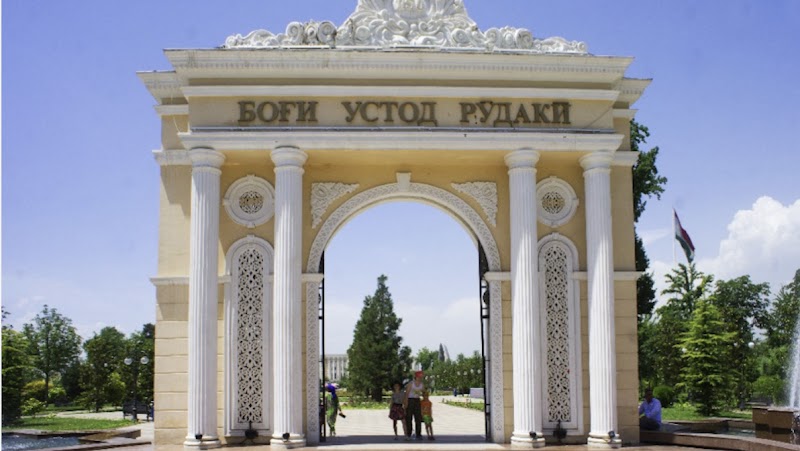
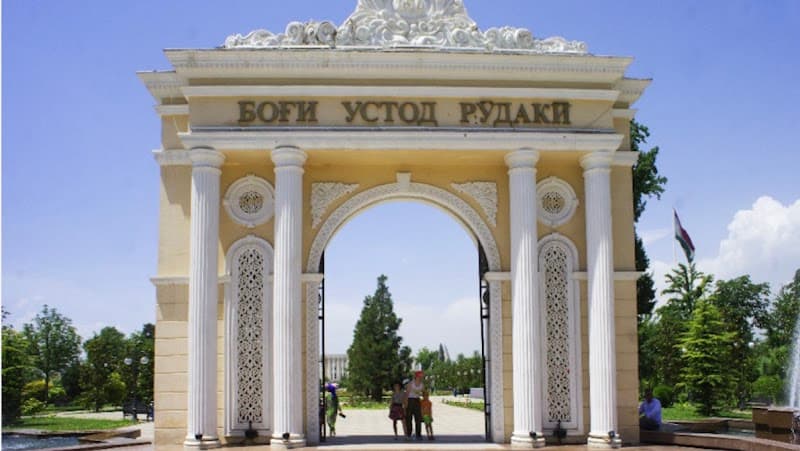
Rudaki Park
Rudaki Avenue (City Center) · 90 min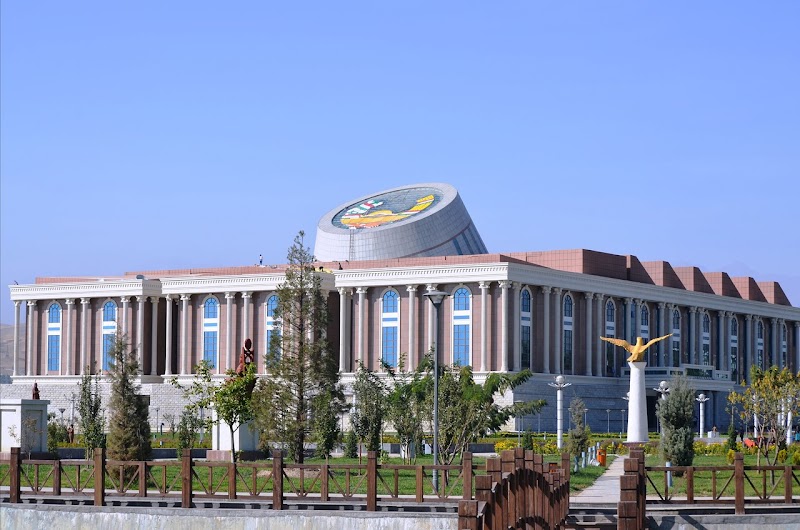
National Museum of Tajikistan
Rudaki Avenue (City Center) · 120 min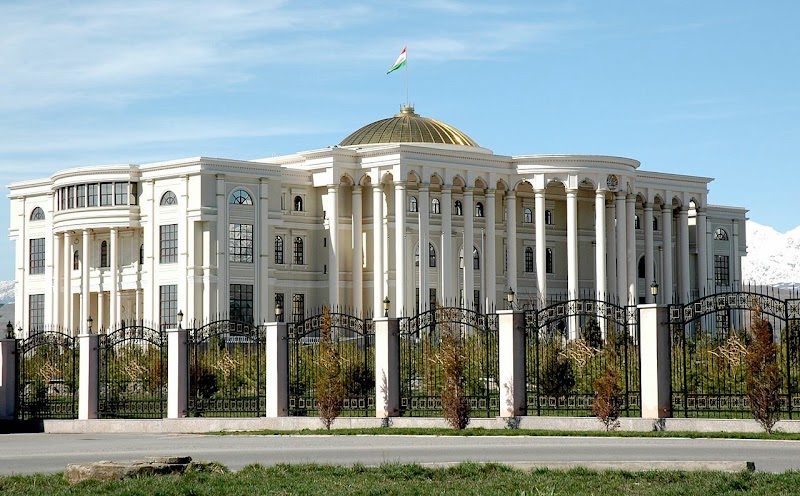
Flagpole and Palace of Nation View Area (near Rudaki Park)
Rudaki Avenue (City Center) · 45 minMoney-Saving Tips
- 1.Bring US dollars in small denominations — ATMs are scarce and often don't work with foreign cards
- 2.Negotiate taxi fares before getting in — meters aren't standard and drivers often quote inflated prices to tourists
- 3.Shop at the Green Market for incredibly cheap fresh produce and snacks — pomegranates cost about 50 cents per kilogram
- 4.Many restaurants don't accept cards — always carry cash, especially for street food and local establishments
- 5.Hotel prices are negotiable, especially for stays longer than three nights or during off-season
- 6.Public marshrutka buses cost just 20 cents but can be confusing — ask locals to point you toward the right one
- 7.Bottled water costs under 50 cents at shops — much cheaper than hotel mini-bars
- 8.Tipping isn't expected but 10% is appreciated at sit-down restaurants
Travel Tips
- •Get your visa in advance — most nationalities need one, and border processing can be slow
- •Download offline maps before arriving — internet can be spotty and data expensive
- •Learn basic Russian phrases — more useful than English for getting around the city
- •Pack layers for mountain day trips — temperatures can drop 20 degrees with elevation
- •Bring a universal adapter — Soviet-era outlets are still common in older buildings
- •Respect local customs around mosques and government buildings — no shorts or tank tops
- •Keep your passport handy — police checkpoints are common, especially near government areas
- •Stock up on any medications you need — pharmacies exist but may not carry Western brands