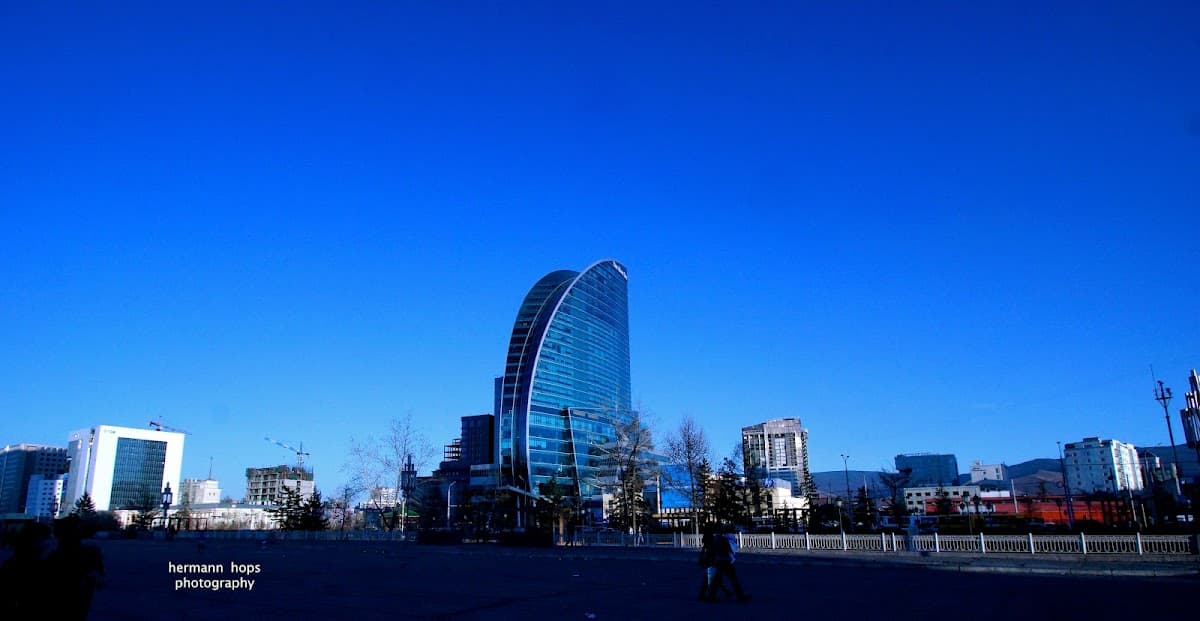
Ulaanbaatar
Gateway to Mongolia's Nomadic Soul and Steppes
Ulaanbaatar sits at 4,430 feet above sea level, caught between Soviet-era apartment blocks and traditional ger districts. This is Mongolia's capital and your launching pad into one of the world's last great nomadic cultures. The city sprawls across the Tuul River valley, where herders still drive livestock through downtown streets and shamanic traditions mix with modern life. You'll find genuine adventure here — not the sanitized kind. The air is thin, winters are brutal, and the infrastructure can be challenging. But that's exactly why Ulaanbaatar rewards the curious traveler with experiences you simply can't find anywhere else.
Best Months
JUN – SEP
~23°C · peak crowds
Culture & Context
NOMADIC EMPIRE COLLIDES
Ulaanbaatar is one of the world's coldest capitals and one of its most rapidly urbanizing cities. Nearly half of Mongolia's entire population lives here. The city grew explosively as nomadic herders, pushed off the steppe by harsh winters called dzud, moved into ger districts on the city's fringes.
Those districts, where traditional felt tents sit within wooden fences alongside makeshift structures, ring the Soviet-planned center like a living reminder of where the country came from. The tension between nomadic identity and modern city life isn't a tourist talking point here — it's the actual daily reality. Buddhism runs deep, having survived Soviet-era suppression that closed most of Mongolia's monasteries.
Gandan Monastery never fully closed and remains an active, working institution. Shamanism also has serious presence, especially through the Shaman Festival, which the city's tourism department began formalizing in 2023. Chinggis Khan is everywhere — on money, on statues, on vodka bottles — and Mongolians take enormous pride in the empire their ancestors built.
Bring some curiosity about that history and people will talk to you for hours.
Local Customs
RIGHT FOOT, BOTH HANDS
When visiting a ger (traditional felt tent), always enter with your right foot first and move clockwise inside. Don't step on the threshold and don't lean on the central support poles. Wait to be invited before sitting..
Accept offered food and drink with both hands or at least your right hand. Refusing is considered impolite. Even a small taste is enough..
When giving or receiving anything — money, gifts, business cards — use two hands or your right hand. Handing something over with your left hand alone reads as dismissive.. Tipping has become more common in Ulaanbaatar restaurants and cafés in recent years.
Around 10% is standard. Hand it directly to your server rather than leaving it on the table, where it can get confused with change or taken by others.. At Gandan Monastery and other religious sites, ask before photographing monks or interiors.
Certain temples explicitly prohibit photography.. Mongolia still runs largely on cash outside central Ulaanbaatar. ATMs are available in the city center, but carry tugrik for markets, smaller restaurants, and anything outside the capital.
Cards are accepted at major hotels.. Personal space works differently here. There's no real queuing culture at bus stops or market stalls — people simply move toward the front.
Getting annoyed achieves nothing.. Public displays of same-sex affection will draw uncomfortable attention. Mongolia's criminal code prohibits discrimination based on sexual orientation, but social attitudes outside the city tend to be conservative..
Don't take photos near government buildings or military installations without checking whether photography is permitted. Some structures are off-limits.
Safety
WATCH PICKPOCKETS & COLD
Ulaanbaatar is generally safe, especially in the center around Sukhbaatar Square, which has consistent police presence. Violent crime against tourists is uncommon. The real risks are more mundane: pickpocketing at Naran Tuul Market (the so-called Black Market) and busy bus stops, unlicensed taxis that overcharge, and the extreme cold in winter where temperatures can drop below -30°C and frostbite is a genuine medical threat.
At the Black Market, wear a crossbody bag that zips fully and keep your phone in a front pocket. Don't carry your passport unless you specifically need it that day. After midnight, avoid walking alone in poorly lit streets or the outer ger districts — most incidents that do happen involve alcohol.
Stick to hotel-arranged taxis or established ride apps rather than flagging down informal drivers; traffic accidents in icy conditions are a real concern. The tap water is technically safe for brushing teeth but don't drink it. Accommodation near Sukhbaatar Square or Zaisan is significantly safer and more practical than staying in the outer districts.
Getting Around
WALKABLE CENTER, RIDE APPS
There's one international airport: Chinggis Khaan International Airport, which handles all international arrivals. From there, book a transfer through your hotel or a reputable app — the airport road into the city can be confusing and informal drivers will overcharge. Inside the city, the bus system is extensive with a flat MNT500 fare (~$0.
15) as long as you have a U-money card, purchasable at street kiosks. Buses get crowded during rush hour. Official taxis charge around MNT1,200 per mile, and ride-sharing apps operate in central districts with a 5km ride running about $2.
A shared minivan (marshrutka) costs MNT1,500–5,000 for longer city routes. Ulaanbaatar's center is actually walkable — streets are flat with wide sidewalks — but the ger districts on the fringes are harder to navigate on foot. Street names are written in Cyrillic, so download offline Mongolian maps before arrival.
For day trips to Terelj National Park, hire a driver through your guesthouse rather than attempting public transport.
Useful Phrases
Where to Stay in Ulaanbaatar
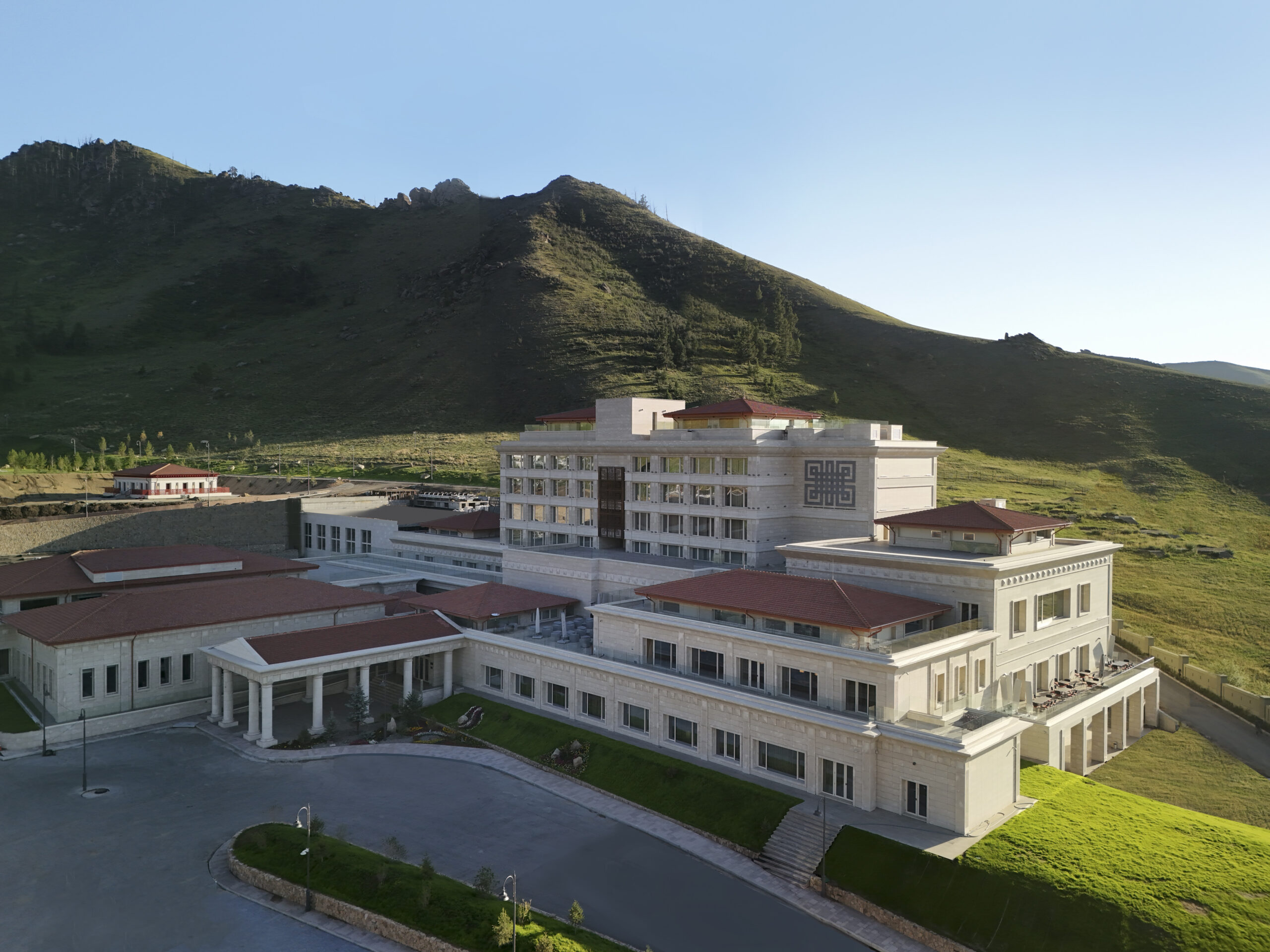
1 recommended properties
Money-Saving Tips
- 1.ATMs are common in the city center but scarce in ger districts — withdraw cash before exploring outer neighborhoods
- 2.Bargaining is expected at markets and with taxi drivers, but not in restaurants or shops with posted prices
- 3.The State Department Store offers the best exchange rates for foreign currency, better than hotels or banks
- 4.Street food costs 1,000-3,000 tugrik ($0.50-1.50) while restaurant meals range from 8,000-25,000 tugrik ($3-10)
- 5.Many places don't accept credit cards — carry cash in small denominations for easier transactions
- 6.Tour prices drop significantly if you book directly with local operators rather than through hotels
Travel Tips
- •Download offline maps before arriving — GPS and internet connectivity can be spotty outside the city center
- •Pack layers for dramatic temperature swings, even in summer when nights can drop 30 degrees from daytime highs
- •Learn basic Mongolian phrases or carry a translation app — English is limited outside tourist areas
- •Bring hand sanitizer and tissues — public restroom facilities vary widely in cleanliness and supplies
- •Respect photography etiquette in ger districts — always ask permission before taking photos of people or homes
- •Stock up on any prescription medications before traveling — international pharmacies are limited
- •The altitude can cause mild symptoms for some visitors — stay hydrated and take it easy your first day