Osh
Central Asia's ancient Silk Road crossroads and cultural heart
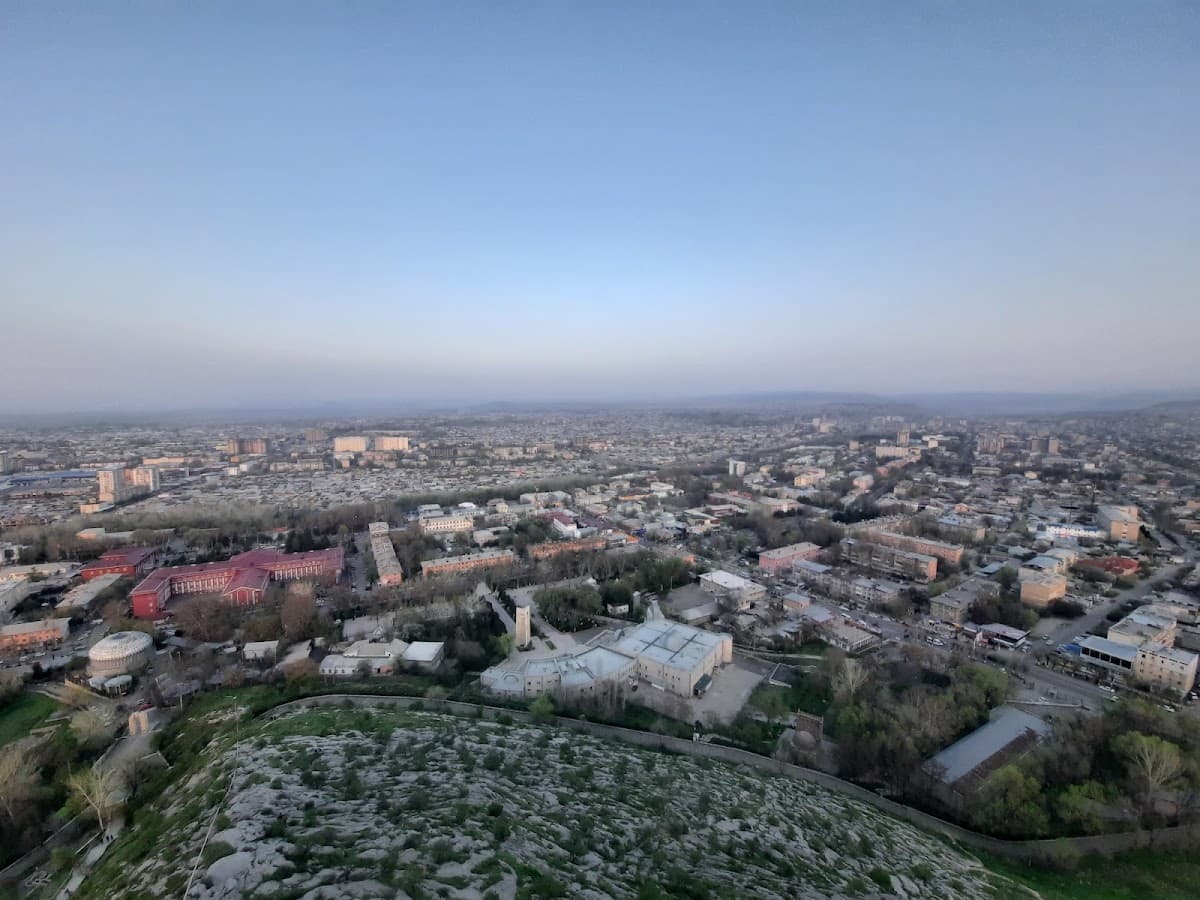
Osh doesn't care if you've heard of it. This 3,000-year-old city in southern Kyrgyzstan has been welcoming traders, pilgrims, and wanderers since before Rome existed. Here's where the Silk Road actually lived and breathed — not some sanitized museum version, but the real deal with dust in your teeth and stories in every crumbling wall.
The Sulaiman-Too mountain rises right from the city center like some ancient god's throne. Bazaars spill onto streets where Marco Polo might have haggled for jade. And unlike those other "Silk Road cities" that cost a fortune to visit, Osh runs on backpacker budgets and genuine hospitality. You'll spend $20 a day and feel like you've discovered something the travel blogs haven't ruined yet.
Best Months
MAY – SEP
~28°C · moderate crowds
Culture & Context
THREE THOUSAND YEAR CROSSROADS
Osh has been continuously settled for over 3,000 years. UNESCO estimates it's one of the oldest cities in Central Asia, and locals are proud of that. It sits in the Fergana Valley, right on the old Silk Road, and you can still feel that crossroads energy on every street.
The city is ethnically complex. Historically around 44% Uzbek and 48% Kyrgyz, with Russians, Tatars, Turks, Dungans, and others filling in the gaps. That mix shows in the food, the architecture, the language, and the casual code-switching you hear everywhere.
The word "Osh" itself is believed to derive from an ancient water goddess name, and the city is nicknamed the "capital of the south." It's more traditionally Muslim and more conservative than Bishkek. Things move at a different pace here.
Two big changes happened in 2025 that matter for visitors: the iconic Jayma Bazaar, which occupied the same spot on the Ak-Buura River for 2,000 years, was controversially demolished and relocated to a modern facility on Osmonov Street west of center. And the 23-meter Lenin statue from the main square was finally removed in June 2025. The city is changing fast, but its bones are ancient.
Local Customs
CONSERVATIVE MUSLIM HOSPITALITY
Osh is more conservative and more religious than Bishkek. Dress modestly around the mosques and the Sulaiman-Too sacred sites. That means covered shoulders and knees, at minimum..
The local street language is a fluid mix of Kyrgyz, Uzbek, and Russian. Don't expect much English outside of hotels and some guesthouses. Bring a translation app.
Download offline.. Bargaining is normal and expected at the bazaar. Starting at half the first quoted price is reasonable.
But don't bargain aggressively on food — the prices are already tiny.. If you're invited into a home or a chaikhana (traditional teahouse), accept the tea. Refusing hospitality is considered rude.
You'll likely get a pot of black or green tea plus bread automatically.. The Sulaiman-Too mountain is a genuine place of pilgrimage. Treat it like a place of worship, not just a viewpoint.
People come here to pray.. Friday is the Muslim day of prayer. Some businesses around the mosque area go quiet mid-day.
Plan bazaar visits accordingly.. Cross-border travel to Uzbekistan via the Dostyk checkpoint (10km from Osh) is possible but check which posts are open before you go. The least crowded crossing days are Wednesdays and Thursdays, and morning crossings are fastest..
Photography at the bazaar is allowed but ask before pointing a camera at individuals. Most people are fine with it; some aren't.
Safety
GENERALLY SAFE, HEAT HAZARD
Osh is generally safe for travelers. Locals are warm and genuinely welcoming to foreigners. The main practical threat is petty theft (pickpocketing) at crowded bazaars — standard urban awareness applies.
Keep valuables inside a front-facing bag. The broader Fergana Valley has underlying ethnic and social tensions that have historically erupted (1990 and 2010 saw serious violence), but as a tourist in 2026 you would not encounter this in day-to-day life. It's background context, not an active threat to visitors.
Do not travel to the Batken region or near the Kyrgyz-Tajik border — that area has had serious conflict and the US State Department specifically advises against it. Summers get brutal: average highs hit 36°C and it gets dusty. Winters drop to -10°C and the bazaar scene goes quiet.
Heat is the bigger concern for most visitors. Medical facilities in Osh are basic — adequate for minor issues, not for serious emergencies. Get comprehensive travel insurance including medical evacuation before you go.
This is not optional advice.
Getting Around
MARSHRUTKAS & SHARED TAXIS
Osh International Airport (OSS) sits about 10km from the city center, around 15 minutes by taxi. Flights connect daily to Bishkek (1 hour, $40-50 one-way) with Ten Jet, Air Manas, and Air Kyrgyzstan. Book directly through the airlines' own websites.
If you'd rather take the scenic overland route from Bishkek, shared taxis leave from the corner of Masalieva and Navoi streets (near the Deluxe Hotel in Bishkek) and cost around $12 per seat. It takes 12 hours. Genuinely spectacular scenery.
Worth it once. Within the city, marshrutkas (Soviet-era Mercedes Sprinter minibuses) are the standard. Fares run 15-20 KGS (around $0.
17-0.23). Shared taxis and ride-hailing through Yandex Go also work in Osh.
Crossing into Uzbekistan? The Dostyk border checkpoint is only 10km away. Uzbekistan's Andijan is very close.
Also possible to travel toward Tajikistan via the Pamir Highway — at least one shared car leaves daily from Murgab to Osh. Always confirm which border posts are open and safe before setting out toward Tajikistan or along the Kyrgyz-Tajik border zones.
Useful Phrases
Osh Itineraries
View all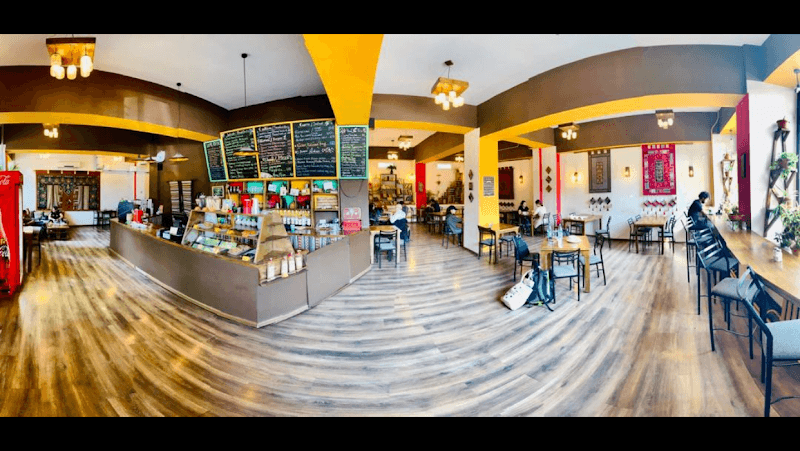
7 Days in Osh: Mountains, Mosques, Markets, and Slow Discovery
Week · $$$
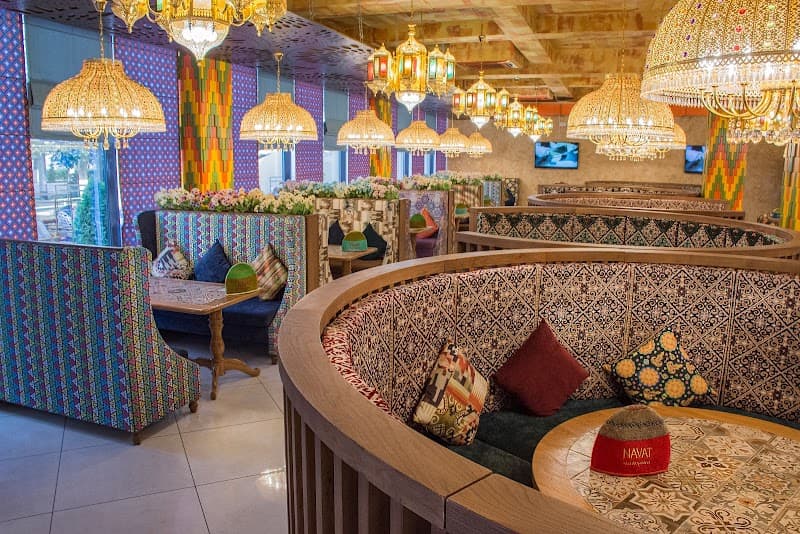
Three Easy Days in Osh: Mountains, Bazaars, and Sacred Hills
Weekend · $$$
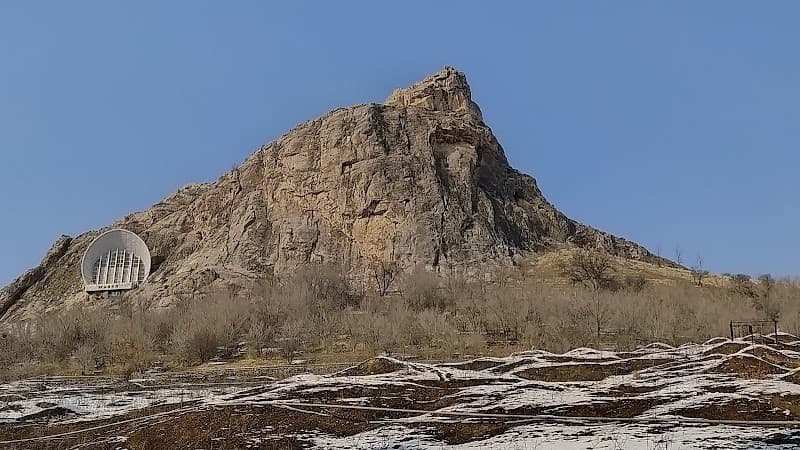
Osh in 3 Days: Mountains, Markets, and Silk-Road Calm
Day Trip · $$$
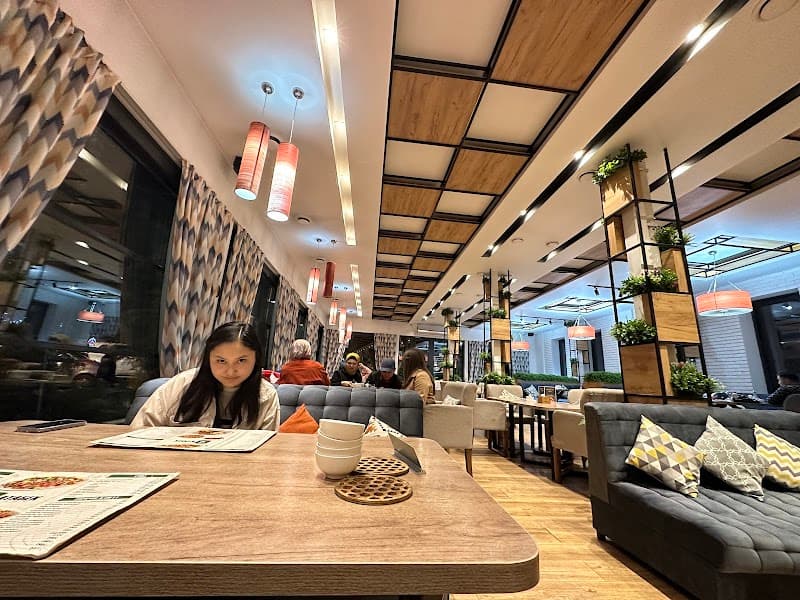
Romantic Osh & Alay: Wild Valleys and Silk Road Skies
Week · $$$
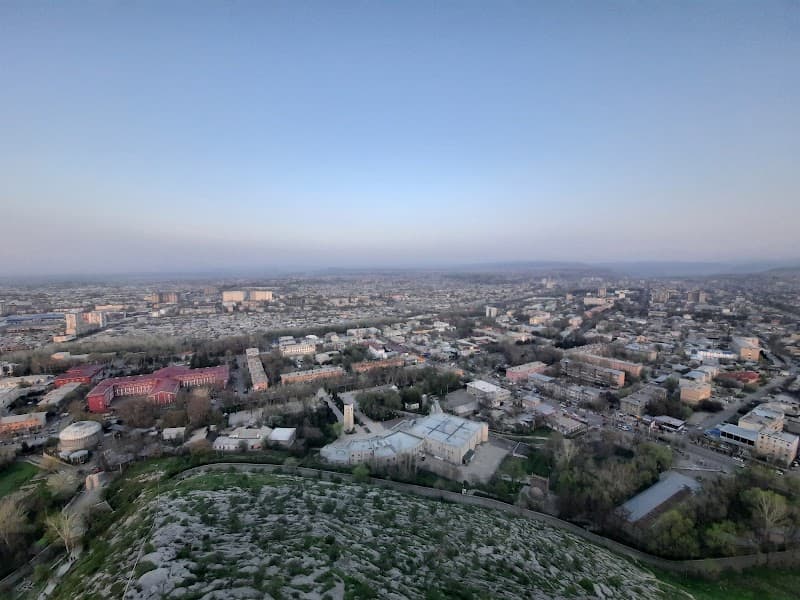
Wild Valleys & Sacred Hills: A Romantic Osh Escape
Weekend · $$$
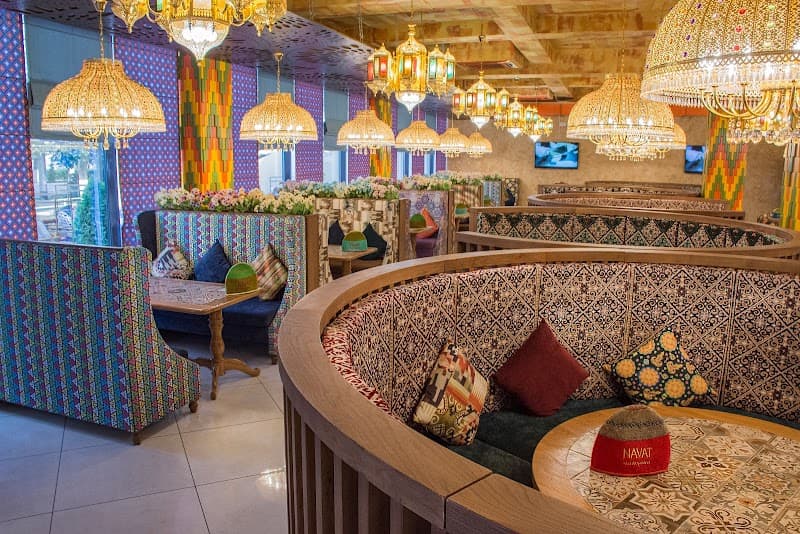
Osh in Three Days: Garden Hills, Bazaar Colors, and Sunset Romance
Day Trip · $$$
Things to Do in Osh
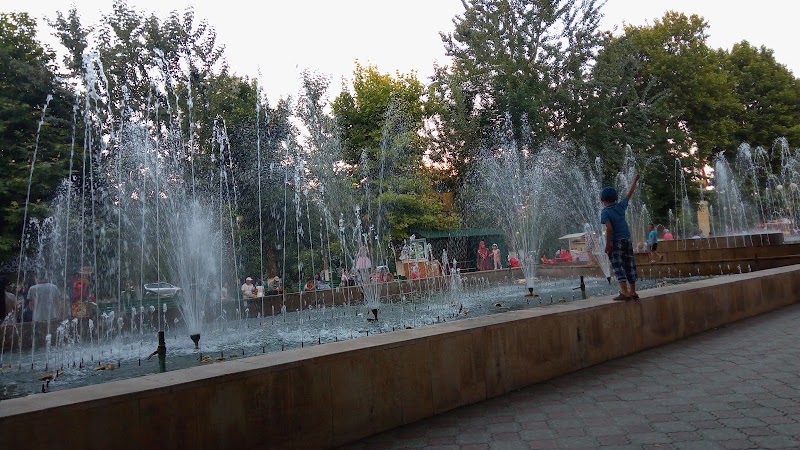
Osh City Park & Ak-Buura Riverside Walk
Ak-Buura Riverside · 120 min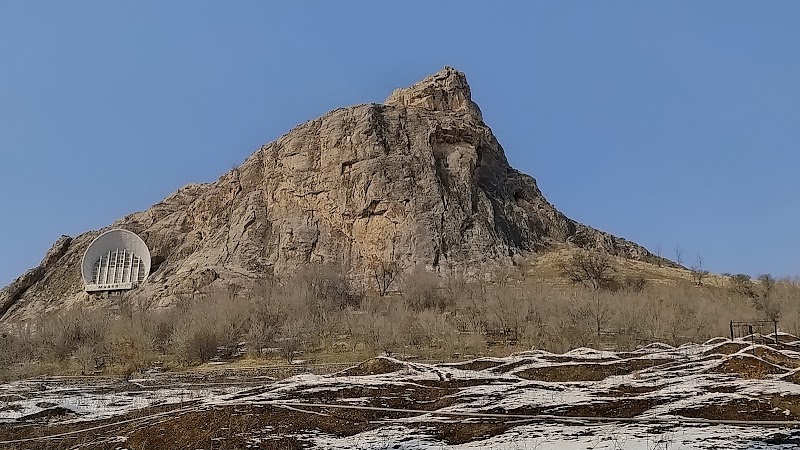
Evening Suleiman-Too Sunset Climb
Suleiman-Too Area · 120 min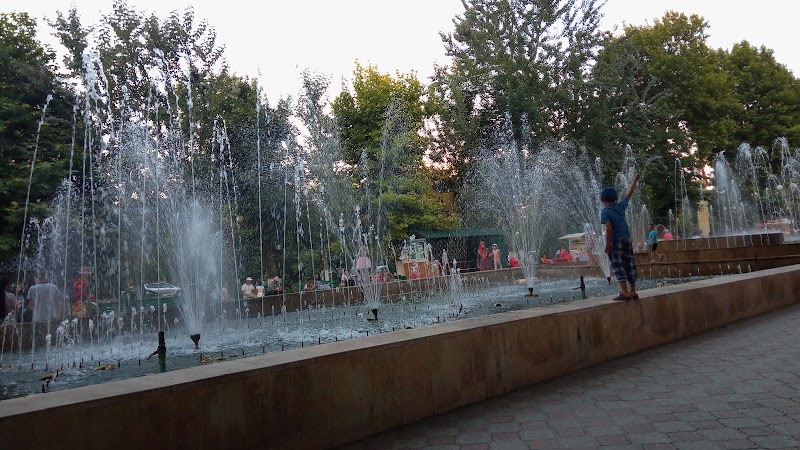
Ak-Buura Riverside Park Walk
City Center / Ak-Buura Riverside · 60 minMoney-Saving Tips
- 1.Bring US dollars in crisp, new bills - som exchange rates are better for perfect currency
- 2.Jayma Bazaar vendors expect haggling, start at 30% of the asking price for souvenirs
- 3.Guesthouses often give discounts for stays longer than 3 nights - just ask
- 4.Shared taxis cost half the price of private ones - wait for them to fill up
- 5.ATMs charge hefty fees, withdraw larger amounts less frequently
- 6.Local SIM cards cost 100 som and include 5GB data - way cheaper than roaming
- 7.Teahouses serve free bread with every meal, fill up on it to stretch your budget
- 8.Sunday morning plov at the bazaar costs 60 som and feeds you until dinner
Travel Tips
- •Download offline maps - GPS works but data can be spotty in the mountains
- •Learn basic Russian phrases, English speakers are rare outside tourist spots
- •Sulaiman-Too closes at sunset, climb early morning for the best photos
- •Dress modestly especially when visiting religious sites - cover shoulders and knees
- •Carry toilet paper everywhere, public restrooms rarely provide it
- •The bazaar gets crazy busy on Sundays, go early morning to avoid crowds
- •Register with police within 3 days of arrival if staying longer than 5 days
- •Altitude is 1000m above sea level, drink extra water your first few days