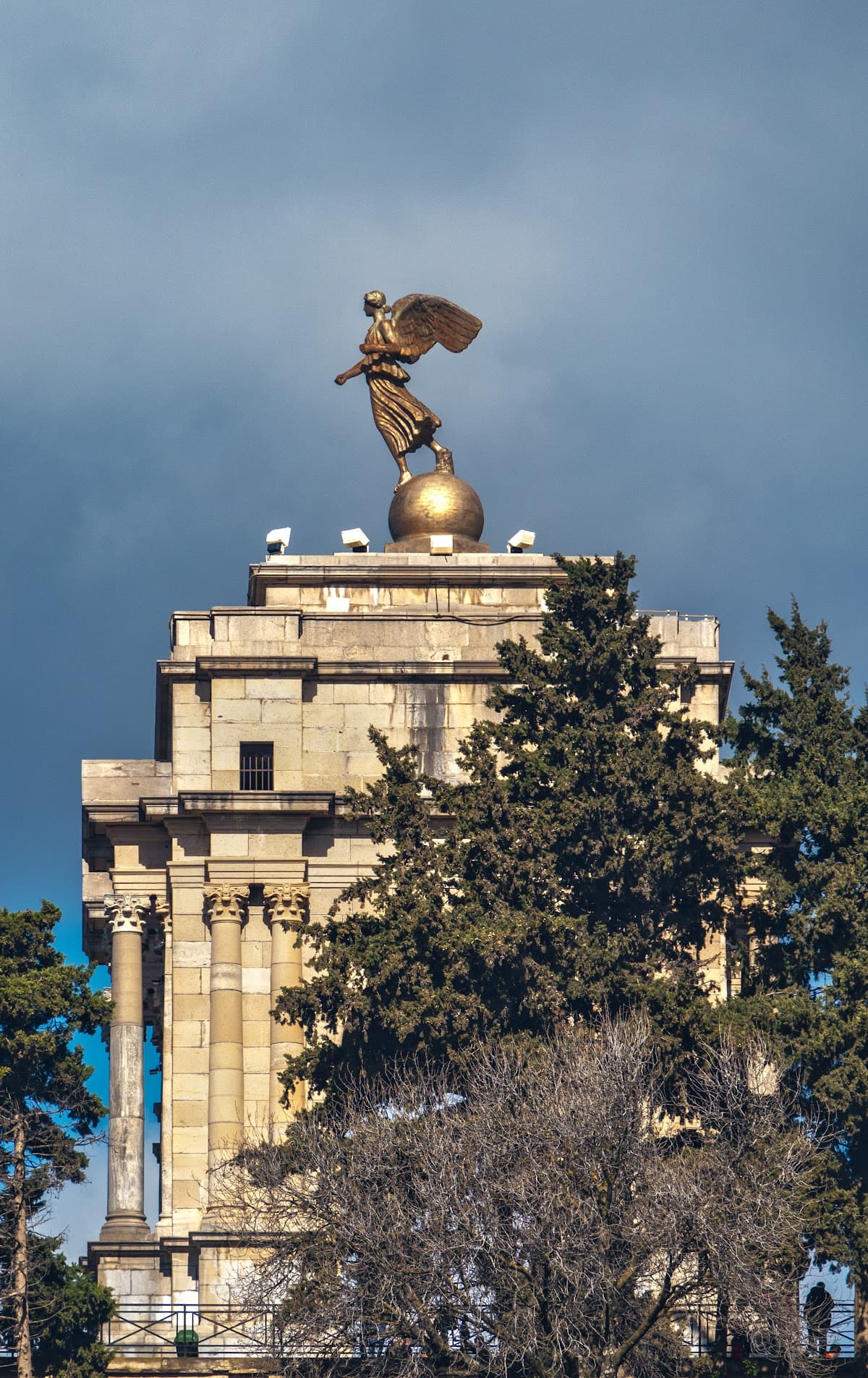
Constantine
Algeria's dramatic city of bridges and ancient wonders
Constantine hangs impossibly over the Rhumel River gorge, connected by bridges that make your stomach drop just looking at them. This isn't your typical North African city. Built on Roman foundations with Ottoman flourishes, Constantine feels like it was designed by architects who never heard the word "impossible." The Sidi M'Cid Bridge stretches 164 meters above the canyon floor, while ancient Cirta's ruins peek through modern neighborhoods. You'll climb steep streets past mint tea vendors and stumble into courtyards that have watched empires rise and fall. But here's the thing - Constantine doesn't try to impress tourists. It just exists, dramatically and unapologetically, waiting for travelers curious enough to venture beyond Morocco's well-worn paths.
Best Months
MAR · APR · MAY · SEP · OCT · NOV
~23°C · moderate crowds
Culture & Context
EIGHT BRIDGES, LAYERED HISTORY
Constantine has been a city since at least 600 BC, going by the Berber name Cirta before Romans renamed it in 313 AD to honor Emperor Constantine the Great. It sits on a limestone plateau carved apart by the Rhumel River gorge, which means the city is literally split in two and connected by eight bridges. That geography shapes everything here.
You're always either climbing or descending. In 2015 it was named Arab Capital of Culture. The city carries layers of Numidian, Roman, Arab, Ottoman, and French colonial history without trying very hard to show off about it.
The Emir Abdelkader Mosque, built in 1994, holds 15,000 worshipers and its 107-meter minarets are visible from most of the city. Algeria is overwhelmingly Sunni Muslim, and daily rhythms follow prayer times. During Ramadan, restaurants close in daylight hours, businesses run reduced hours, and the city comes alive after sunset.
Constantine is considered the capital of eastern Algeria and its third-largest city, with about 465,000 people in the city proper.
Local Customs
RIGHT HAND, RESPECT ALWAYS
Always use your right hand when eating, accepting food or drink, or handing something to someone. The left hand is considered unclean — a shopkeeper won't say anything, but they'll notice.. Greet with 'As-salamu alaykum' when entering a shop or meeting someone.
It costs nothing and earns immediate goodwill. Wait for the response 'Wa alaykum as-salam' before jumping into your request.. Men greeting each other may hold hands while walking — this is camaraderie, not romance.
Don't flinch. Go with it.. When greeting an older man, use the title 'Sidi' before his name as a mark of respect.
For older women, 'Lalla' serves the same purpose.. During Ramadan, avoid eating, drinking, or smoking in public during daylight hours. This applies to non-Muslims too.
Restaurants that do serve tourists will usually be discreet about it.. Dress modestly. Women should cover shoulders and knees.
Men avoid shorts in public spaces. This is especially important near mosques and in the medina.. Lunch is the main meal, usually 12:30–3 pm.
Many shops close. Don't expect to accomplish much during this window. Dinner runs late — 8 to 10 pm is normal, sometimes 11 pm..
Tipping around 10% is appreciated in restaurants and for guides. Not mandatory but welcome.. Remove shoes before entering a private home or mosque prayer areas..
Avoid discussing domestic politics or criticizing Algeria. Football, food, local history, and travel are all safe and enthusiastically welcomed conversation topics.
Safety
SAFE URBAN CORE
Constantine is considered reasonably safe within its central areas. The downtown core around Place des Martyrs is safe for solo travelers, including at night. Standard city precautions apply: don't flash expensive gear in the medina, watch for pickpockets in crowded markets, and avoid isolated areas after dark.
Women traveling solo should dress modestly to reduce unwanted attention. The U.S.
State Department flags eastern and southern Algeria borders (within 50 km of Tunisia, 250 km of Libya/Niger/Mali/Mauritania borders) as Level 4 Do Not Travel — these are remote border zones, not the city of Constantine itself. Active terrorist groups like AQIM generally target government and military interests in remote mountainous areas, not urban tourists. Constantine sits well within the safe urban zone.
That said, if you plan day trips, stick to guided tours with reputable local operators and travel by air or major highways when possible. Keep the local police informed if visiting sites outside the city. Healthcare in Constantine is adequate for emergencies — public hospitals exist, private clinics offer better service at higher cost.
Getting Around
HILLS, TAXIS, TRAMS
Mohamed Boudiaf Airport (CZL) is 9–12 km south of center. Shared taxis from the airport are cheap — agree the fare before you get in. The tram runs from the university area to the stadium but doesn't reach the historic core, so it's mostly useful for specific errands.
Cream-colored petit taxis are metered and widely available; the meter flag signals availability. Fares are very low by any Western standard, slightly higher after 9 pm. For intercity travel, buses from Algiers take about 5 hours and arrive at the Gare Routière Ouest.
Buses from Sétif (2 hours) also use this station. Batna-direction buses arrive at the separate Gare Routière Est. The train station is central and connects to multiple Algerian cities.
Note: Constantine has seven bridges, meaning you're constantly climbing or descending — your calf muscles will know about it by day two. Budget extra walking time; "five minutes away" rarely means five minutes on these hills. Algiers is 318 km away by road (roughly 400 km actual road distance).
Skikda port, 80 km away, connects to Marseille for those arriving by sea.
Useful Phrases
Itineraries coming soon
We're working on adding amazing itineraries for Constantine. In the meantime, try the app to create your own!
Money-Saving Tips
- 1.Negotiate taxi fares before getting in - meters aren't always used
- 2.Bring cash in dinars - credit cards work only at major hotels
- 3.Street food costs 50-100 dinars, restaurant meals 300-600 dinars
- 4.Museum entrance fees rarely exceed 100 dinars
- 5.Tipping 10% is standard at restaurants, round up for taxis
- 6.Buy a rechargeable tram card for multiple rides - saves time and money
Travel Tips
- •Learn basic French phrases - English isn't widely spoken
- •Dress conservatively, especially when visiting mosques
- •Friday afternoons see many attractions closed for prayers
- •Carry tissues - public restrooms often lack toilet paper
- •Download offline maps before arriving - internet can be spotty
- •Respect photography restrictions near government buildings
- •Bring comfortable walking shoes for steep Casbah streets
- •Exchange money at banks for better rates than hotels