Mobile
Alabama's historic port city with antebellum charm
Mobile doesn't shout for attention like New Orleans, but that's exactly why you should go. This Gulf Coast port city invented Mardi Gras in America, built some of the South's most stunning antebellum mansions, and serves up killer seafood without the tourist markup. You'll walk oak-lined streets where Spanish moss drapes like curtains, explore a downtown that feels authentically lived-in rather than preserved for show, and eat at family-run restaurants that have been perfecting their recipes for generations. Mobile moves at its own pace – slower than Atlanta, more genuine than Charleston – and that's precisely its appeal.
Best Months
MAR · APR · MAY · OCT · NOV
~26°C · moderate crowds
Culture & Context
MARDI GRAS CAME FIRST
Mobile calls itself the Azalea City, and locals will remind you — politely but firmly — that it's pronounced "Mo-BEEL," not MOH-bile. It's the oldest city in Alabama and the birthplace of American Mardi Gras, a fact Mobilians take very seriously. New Orleans gets the fame.
Mobile had the party first, back in 1703. That historical chip on the shoulder is real, and it's part of what makes the city interesting. The port has always defined the economy and identity here.
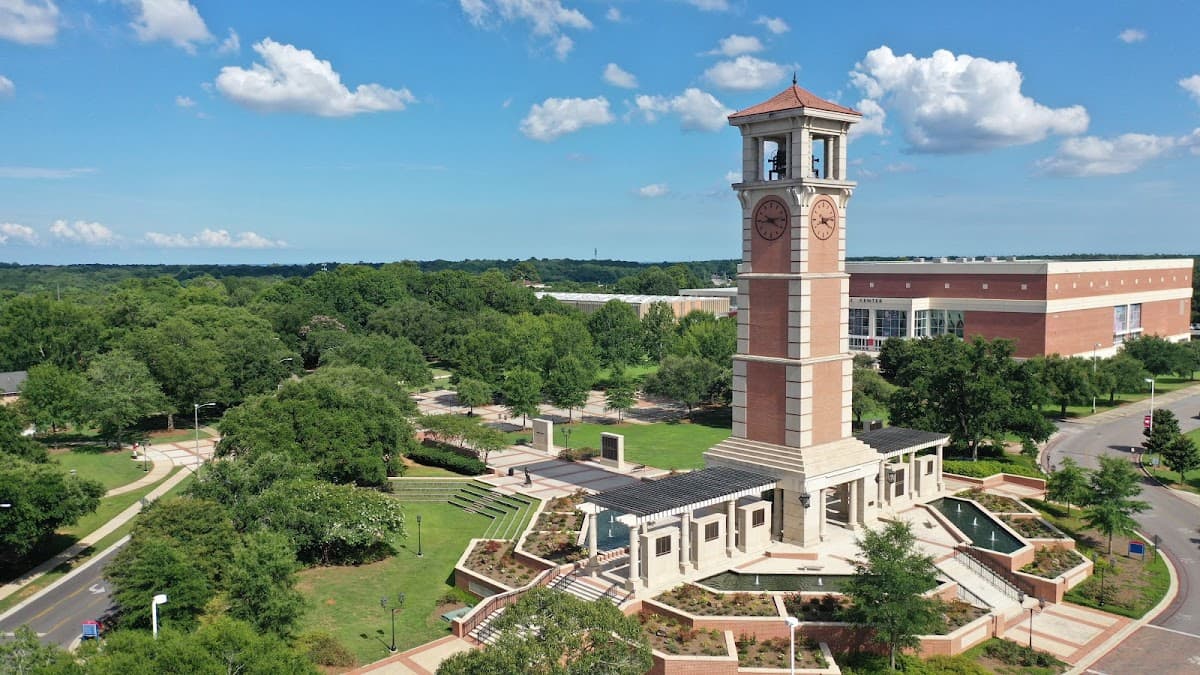
Shipbuilding, Airbus manufacturing, and the deep-water port still drive the city. The University of South Alabama brings younger energy to pockets of town. Football allegiances run deep — you'll be asked whether you're a Crimson Tide or an Auburn fan before anyone asks where you're from.
The answer determines a lot about how the next conversation goes. August is brutal. Hot, humid, and oppressive.
Hurricane season runs June through November, and locals take it seriously. The city has a diverse cultural makeup, with African American history woven deeply into its identity — Africatown, the final destination of the last slave ship to reach America (the Clotilda), sits just north of downtown and is a place of genuine historical weight.
Local Customs
MO-BEEL, NOT MOH-BILE
Pronounce the city 'Mo-BEEL' — locals notice immediately if you don't.. MoonPies are the parade throw of choice here, not just beads. Catch them, eat them, keep them — they're a genuine local symbol..
Mardi Gras is not just a weekend here. It's a weeks-long season with parade schedules people follow religiously. Locals plan their entire late January and February around it..
Football allegiance is the first social sorting mechanism. Alabama (Roll Tide) and Auburn (War Eagle) are the two camps. Pick carefully or stay neutral..
Sweet tea is the default drink. If you want unsweetened, say it clearly. Ordering just 'tea' will get you sweet tea every time..
Calling any carbonated drink a 'Coke' regardless of brand is standard. 'What kind of Coke do you want?' is a real question meaning 'what soda would you like?
'. Saying 'fixin' to' means you're about to do something. 'I'm fixin' to head downtown' is perfectly normal speech..
'Bless your heart' sounds kind but often isn't. Context matters. A lot..
Locals refer to the University of South Alabama as 'South' — not USA, not South Alabama.. Hurricane season prep is taken seriously. Locals track storms carefully between June and November.
Don't dismiss it as paranoia.
Safety
DOWNTOWN FINE, AVOID REST
Mobile has real crime numbers that you shouldn't ignore. The city ranks in the 20th percentile for US safety — meaning it's safer than only about 20% of American cities. Violent crime runs about twice the national average when you look at the raw daily rates.
That said, tourist areas are a different story. Downtown Dauphin Street, the Battleship Memorial Park, Bellingrath Gardens, and the historic districts are generally fine during the day and early evening. Where things get dicier: neighborhoods around Airport Boulevard and Government Boulevard have higher theft and property crime.
Parts of north and west Spring Hill Avenue near Prichard carry elevated risk. The neighborhoods of Toulminville and Maysville are best avoided, especially after dark. The safest parts of the city are the southwest neighborhoods — Autumndale, Dawes, and Pierce Creek — and West Mobile generally.
Practical tips: use Uber or Lyft at night rather than walking alone. Keep your car locked and don't leave anything visible inside. During Mardi Gras, crowded parade routes attract pickpockets, so keep bags close.
The city's Alert Mobile system sends emergency notifications via text, email, and voice for weather events and other emergencies — worth signing up for if you're staying more than a few days. Hurricane season runs June through November. Mobile Bay flooding during major storms is a real concern, especially on the Causeway.
Getting Around
CAR REQUIRED, TRANSIT STRUGGLING
Look, Mobile is a car city. Full stop. You will struggle without one.
The public bus system (WAVE Transit) exists, but even a local city councilman admitted in 2025 that getting across town could take nearly two hours by bus. The city is in the middle of a major overhaul — a five-year deal with Via Transit is underway to modernize the system with app-based on-demand rides, reorganized fixed routes, and paratransit. Big changes are coming, but right now the system is in transition.
For budget transit, MoGo (a microtransit service) covers some areas for just $1.25 a ride. Lyft and Uber work well throughout the city.
Downtown has a free MODA! circulator that loops past 20 stops, running Monday through Friday, 7 a.m.
to 3 p.m. — useful if you're based downtown.
Parking downtown costs $1/hour at meters, with some free street parking available (2-hour limit). The city is served by I-10, I-65, and I-165, making it easy to drive in from surrounding areas. Mobile Regional Airport (MOB) is about 12 miles west of downtown.
Dauphin Island is a 35-minute drive south for beach access.
Useful Phrases
Itineraries coming soon
We're working on adding amazing itineraries for Mobile. In the meantime, try the app to create your own!
Money-Saving Tips
- 1.Visit during summer for the cheapest hotel rates, despite the heat and humidity
- 2.Street parking downtown is free after 5pm and all weekend
- 3.Many historic house tours offer combo tickets that save $5-10 per person
- 4.The Wave Transit bus system costs just $1 per ride anywhere in the city
- 5.Local seafood restaurants offer early bird specials before 6pm
- 6.Mardi Gras parades are completely free to watch from the street
- 7.Pack a cooler for day trips to Gulf Shores beaches to avoid expensive beachfront dining
- 8.The free downtown trolley runs during tourist season between major attractions
- 9.Happy hour specials at Dauphin Street bars typically run 4-7pm with half-price drinks
Travel Tips
- •Download the Mobile Bay app for self-guided historic district walking tours
- •Bring bug spray year-round – mosquitoes thrive in the humid Gulf Coast climate
- •Many restaurants close on Sundays, so check hours before making dinner plans
- •Book accommodations 6+ months ahead for Mardi Gras season (January-March)
- •The Historic Districts are best explored on foot – wear comfortable walking shoes
- •Hurricane season runs June-November, so check weather forecasts before traveling
- •Cash is preferred at some local seafood joints and dive bars
- •Afternoon thunderstorms are common in summer – plan indoor backup activities
- •Spanish moss looks beautiful but can irritate skin, so don't touch it directly
Frequently Asked Questions
Explore Mobile
BUILD YOUR MOBILE PLAN
Insider picks, smart timing, and a plan ready when you are.