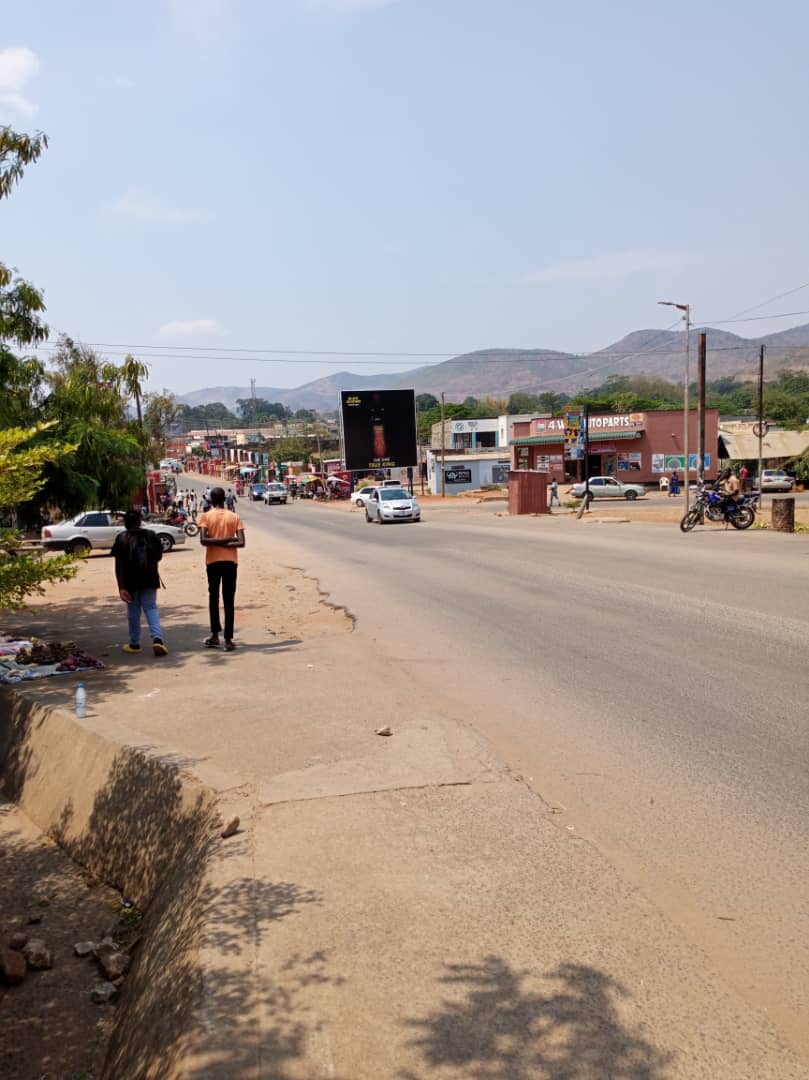
Chipata
Gateway to Zambia's wild eastern frontier adventures
Most travelers rush past Chipata on their way to South Luangwa National Park. Big mistake. This dusty frontier town sits right on Zambia's eastern border with Malawi, and it's where real Africa begins. The streets buzz with traders hauling goods between countries, minibuses packed with locals, and the occasional safari vehicle heading to one of the world's best wildlife parks just two hours south. Sure, it's not pretty in the conventional sense. But Chipata offers something rare: an authentic slice of African life without the tourist veneer. Plus, it's your cheapest gateway to some of the continent's most incredible wildlife experiences.
Best Months
MAY – OCT
Culture & Context
CROSSROADS OF THREE NATIONS
Chipata is Zambia's fifth city, declared official city status in 2017, and it carries the weight of that ambition everywhere you look. Sit at the city's crossroads and you're effectively sitting between three countries. Lusaka is 570 km to the west, Lilongwe (Malawi) is 150 km to the east, and the cultural pull of Mozambique drifts in through the Ngoni people's migration history.
The city's very name comes from the Chewa word "Chimpata," meaning "large space," a reference to its shallow valley setting between hills. And the central neighborhood, Kapata, means "small space" in the same language. That contrast — big ambitions in a compact, human-scaled city — pretty much sums the place up.
The Ngoni are the dominant ethnic group here, but because they historically adopted the languages of tribes they encountered during their southward migration from Zulu territory, you'll actually hear Chewa and Nyanja far more than Ngoni itself. English works everywhere in formal settings. Walk into the Down Shops district and you're in a different world entirely — Indian-owned trading businesses that have operated for generations, selling everything from textiles to hardware.
The colonial past is still visible in the architecture, and the Fort Jameson Museum (the city was formerly called Fort Jameson) makes a decent half-hour detour if you want historical context without a three-hour commitment.
Local Customs
GREET BEFORE ASKING
Always greet before making any request — skipping a greeting at a market stall or asking for a price without saying hello first is considered rude, even by strangers. Start every interaction with Muli bwanji? and you'll be fine..
Handshakes are the standard greeting. Hold the right forearm with the left hand while shaking — this is a sign of respect and warmth that locals appreciate from visitors who bother to learn it.. Mealtimes are communal.
If a family invites you to eat with them, say yes. Turning it down is awkward. Nshima is eaten with your hands from a shared bowl, and it's perfectly normal to dig in..
Ask before pointing a camera at anyone. This applies especially at the Central Market and during traditional ceremonies. A smile and the word chonde (please) usually gets you a yes, but you need to ask..
Dress modestly outside of lodges and hotels, especially in residential areas and around traditional ceremony venues. It's not a strict rule, but it visibly matters to people.. During the N'cwala ceremony, observe rather than participate unless invited.
The ceremony involves sacred rituals including the sacrifice of a black bull. It's genuinely moving, not a performance for tourists.. Load-shedding (power cuts) is a reality of daily life in Zambia.
Locals take it in stride. Have a backup battery for your phone and don't complain loudly — it comes across badly.
Safety
WATCH YOUR BELONGINGS
Chipata is generally considered safe by Zambian standards — backpackers move around here without serious incidents most of the time. But a few things are worth knowing. The Central Market and bus station areas attract pickpockets, so keep your phone in a front pocket and don't flash expensive gear.
Avoid walking alone in poorly lit areas at night, particularly near the downtown commercial zone. The blue taxis are fine for getting around after dark. Petty theft — unattended bags, phones left on tables — is the most commonly reported issue, not violent crime.
At the Malawi border (22km east), the crossing itself is straightforward, but change money inside official bureaux de change rather than with street touts who will shortchange you. For wildlife day trips to South Luangwa, always go with a registered guide or tour operator. The tourism industry in Zambia is inconsistently regulated and safety signage isn't always reliable.
Also worth noting: Zambia's 2025 Cyber Security and Cyber Crimes Acts grant authorities broad surveillance powers, and digital rights organizations have raised concerns about their scope. For most visitors, this is background context, not a day-to-day concern, but be aware of what you post publicly about Zambian politics while in-country.
Getting Around
BLUE TAXIS & BUSES
Getting to Chipata takes some commitment. The Great East Road from Lusaka is 570km of mostly tarmac, running through decent-enough scenery, but expect 6-7 hours by bus or shared transport. Buses from Lusaka run to Chipata Bus Station; from there, blue taxis cover the rest.
Budget $84-122 for the full journey by road. The nearest airport is Mfuwe (about 87km away), which has connecting flights from Lusaka — useful if you're combining Chipata with a South Luangwa safari. There is also a rail link to Malawi via Mchinji, opened in 2011, which connects to the Nacala port corridor through Mozambique, though passenger services on this line are limited.
Within town, blue taxis are everywhere and there are no meters — agree on a price before you get in, and expect to pay K10,000-20,000 for most town trips. Bicycle hire runs K2,000 for the whole day, which is actually a very practical option since the city is relatively flat. For South Luangwa, shared taxis depart from the bus station area when full (K150, 2-3 hours).
The Malawi border at Mwami is 22km east — shared taxis run for K50 and take 30-40 minutes. Roads in the surrounding areas can get rough, especially during the wet season (November to March). If you're renting a vehicle for rural exploration, go 4WD.
Useful Phrases
Money-Saving Tips
- 1.Negotiate taxi fares before getting in - locals pay half what tourists are initially quoted
- 2.Stock up on supplies at Shoprite before heading to safari camps where everything costs triple
- 3.Change money at banks rather than street vendors for better rates and security
- 4.Local minibuses cost 5 kwacha versus 50-100 kwacha for taxis covering the same distance
- 5.Buy fresh produce at the main market early morning for the best selection and prices
- 6.Group bookings for South Luangwa day trips often get 20% discounts
- 7.Camping at Mama Rula's costs $15 per person versus $40 for a room
- 8.Eating nshima at local joints costs under $2 compared to $15 hotel meals
Travel Tips
- •Bring cash - ATMs are unreliable and many places don't accept cards
- •Pack anti-malarial medication and insect repellent for the rainy season
- •Download offline maps as mobile data can be patchy outside town
- •Learn basic Nyanja phrases - locals appreciate the effort and open up more
- •Carry a good flashlight as power outages happen regularly
- •Book South Luangwa accommodation well ahead during peak season (July-October)
- •Respect photography rules - always ask before taking photos of people
- •Keep your yellow fever certificate handy if arriving from certain countries