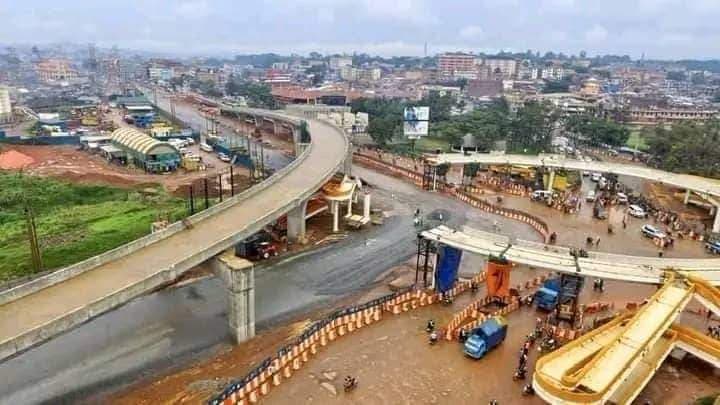
Kampala
Uganda's vibrant capital where culture and nature converge
Kampala hits different. This isn't your typical East African capital – it's rawer, more authentic, and way more fun than most travelers expect. Built across seven hills like Rome, Uganda's largest city pulses with live music spilling from rooftop bars, the aroma of street-side rolex wraps, and conversations in a dozen languages. The city serves as your gateway to gorilla trekking and safari adventures, but don't rush through. Kampala rewards those who stick around to explore its markets, sample its legendary nightlife, and connect with some of the friendliest people on the continent.
Best Months
JAN · FEB · JUN · JUL · AUG · DEC
~26°C · high crowds
Culture & Context
BUGANDA KINGDOM ALIVE
Kampala sits inside the Buganda Kingdom, and this isn't just historical background. It's alive. The Kabaka (king) of Buganda is a real political and cultural force, his palace sits on Mengo Hill, and the Kasubi Royal Tombs on Kasubi Hill are an active religious site, not a museum.
When you visit, you're stepping into something that still matters deeply to people. The city takes its name from "Hill of the Impala" in Luganda, built across seven hills like Rome. Kampalans will remind you of that comparison with a grin.
Luganda is the language of the streets, taxis, markets, and music. English is official and widely spoken, but Luganda is what you hear. Swahili also circulates, borrowed from coastal East Africa.
The social fabric here is warm, gregarious, and deeply communal. Ugandans love socializing, music, food, and a good night out. The nightlife genuinely rivals Nairobi's, at a fraction of the price.
But the city requires alertness. Traffic is relentless, roads in the center are congested most of the day, and getting from one neighborhood to another during rush hour is a genuine commitment. Power outages still happen, which is why backup generators are a major selling point for apartments and hotels.
The 2023 Anti-Homosexuality Act is in effect and actively enforced, criminalizing same-sex relations with severe penalties including life imprisonment in some cases. LGBTQ+ travelers face serious legal risk and should be aware of this before visiting.
Local Customs
GREET FIRST, ALWAYS
Greetings come before everything else. Jumping straight into a question without saying hello first is considered rude. Even a quick 'Oli otya?
' before asking for directions changes how people respond to you.. Use 'ssebo' (sir) and 'nnyabo' (madam) when addressing people in formal contexts or with elders. It signals respect and goes a long way..
At Kasubi Royal Tombs, women are expected to wear long skirts. Traditional skirts are available at the entrance if you don't have one. This is an active religious site, not just a tourist attraction..
At the Uganda National Mosque, remove shoes before entering. Non-Muslims are welcome during non-prayer times. The minaret climb is worth every step for the city views..
Do not photograph military installations, government buildings, or security personnel. This applies strictly and can result in your camera or phone being confiscated.. Boda-boda (motorcycle taxi) culture: always agree on a price before you get on, and if you're using an app like SafeBoda or Bolt, stick to it.
Random roadside bodas carry more risk.. Mobile money (MTN MoMo or Airtel Money) is how a huge portion of transactions happen. Have some cash on you anyway, but expect vendors and services to prefer mobile money..
Avoid political gatherings and demonstrations. They can turn unpredictably, and security responses have included tear gas and rubber bullets.. In markets, some bargaining is expected on craft items, but grocery and food stall prices are generally fixed.
Don't over-negotiate on small amounts.. The word 'mzungu' (foreigner, often referring to white people) is not an insult. It will be called out at you, often by children, and it's meant in a matter-of-fact or friendly way.
Safety
URBAN ALERTNESS REQUIRED
Kampala is manageable with consistent urban awareness, but it is not a city that forgives carelessness. Petty theft, phone snatching, and pickpocketing happen in crowded areas like the Old Taxi Park, Owino Market, and busy streets around Nakasero. Keep your phone in your pocket, not in your hand, when walking through congested areas.
After dark, use arranged transport: Bolt, SafeBoda, or a hotel-arranged car. Walking alone at night is not recommended in most neighborhoods. Boda-bodas carry real accident risk.
If you use them, agree on a price first and consider helmet use (not always offered, sometimes not available). Foreign government advisories (UK FCDO, US State Department) flag ongoing terrorism risk, demonstrations, and road accident risk. Demonstrations can turn without warning.
Security services have used force to disperse crowds. Stay away from political gatherings. Do not photograph government buildings, military installations, or security personnel at any time.
The 2023 Anti-Homosexuality Act criminalizes same-sex relations with severe penalties, including life imprisonment for certain charges. The law applies to visitors. LGBTQ+ travelers face serious legal risk and should research this thoroughly before deciding to visit.
Medical care in emergencies: Nakasero Hospital, International Hospital Kampala (IHK), and Case Hospital are the recommended facilities. A private doctor consultation runs $20-55 USD. Medical evacuation insurance is strongly advised.
Getting Around
BOLT & BODA TAXIS
Getting there: Entebbe International Airport (EBB) is the main gateway, about 40km southwest of the city. The official airport taxi fare is $40 (UGX 100,000). Hotel transfers are often included in accommodation bookings.
Bolt and Uber work for the airport run too, usually cheaper. Budget 1 to 1.5 hours for the drive depending on traffic.
Getting around: Kampala has no metro, no tram, no passenger rail for tourists. Everything runs on shared minibus taxis, boda-bodas (motorcycle taxis), and special-hire cars. The Old Taxi Park in central Kampala is the main hub for minibus taxis.
Fares are cheap but routes require some local knowledge. For visitors, Bolt and SafeBoda (an app-based boda service with helmets) are the practical options. SafeBoda is particularly recommended for boda rides as it gives you a traceable, rated driver.
One firm warning from a seasoned traveler on Expedia: 'Do not drive yourself. No stop signs, no traffic lights. There is a very definite set of informal rules of the road.
' That holds true in 2026. Driving as a visitor in Kampala is genuinely stressful and carries real accident risk. Traffic congestion remains a persistent challenge with no meaningful improvement, and peak-hour crossings can easily add an hour or more to any journey.
The Entebbe Express Highway is the fastest road for the airport run. For internal Uganda travel, buses connect Kampala to Jinja (1.5 hours), Masaka, and Gulu, among others.
Useful Phrases
Money-Saving Tips
- 1.ATMs in Kampala often run out of cash on weekends – withdraw money on weekdays when possible
- 2.Negotiate boda boda prices before getting on – locals pay 2,000-3,000 shillings for short rides
- 3.Buy a local SIM card at the airport for 5,000 shillings – data is cheap and coverage is decent
- 4.Street food costs 1,000-3,000 shillings per meal, while restaurant meals run 15,000-40,000 shillings
- 5.Many places accept US dollars but give change in shillings at poor exchange rates – use local currency
- 6.Tipping isn't expected at local restaurants but 10% is appreciated at upscale places
- 7.Bargaining is normal at markets – start at half the quoted price and work up
Travel Tips
- •Download offline maps – GPS can be unreliable in some neighborhoods and data coverage varies
- •Pack a light rain jacket year-round – afternoon thunderstorms hit quickly and hard
- •Bring hand sanitizer and tissues – public restrooms are rare and often lack basic supplies
- •Yellow fever vaccination is required for entry – get it at least 10 days before travel
- •Keep copies of your passport and visa separate from originals – police checkpoints are common
- •Learn basic Luganda greetings – locals appreciate the effort even if you switch to English
- •Carry small bills – many vendors can't make change for large notes
- •Book accommodation in advance during December and July – these are peak travel months