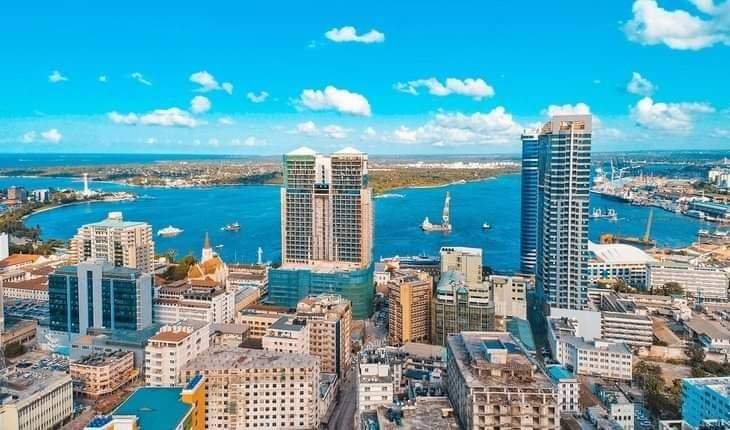
Dar es Salaam
Tanzania's bustling Swahili coast commercial and cultural hub
Dar es Salaam sprawls along Tanzania's Indian Ocean coast like a city that can't decide what it wants to be. One minute you're dodging bajaj three-wheelers in Kariakoo Market's maze of spice vendors. The next, you're sipping cocktails at the Slipway waterfront watching dhows drift past. This is East Africa's economic powerhouse wrapped in Swahili culture, where glass towers rise behind crumbling German colonial buildings and the call to prayer mingles with Bongo Flava beats from street-side bars.
Best Months
JUN – OCT
~29°C · high crowds
Culture & Context
Dar es Salaam — the name translates as 'Haven of Peace' from Arabic — sits at the crossroads of a dozen cultures.
Arab traders, Indian merchants, German and British colonists, and over 120 ethnic groups have all left marks on the city's architecture, food, language, and daily rhythms. The result is a place that feels genuinely unlike anywhere else: Swahili pop (Bongo Flava) blasting from dala-dalas, the call to prayer echoing over German-built Gothic cathedrals, biryani sold beside ugali and nyama choma.
It lost its official capital status to Dodoma back in 1973, but Dar remains Tanzania's commercial engine, main port, and cultural center by every practical measure. The city has over 7 million residents and is one of Africa's fastest-growing urban areas. Tanzania's economy has expanded at roughly 5.5% annually for the past decade, with gold exports alone accounting for about 35% of total export value.
Politically, 2026 opens against a complicated backdrop. The October 2025 elections triggered civil unrest and violent demonstrations throughout the city. Security forces maintain a visible street presence. Internet disruptions, including social media blackouts, have occurred. Political sensitivity is real and foreigners should steer clear of protests and avoid any content on their devices that could be interpreted as critical of the government.
Despite all that, Tanzanians have a well-earned reputation for warmth. The effort to speak even a few words of Swahili is rewarded with genuine delight — 'woow you speak really good Swahili!' is something you'll hear after just 'Jambo' and 'Asante'. The city moves at a pace it sets for itself. Fighting it is futile. Going with it is one of the better things about being here.
Local Customs
Greetings are non-negotiable.
Never jump into a transaction, question, or conversation without greeting first. Skipping 'Jambo' or 'Habari' is considered rude — even a brief hello goes a long way..
Use 'Shikamoo' with elders and officials. It signals respect and cultural awareness and will immediately earn you goodwill far beyond what English-only tourists receive.. Bargaining is expected in markets like Kariakoo.
The first price quoted to a visible tourist is rarely the real price. Negotiate calmly, with smiles — walking away slowly often prompts a better offer.. Dress modestly, especially near mosques, churches, and in local neighborhoods away from tourist/beach areas.
Cover shoulders and knees. Beachwear stays at the beach.. Homosexuality is illegal in Tanzania.
Public displays of affection — even between heterosexual couples — should be discreet. LGBTQ+ travelers are specifically flagged in current US State Department advisories.. Do not photograph government buildings, military installations, or the port without permission.
Tanzanian law is strict on this. Always ask before photographing individuals.. Mobile money (M-Pesa and similar services) is the dominant payment method for locals.
Many small vendors and services don't accept cards. Keep local cash on hand.. Time works differently here.
'Swahili time' starts at sunrise (6 AM Western time = 12 in Swahili time). Schedules are elastic. Build in buffer time for everything..
Food etiquette: eat with your right hand if eating traditionally. Sharing food is common and hospitality around meals is central to Tanzanian culture. Accepting offered food or tea is polite..
Tanzania is a majority-Muslim country on the coast with significant Christian communities inland. Respect prayer times — particularly Friday prayers — near mosques in the CBD and Kariakoo.
Safety
Dar es Salaam is manageable with the right mindset, but it demands more attention than many travelers expect.
The US State Department raised its Tanzania advisory to Level 3 (Reconsider Travel) on October 31, 2025 — citing unrest following the October 2025 elections, crime, terrorism risk in the far-south Mtwara region, and targeting of LGBTQ+ travelers. For most tourists, the practical risk is urban opportunistic crime, not anything else.
THE REAL RISKS: Pickpocketing and bag snatching are the most common issues, particularly at Kariakoo Market, the ferry terminal, around Samora Avenue, and Coco Beach. Bag snatching from moving car windows is specifically documented along Toure Drive on the Msasani Peninsula. Do not resist — serious injuries have resulted from people fighting back.
TRANSPORT: Use Uber or Bolt instead of hailing street taxis, especially after dark. Avoid dala-dalas if you are carrying valuables or a loaded bag. Never book a taxi from a stranger outside the ferry terminal or airport.
NEIGHBORHOODS TO AVOID AT NIGHT: Temeke, Kigogo, Mburahari, Tandale, and Mwananyamala. The CBD is fine during business hours but gets risky after dark when it empties out.
SCAMS: Fake tour guides, currency exchange cons (counterfeit notes), and inflated market prices targeting obvious tourists are common. Children sometimes act as pickpocket distractors. Negotiate everything upfront.
POST-ELECTION CONTEXT (2026): Civil unrest and violent demonstrations occurred throughout Tanzania in late 2025 following elections. Authorities have strengthened security since, but the possibility of further demonstrations remains. Avoid political gatherings. Security forces can search electronic devices — including phones for politically sensitive images or social media content, which is a criminal offence under Tanzanian law.
HEALTH: Dar es Salaam is a malaria zone. Take prophylaxis, use repellent, sleep under a net if accommodation is not well-screened. Tap water is not safe to drink. HIV/AIDS prevalence is notable — standard precautions apply. Mpox outbreaks have occurred in parts of Africa including Tanzania; maintain hygiene and avoid physical contact with symptomatic individuals.
POSITIVE NOTE: Millions of tourists pass through without incident. Most trouble-free visitors are those who use Uber, stay aware, and keep valuables out of sight.
Getting Around
DAR ES SALAAM GETTING AROUND:
BRT (DART Blue Buses): The city's best public transport investment. Phase I runs 21km from Kimara to Kivukoni through dedicated bus lanes, carrying around 180,000–200,000 passengers daily. Phase II along the Gerezani–Mbagala (Kilwa Road) corridor opened in late 2025. Fare is TZS 750 (~$0.30) per trip, paid by smart card or mobile app at elevated station kiosks. Buses run roughly 4:30 AM to midnight. Look for the blue buses with illuminated destination boards at the front. Great for crossing the city during rush hour when regular traffic is gridlocked.
DALA-DALAS: Shared minibuses that go everywhere for TZS 300–1,000 per ride. Cheap and cultural — also crowded, loud, and confusing if you don't know the routes. Not ideal with luggage or valuables. Budget $1.50–3/day if using them actively.
UBER & BOLT: Both operate in Dar es Salaam. A 5km Uber ride runs about $1.80. Strongly recommended over street taxis for safety and fair pricing. Use them at night, from the ferry terminal, and to/from the airport.
TAXIS: Not metered. Always agree on a price before getting in. Airport associations post fare guides for key destinations. Typical city ride: TZS 20,000–40,000 ($8–16). Never hail random taxis off the street, especially after dark.
KIGAMBONI FERRY: Short harbor crossing connecting the city center to Kigamboni district. Scenic, practical, part of daily life. Cheap and a good way to see the port and skyline up close.
ZANZIBAR FERRY: Multiple sailings daily from the Azam Marine terminal in the city center. Journey time roughly 90 minutes to 2+ hours depending on the vessel. Costs $35 USD one-way. Book through the main ticket office — don't buy from touts on the street outside. Economy class is perfectly comfortable; sit near the outside door on the lower level for the best views. Book ahead during peak season.
AIRPORT: Julius Nyerere International Airport (DAR) sits about 12km southwest of the city center. Plan for heavy traffic during rush hours — a 20-minute journey can stretch to over an hour between 7–9 AM and 4–7 PM.
INTERCITY BUSES: The Ubungo (John Magufuli) Bus Terminal is the departure point for coaches to Arusha, Moshi, Mwanza, Mbeya, and beyond. Most long-distance buses depart early morning. Buy tickets on the third floor of the terminal building.
DRIVING: Traffic is on the left. Speed limit in city: 50 km/h. Congestion is severe during peak hours. Most expats hire private drivers rather than self-driving.
Useful Phrases
Dar es Salaam Itineraries
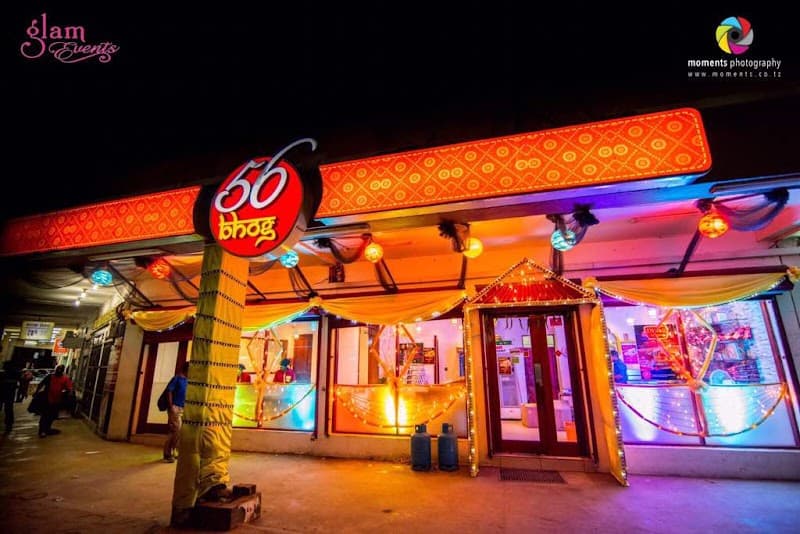
Things to Do in Dar es Salaam
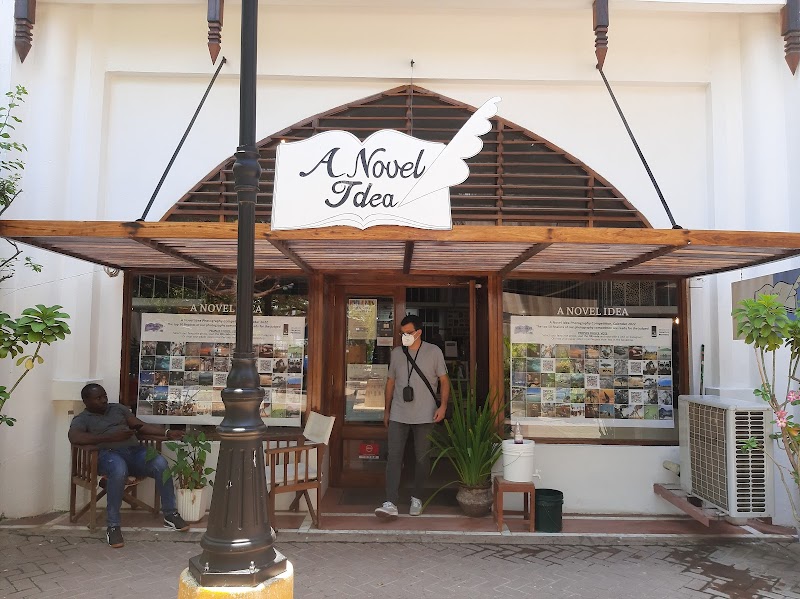
The Slipway Shopping Centre & Waterfront Stroll
Msasani Peninsula / The Slipway · 90 min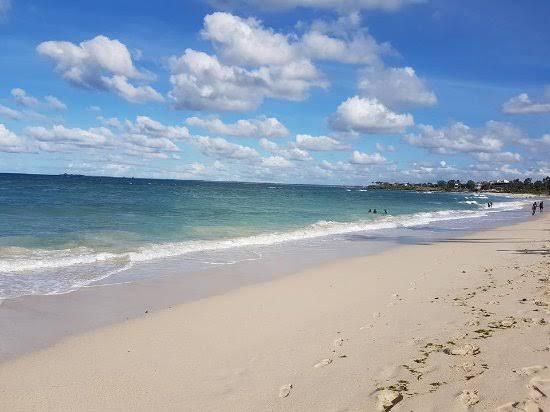
Coco Beach Evening Social Scene
Msasani Peninsula / Oysterbay · 120 minMoney-Saving Tips
- 1.Withdraw cash from Barclays or CRDB ATMs - they have the most reliable machines and charge lower fees than standalone ATMs
- 2.Bargain at markets but not in supermarkets or restaurants with posted prices - start at 50% of the asking price
- 3.Use daladalas for transport under 5km - they cost 400-600 shillings versus 5,000+ for taxis
- 4.Eat at mama lishe food stalls for authentic meals under 3,000 shillings instead of hotel restaurants
- 5.Buy a local SIM card with data - Vodacom offers 7GB for 10,000 shillings, much cheaper than international roaming
- 6.Shop at Shoprite or Game supermarkets for groceries - local markets are cheaper for produce but pricier for packaged goods
Travel Tips
- •Carry small bills - vendors often claim they can't make change for large notes
- •Download offline maps before arriving - GPS works but data can be spotty in some neighborhoods
- •Pack mosquito repellent and use it religiously, especially during rainy season
- •Dress conservatively when visiting mosques or traditional neighborhoods - cover shoulders and knees
- •Learn basic Swahili greetings - 'Hujambo' and 'Asante' go a long way with locals
- •Keep copies of your passport - police checkpoints are common and you need ID
- •Avoid drinking tap water - stick to bottled water or use purification tablets
- •Take malaria prophylaxis if recommended by your doctor - Dar is in a malaria zone
Frequently Asked Questions
Explore Dar es Salaam
BUILD YOUR
DAR ES SALAAM PLAN
Insider picks, smart timing, and a plan ready when you are.
Start Planning