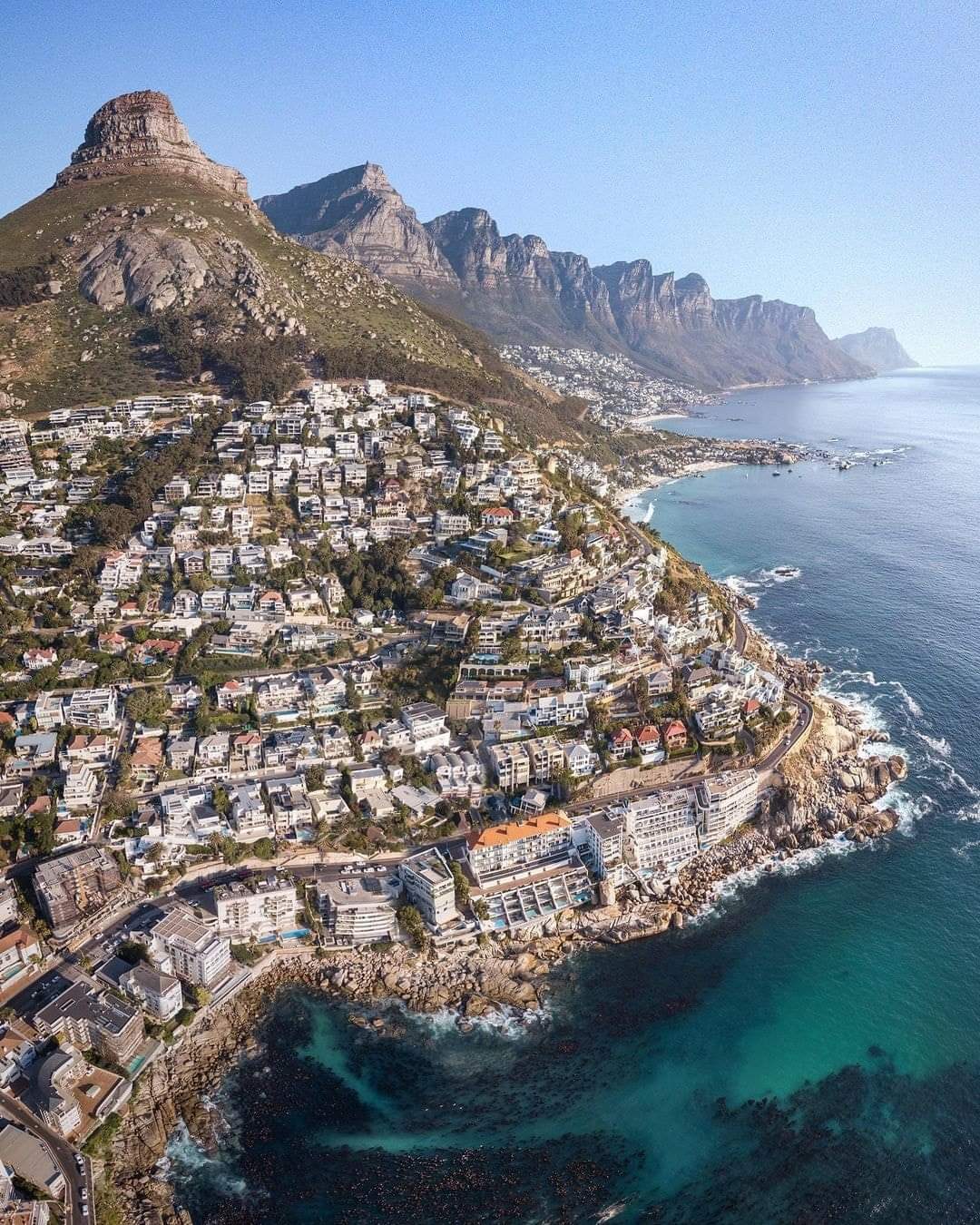
Cape Town
South Africa's stunning mother city beneath Table Mountain
Cape Town sprawls between Table Mountain and two oceans like nowhere else on earth. The Mother City serves up world-class wine estates thirty minutes from penguin colonies, Michelin-starred restaurants steps from townships where jazz spills onto cobblestone streets. You'll find Afrikaans conversations mixing with Xhosa at the V&A Waterfront while baboons raid cars on Chapman's Peak Drive. This isn't just another coastal city — it's where European colonial architecture meets African soul, where you can surf at Muizenberg in the morning and sip Chenin Blanc in Franschhoek by sunset. The rand stretches your dollar further than almost anywhere, making Cape Town's luxury surprisingly accessible.
Best Months
JAN · FEB · MAR · OCT · NOV · DEC
~24°C · peak crowds
Culture & Context
CONTRADICTIONS & LANGUAGES
Cape Town runs on contradictions. It's one of the most geographically spectacular cities on Earth, and also one of the most unequal. Table Mountain looms over both million-rand apartments in Camps Bay and the Cape Flats townships just a few kilometers away.
That contrast is not something you can ignore, and you shouldn't try. The city has 11 official languages and centuries of layered history: Dutch settlers, enslaved people from Malaysia and Indonesia, Xhosa and Zulu communities, British colonial rule, apartheid, and now a scrappy, creative post-apartheid identity. The Cape Malay community in Bo-Kaap is one of the oldest Muslim communities in sub-Saharan Africa.
The "coloured" community (a specific South African identity, not a slur here) from the Cape Flats is arguably responsible for most of the city's slang, food culture, and street energy. The city speaks Afrikaans, Xhosa, and English in the same sentence, sometimes. Oh, and locals call it "the Mother City.
" Use that and people warm up to you instantly.
Local Customs
BRAAI CULTURE MATTERS
Braai culture is serious. A braai is not a 'barbecue'. It's wood fire, meat, specific rituals, and often lasts hours.
If you're invited to one, bring your own drinks and something to share. Don't show up empty-handed.. Tipping at restaurants is expected.
10–15% is standard; 10% for average service, more if the person went above and beyond. Leaving nothing is considered rude, not a commentary on service.. Locals call traffic lights 'robots'.
If someone says 'turn left at the robots', they mean the intersection with traffic lights.. The Cape Doctor is a strong south-easterly wind that rolls in from the mountain and down onto the city bowl, especially in summer. It's strong enough to blow drinks off your table on Long Street.
Not a disaster, just a fact of life from roughly November to February.. Don't refer to any minibus taxi as just a 'taxi'. Metered taxis and Ubers are separate.
Minibus taxis are the informal, extremely local, very affordable transport that fills the gaps everywhere. Tourists usually avoid them but locals rely on them entirely.. Load shedding (rolling power cuts) has been significantly reduced in 2026, but can still occasionally happen.
Keep a portable charger handy and download the EskomSePush app to check scheduled cuts if you're staying long-term.. South Africa is progressive on LGBTQ+ rights, with same-sex marriage legal. Cape Town has one of Africa's most open LGBTQ+ communities, especially in De Waterkant and Green Point.
Safety
WATCH AFTER DARK
Cape Town is absolutely worth visiting, but go in with eyes open. Petty crime (pickpocketing, bag snatching) happens in crowded tourist areas. Violent crime exists but is concentrated in specific neighborhoods well away from tourist zones.
The rule nearly every local repeats: once the sun sets, don't walk. Take Uber even for short distances. This is not an exaggeration. Areas that feel perfectly fine during the day (Sea Point promenade, Bo-Kaap, parts of the City Bowl) can change character after dark. The V&A Waterfront is an exception: it has extensive CCTV and security patrols and is considered safe at night.
Areas to avoid entirely: the Cape Flats (southeast of the CBD), Nyanga, Langa, Khayelitsha as a solo or independent visitor. These areas have high levels of gang-related crime. Township visits are possible and genuinely interesting, but only through reputable guided tour operators.
Table Mountain and Lion's Head have had muggings reported on hiking trails, including in 2025 and into 2026. Hike in groups. Guided hikes are strongly recommended. Check the Friends of Table Mountain Facebook page for current safety updates before heading out.
Don't visibly display expensive electronics, jewellery, or large amounts of cash. Use ATMs inside shopping malls or banks, not on the street. Be aware of 'helpful' strangers who approach you unprompted.
Note: As of May 2026, the Canadian government issued a travel alert about severe flooding and landslides in the Western Cape due to heavy rainfall. Check local news and your accommodation for any current infrastructure impacts before travel.
Getting Around
UBER & MYCITI
MyCiTi is the public bus network worth knowing. As of March 2026, it runs 347 buses across 39 routes connecting the CBD, V&A Waterfront, Sea Point, Camps Bay, Hout Bay, and the airport. The airport shuttle (Route A01) runs every 20 minutes. You need a myconnect card (R40 to purchase at station kiosks) loaded with credit. Cash is not accepted on buses. Single-day, three-day, and seven-day unlimited passes are available. MyCiTi Route 110 goes from the city center to the Table Mountain Cableway for R15–25. Buses typically run until around 11pm. For everything after that, use Uber or Bolt.
Uber and Bolt are the practical answer to most getting-around questions. Both apps work well in Cape Town. Always confirm the driver and vehicle details before getting in. An airport-to-CBD Uber costs R200–350 depending on traffic. Uber to Camps Bay from central Cape Town is R60–120. To Hout Bay, more like R150–300.
Metrorail trains exist but are generally unreliable and have had well-documented safety issues. One exception: the Southern Line from Cape Town Station toward Fish Hoek and Simon's Town skirts the middle-class Southern Suburbs and is a reasonable excursion when done in a group during daylight hours.
Rental cars are the best option for day trips beyond the city (Cape Point, Boulders Beach, Winelands, Chapman's Peak Drive). Most major rental companies (Avis, Hertz, Europcar) have desks at the airport. Book in advance, especially in December and January.
Useful Phrases
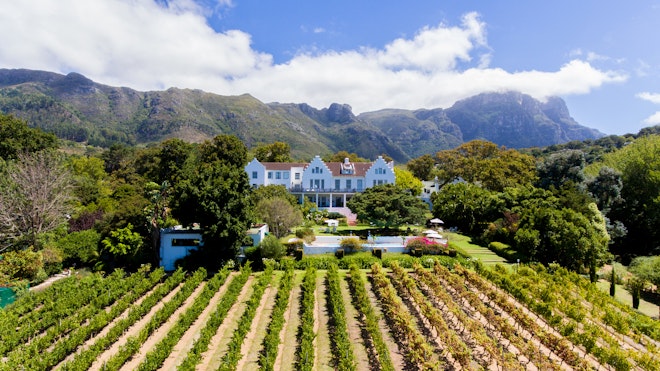
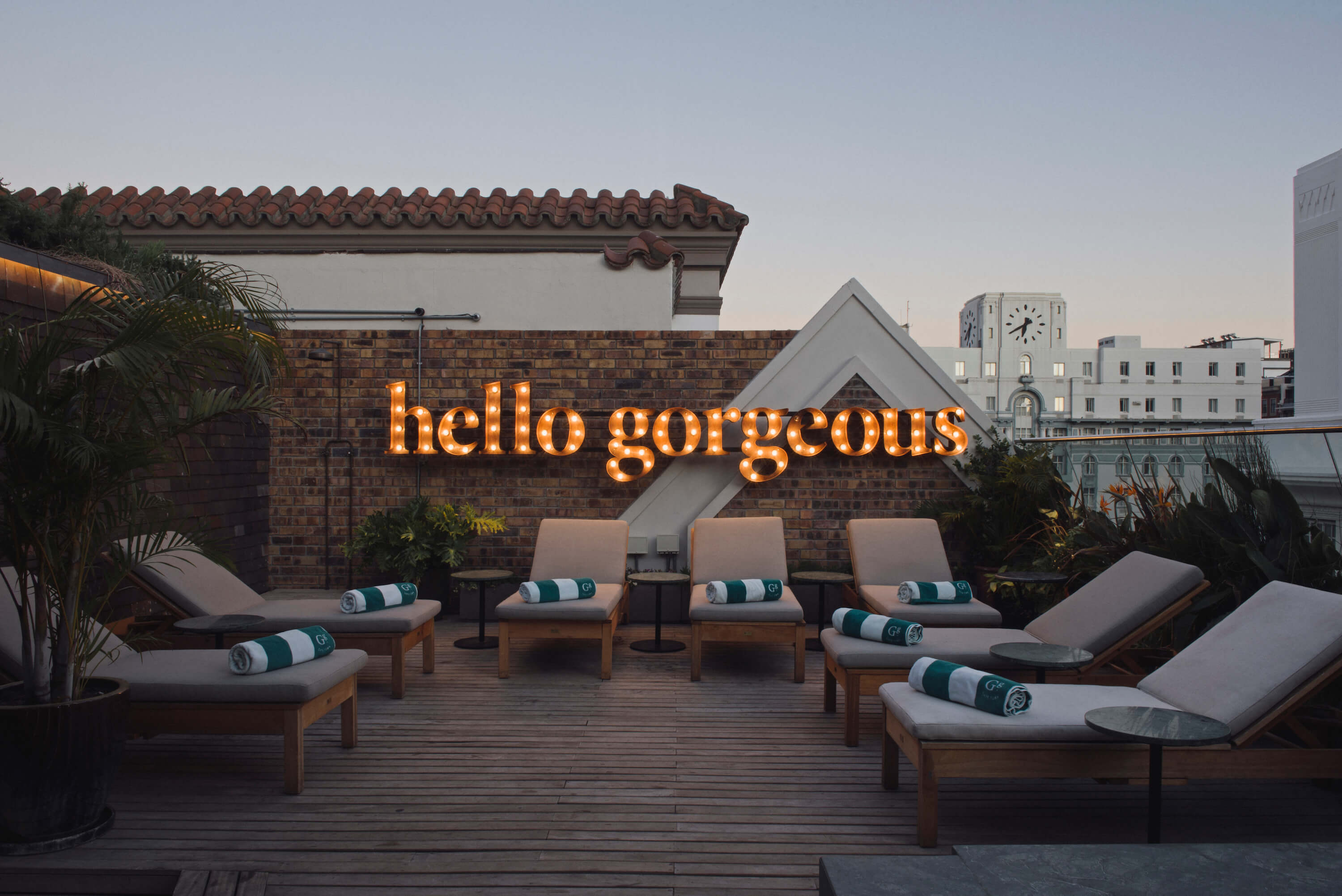
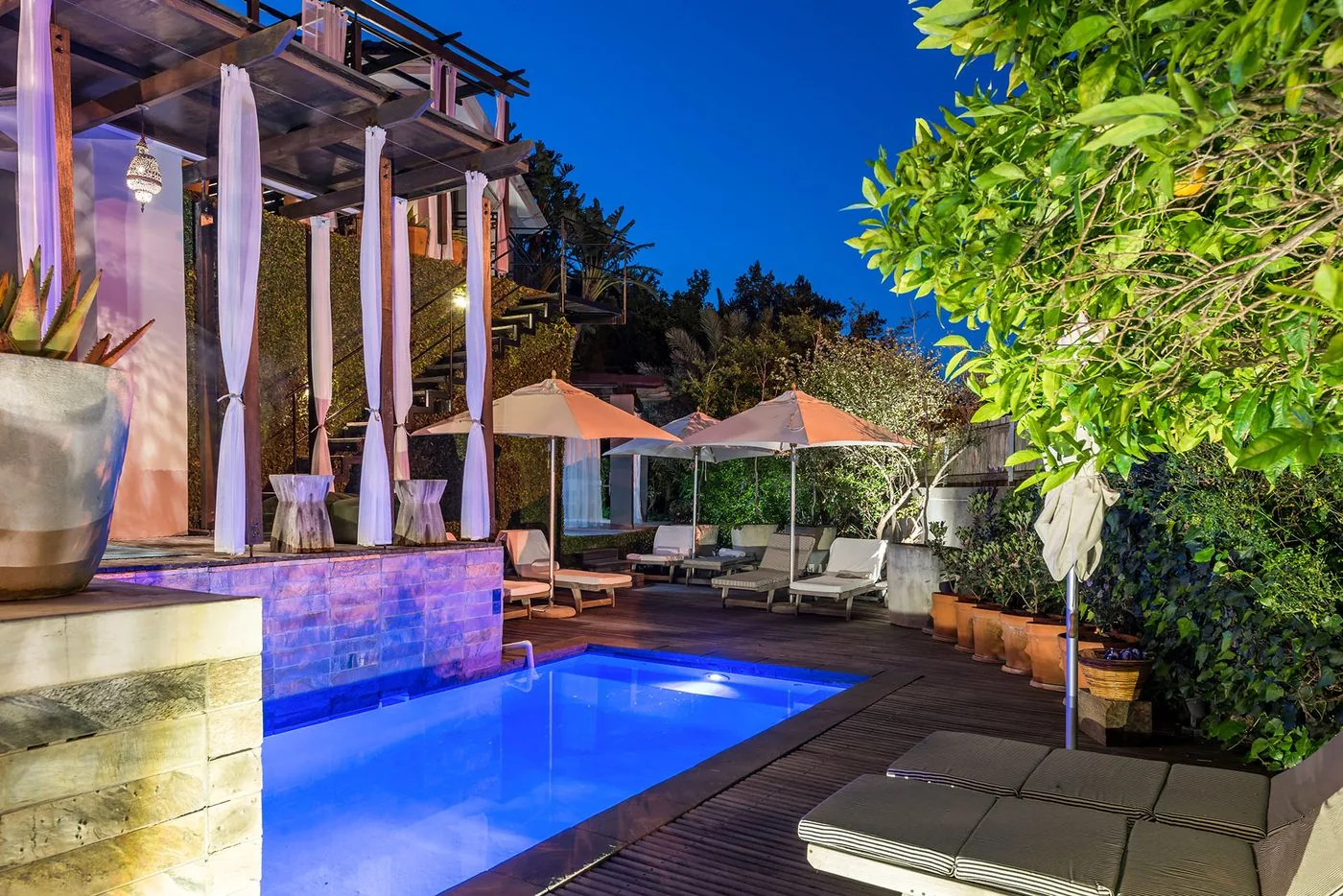
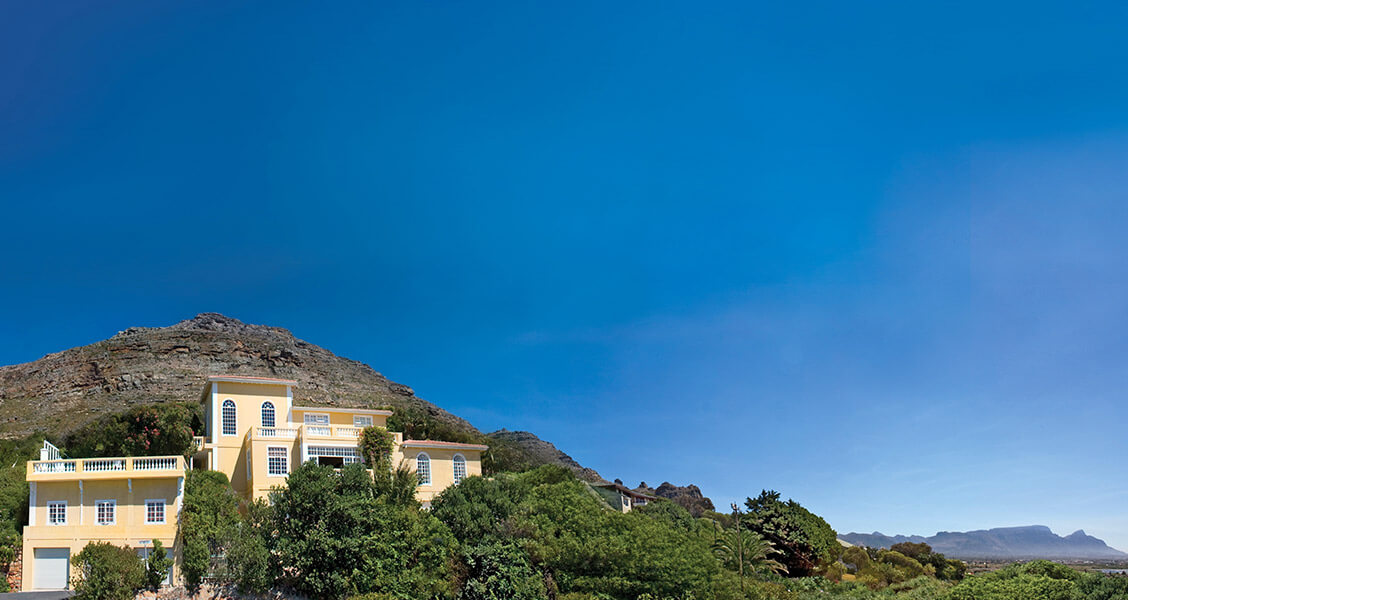
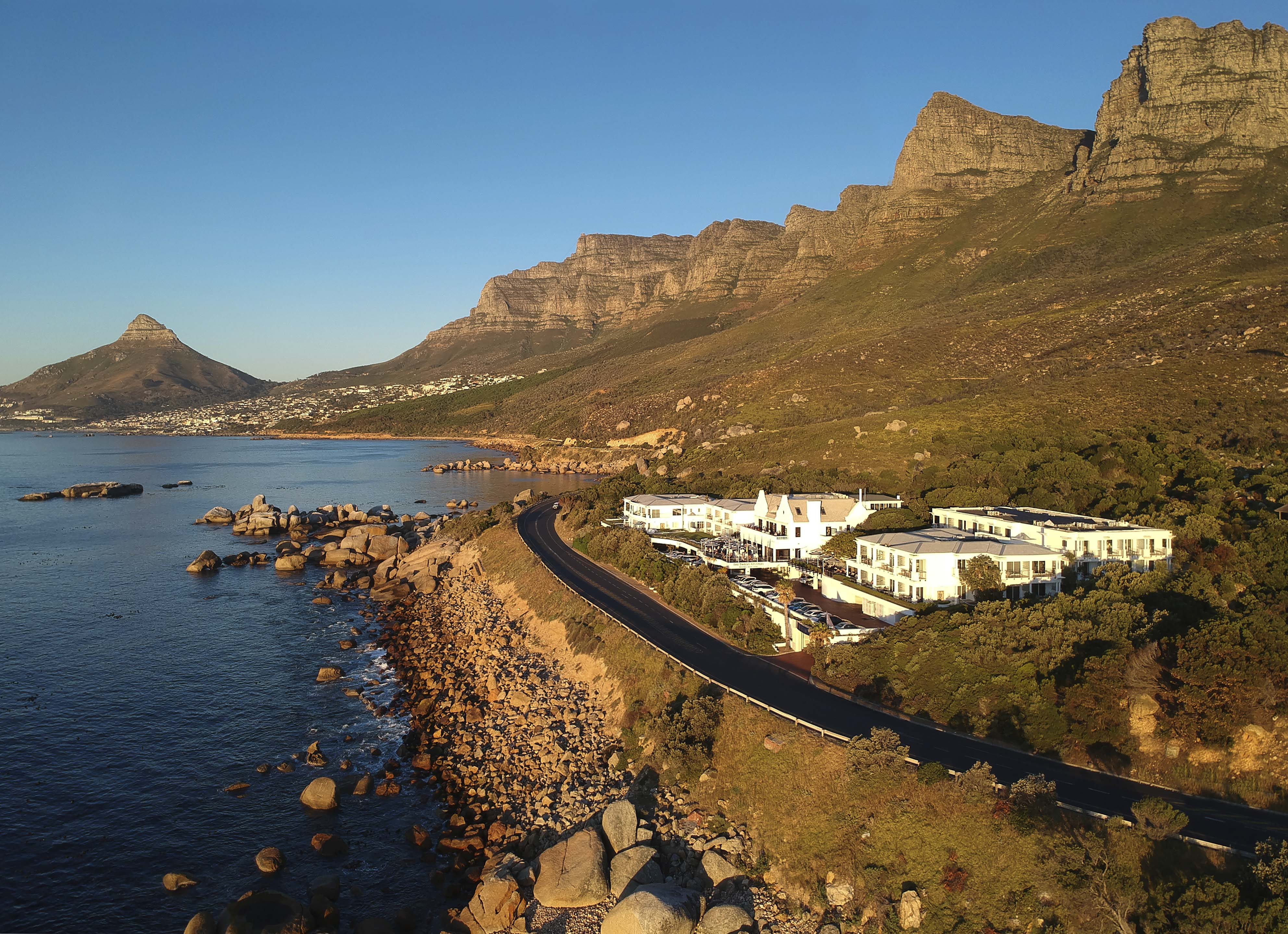
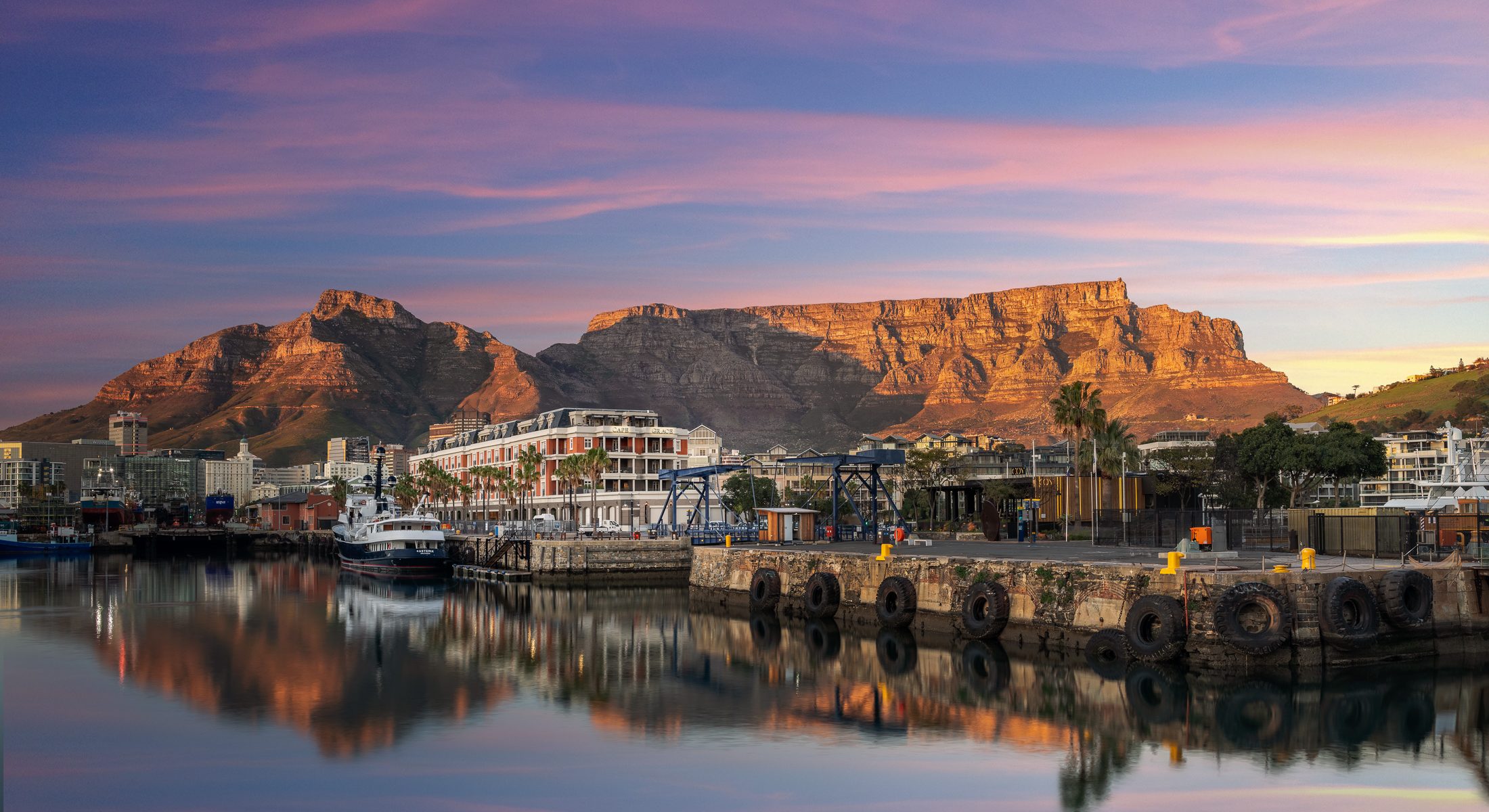
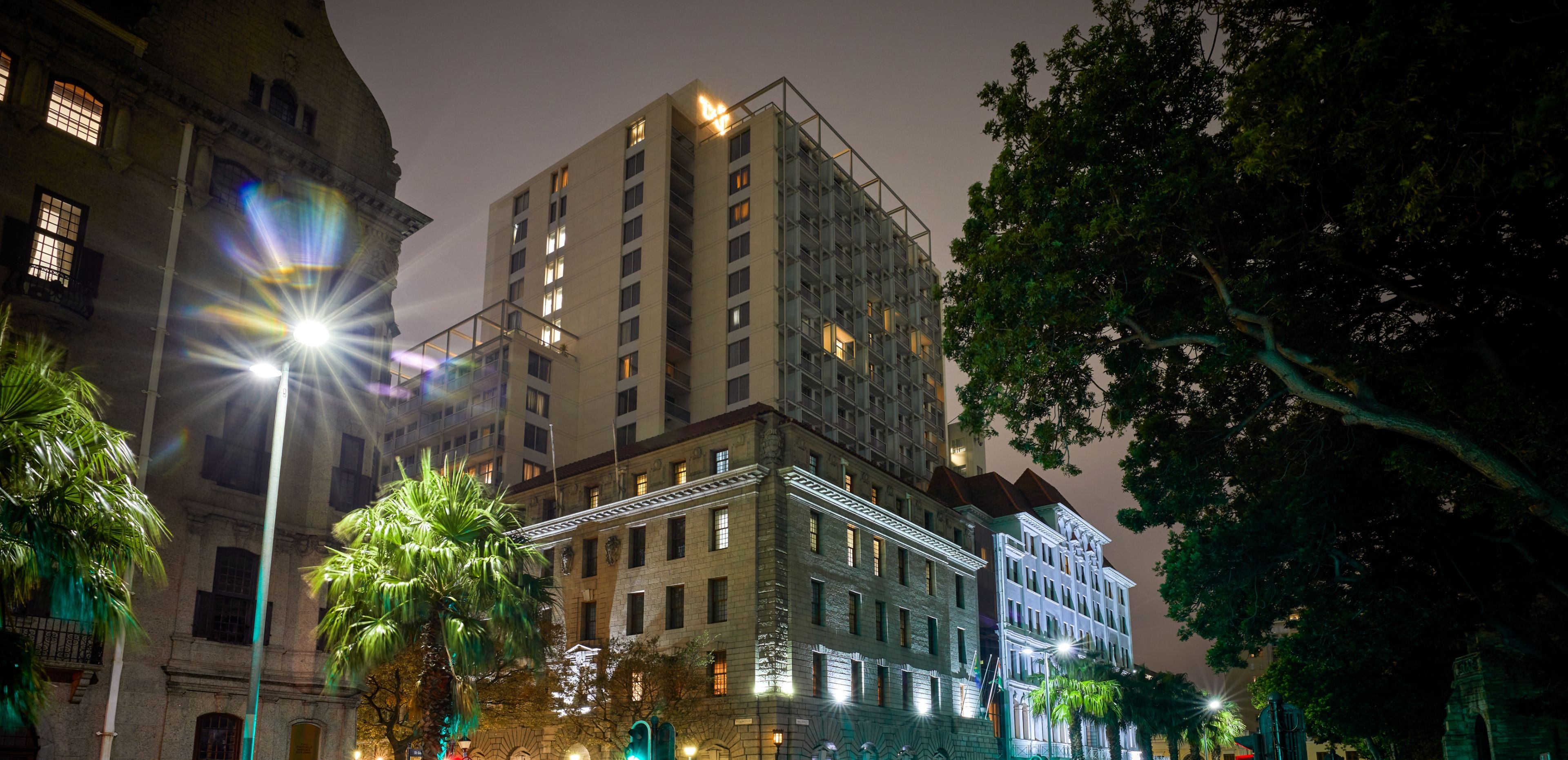
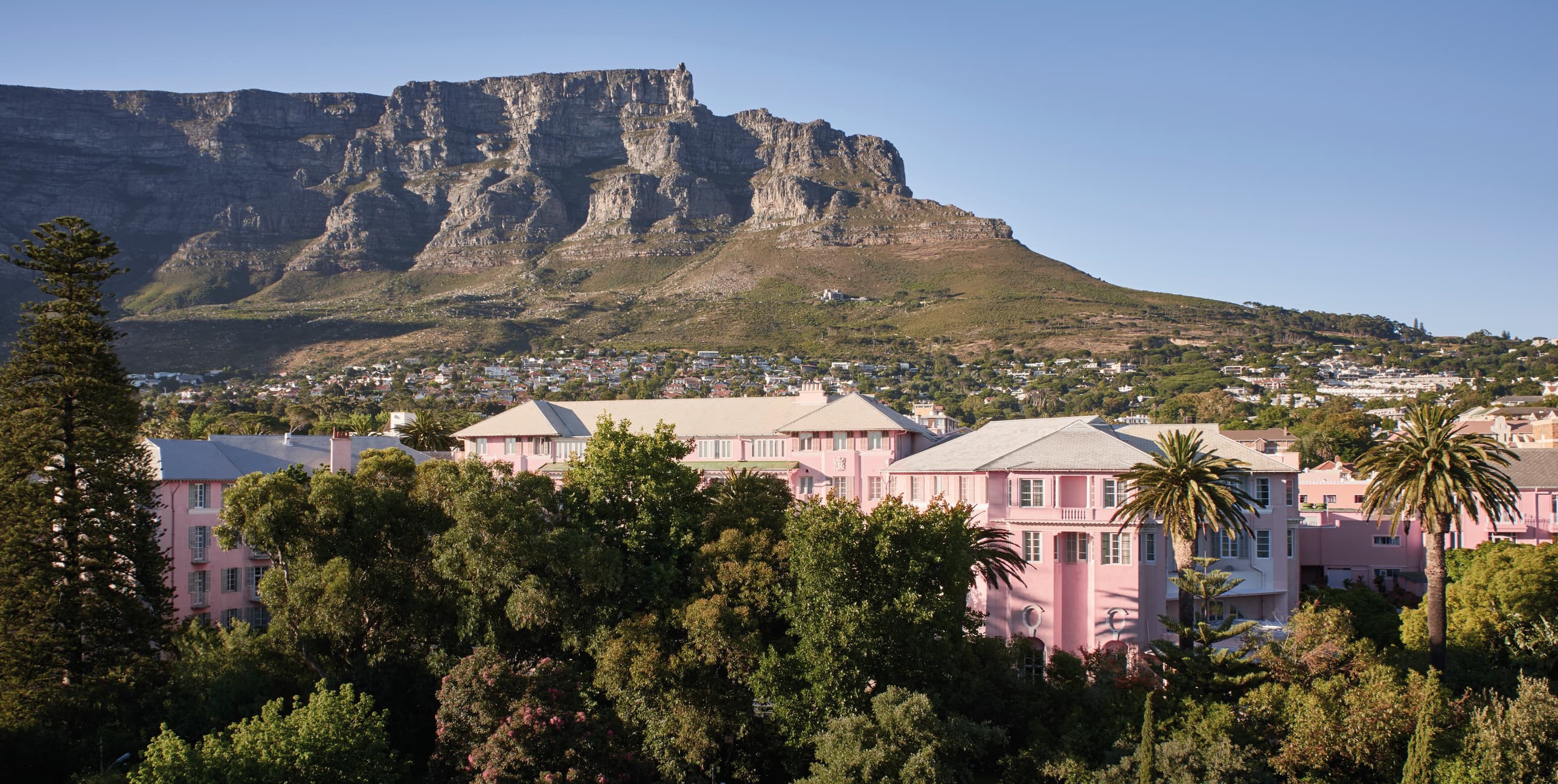
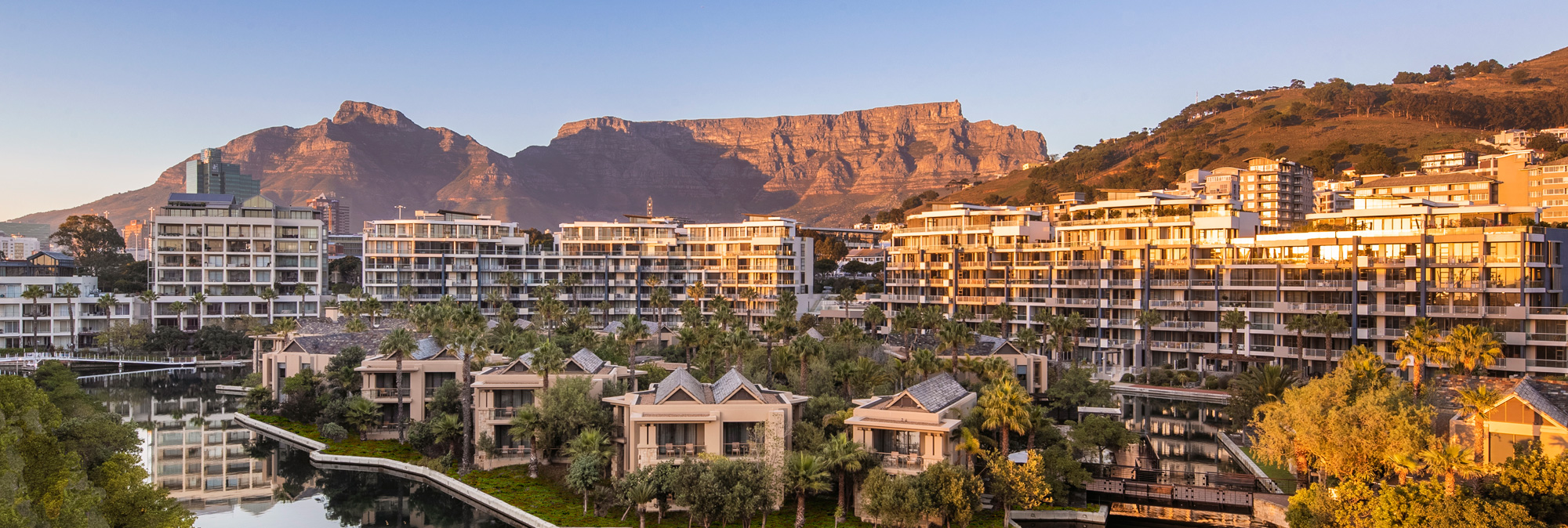
Where to Stay in Cape Town
9 recommended properties
Money-Saving Tips
- 1.The rand's weakness means your dollars stretch far - R18-20 per USD makes luxury surprisingly affordable
- 2.Many restaurants offer early bird specials before 7 PM with 20-30% discounts on full menus
- 3.Wine estate tastings cost R50-150 but often include cheese pairings worth the same amount
- 4.MyCiTi bus day passes cost R60 versus R300+ for Uber rides to the same destinations
- 5.Table Mountain cable car costs R395 return, but hiking up saves money and crowds (if you're fit)
- 6.Happy hour at Camps Bay bars runs 4-6 PM with cocktails dropping from R120 to R60
- 7.Grocery stores like Pick n Pay sell local wines for R80-150 that cost R400+ in restaurants
Travel Tips
- •Download Uber before arriving - regular taxis at the airport charge 3x more and negotiate poorly
- •Table Mountain cable car sells online tickets to skip queues, especially December-February
- •Pack layers year-round - Cape Town weather changes quickly with the mountain creating microclimates
- •Book restaurant reservations before arriving, especially at Test Kitchen and La Colombe
- •Carry cash for small vendors and tips - many places don't accept cards under R50
- •Don't leave anything visible in rental cars - smash-and-grab theft happens in tourist areas
- •Learn basic Afrikaans greetings - locals appreciate the effort and service improves
- •Check wind conditions before visiting Camps Bay - the southeaster can ruin beach days
- •Buy wine directly from estates rather than duty-free - prices are better and selection wider