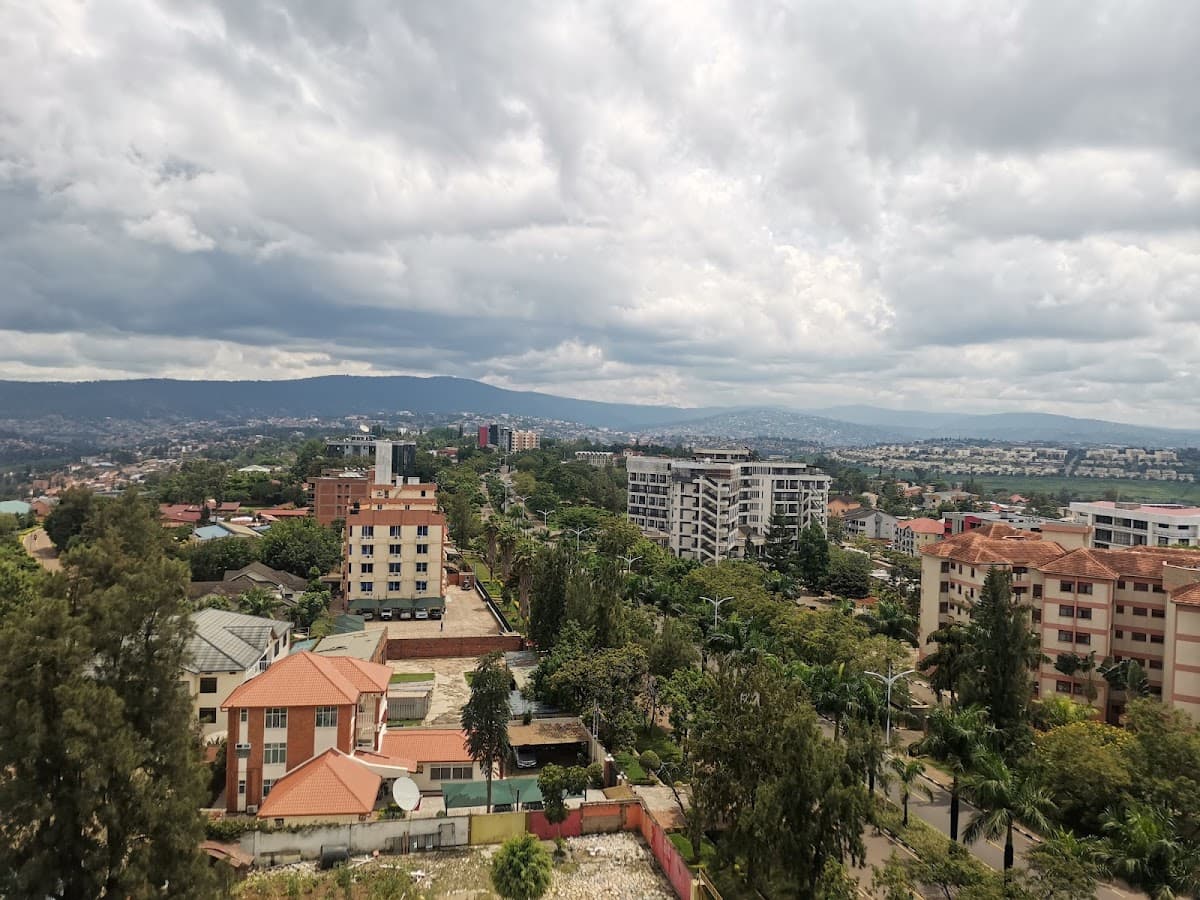
Kigali
Africa's cleanest capital rising from tragedy to triumph
Kigali defies every expectation you might have about African capitals. The streets are spotless. The wifi actually works. And the story of how this city rebuilt itself from the ashes of genocide into one of the continent's most forward-thinking destinations will leave you speechless. This isn't just another capital city – it's a masterclass in resilience, wrapped in rolling green hills and served with some of the best coffee on Earth. The transformation is so complete that first-time visitors often wonder if they're still in Africa. But spend a few days here, and you'll understand that Kigali hasn't abandoned its identity – it's simply redefined what an African city can be.
Best Months
JAN · FEB · JUN · JUL · AUG · DEC
~27°C · high crowds
Culture & Context
RESILIENCE & REVERENCE
Kigali sits at around 1,500 meters above sea level, which keeps it cooler and more pleasant than you'd expect for an equatorial city. It's genuinely one of the cleanest cities in Africa — and not just because of infrastructure. The cleanliness is cultural.
Rwandans take pride in their public spaces, and it shows in how people carry themselves on the street. The 1994 genocide against the Tutsi reshaped everything here. You feel the weight of that history at the Kigali Genocide Memorial (250,000 people are buried on the grounds), and you also feel the deliberate, forward-looking energy that has followed.
It's not a city stuck in grief — but it hasn't moved past it either. Both things coexist. The culture leans reserved and polite.
Loud voices, aggressive haggling, public arguments — all of these read as disrespectful. People speak quietly. The city is quiet.
If you're coming from somewhere with constant noise and horn-honking, the silence can feel almost surreal at first. Photography is a sensitive topic. Never point a camera at military personnel, police, or government buildings.
Always ask permission before photographing people, especially children — a simple 'Nshobora gufata ifoto?' works perfectly.
Local Customs
UMUGANDA COMMUNITY PAUSE
Umuganda happens on the last Saturday of every month, 8am–11am. The whole country pauses — roads close, shops shut, citizens clean streets, plant trees, and work on community projects together. As a tourist you're not obligated to join, but you're welcome to.
Either way, plan around it: you won't find transport or open shops until around 11am. Many travelers who participate call it a trip highlight.. Plastic bags are strictly illegal since 2008.
Customs will confiscate them at the airport — including Ziploc bags and plastic-wrapped duty-free items. Bring cloth or paper bags. Rwanda is serious about this..
Greet people first. In Rwandan culture, walking past someone without acknowledging them reads as rude. A 'Muraho' goes a long way, especially outside Kigali's city center..
Dress modestly, particularly outside the city and at religious sites. Women should cover shoulders and knees at places of worship. Kigali itself is more relaxed, but conservative is always the safer call..
Accept food when offered, even a small portion. Declining can come across as rejection of hospitality. Wait for the host or elder to begin eating before you do..
Never photograph government buildings, military personnel, or police. This is a hard rule, not a guideline. Stick to it..
The left hand is considered unclean in traditional Rwandan dining contexts. Use your right hand when eating or passing things at more traditional gatherings.. Bargaining at markets exists but is gentler than in many neighboring countries.
Products often have marked prices — you get the same price as locals. Don't push aggressively; it's considered disrespectful.. Discussions about the genocide are deeply sensitive.
Don't bring it up casually. If a local opens the topic, listen respectfully and follow their lead.
Safety
VERY SAFE, PETTY CAUTION
Kigali is genuinely one of the safest cities in Africa for travelers, including solo women. Violent crime against tourists is rare. The streets are clean, police presence is visible and professional, and the city has strict noise ordinances that keep things orderly.
That said, a few honest notes: petty crime (bag snatching, pickpocketing) does happen in crowded markets and around the airport — watch your stuff in those spots. The US State Department flags financial scams as a real issue, particularly online romance scams and people asking for money. Street crime risk increases at night outside busy areas, so use the Yego or Move app for motos after dark rather than negotiating on the street.
Travel insurance is mandatory for entry — not optional, not advisory. Carry proof. Yellow fever vaccination is required if you're coming from or transiting through an endemic country; have your WHO card ready.
Malaria risk in Kigali itself is low due to altitude, but it's real around Akagera National Park. Don't photograph government buildings, military, or police under any circumstances — this is strictly enforced. Tap water is not reliably potable; stick to bottled or filtered water.
On the last Saturday of each month (Umuganda day, 8–11am), transport stops and most shops close — don't schedule airport runs or early departures without accounting for this.
Getting Around
MOTOS & APPS
Kigali's topography is all hills, so walking long distances is a workout. Most people rely on motos for short hops. Download the Yego or Move app before you land — both work like Uber for motorcycle taxis, with transparent metered pricing and no need to haggle.
Short rides cost $1–2. Helmets are legally required, and drivers must provide one. Insist on it even if they initially don't offer.
City buses are cheap (under $0.50 per trip), clean by regional standards, and run frequently between major neighborhoods. Kimironko Gare is the main terminal.
For anything beyond central Kigali, shared taxis and buses connect to Musanze (for gorilla country), Akagera, and other regions for $3–5. Don't take unmarked minibuses — the US Embassy explicitly advises against them due to maintenance and overloading issues. Licensed taxis are orange-striped; confirm the fare before getting in.
Rwanda is small: you can drive from Kigali to any corner of the country in under five hours. Main roads are in excellent condition by regional standards. Car rental with a driver is the most comfortable option for day trips, and tour operators in Kimihurura can arrange this.
On Umuganda Saturday mornings (8–11am), transport effectively stops. Plan any morning activities or airport transfers around this monthly pause.
Useful Phrases
Where to Stay in Kigali
1 recommended properties

Money-Saving Tips
- 1.Negotiate moto-taxi fares before getting on – standard rates are 1,000-2,000 francs across town
- 2.Eat at local markets and Simba Supermarket food courts for meals under $2
- 3.Buy a local SIM card at the airport for 2,000 francs – data is cheap and coverage is excellent
- 4.Many museums offer student discounts with valid ID, even international student cards
- 5.Stay in Remera neighborhood for budget accommodation that's still safe and well-connected
- 6.Shop at Kimisagara Market for fresh produce and local goods at fraction of supermarket prices
- 7.Take city buses (200 francs) instead of taxis for short trips – they're clean and reliable
- 8.Visit during shoulder seasons (September-November) for 30% lower hotel rates
Travel Tips
- •Download offline maps – GPS works well but data can be spotty in some neighborhoods
- •Bring layers – mornings are cool, afternoons warm, evenings chilly year-round due to altitude
- •Learn basic Kinyarwanda greetings – locals appreciate the effort even if they speak English
- •Carry small bills – many vendors can't make change for large denominations
- •Respect photography rules – don't take photos of government buildings or military personnel
- •Pack comfortable walking shoes – Kigali's hills provide serious cardio workouts
- •Keep passport copies in multiple places – some hotels require it for registration
- •Try local coffee shops over international chains – the quality is exceptional and prices lower
- •Use SafeMotos app for motorcycle taxis – it's safer and more reliable than hailing on street
- •Visit genocide memorials respectfully – dress modestly and follow all photography restrictions