Mozambique
Pristine Indian Ocean Paradise with Portuguese Colonial Heritage
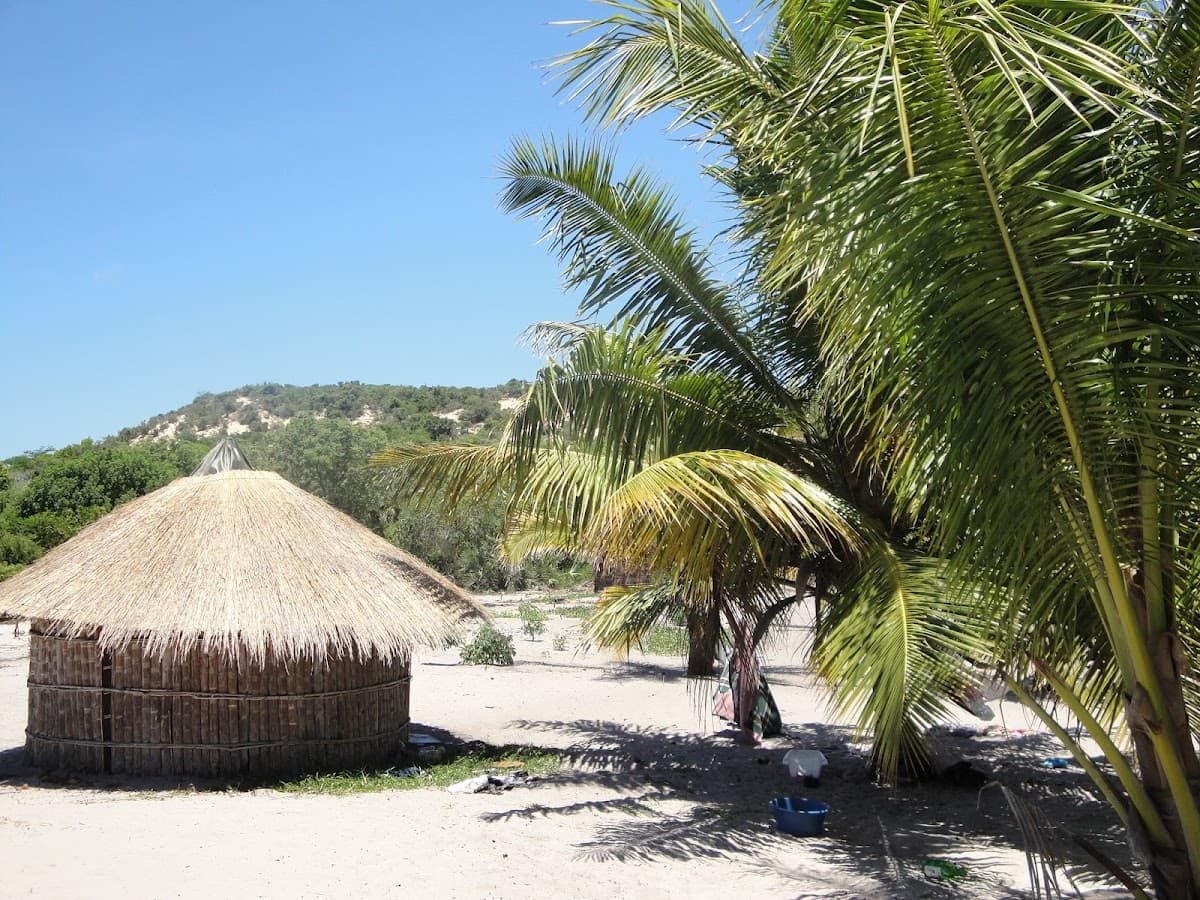
Mozambique sits like a forgotten treasure along Africa's southeastern coast, where Portuguese colonial architecture meets pristine Indian Ocean beaches. This isn't your typical beach destination. Here's the thing — most travelers skip right past it for Mauritius or the Seychelles, which means you'll have some of the world's most stunning coastline almost to yourself.
The Portuguese left their mark everywhere, from the stone architecture of Ilha de Moçambique to the peri-peri prawns grilling at beachside shacks in Tofo. But Mozambique has evolved far beyond its colonial past into something uniquely its own — a place where dhow boats still ferry locals between islands, where you can swim with whale sharks in the morning and explore 500-year-old fortresses in the afternoon.
Look, it's not the easiest place to travel. The roads can be rough, the infrastructure patchy in places. But that's exactly what makes it special. You're not fighting crowds for the perfect sunset photo. You're not paying resort prices for a beer. You're experiencing one of Africa's most authentic and unspoiled coastal destinations.
Explore Cities
Explore the Region
Money-Saving Tips
- 1.Bring US dollars in small bills — many places prefer them over the local metical, especially for accommodation and tours
- 2.ATMs are scarce outside major cities, so withdraw cash in Maputo, Beira, or Nampula before heading to smaller towns
- 3.Bargaining is expected at markets and with street vendors, but restaurants and hotels have fixed prices
- 4.Tipping 10% is standard at restaurants, and guides expect $5-10 per day for good service
- 5.Credit cards work at upscale hotels and restaurants in cities, but cash is king everywhere else
Travel Tips
- •Pack reef-safe sunscreen — you'll be in and out of pristine marine environments constantly
- •Bring a good mosquito repellent and consider malaria prophylaxis, especially for northern regions
- •Portuguese phrases go a long way — locals appreciate the effort even if your accent is terrible
- •Download offline maps before traveling — cell service can be spotty in remote coastal areas
- •Pack a universal adapter and portable charger — power outages happen, especially during rainy season
- •Bring quick-dry clothes and a light rain jacket — weather can change fast near the coast
- •Keep copies of your passport and visa — you'll need them for domestic flights and some accommodations