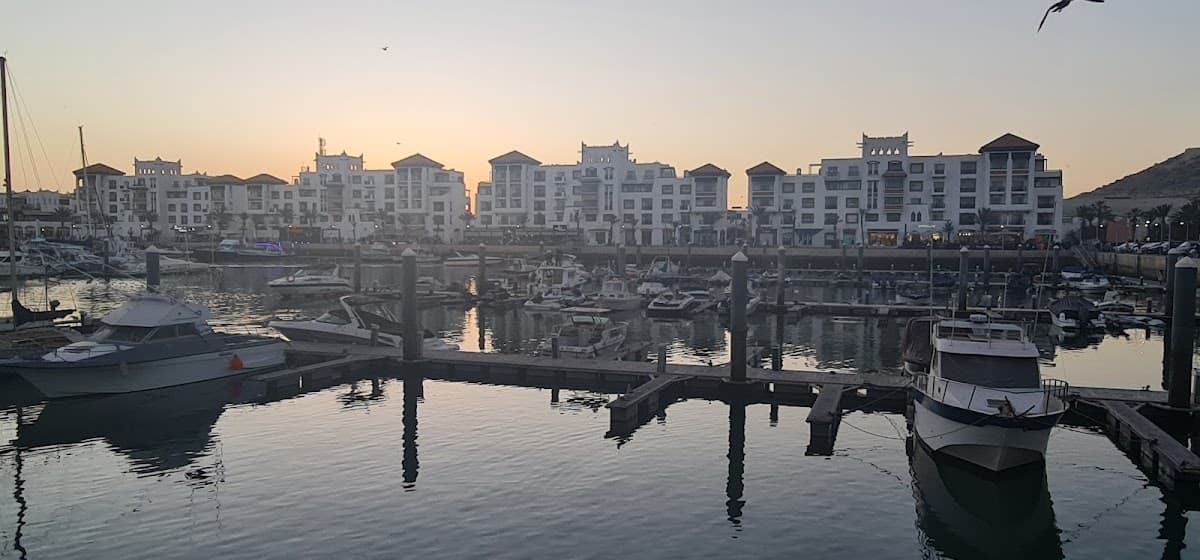
Agadir
Morocco's Modern Beach Resort Gateway to Adventure
Agadir isn't your typical Moroccan city. This is where Morocco meets Miami Beach – all modern resorts, wide sandy shores, and zero ancient medinas in sight. The 1960 earthquake wiped the historical slate clean, and what rose from the ruins is Morocco's answer to a proper beach resort town. You get 300 days of sunshine, a 10-kilometer stretch of golden sand, and the Atlas Mountains as your backdrop. It's the Morocco your family actually wants to visit – the one where kids can splash in pools while parents sip mint tea on terraces overlooking the Atlantic. Sure, purists might scoff at the lack of "authentic" riads and winding souks. But here's the thing: sometimes you want Morocco with training wheels, and Agadir delivers exactly that.
Best Months
MAR · APR · MAY · SEP · OCT · NOV
~27°C · high crowds
Culture & Context
REBUILT, BERBER, BEACH MODERN
Agadir is unlike anywhere else in Morocco. It was almost completely destroyed in a 1960 earthquake and rebuilt from scratch, which means it has the wide boulevards, modern hotels, and organized promenade of a planned resort city — not the labyrinthine medina energy of Fes or Marrakech. That's not a knock.
It's just a different kind of trip. The city has a strongly Amazigh (Berber) identity. You're in Souss territory, where Tachelhit is the local language many people grow up speaking, alongside Darija and French.
That cultural thread shows up in the Timitar Festival, in craft shops, and in conversations if you listen for it. Alcohol is available here — more so than in many Moroccan cities — especially in tourist-facing bars and restaurants. But it's taxed heavily, so prices reflect that.
Dress conservatively away from the beach. The beachfront promenade tolerates more than the souk or residential streets would. Ramadan changes everything: many local restaurants close during daylight hours, the city quiets in the morning and comes alive after iftar.
Hotels still serve tourists. It's worth experiencing, but plan your food schedule around it.
Local Customs
FIRM 'NO' WORKS BEST
Greet people with Salam when entering a shop or starting a conversation — it costs nothing and changes the whole tone of the interaction.. At Souk El Had, vendors are persistent. A firm 'La shukran' (no thank you) said once and walked away from is your best tool.
Engaging at all, even to argue, invites more pressure.. Don't leave your phone, wallet, or anything valuable on your beach towel while swimming. The beach is supervised in season, but opportunistic theft of unattended items is common..
Always confirm the taxi meter is running before you pull away from the curb — or agree on a price first. The fixed airport-to-city fare is 200 MAD; anything higher is a negotiation you didn't need to enter.. Ask before photographing locals, especially in the souk.
Most people are fine with it, but asking is basic respect and usually gets you a better portrait anyway.. Dress conservatively when you're off the beachfront strip — Talborjt, the souk, residential streets. Shorts and a t-shirt are fine in the tourist zone; covering up elsewhere is just considerate..
Souk El Had is closed on Mondays. Show up any other day and budget 2–3 hours minimum if you want to actually see it.. Fake argan oil cooperatives are a real issue near Agadir — diluted or synthetic product sold at inflated prices.
Buy argan oil from a certified women's cooperative with clear labeling.. Mint tea offered in a shop means the beginning of a sales conversation. There's nothing wrong with accepting it, but know what you're stepping into.
Safety
WATCH BAGS & METERS
Agadir is one of the easier Moroccan cities to navigate safely. It has modern infrastructure, a well-established tourist police presence (Brigade Touristique), and a more relaxed atmosphere than Marrakech or Fes — less medina pressure, fewer fake guide situations. That said, a few things are worth knowing.
Petty theft at the beach is real: never leave valuables on your towel unattended while you're in the water, and some hotels near Founty offer beach lockers worth using. Bag snatching from restaurant terraces happens occasionally at the Marina — keep your bag on your lap or under your foot. At Souk El Had, the dense crowds make pickpocketing easy, so zip up your bag and keep your phone in a front pocket.
Taxi scams are the most common tourist issue — drivers claim the meter is broken and quote inflated fares. Insist on the meter or use ride-hailing apps like Careem or inDriver. The 200 MAD fixed fare from the airport is legitimate; anything a random driver quotes you outside that is negotiable.
Jet ski and scooter rentals near the beach sometimes invent damage fees after the fact — photograph any existing scratches before you take anything out. Solo women should expect some verbal attention in busier areas and near tourist sites, and taking taxis at night rather than walking is the safer call. Dressing conservatively off the beachfront reduces unwanted attention significantly.
Getting Around
TAXIS & CORNICHE WALKS
Getting around Agadir is straightforward. Orange petit taxis cover the city — hail one on the street or find a rank, and make sure the driver turns on the meter before you move. An 8km ride runs around $5.
82 (roughly 58 MAD). For longer trips outside the city to places like Taroudant or Taghazout, you'll need a white grand taxi. Negotiate the price before you get in.
From Al Massira Airport (19km from the center), the fixed taxi fare to the city center is 200 MAD. Pre-booking through a company like Sun Transfers runs around £19 and avoids any airport hustle. There's no direct bus from the airport to the city — you'd need to go to Inzegane and change, which is fine if you have time and light bags.
Local buses run for 0.47 USD per trip (about 5 MAD) and cover main routes, with a monthly pass at $27.30.
The beachfront Corniche has wide, well-maintained footpaths and bike lanes that make it genuinely enjoyable to walk or cycle the 4km stretch from the marina to Founty. Parking in the city is easy and mostly free if you have a rental car, which becomes useful once you want to reach Paradise Valley, Taghazout, or the Anti-Atlas mountains beyond the city's edge.
Useful Phrases
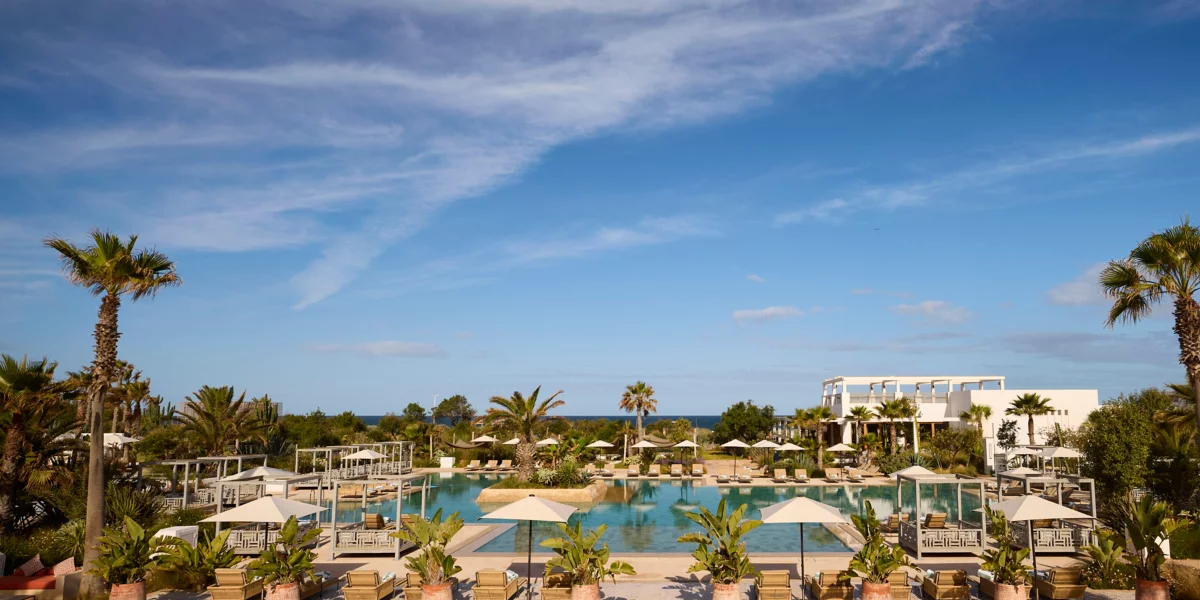
Where to Stay in Agadir
1 recommended properties
Things to Do in Agadir
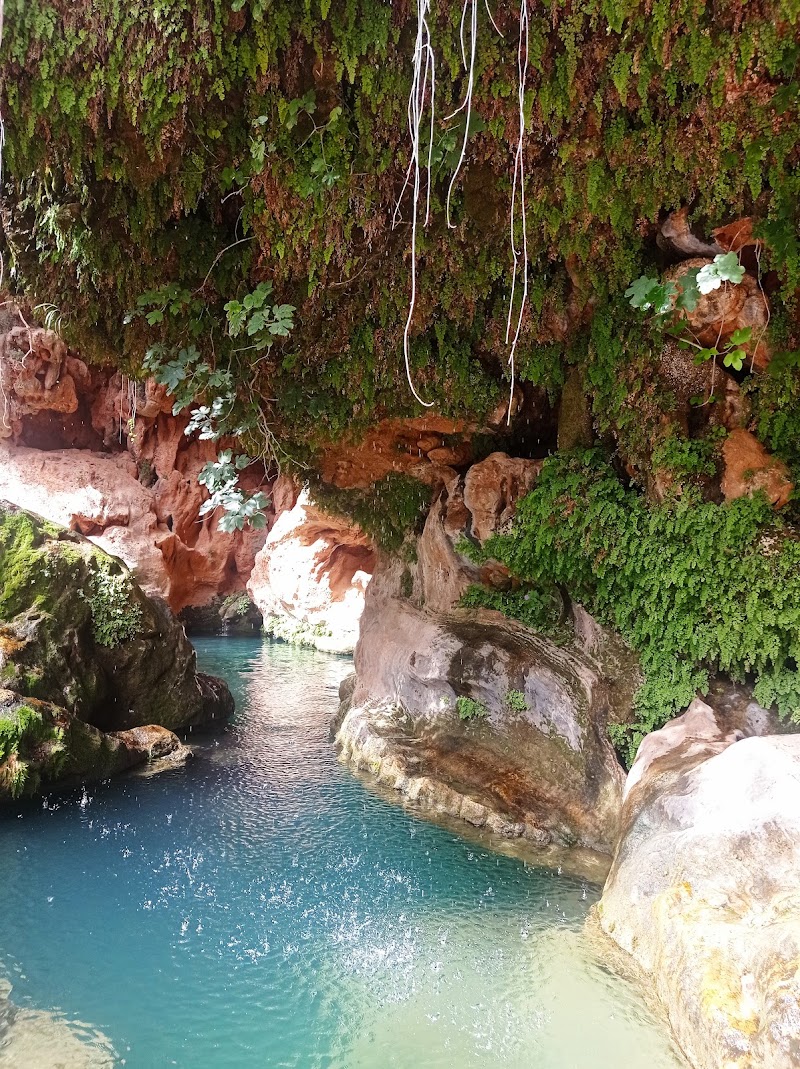
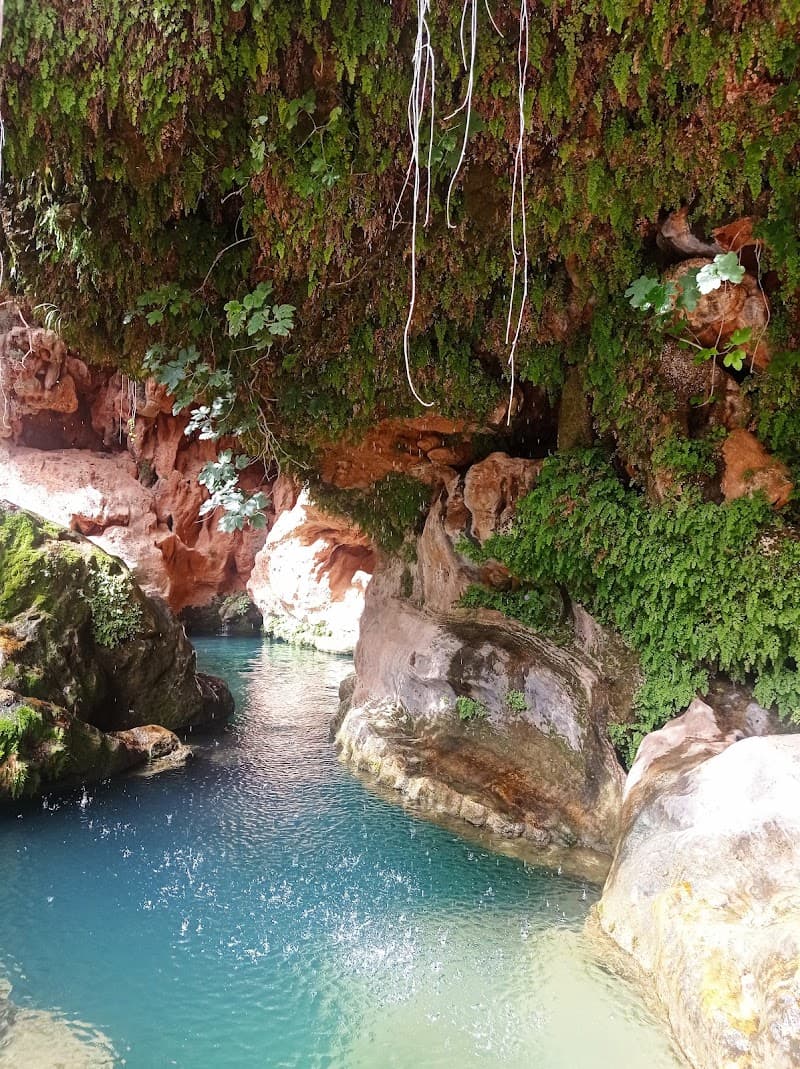
Imouzzer des Ida Outanane Waterfalls
Imouzzer Valley · 180 min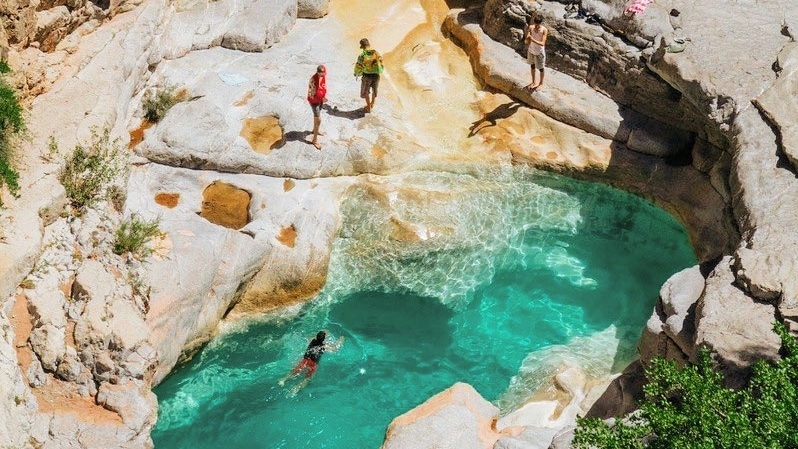
Paradise Valley Oasis
Paradise Valley · 120 min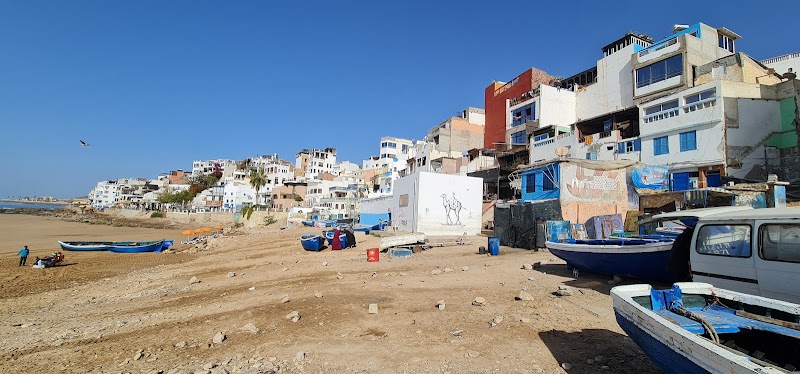
Taghazout Surf Beaches
Taghazout · 120 minMoney-Saving Tips
- 1.Hotel prices drop 40% between December and February – book winter stays for serious savings
- 2.Petit taxis cost 15-20 dirhams within the city, but always insist on using the meter
- 3.Eat at the port restaurants where locals go – fish tagine costs 80 dirhams vs 200+ at marina spots
- 4.Buy groceries at Marjane or Carrefour supermarkets instead of hotel shops to save 50% on snacks and water
- 5.Day trip tours cost 300-500 dirhams per person, but car rentals at €30/day let groups split costs
- 6.Souk El Had market closes at 2 PM – go early for best prices on spices and local products
Travel Tips
- •The central market on Avenue Luamumba closes by 2 PM – go early for the best selection
- •Traffic jams happen during school pickup around 4 PM, especially on Avenue Mohammed V
- •Winter brings better surf conditions but can be windy – pack a light jacket
- •Airport buses cost 30 dirhams vs 200 dirhams for grand taxis – save money on transfers
- •Most restaurants close between 3-7 PM for afternoon break – plan meal times accordingly
- •The marina area looks fancy but charges European prices – walk to local neighborhoods for better value
- •Alcohol is widely available in Agadir unlike much of Morocco – no need to stock up elsewhere
- •Paradise Valley gets crowded after 11 AM – arrive early or late afternoon for better photos