Marrakech
Morocco's red city of souks, palaces and Saharan mystique
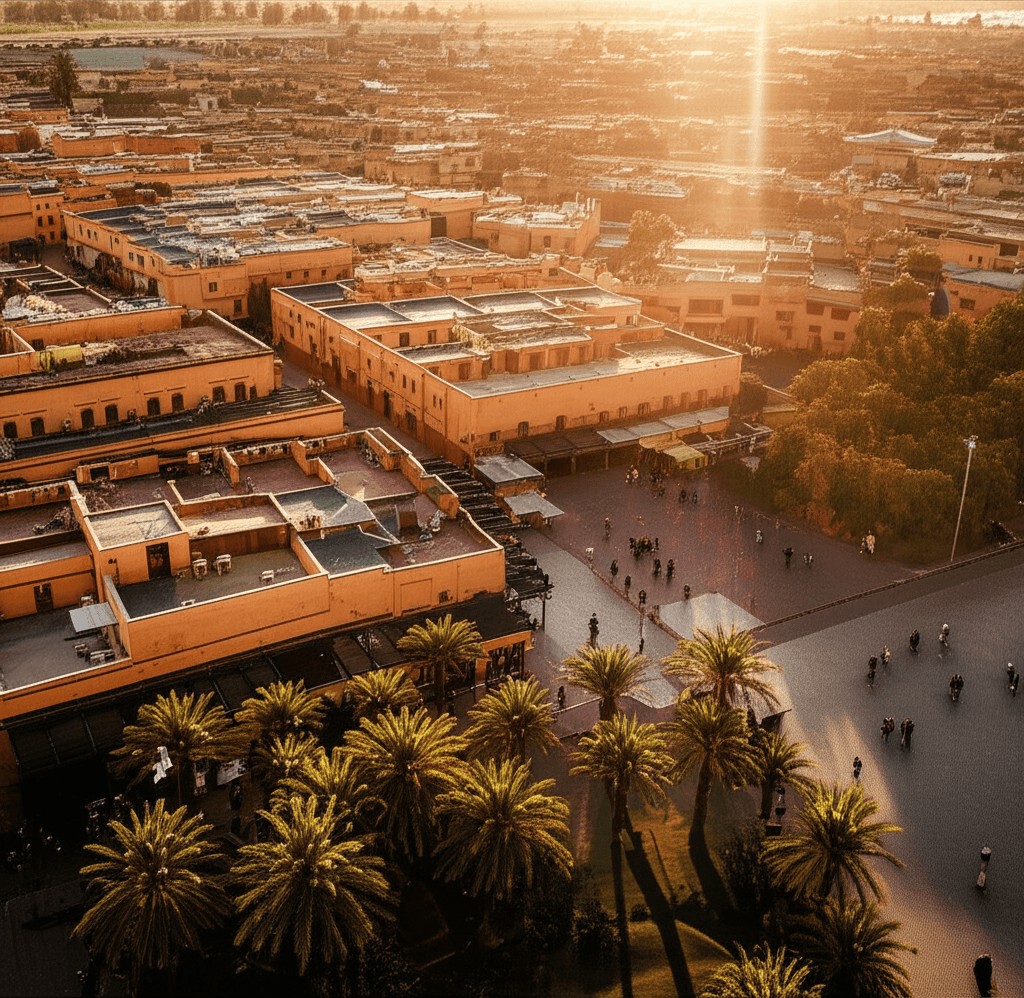
Marrakech hits you like a sensory overload the moment you step into Jemaa el-Fnaa. Snake charmers compete with the call to prayer while smoke from grilled merguez mingles with orange blossom and leather from the nearby souks. This is Morocco's red city at its most intense – a place where 11th-century medina walls contain a maze of riads, hammams, and artisan workshops that have barely changed in centuries.
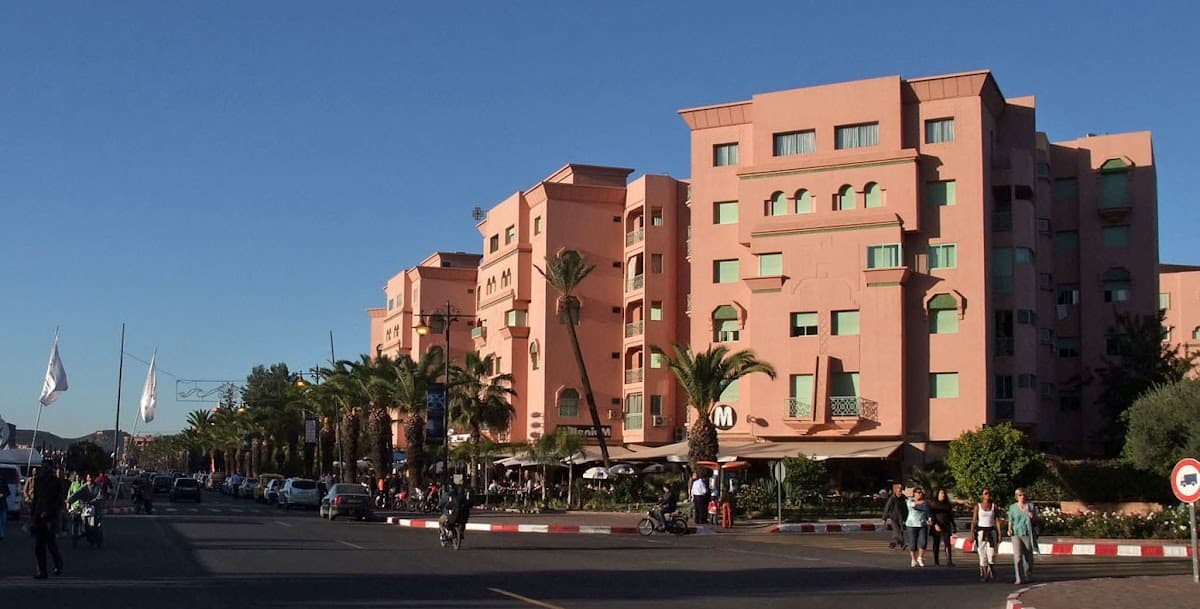
But Marrakech isn't stuck in the past. The Gueliz district pulses with rooftop bars and contemporary art galleries, while the Hivernage neighborhood offers resort-style luxury just minutes from the ancient medina. You'll find Michelin-starred restaurants serving modern Moroccan cuisine alongside street vendors ladling harira soup for 10 dirhams a bowl.
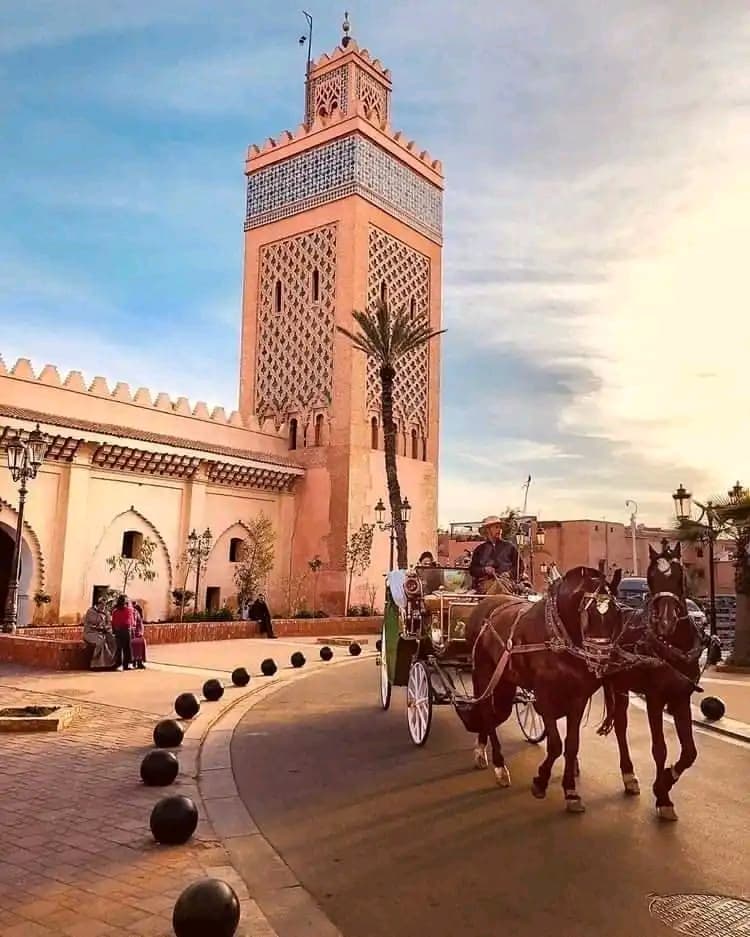
Here's what makes Marrakech magnetic: it's a city where you can haggle for Berber carpets in the morning, sip mint tea in a 14th-century madrasa by afternoon, and dance to electronic music under the Atlas Mountains by night. The red sandstone walls that give the city its nickname glow amber at sunset, creating a backdrop that's equal parts romantic and mysterious.
Best Months
JAN · FEB · MAR · APR · OCT · NOV · DEC
~24°C · high crowds
Culture & Context
CALL TO PRAYER SHAPES RHYTHM
Marrakech is a Muslim city, and that shapes daily rhythms in ways tourists sometimes don't expect. The call to prayer happens five times a day — it's loud, it's real, and it comes through the walls of your riad at dawn. Shops close for Friday prayers and some close for lunch between noon and 3pm, so plan accordingly.
The Medina's residential lanes (derbs) are actual neighborhoods where families live. That narrow alley isn't a photo set; someone's grandmother lives there. Act like a guest.
Bargaining in the souks is normal and expected — but it's a social ritual, not a battle. Start low, stay friendly, and walk away if the price isn't right. Nobody gets offended.
What does cause friction is hard-nosed aggression or disrespect. The city is currently buzzing with FIFA World Cup 2030 preparation. Morocco co-hosts with Spain and Portugal, and Marrakech is one of the host cities.
Stadium and infrastructure upgrades are underway, which means construction noise in some areas and rising costs city-wide. The payoff is improved transport links; the Casablanca-Marrakech high-speed rail is planned for completion by November 2029 and will cut travel time between the two cities to 90 minutes. Meanwhile, many Moroccan families who once lived in the Medina are selling their old homes to foreign buyers converting them into riads for tourists, while those families move to the Ville Nouvelle.
It's a city shifting fast under its own feet.
Local Customs
BARGAIN WITH RESPECT
Greet before asking for anything — in shops, taxis, even asking directions. Launch straight into a request without a greeting and you'll get a cooler reception. A simple 'Salam' goes further than people expect..
Dress modestly outside tourist zones. Shoulders and knees covered is the practical rule. In the Medina's residential lanes, a t-shirt and shorts stands out.
It's not illegal, but it draws attention you probably don't want.. Public displays of affection between couples are frowned upon. This applies to all couples.
Keep it to hand-holding at most in public spaces.. Alcohol is legal for non-Muslims but only sold at licensed establishments — mainly in Gueliz, Hivernage, and the bigger hotels. Drinking in public or in view of a mosque is not acceptable..
Always ask permission before photographing people, especially women and children. Street performers and snake charmers at Jemaa el-Fnaa will expect payment if you point a lens at them — they're working, not performing for free.. Bargaining is expected in the souks, but not everywhere.
Produce markets and pharmacies have fixed prices. In craft souks, opening prices can be 3-4x the real price; starting at half and negotiating from there is standard.. During Ramadan, eating, drinking, or smoking in public during daylight hours is disrespectful to locals who are fasting.
Many restaurants close during the day or operate with curtained windows. The nights during Ramadan, however, are extraordinary — the city stays up late and the atmosphere is unlike anything else.. Tip the porter who helps carry your bags to your riad door (10-20 MAD).
Tip the hammam attendant. Small cash gratuities are part of how service workers make their income.
Safety
WATCH FOR PETTY THIEVES
Marrakech is genuinely safe for tourists in 2026. Violent crime targeting visitors is rare. The city's tourist infrastructure — the Medina, Jemaa el-Fnaa, major souks — is fully operational and well-policed.
A dedicated Brigade Touristique (Tourist Police) operates visibly in high-traffic areas and responds quickly to complaints. That said, Marrakech is not frictionless. Petty theft is the main real risk: pickpockets operate in crowded souks, on public buses during rush hour, and around Jemaa el-Fnaa.
Keep valuables at your riad safe, carry only the cash you need, and use a front-pocket wallet or money belt. The bigger nuisance is scams rather than crime. Fake guides approach you near major monuments offering free tours — they lead to commission shops.
The 'your riad is closed / moved' trick is a classic: a friendly stranger warns you your accommodation has issues and offers to take you somewhere else. It's almost always false. Call your riad directly if concerned.
Tannery tour guides are persistent and often pressure visitors into buying overpriced leather goods. Agree on nothing as 'free' with a stranger. Taxi drivers at the airport may try to quote flat rates well above the metered fare; insist on the meter or agree upfront.
For solo female travelers: street comments and unwanted attention do happen, particularly in the Medina at night. Dressing conservatively and avoiding poorly lit alleys after 10pm is practical rather than excessive. Most experiences are fine.
After midnight, stay in areas with other people visible. The 2023 earthquake is a frequently searched concern — the city is fully operational, visitor numbers have recovered to pre-earthquake levels, and tourist infrastructure is intact.
Useful Phrases



Explore the Region
Marrakech Itineraries
View all
Seven Serene Days Exploring Sacred Medina
Week · $$$
Green Oasis Weekender: 3 Days in Medina
Weekend · $$$

Rocky Ridges & Palm Groves: A Medina Weekend Escape
Day Trip · $$$

7 Days in Medina: Family Ziyara & Desert Oasis Vibes
Week · $$$

Three-Day Family Escape to Medina’s Woods and Water
Weekend · $$$

Green Serenity: A Family Weekend in Medina
Day Trip · $$$
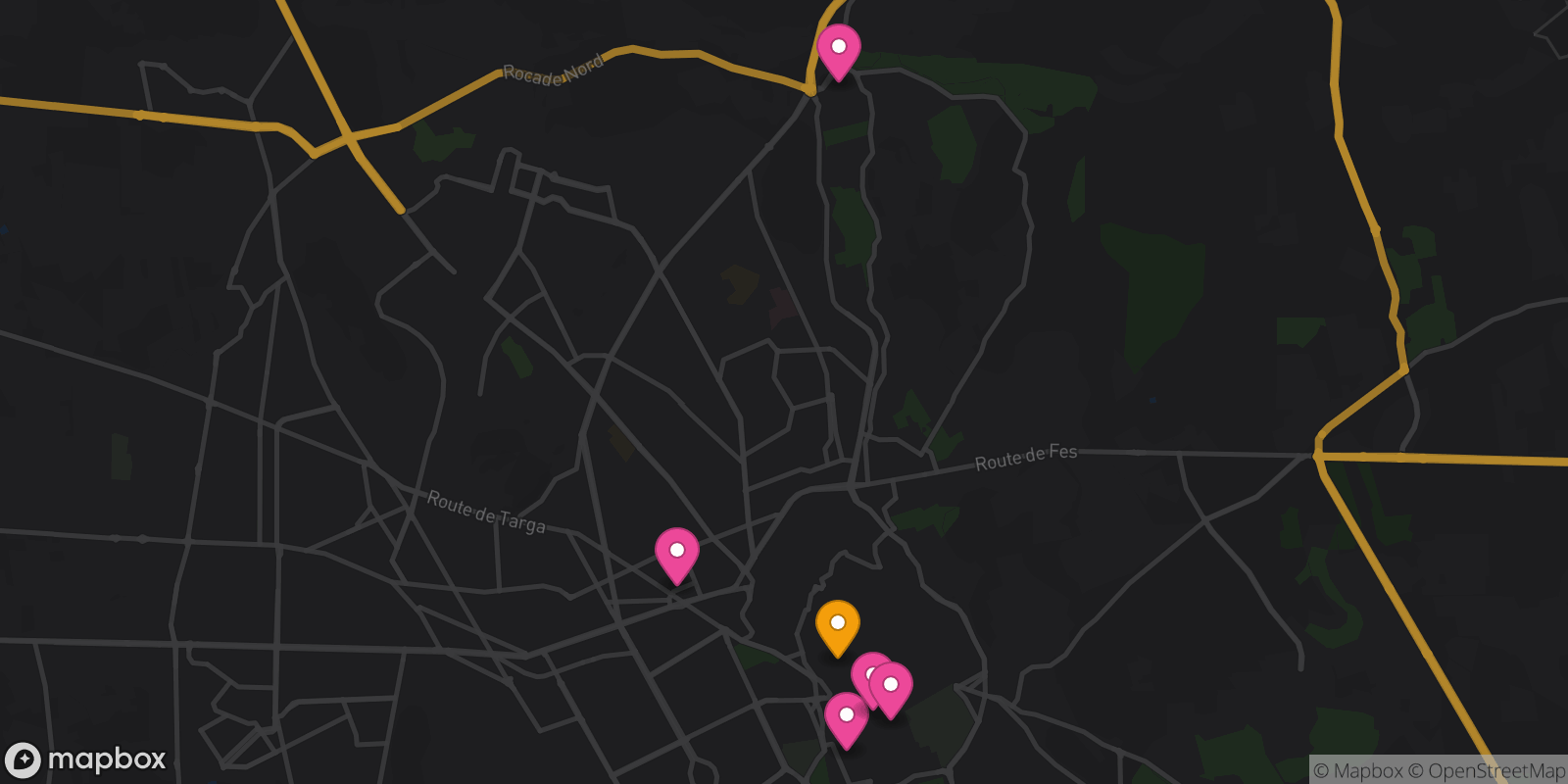
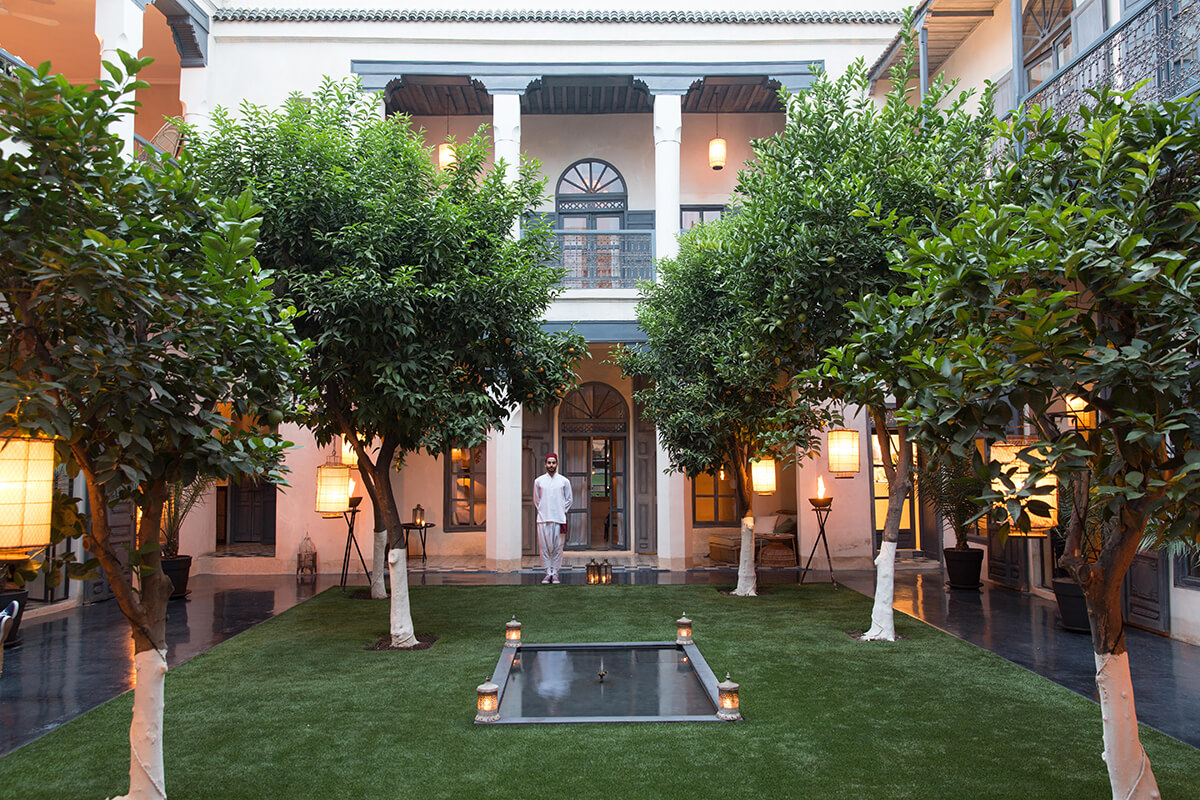
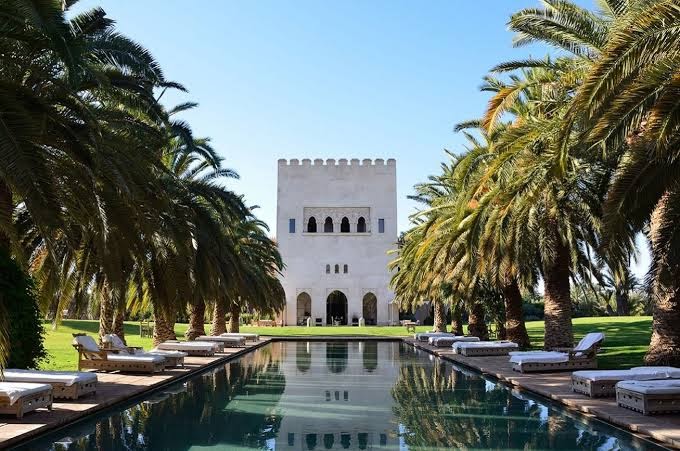
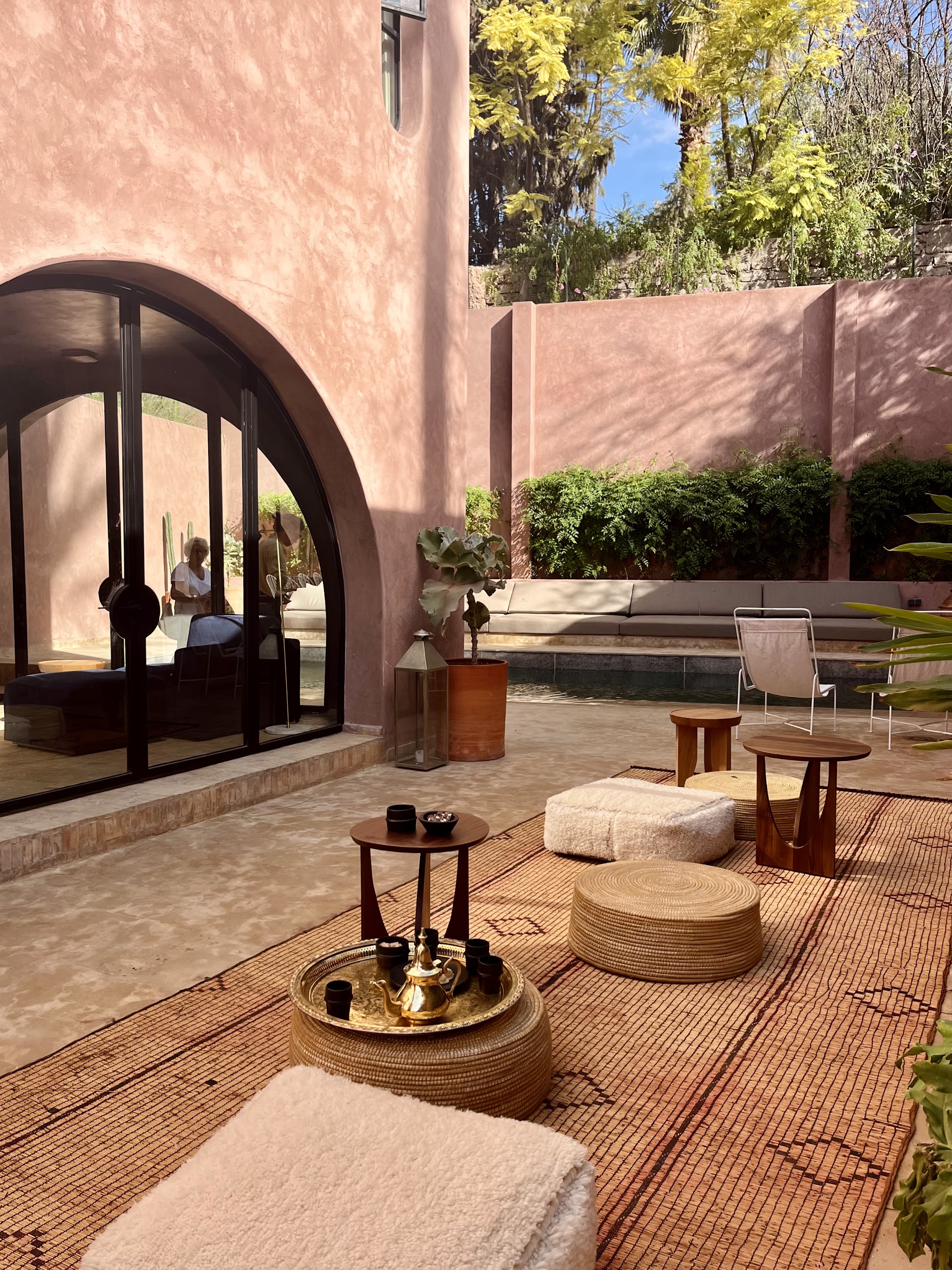
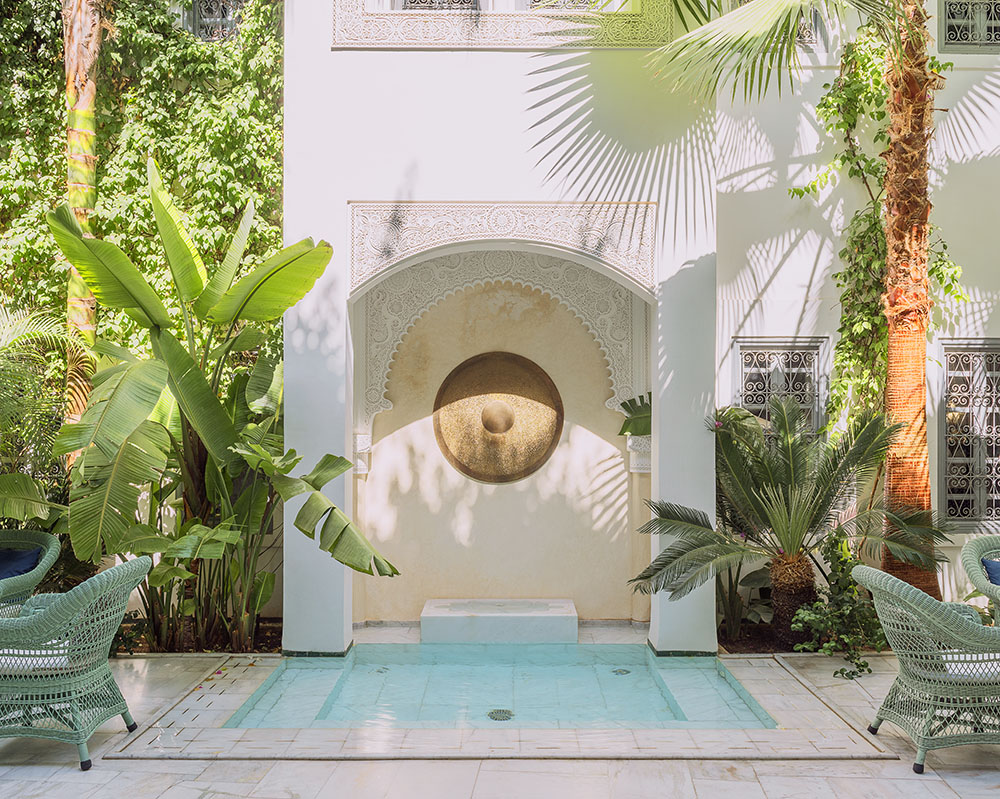
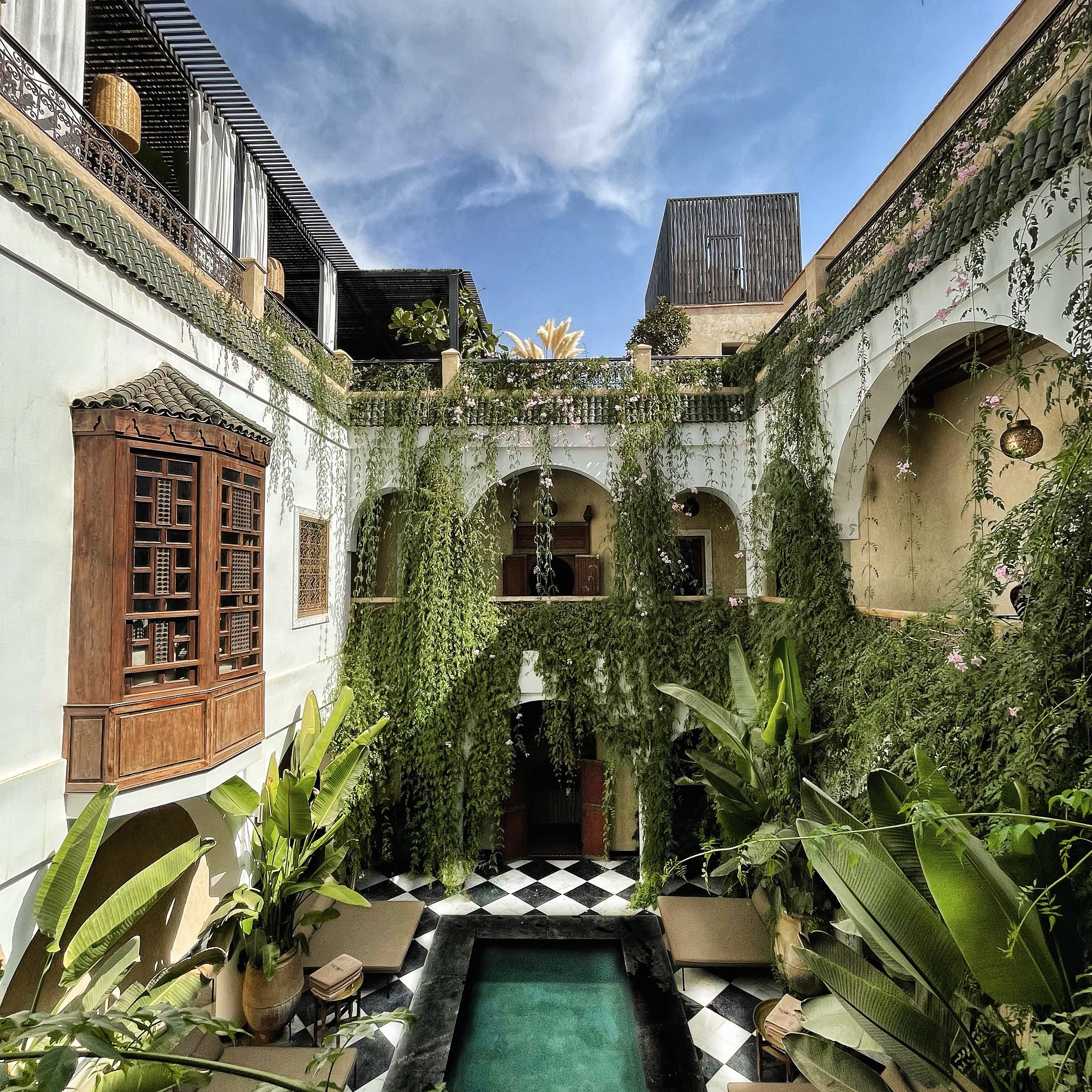
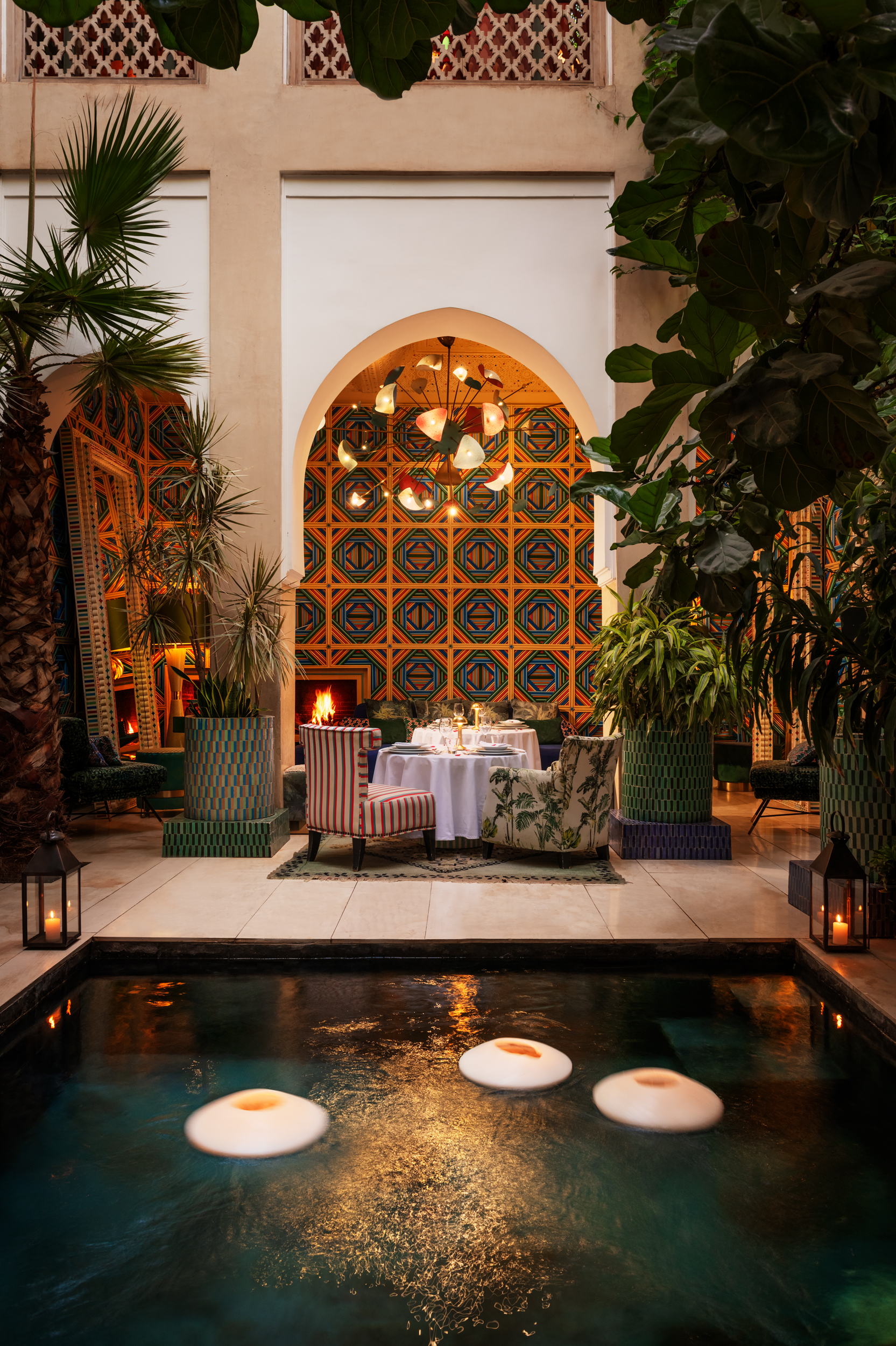
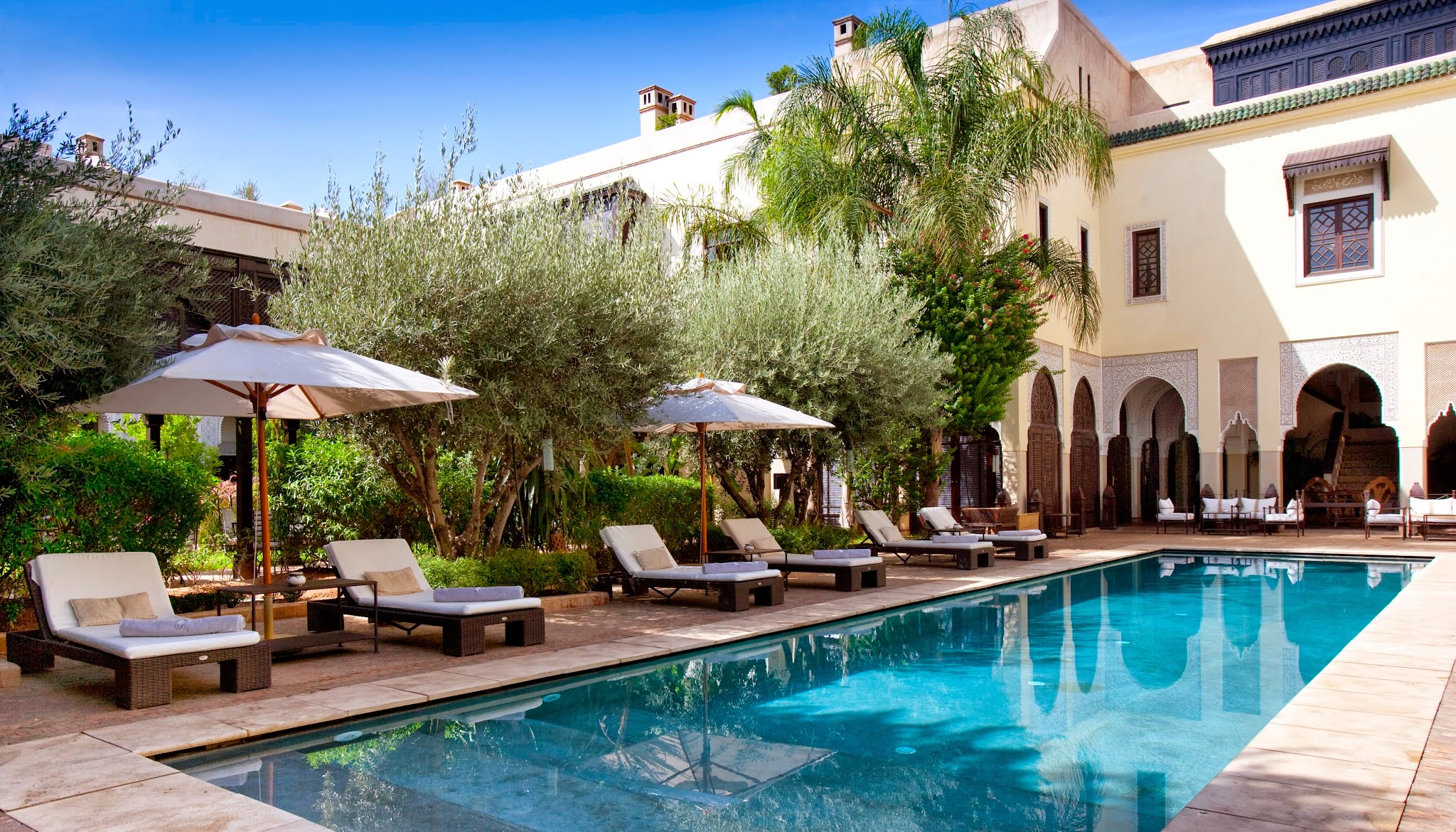
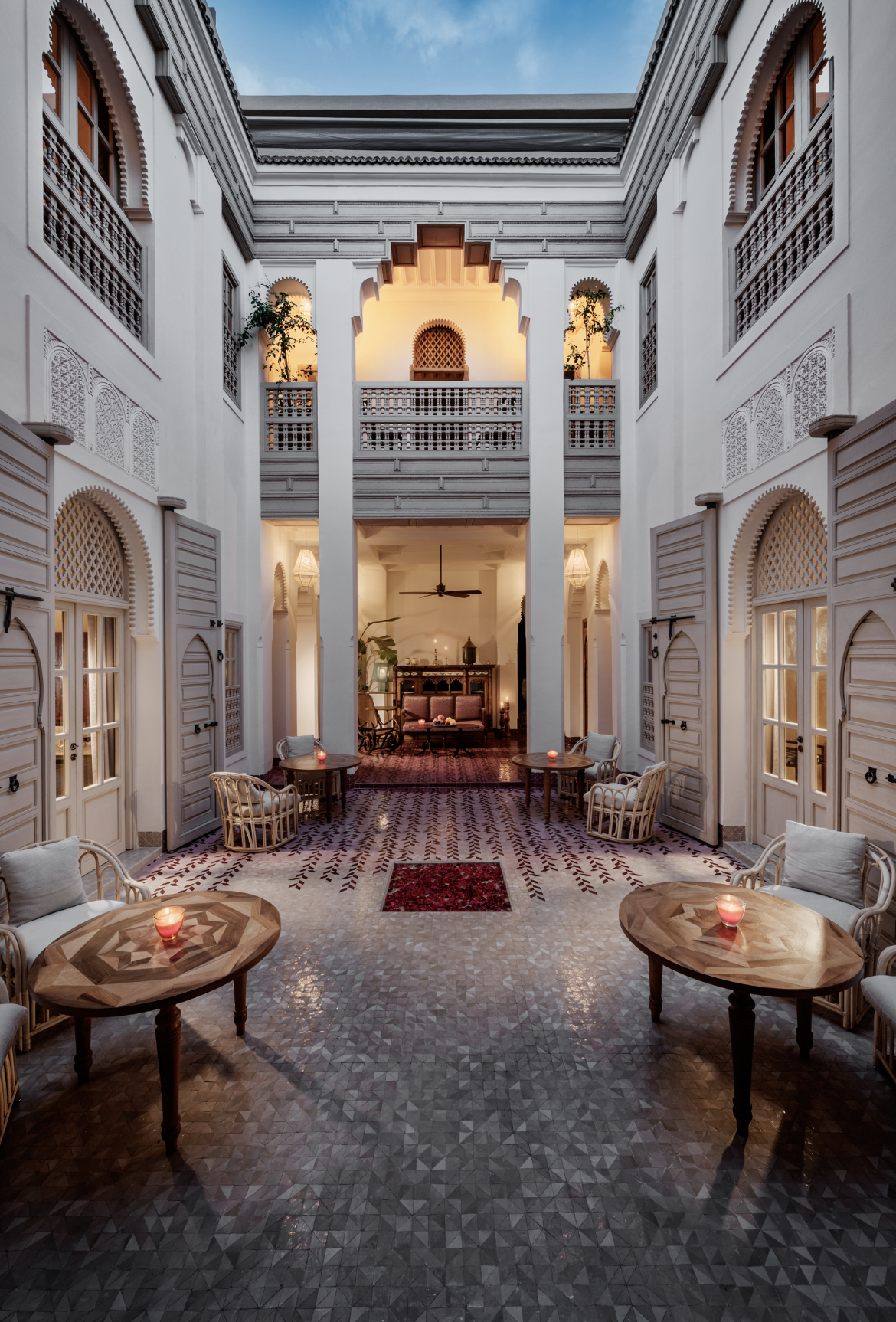
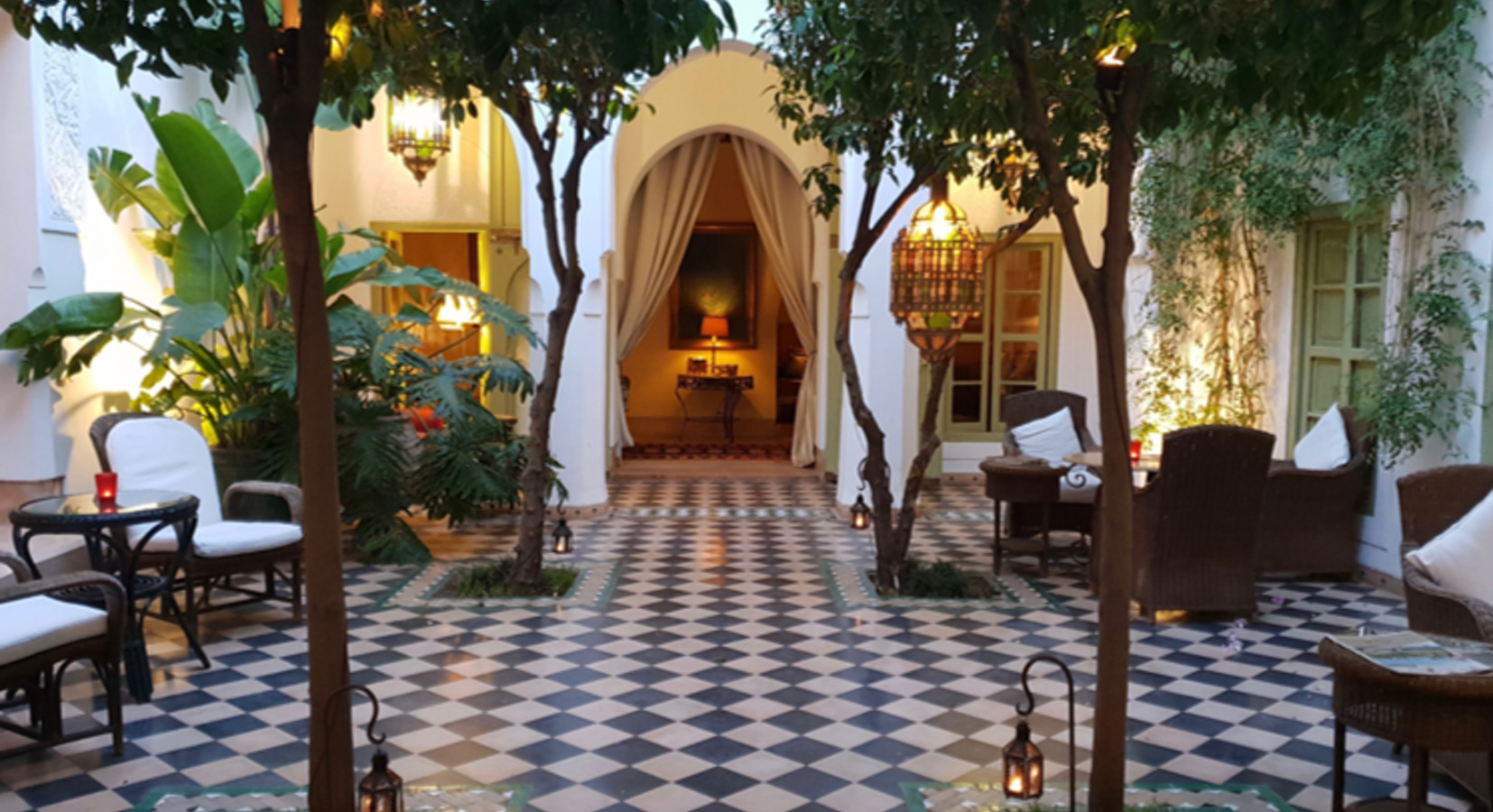
Where to Stay in Marrakech
9 recommended properties
Money-Saving Tips
- 1.Haggle in souks but start at 30% of the asking price, not 10% - vendors expect serious negotiation
- 2.Eat at food stalls in Jemaa el-Fnaa for 40-60 dirhams per meal instead of tourist restaurants charging 200+
- 3.Take public buses (4 dirhams) instead of petit taxis (20+ dirhams) for airport transfers and longer routes
- 4.Book riads directly through their websites to avoid booking platform commissions of 15-20%
- 5.Shop for spices and argan oil in the souks rather than airport duty-free - prices are 3x cheaper
- 6.Visit hammams in local neighborhoods (80-120 dirhams) instead of hotel spas (500+ dirhams)
- 7.Use ATMs inside banks rather than standalone machines to avoid extra fees on dirham withdrawals
Travel Tips
- •Download Maps.me offline maps before arriving - GPS fails frequently in the narrow medina alleys
- •Carry small bills (20 and 50 dirham notes) for tips, taxi rides, and street food purchases
- •Learn basic Arabic numbers for haggling - vendors respect effort and may offer better prices
- •Pack a portable phone charger - many riads have limited electrical outlets in rooms
- •Bring hand sanitizer and tissues - public restrooms vary wildly in cleanliness standards
- •Dress modestly especially when visiting mosques - cover shoulders and knees as a sign of respect
- •Book restaurant reservations 24 hours ahead during peak season (October-April) to avoid disappointment
- •Keep copies of your passport and travel insurance in separate bags in case of theft
- •Exchange money at banks or official bureaux de change rather than street dealers for better rates