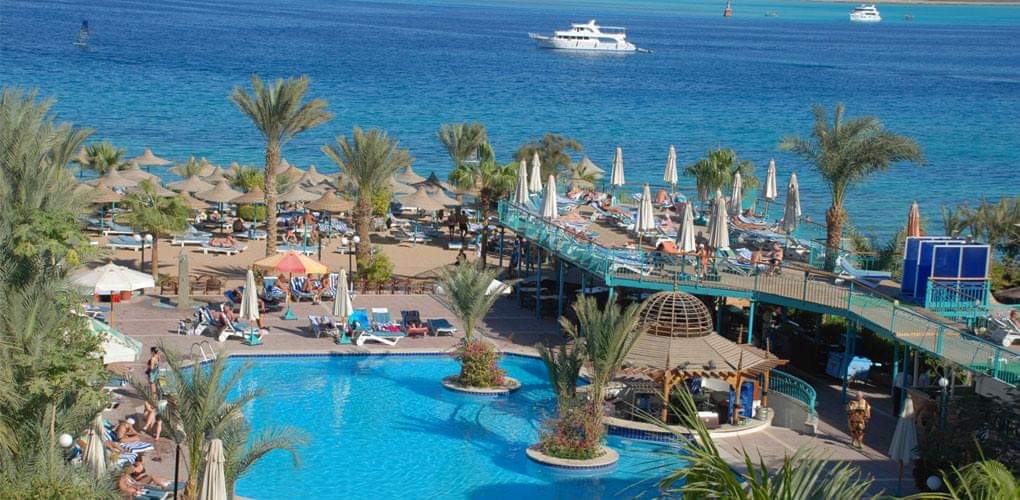
Hurghada
Red Sea diving paradise with endless desert adventures
Hurghada transforms from sleepy fishing village to Red Sea diving mecca in about 30 years. The result? A resort town that somehow balances world-class coral reefs with budget-friendly family fun. You'll find some of the planet's best diving just minutes from shore, while the Eastern Desert stretches endlessly inland, perfect for quad biking and Bedouin encounters. Sure, parts of Hurghada feel like a purpose-built tourist machine. But dive beneath the surface—literally—and you'll understand why this stretch of Egyptian coastline hooks travelers year after year.
Best Months
JAN · FEB · MAR · APR · OCT · NOV · DEC
~28°C · high crowds
Culture & Context
RESORT BUBBLE MEETS EGYPTIAN LIFE
Hurghada stretches for over 40 km along Egypt's Red Sea coast. It's a proper resort city, not a village that accidentally got a hotel. The place has been built up fast over the past decade and it shows.
Most European visitors — Germans, Poles, Czechs, Brits — arrive on charter packages and never actually leave their resort. That's totally valid. But if you do venture out, the two Hurghadas become obvious pretty quickly: the tourist bubble of the Marina and Mamsha promenade, and the actual Egyptian city of El Dahar where people just live their lives.
Both are worth your time. The Red Sea here has over 40 dive sites and some of the clearest underwater visibility on the planet. The desert starts right where the city ends.
And Luxor — the Valley of the Kings, Karnak Temple, all of it — is about 288 km away, doable as a long day trip if you're up for it. Egypt is a Muslim-majority country. Hurghada is more relaxed than Cairo about dress and alcohol, but once you leave the beach or pool, cover up.
Tipping (called baksheesh) is built into how the economy works here. Ten to fifteen percent at restaurants is normal, and small amounts of 20–50 EGP are appreciated for good service from hotel staff or guides. One honest downside: vendor pressure in tourist areas is relentless.
Souvenir sellers, tour touts, taxi drivers quoting triple the real price. It's not malicious, but it's exhausting if you're not expecting it. Say "la, shukran" (no, thank you) and keep walking.
Local Customs
BAKSHEESH EXPECTED ALWAYS
Tipping (baksheesh) is integral to Egyptian culture — 10–15% at restaurants, and 20–50 EGP for hotel staff. Budget for it, or you'll feel awkward all week.. Dress modestly away from the beach and pool.
At religious sites like the Al Mina Mosque, women should cover shoulders and knees. Men should wear trousers, not shorts.. Do not photograph military personnel, police, or government buildings.
This is a legal prohibition, not just a social one — getting caught is a real problem.. Always ask permission before photographing local people, especially in markets. Some people will ask for a tip in exchange..
Drinking alcohol in public spaces outside of licensed resort areas is illegal. Keep it to bars, hotel grounds, and licensed restaurants.. Haggling is expected in souks and with taxis.
Offer around 50% of the first price quoted, then meet somewhere in the middle. Skipping this negotiation means you're overpaying by design.. WhatsApp voice and video calls are blocked in Egypt.
Download a VPN before you arrive if you rely on them. A VPN also helps on public Wi-Fi.. Handshakes are common.
Between men and women, wait to see if the local person initiates — some observant Muslims prefer not to shake hands with the opposite gender.. Friday is the holy day. Some shops and offices have reduced hours or close for midday Friday prayers..
Egyptian hospitality is genuine. If locals invite you for tea or coffee, accepting is a real kindness, not an obligation to buy something (though at shops, it often comes with a soft sales pitch).
Safety
WATCH YOUR BELONGINGS
Hurghada resort areas are considered safe for tourists, and the Egyptian government has invested heavily in tourist police and security at major sites. That said, a few things are worth knowing before you go. Petty theft — bag snatching, pickpocketing in crowded markets — happens, particularly in El Dahar and around the souk.
Keep bags on your front, don't flash expensive cameras or phones in markets, and don't carry more cash than you need for the day. Vendor pressure in tourist zones is intense but not dangerous. Stay firm, keep walking, say "la, shukran," and don't engage with people who approach you first offering tours or special visits.
That said, do use registered tour operators for all excursions — not street touts. The US State Department rates Egypt as Level 2 (increased caution). The North Sinai and certain border areas carry real risks, but Hurghada itself is separate from those concerns.
Don't photograph police, military personnel, vehicles, or government buildings under any circumstances — it's illegal and treated seriously. Tap water is not safe to drink. Buy bottled water and carry it with you; the sun is strong year-round and dehydration sneaks up on you.
Harassment of women, including foreigners, is documented in Egypt. Traveling in pairs or groups helps, covering up off the beach reduces unwanted attention, and having a local contact's number is useful. Ambulances in Egypt are unreliable and emergency care facilities are limited outside major centers — comprehensive travel insurance with medical evacuation cover is not optional, it's genuinely necessary.
Getting Around
TAXIS & UBER
Hurghada International Airport (HRG) sits about 5 km southwest of El Dahar. Flights come in from across Europe (4–5 hours from most UK, German, and Polish airports), the Middle East, and domestic Egypt. Charter traffic is heavy from October to April.
Getting around the city is mostly taxis — there are no meters, so always negotiate the price before you get in or use Uber/Careem for a fixed price of around $2.55 per typical city trip. The app options are more reliable and remove the haggling entirely.
Minibuses (microbus) run between resort areas for $0.59–1.17 and are how locals get around, but the routes are unofficial and confusing for first-timers.
Walking works within neighborhoods — along the Marina, Sheraton Road, or the Mamsha promenade — but the distances between major zones are too far to walk. El Dahar to the Marina is about 15–20 minutes by taxi. Airport to Sheraton Road/Marina is 10–15 minutes.
Airport to Sahl Hasheesh or Makadi Bay is 30–45 minutes. Airport to El Gouna (north) is 30–40 minutes. The biggest trap: the first 10 minutes after a flight lands, taxi prices spike because drivers know travelers haven't oriented themselves yet.
Book a pre-arranged transfer or wait 15 minutes and let the wave clear before negotiating. For a day trip to Luxor, plan on a 3h45m drive each way — 288 km on decent roads. Most people book organized tours that handle transport, guide, and entry tickets bundled together.
Useful Phrases
Hurghada Itineraries
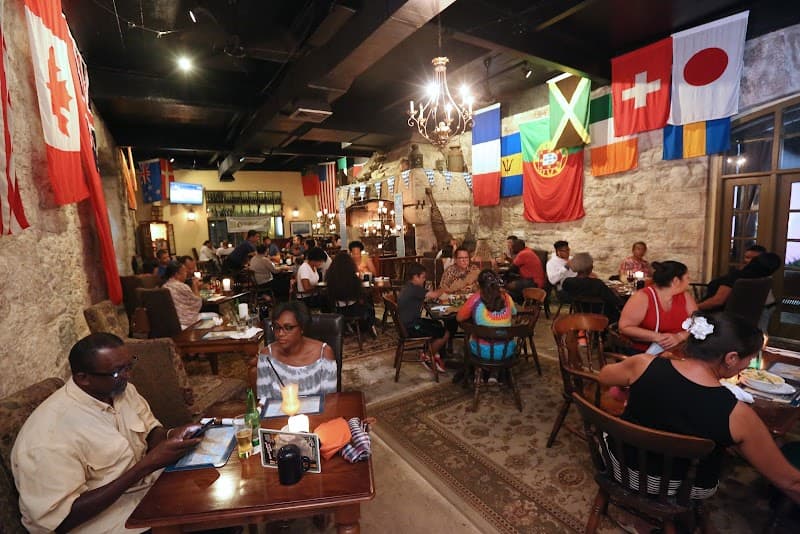
Where to Stay in Hurghada
1 recommended properties
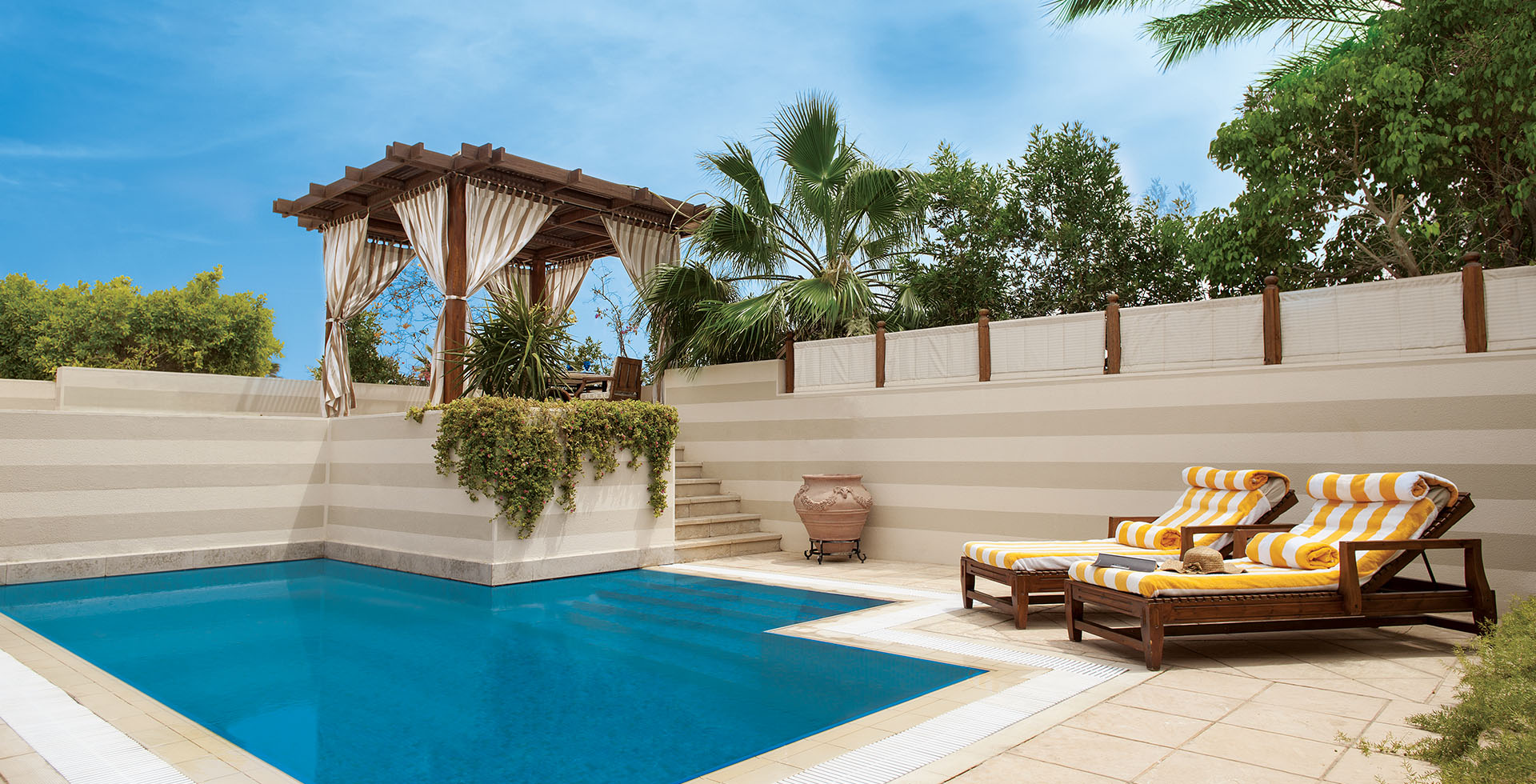
Things to Do in Hurghada
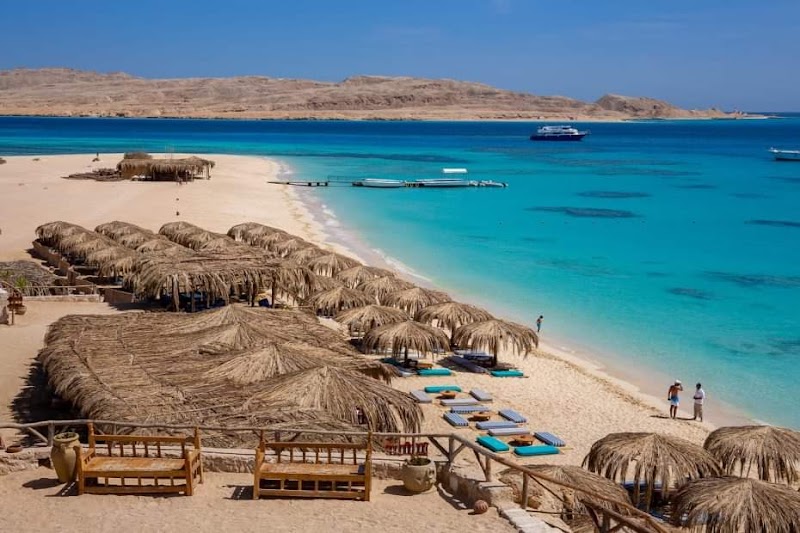
Giftun Island Snorkeling Trip
300 min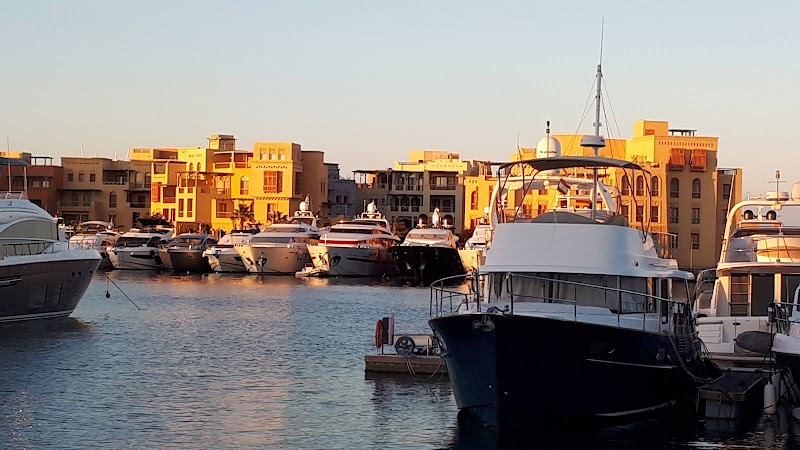
Hurghada Marina Boulevard
90 min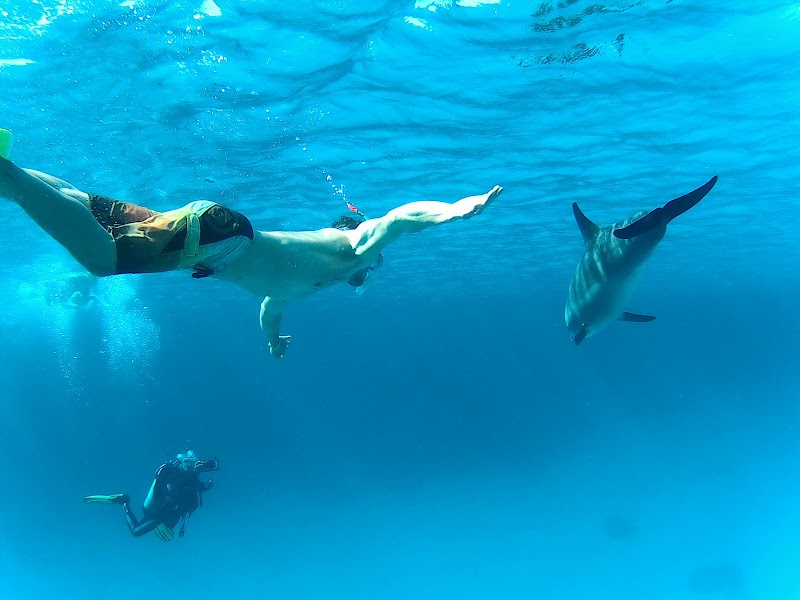
Speed Boat to Dolphin House
240 minMoney-Saving Tips
- 1.Negotiate taxi fares before getting in—tourists pay double without haggling
- 2.All-inclusive resorts often cost less than paying separately for meals and drinks
- 3.Dive packages (5-6 dives) offer better value than single boat trips
- 4.Shop for spices and souvenirs in Sakkala's backstreets, not hotel gift shops
- 5.Many restaurants add 12% service charge—check your bill before tipping extra
- 6.Desert safari tours cost half as much when booked locally vs. through hotels
Travel Tips
- •Bring reef-safe sunscreen—regular sunblock damages the coral
- •Pack a light jacket for evening boat trips and desert excursions
- •Download offline maps—internet can be spotty outside resort areas
- •Keep small bills handy—vendors rarely have change for large notes
- •Most dive centers rent gear, but bring your own mask for better fit
- •Learn basic Arabic greetings—locals appreciate the effort and often respond with better service