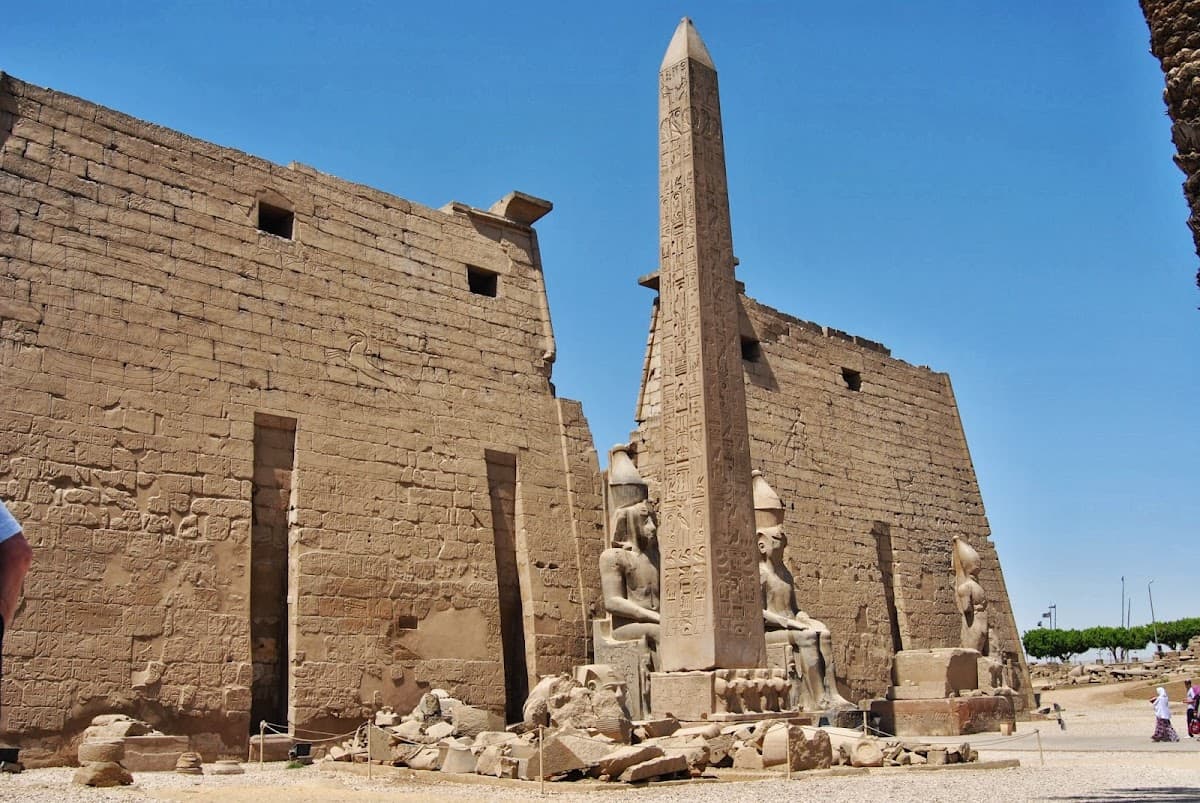
Luxor
Ancient Egypt's greatest open-air museum of pharaohs
Look, Luxor isn't just another tourist destination — it's basically time travel with a side of Nile views. This ancient capital holds more archaeological treasures per square mile than anywhere else on Earth. Walk through Karnak Temple at sunrise and you'll understand why Napoleon's soldiers carved their names into 4,000-year-old walls. The Valley of the Kings sits just across the river, where Tutankhamun's tomb still draws crowds 100 years after its discovery. But here's what the guidebooks won't tell you: Luxor gets scorching hot in summer, the touts can be relentless, and some sites feel more like outdoor ovens than museums. Come prepared for sensory overload — both the good kind and the overwhelming kind.
Best Months
JAN · FEB · MAR · OCT · NOV · DEC
~28°C · high crowds
Culture & Context
ETERNAL NILE DIVIDE
Luxor sits roughly 650 km south of Cairo and was ancient Thebes, the capital of Egypt's New Kingdom pharaohs. The Nile literally divides the city's logic: east bank is the living city (temples built for the gods of life, the rising sun), west bank is where the dead were buried (Valley of the Kings, Valley of the Queens, tombs cut into limestone cliffs). Ancient Egyptians designed it this way deliberately.
That geography still shapes how visitors experience the place 3,000 years later. The city has a population of around 420,000 and its economy runs almost entirely on tourism and agriculture. Nubian cultural influences are strong, particularly on the west bank, and you'll notice the food, music, and architecture shift noticeably compared to Cairo.
This is a conservative Muslim city. Dress covers shoulders and knees — not optional at temples, not optional on streets if you want to avoid unwanted attention. Friday afternoons go quiet as prayers happen.
The Moulid of Abu el-Haggag (roughly 15 days before Ramadan) is when the whole region converges on Luxor for a street parade of tented camels, feluccas dragged on floats, bakers covered in flour, and fruit vendors throwing produce into crowds. Expect it to take more than half an hour for the procession to pass any single point. During Ramadan itself, restaurants close during daylight hours but streets come alive after sunset for iftar.
Tourist sites stay open on normal hours.
Local Customs
NEGOTIATE FIRST ALWAYS
Agree on a price BEFORE getting into any taxi, calèche (horse carriage), or felucca. Seriously, before. Get it in Egyptian Pounds, as a total, not per person.
Photograph the agreed price on a note if you need to.. Haggling is expected in markets and souvenir stalls. It's a social ritual, not an aggressive one.
Start at around half the quoted price and work from there. Walking away often ends with the seller suddenly finding your preferred price.. Use your right hand when giving or receiving items, money, or food.
The left hand is considered unclean in Egyptian culture.. Always ask before photographing people, especially women. Some site guards will offer to take your photo near restricted areas — this is a setup for a tip demand.
Decline politely.. Dress modestly: covered shoulders and knees for both men and women, everywhere, not just temples. It dramatically reduces street hassle..
Tipping (baksheesh) is woven into the local economy. A few pounds for a hotel porter, toilet attendant, or someone who helped you with directions is expected. But don't tip for every service — only when it was genuinely helpful..
Public displays of affection will draw stares. Holding hands is fine for couples. Kissing in public is not..
If a 'friendly stranger' approaches saying they work at your hotel or remember you from yesterday — they almost certainly don't. This is a common opener for steering you toward commission-based shops.. The alabaster factory 'museum' tour on the West Bank is a well-known detour that drivers use.
If your driver suggests a stop at a cooperative or factory, it's commission-based. You can skip it by saying clearly: 'No shops. Tombs only.
Safety
WATCH COMMON SCAMS
Luxor is safe for tourists. Violent crime against visitors is rare, and there's a heavy tourist police presence at every major site. The US State Department has Egypt at Level 2 (exercise increased caution) as of July 2025, which is the same rating as France and Germany — keep it in perspective.
The real issues are financial and persistence-based. Here's what to actually watch for: Unofficial guides at temple entrances — men with lanyards who look official, give you a few facts, then demand tips. They're not licensed.
Hire guides at the ticket office only. Calèche (horse carriage) price-switching is rampant on Corniche el-Nil — the agreed 'per ride' price mysteriously becomes 'per person' at the end. Get the total price in writing before you get in.
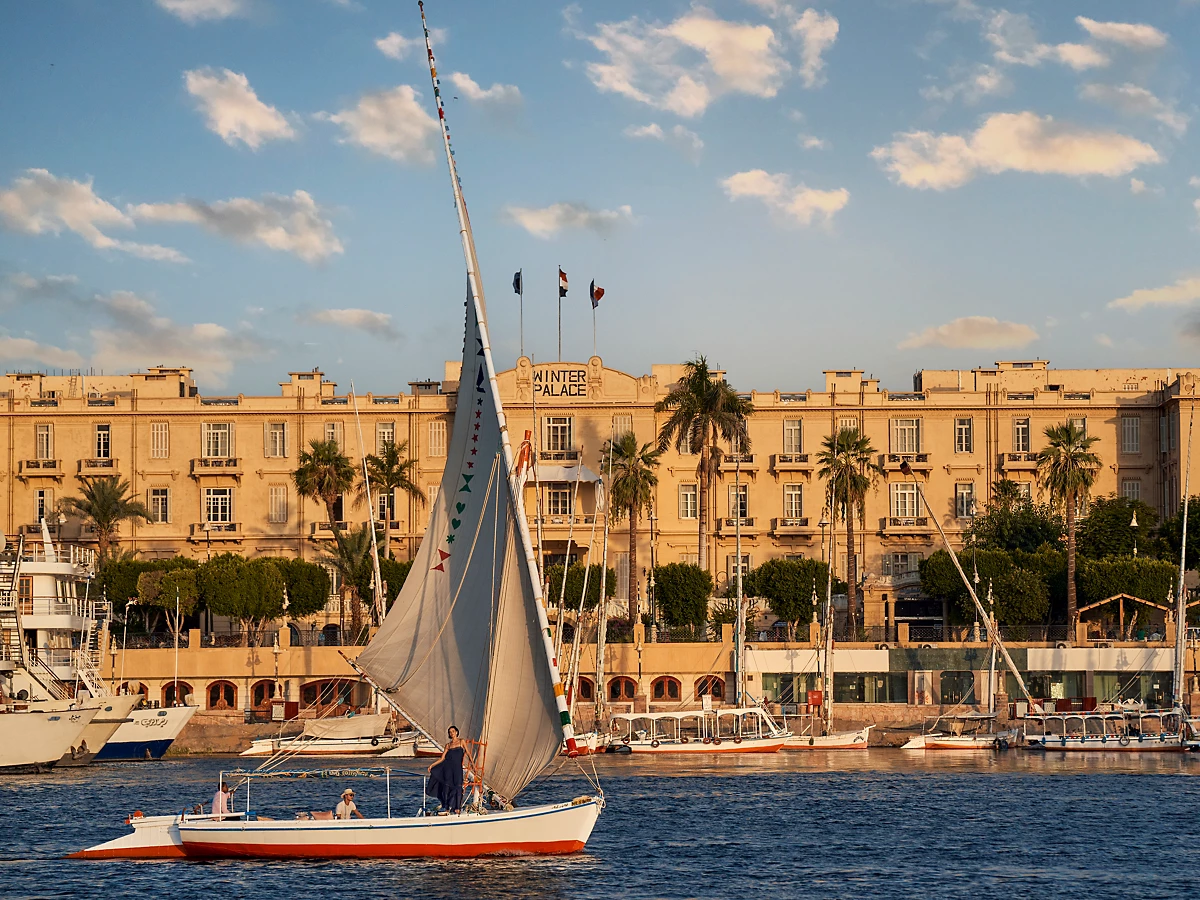
Overpriced restaurants on the Corniche waterfront between Luxor Temple and the Winter Palace — the tourist tax is real here. Walk one block inland and prices drop significantly. Papyrus and alabaster shops that are 'cooperative museums' — your driver earns a 30–50% commission on what you spend.
Tell drivers clearly at the start: no shops, tombs only. Fake photo helpers at Karnak and the Valley of the Kings who offer to take your picture then demand $5–20. Don't hand over your phone.
Drink only bottled water — buy from a grocery store (12–15 EGP for 1.5L) not from vendors at sites (60–80 EGP for the same bottle). Don't swim in the Nile or its canals due to bacterial risk.
Women traveling solo report harassment ranging from verbal to physical contact — dressing conservatively and traveling with a group or guide significantly reduces this.
Getting Around
TAXIS & FERRIES
Getting around Luxor runs on three things: taxis, tuk-tuks, and the Nile ferry. Always agree on price in Egyptian Pounds before entering any vehicle. Always.
East Bank taxis between the main sites cost 50–100 EGP for short hops. Uber and Careem work in Luxor and are a solid alternative to street taxis when you want a fixed price upfront. The public ferry to the West Bank costs 11 EGP (about $0.
21) and takes five minutes. Locals use it constantly. Private motorboats charge significantly more — the public ferry is fine.
Tuk-tuks are good for narrow backstreets, especially on the West Bank. Calèches (horse-drawn carriages) exist but animal welfare concerns are widespread, and the price-switching scams are a constant issue. Bicycles can be rented and work well for the flat West Bank roads in cooler months.
Getting to Luxor from Cairo: the overnight sleeper train runs $80–120 per person and is an experience in itself, arriving at Luxor station (Sharia al-Mahatta on the East Bank) in the morning. Day trains cost 200–400 EGP ($4–8) but take 9–10 hours. Domestic flights from Cairo are $60–150 one-way and take one hour.
Luxor International Airport (LXR) is 6 km east of the city center. From Luxor to Aswan, a private driver costs around 2,000 EGP ($42). A 4-day Nile cruise between the two cities is the classic option, running $160–600/night depending on the vessel grade — read reviews carefully, as some cruise boats park docked for most of the journey and only sail for 2 of 4 days.
Useful Phrases
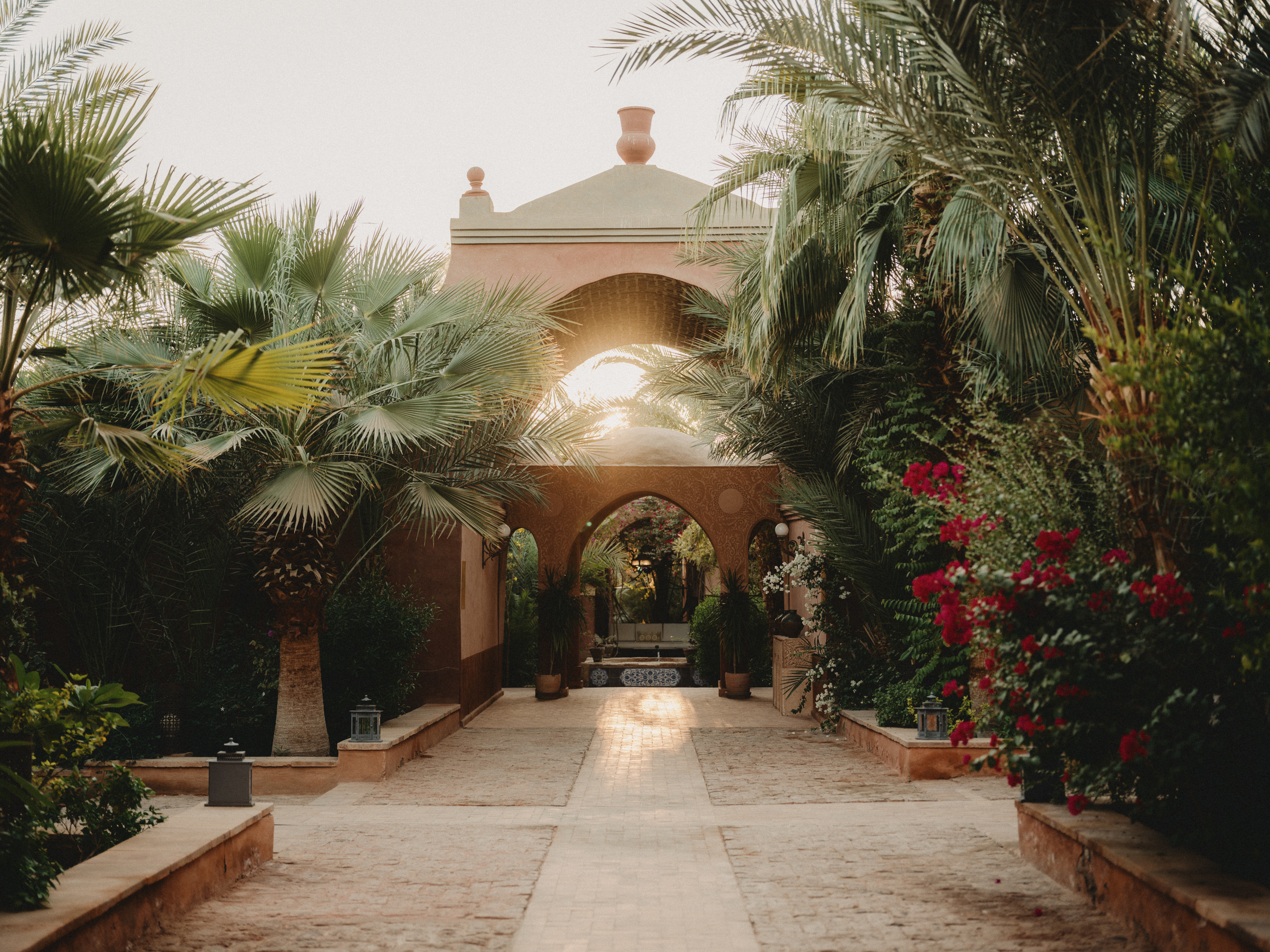
Where to Stay in Luxor
2 recommended properties
Money-Saving Tips
- 1.Buy the Luxor Pass for 200 USD if visiting multiple tombs — it covers most West Bank sites and Valley of the Kings
- 2.Negotiate taxi fares before getting in — meters rarely work and drivers quote tourist prices
- 3.Eat at local spots like Abu Ashraf for 30 pounds instead of hotel restaurants charging 300+ pounds
- 4.Book flights to Cairo then take the overnight train to Luxor — it's cheaper than flying direct
- 5.Visit sites early morning to avoid both heat and crowds — some tombs close midday in summer
- 6.Stock up on water at local shops (5 pounds) rather than buying at tourist sites (20+ pounds)
Travel Tips
- •Download offline maps — GPS signal gets spotty in the Valley of the Kings
- •Bring a flashlight for tomb visits — many have poor lighting despite entrance fees
- •Dress conservatively and cover shoulders/knees at all religious sites
- •Learn basic Arabic numbers for haggling — vendors respect the effort
- •Pack sunscreen and a hat — the desert sun reflects off limestone and hits hard
- •Keep small bills handy — everyone from bathroom attendants to tomb guards expects tips
- •Visit Karnak Temple twice — once during the day and once for the evening sound and light show