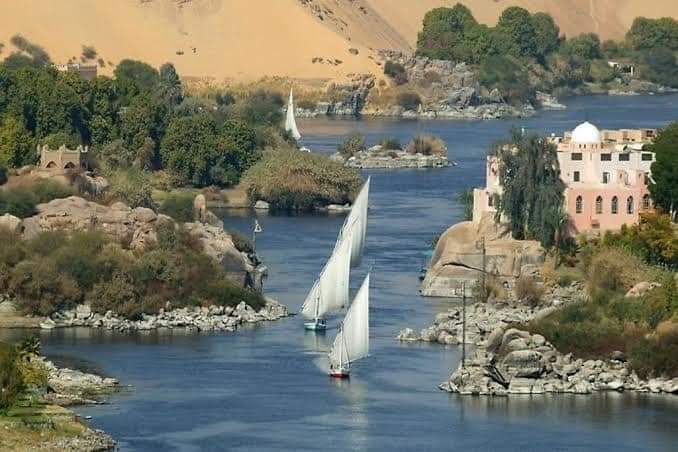
Aswan Governorate
Ancient Nubian culture meets majestic Nile River grandeur
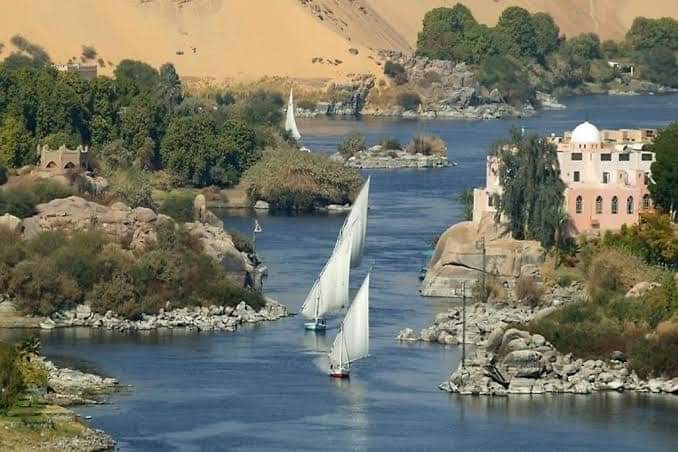
The Nile moves differently here in Aswan Governorate. Slower. More deliberate. Like it knows it's carrying 5,000 years of history on its back. This is Egypt's deep south, where ancient Nubian culture still pulses through colorful villages and the desert stretches endlessly toward Sudan. The granite quarries that built the pyramids sit silent now, but the feluccas still catch the same winds that carried pharaohs upriver. Here's the thing about Aswan: it's not trying to impress anyone. The temples speak for themselves, the sunsets over Elephantine Island need no filter, and the Nubian hospitality runs as deep as the river itself.
Culture & Context
NUBIAN RESILIENCE & WARMTH
Aswan sits at the southern end of Egypt, right where the country historically ran out of Egypt and became Nubia. That's not just geography. It shapes everything here.
The Nubian people have lived along this stretch of the Nile for thousands of years, and their culture shows up in the color of the houses, the food, the music, and the way strangers still get invited in for tea. But here's the thing: the construction of the Aswan High Dam in the 1960s forced tens of thousands of Nubians to relocate, flooding their original villages under Lake Nasser. That loss is still felt.
The Koma Waidi initiative, a group of local volunteers, is literally racing against time to document the Nobiin language before it disappears entirely. So when you walk through a painted village or a Nubian family welcomes you into their home, there's a weight to it. It's a culture that fought hard to survive.
Aswan is slower and more relaxed than Cairo or Luxor. Locals will tell you that, and they're right. Street harassment is still there, but it's dialed back a notch.
The felucca captains on the Corniche will call out to you, the souvenir sellers will quote triple what they'll settle for. That's normal. It's not personal.
Nubians in particular have a reputation for warmth that isn't theater. And Aswan is one of the sunniest and driest places on Earth, meaning the desert light here is genuinely remarkable, especially in the early morning when the Nile goes completely still.
Local Customs
HAGGLE, ASK FIRST, TEA ALWAYS
Greet before you ask anything. In Nubian areas especially, walking up and immediately asking to take a photo or buy something is considered rude. Start with 'salam' or 'as-salaamu alaykum'.
Even 30 seconds of pleasantries changes the entire interaction.. Haggling is not optional, it's expected. The first price quoted in any market or for any transport is not the real price.
Counter-offer, and counter-offer again. You won't get the local price, but you can get close to a fair price. Agree on taxi fares before you get in, every single time..
When a Nubian family invites you in for tea, go. It's genuine. The word 'etfadel' means 'please come in' and it's an actual invitation, not a sales pitch.
Karkade (hibiscus flower tea) is the local drink. Try it.. Dress modestly away from the hotel pool.
Long pants or skirts, covered shoulders. This matters more in Aswan than in Cairo's tourist zones, and especially when walking through Nubian villages or entering mosques.. No photos of military buildings, police officers, or airports.
This is enforced. It's also just not worth the hassle.. Ask permission before photographing people, especially women and children in Nubian villages.
'Mumkin sora?' (May I take a photo?) goes a long way.
If someone says no, accept it without argument.. Baksheesh (tipping) is built into the culture. Small amounts for guides, drivers, bathroom attendants, anyone who does something for you.
Have small bills on you at all times. 'I have no change' is a very familiar line.. Avoid public displays of affection.
Holding hands is generally fine, but kissing or hugging in public is frowned upon.. Alcohol exists in licensed venues but is taxed heavily. Local beer (Stella) is affordable, wine is expensive.
Public intoxication is not tolerated and will attract serious attention.. Drink only bottled water. In a city as hot as Aswan, you'll drink a lot.
Buy sealed bottles from reliable shops and be cautious with ice and juices diluted with tap water.
Safety
MOSTLY SAFE, WATCH SCAMS
Aswan is one of the more relaxed and safer tourist cities in Egypt. Violent crime against visitors is uncommon, and many travelers find the overall atmosphere more manageable than Cairo. That said, it's not without issues.
The biggest day-to-day risks are scams, persistent touts, overcharging on boat trips, and unofficial guides who attach themselves to you uninvited. Felucca captains and boat operators are notorious for quoting one price and changing terms later. Agree on everything in writing or in very clear verbal terms before you step on anything.
Settle taxi fares before you get in, every time, no exceptions. Avoid the El Shalal District on the outskirts (known for crime and drug trafficking) and the Kima industrial district (heavy pollution and traffic, no tourist value). After dark, stick to well-lit areas and avoid wandering alone into unfamiliar neighborhoods.
Solo women travelers regularly visit Aswan without incident, but extra caution is still sensible: share ride details, trust your instincts quickly, and avoid isolated taxis at night. Drink only sealed bottled water. In the summer months (May-September), heat in Aswan is genuinely dangerous, regularly exceeding 40°C, so sun protection and hydration are not optional.
Tourist police are visible at all major sites, and Egypt's government takes the security of tourist areas seriously given how important tourism is to the economy. The North Sinai border region is the only area with active UK and US government advisories. Aswan is hundreds of kilometers away and completely unaffected.
Getting Around
TAXIS & FELUCCAS
Getting to Aswan: Flying is by far the best option. Aswan International Airport (ASW) is a 45-minute taxi ride from downtown (roughly $20-30 USD). EgyptAir, Air Cairo, and Nile Air all run direct flights from Cairo, taking just 1 hour 15 minutes. Domestic flights run $60-150 one-way. The overnight sleeper train from Cairo (operated by Watania) is the classic adventure option: a private cabin, meals included, around $80-120 per person, but it takes 13+ hours and delays are routine. Budget travelers can catch a day train from Cairo for $5-10 in economy. From Luxor, the train to Aswan is 4 hours and costs $20-40 first class. A private driver from Luxor to Aswan runs about $42 USD (2,000 EGP).
Within Aswan: The city is small enough that taxis handle most trips. Always agree on a price before getting in. Have small bills ready because 'no change' is a predictable move. Public buses run for 0.15 USD per trip but routing is confusing for first-timers. Ferries to Elephantine Island depart from the El Sadat pier near the KFC on the Corniche every 20-30 minutes, cost 5 EGP one-way (about $0.10), and take 10 minutes. Private motorboats and feluccas are also available from various Corniche points for more flexible timing. For Abu Simbel, most people join an organized day trip departing Aswan around 4:00 AM for the 3-hour drive (280 km southwest). Alternatively, there are short flights from Aswan Airport, but they're significantly more expensive and fill up fast.
Useful Phrases
Explore Cities
Explore the Region
Aswan Governorate Itineraries
Money-Saving Tips
- 1.Bargain hard at the souk – initial prices are often 3x fair value
- 2.Felucca rides cost the same whether you have 2 people or 8, so find other travelers to split
- 3.Buy temple tickets at the official booths, not from touts who add mysterious fees
- 4.Nubian guesthouses offer better value than Nile-view hotels if you want authentic experience
- 5.Shared Abu Simbel tours cost half the price of private ones and leave from the same place
- 6.Local restaurants away from the Corniche serve the same food for 60% less
- 7.Bottled water costs pennies at local shops vs hotel markups
Travel Tips
- •Learn basic Arabic greetings – Nubians appreciate the effort even if you butcher pronunciation
- •Bring a good hat and sunscreen; the desert sun reflects off everything including the Nile
- •Pack layers for winter visits – desert nights get surprisingly cold
- •Respect photography rules in temples and always ask before photographing people
- •Keep small bills handy for boat rides and tips – nobody has change for 200 pound notes
- •Download offline maps; cell service gets spotty in remote Nubian villages
- •Book Abu Simbel tours the day before, not morning of – they fill up fast in peak season
Frequently Asked Questions
BUILD YOUR
ASWAN GOVERNORATE PLAN
Insider picks, smart timing, and a plan ready when you are.
Start Planning