Chobe National Park
Africa's premier elephant sanctuary and wildlife paradise
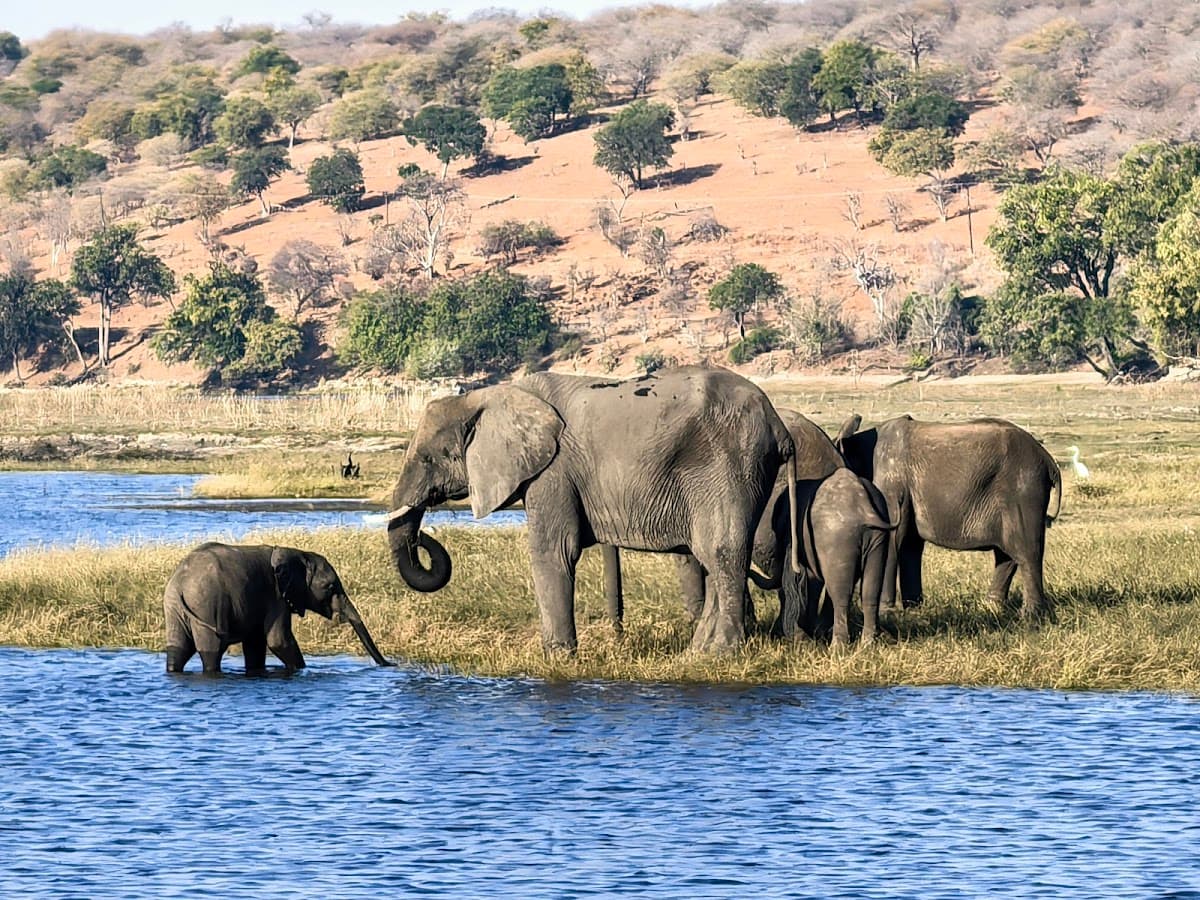
Chobe National Park isn't just another African safari destination. It's where 120,000 elephants roam freely across 11,700 square kilometers of pristine wilderness. Here's the thing - you'll see more elephants in one afternoon along the Chobe River than most people see in a lifetime. The park's four distinct ecosystems create a wildlife theater unlike anywhere else in Africa. But this isn't your typical game drive experience. Chobe's riverfront becomes a stage where massive elephant herds gather at sunset, while hippos grunt their territorial warnings and crocodiles slip silently through the water. The best part? You're watching it all from a boat, cold drink in hand, as the African sun paints the sky orange.
Money-Saving Tips
- 1.Visit during shoulder season (May or October) for 40% lower accommodation rates while still seeing excellent game
- 2.Book multi-day packages instead of daily rates - most lodges offer significant discounts for 3+ night stays
- 3.Self-drive camping costs under $30 per day including park fees, versus $300+ for guided safari packages
- 4.Eat lunch in Kasane town rather than lodge restaurants to save $20-30 per meal
- 5.Bring your own drinks for boat cruises - lodges charge $8+ for beer that costs $2 in town
- 6.Group bookings of 4+ people often get free airport transfers and complimentary activities
- 7.Book directly with smaller lodges rather than through international booking sites to avoid commission markups
Travel Tips
- •Arrive at boat cruise departure 30 minutes early to secure front-row seats for best elephant viewing
- •Download offline maps before entering the park - cell coverage disappears once you leave Kasane
- •Pack extra camera batteries and memory cards - you'll take 500+ photos per day during peak season
- •Wear neutral colors and avoid perfume or bright clothing that can spook wildlife
- •Bring a cooler with ice for day trips - temperatures hit 40°C and water stations are rare
- •Book morning game drives over afternoon ones - animals are more active before the heat builds
- •Always carry cash in Pula - many local operators don't accept credit cards or US dollars
- •Respect the 40km/h speed limit on park roads - rangers issue expensive fines for speeding
Frequently Asked Questions
BUILD YOUR
CHOBE NATIONAL PARK PLAN
Insider picks, smart timing, and a plan ready when you are.
Start Planning